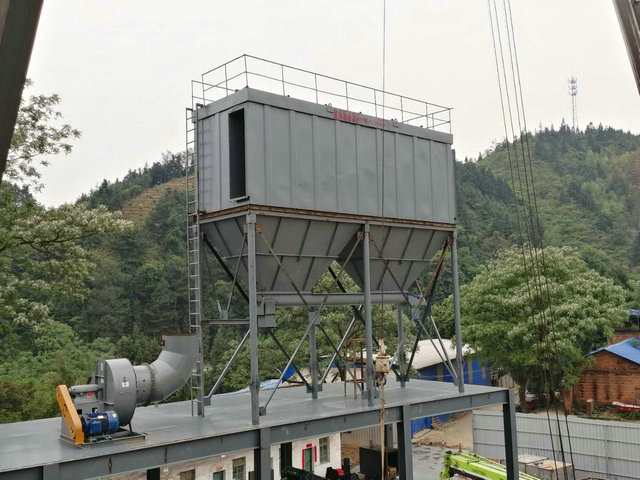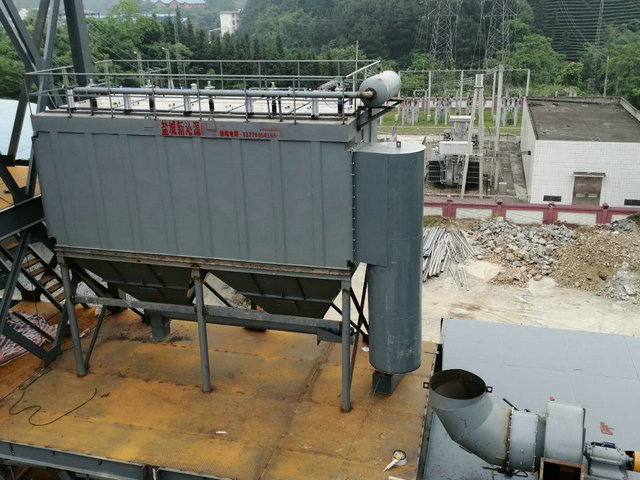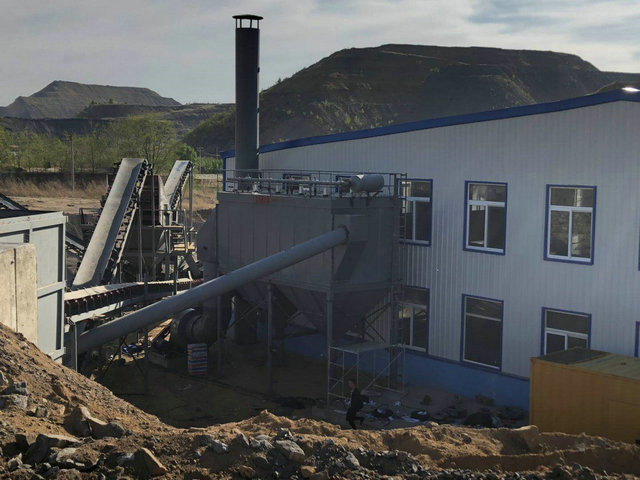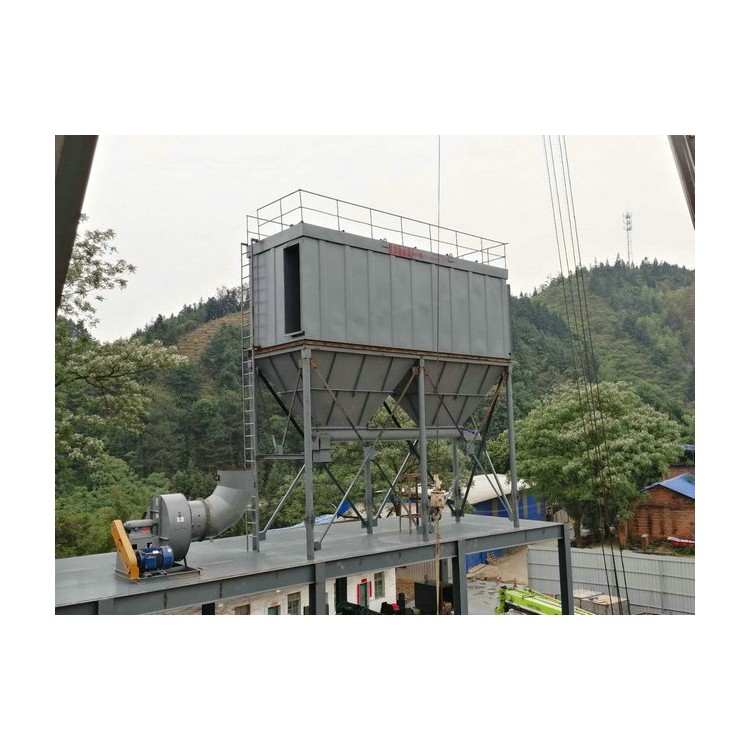













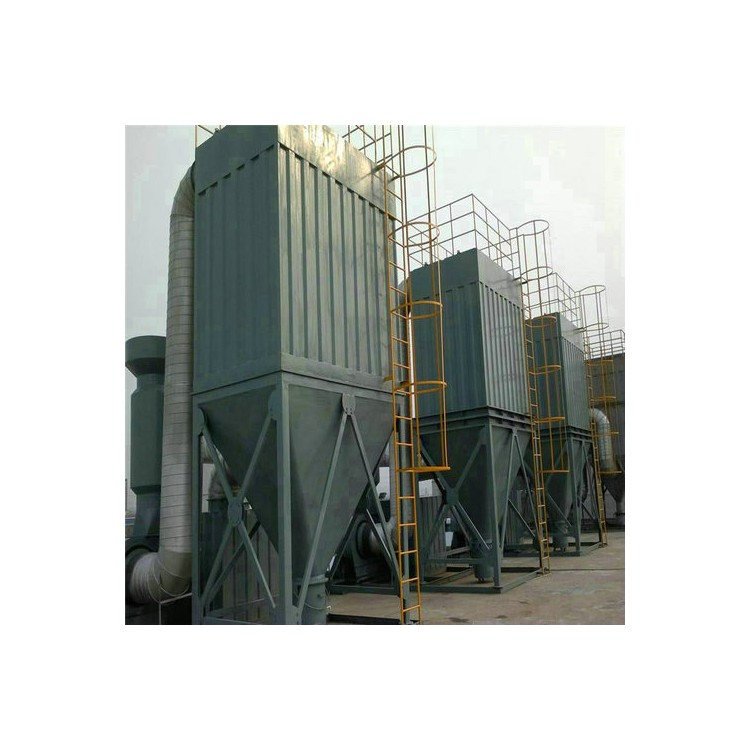
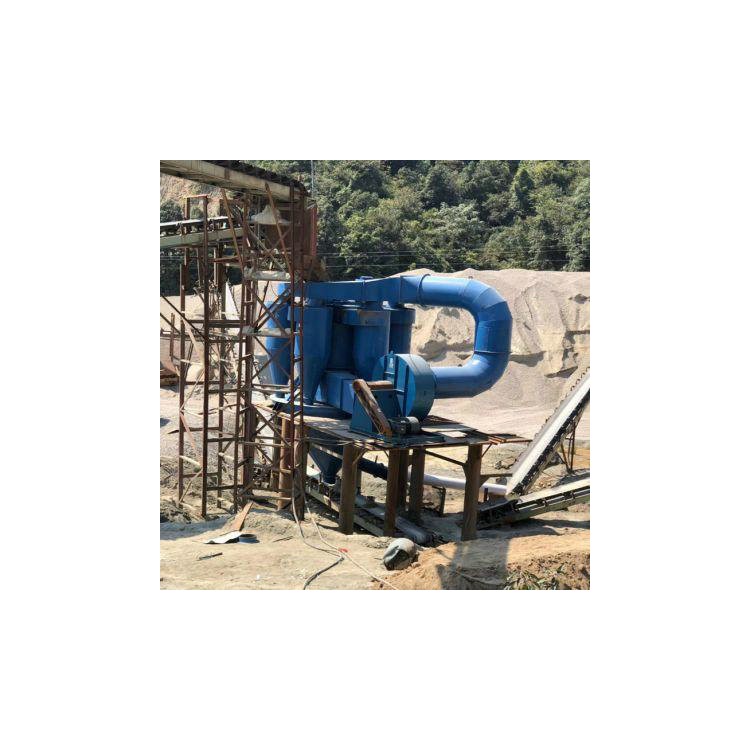
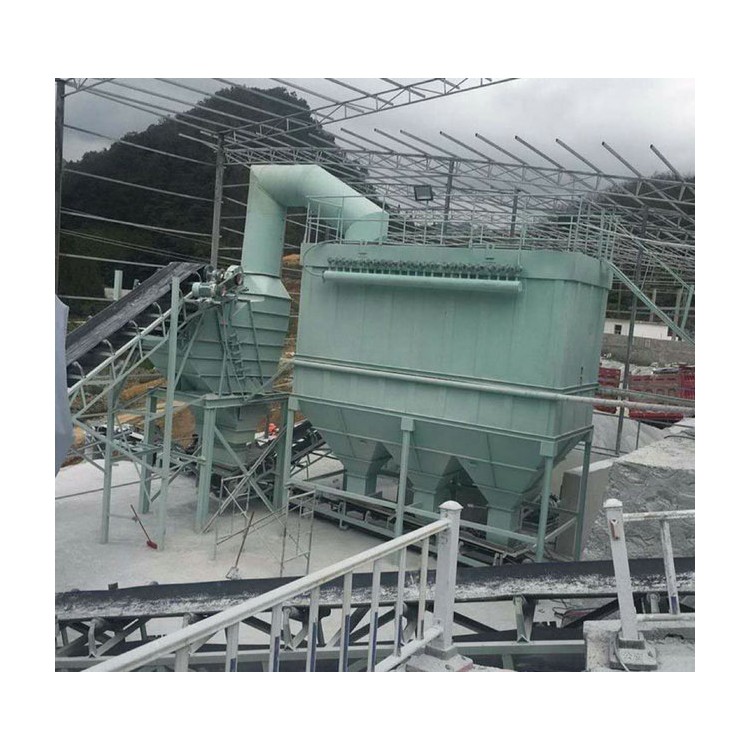
Pulse Jet Bag Filter
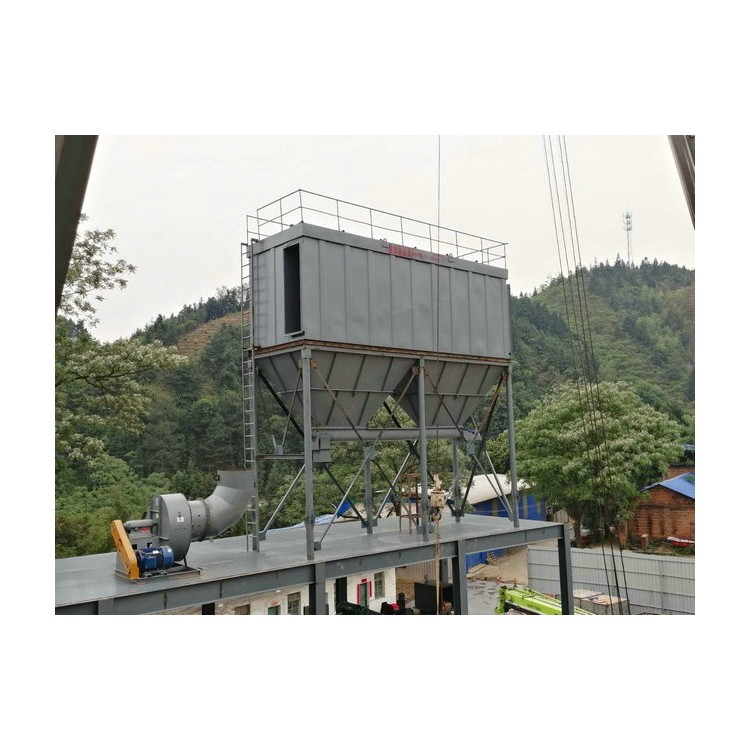
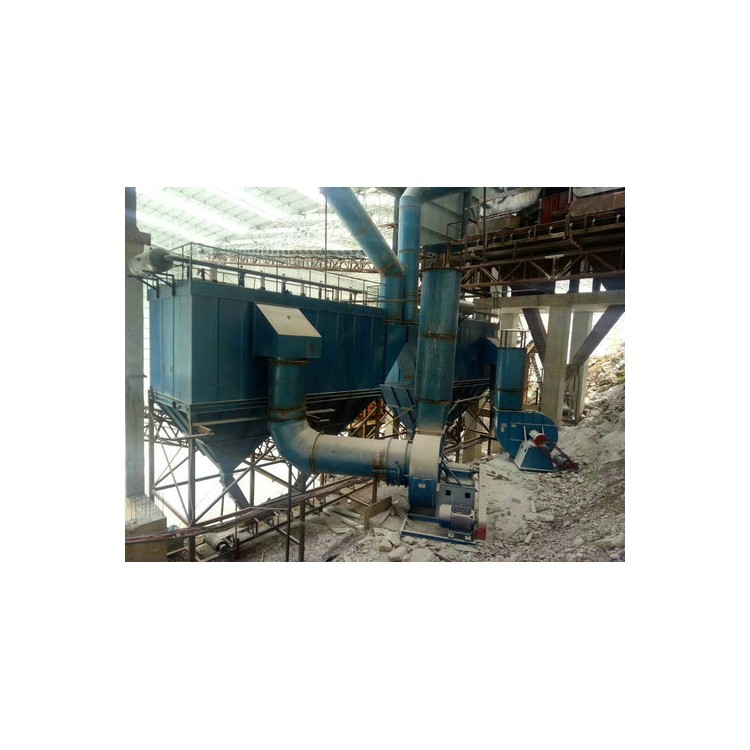
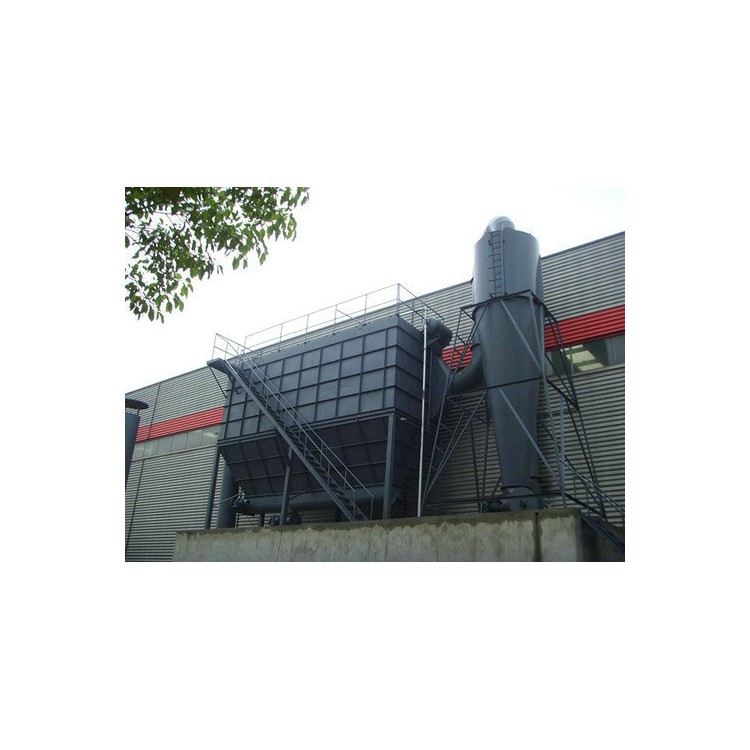
During normal operation, dusty gas enters the ash hopper through the inlet, and due to the rapid expansion of the gas volume, some coarser dust particles fall into the hopper due to inertia or natural sedimentation. The remaining majority of dust particles rise with the air flow into the bag chamber, where they are filtered and trapped on the outside of the filter bags. The purified gas then enters the upper housing through the filter bags and is discharged into the atmosphere through the valve plate holes and exhaust outlets, achieving dust removal. As the filtration continues, the resistance of the dust collector increases. When the resistance reaches a certain level, the cleaning control unit issues a cleaning command. First, the lifting valve plate is closed to cut off the filtration air flow; then, the cleaning control unit sends a signal to the pulse solenoid valve. As the pulse valve sends a high-pressure reverse air flow into the bag for cleaning, the filter bags quickly inflate and produce strong vibrations, causing the dust on the outside of the bags to shake off, achieving the cleaning purpose. Since the equipment is divided into several compartments, the above process is carried out compartment by compartment. While one compartment is being cleaned, the others continue to operate normally, ensuring the continuous and normal operation of the equipment. The ability to handle high concentrations of dust is due to the extremely short cleaning time required for this strong cleaning method (a single blast only takes 0.1 to 0.2 seconds).
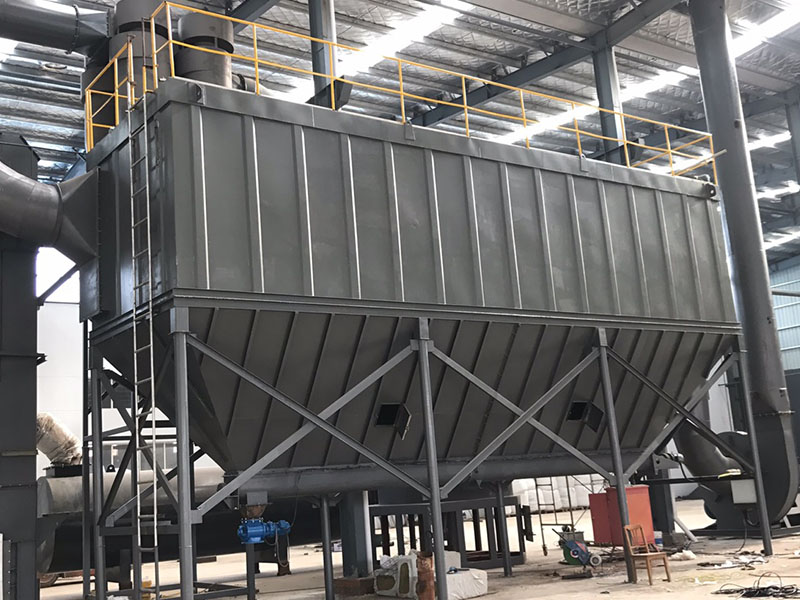
Product Features
Pulse Jet Baghouse Dust Collector
Utilizing the room-by-room stop-air pulse jet cleaning technology, it overcomes the drawbacks of conventional pulse dust collectors and room-by-room reverse-jet collectors. It boasts strong cleaning power, high dust removal efficiency, low emissions concentration, minimal air leakage rate, low energy and steel consumption, small land occupation, stable and reliable operation, and good economic benefits. Suitable for the purification of dusty gases and material recovery in metallurgy, building materials, cement, machinery, chemicals, electricity, and light industry.

2. Due to the use of room-separated pulse-jet cleaning, a single spray can achieve thorough cleaning, thereby extending the cleaning cycle and reducing the energy consumption for cleaning. The compressed air consumption can be significantly lowered. At the same time, the fatigue level of the filter bags and pulse valves is correspondingly reduced, thereby multiplying the lifespan of both the filter bags and valve blades.
3. Bag replacement and maintenance can be conducted in individual compartments under normal system operation without interrupting the system fans. The filter bag mouth features an elastic expansion ring for excellent sealing performance and is sturdy and reliable. The filter bag frame is made of polygonal shapes, reducing friction between the bag and frame, extending the bag's lifespan, and making it easier to remove the bags.
4. The upper bag removal method is adopted. When changing bags, after pulling out the bag cage, the soiled bags are dropped into the lower ash bin of the box, and then retrieved through the manhole, improving the conditions for bag change operations.
5. The housing is designed with airtightness, ensuring excellent sealing. The inspection door is made with superior sealing materials, and leakage is detected during the manufacturing process with kerosene, resulting in a very low wind leakage rate.
6. Compact air duct layout for import and export, with low air resistance.