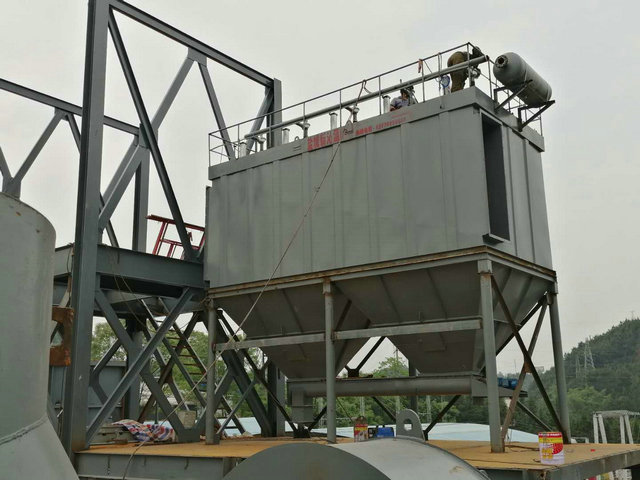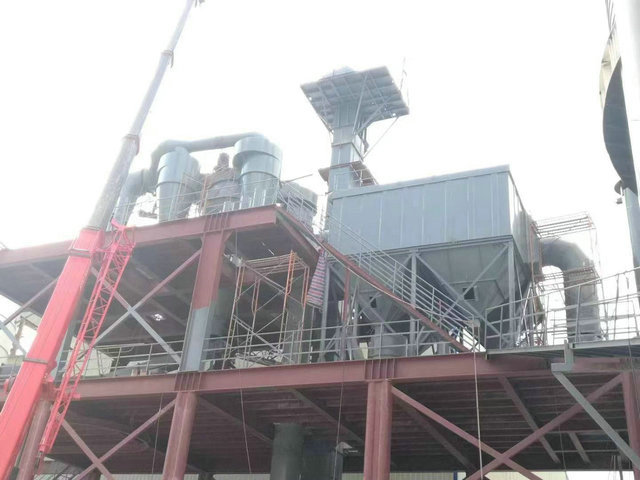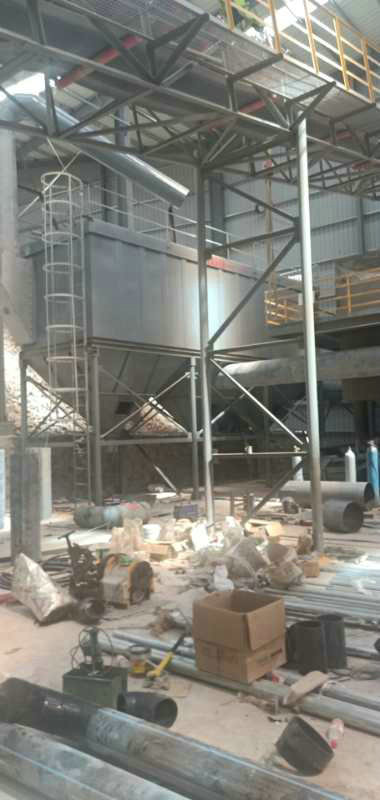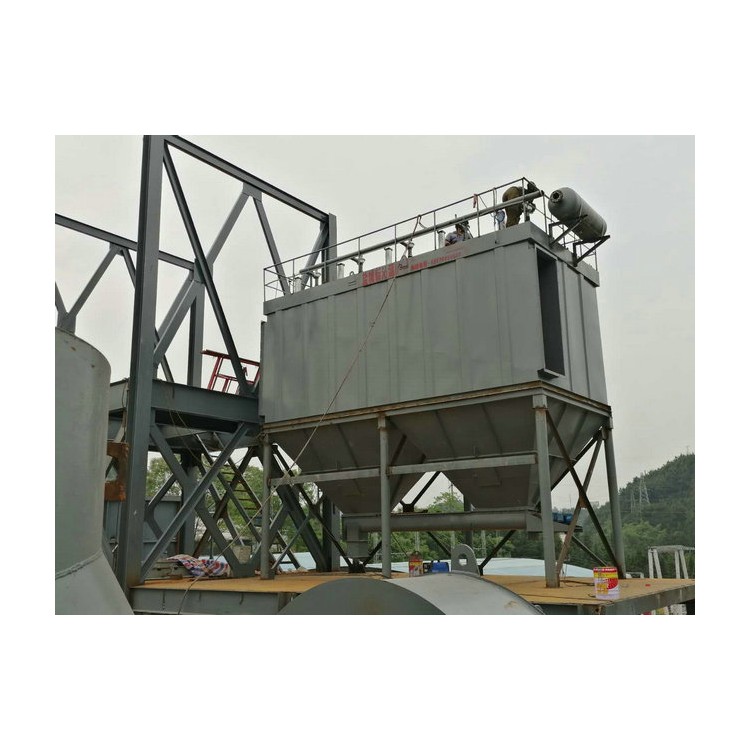

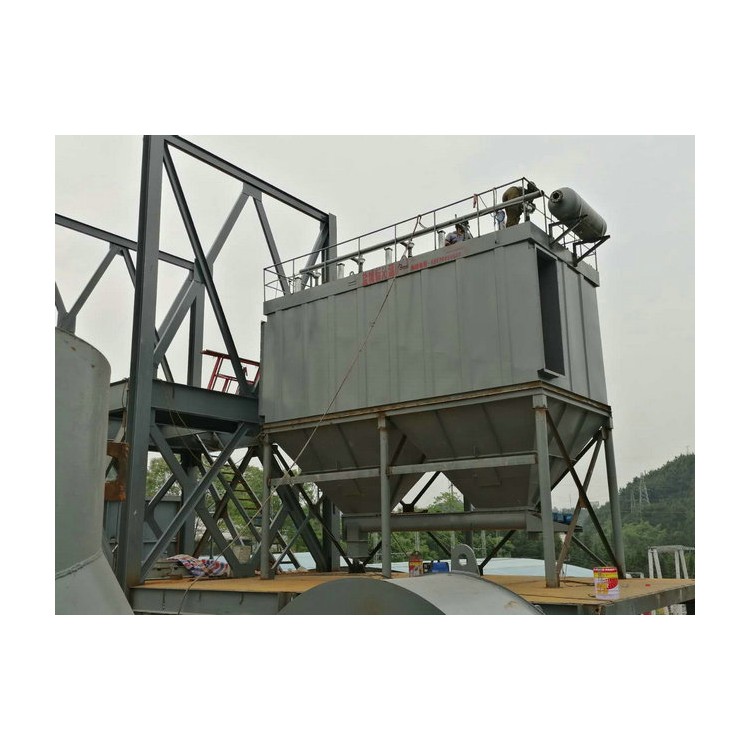
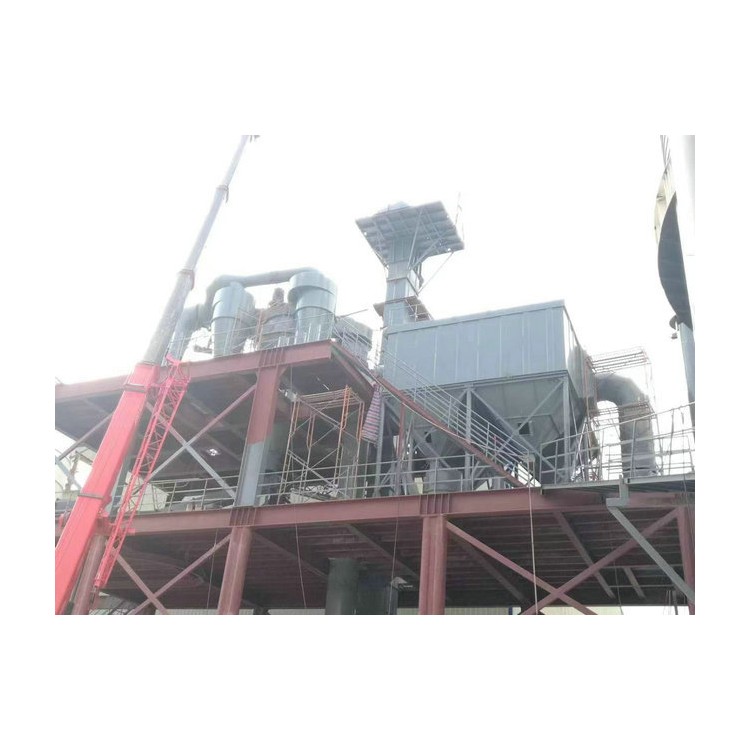
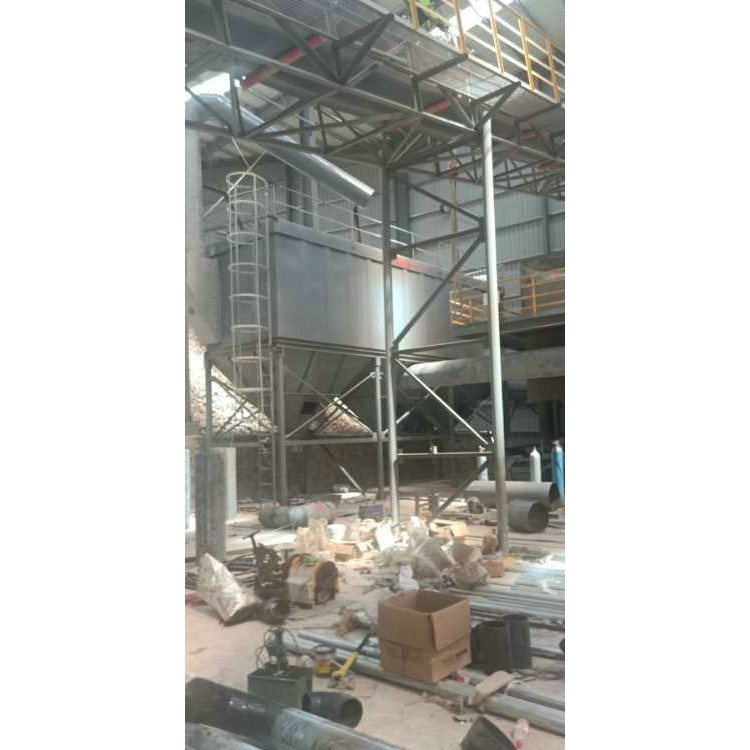












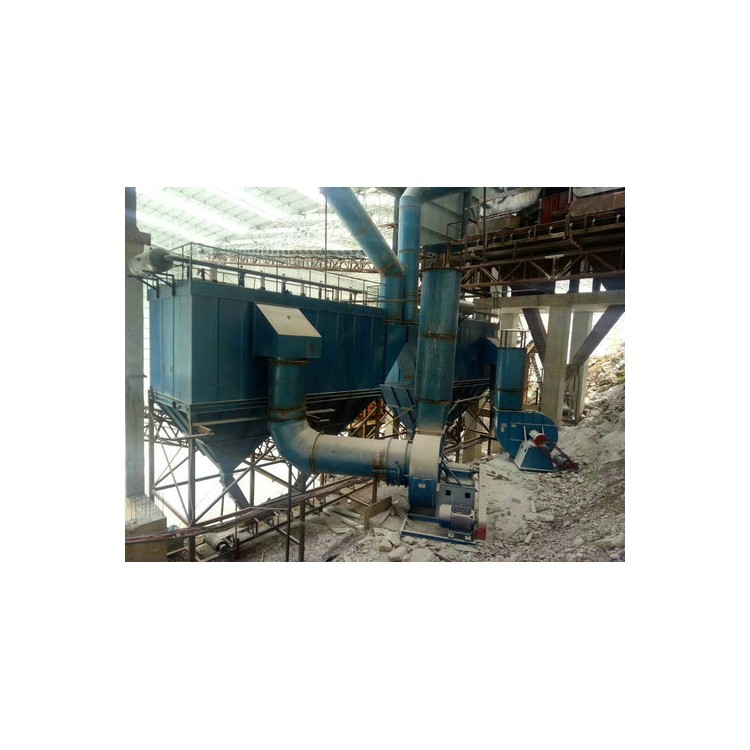
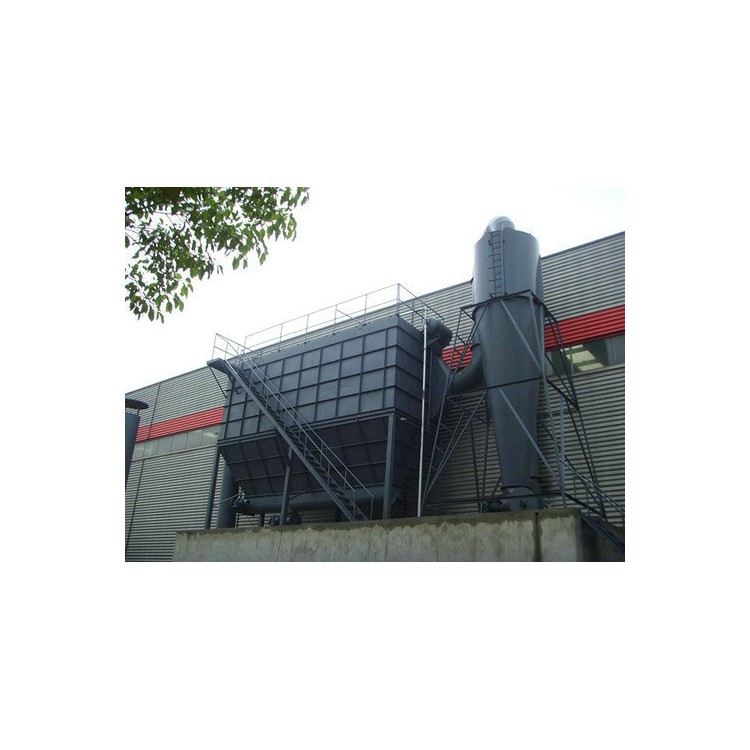
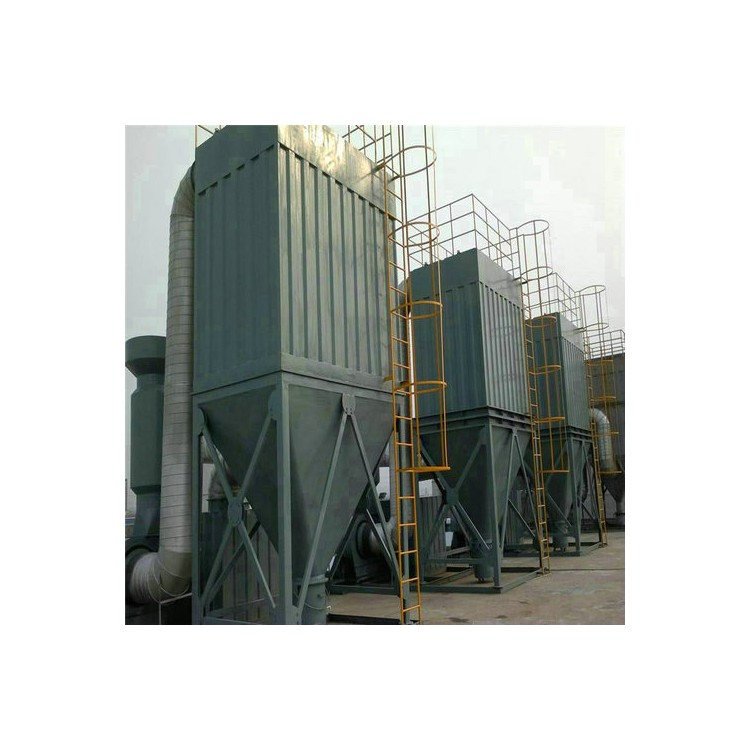
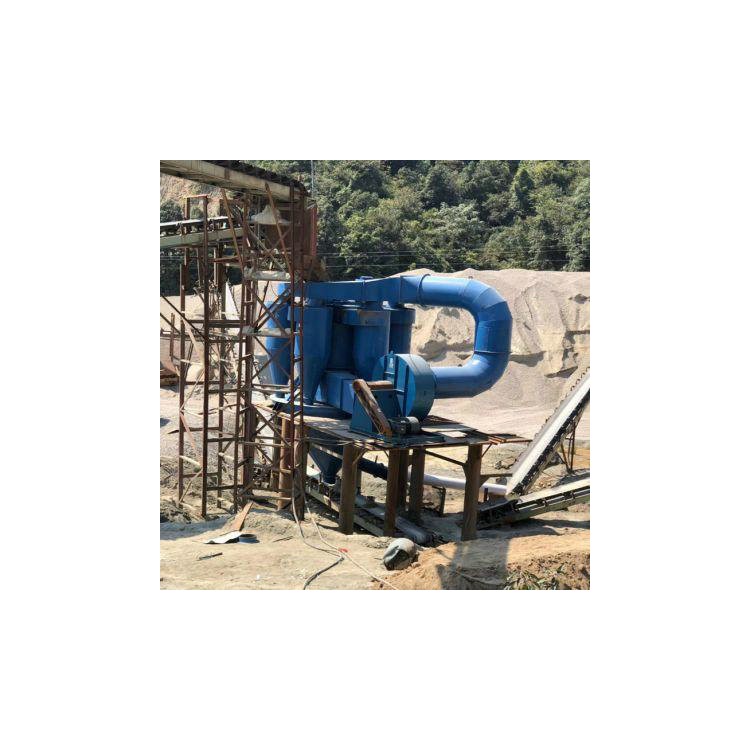
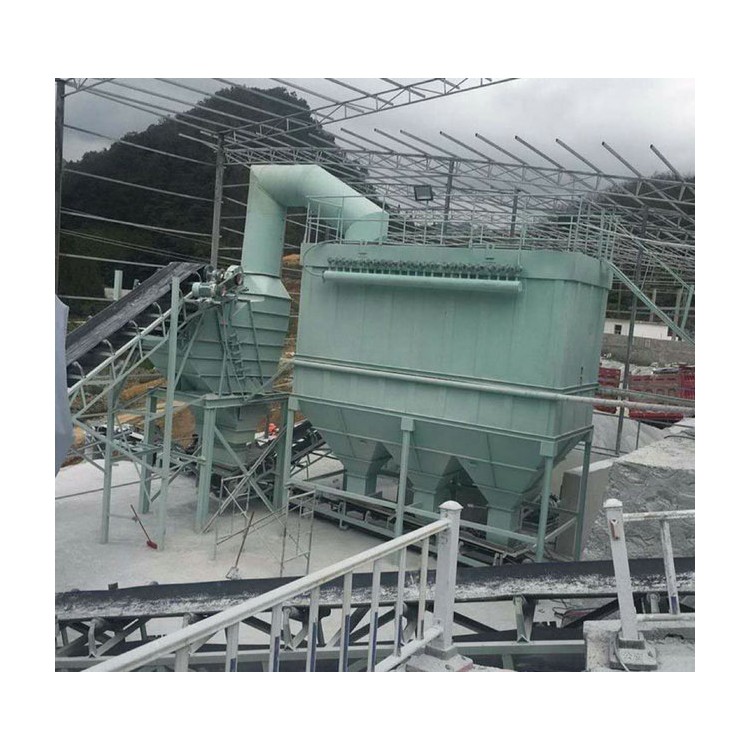
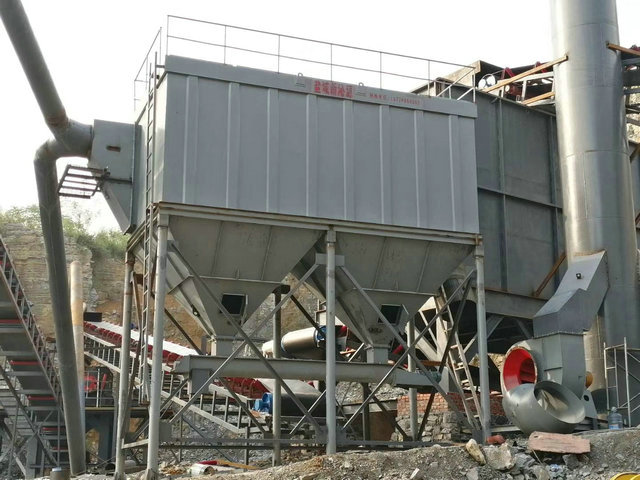
It is a dry dust-filtering device. After a period of use, due to effects such as screening, collision, retention, diffusion, and electrostatic forces, a layer of dust accumulates on the surface of the filter bag, which is known as the initial layer. In the subsequent operation, the initial layer becomes the main filtering layer of the filter material, allowing larger-pored filter materials to achieve high filtration efficiency through the initial layer's action. As dust accumulates on the surface of the filter material, the efficiency and resistance of the dust collector increase accordingly. When there is a significant pressure difference across the filter material, some fine dust particles attached to it may be squeezed through, reducing the efficiency of the dust collector. Additionally, an excessively high resistance in the dust collector can significantly decrease the airflow in the dust removal system. Therefore, it is necessary to clean the dust collector promptly once the resistance reaches a certain level. During cleaning, the initial layer must not be damaged to avoid a decrease in efficiency.
Baghouse Dust Collector Advantages:
High dust removal efficiency; the dust concentration at the dust collector outlet is within dozens of mg/m³, with a high separation efficiency for fine dust with sub-micron particle size.
⑵ Wide range of air volume handling, from as small as a few cubic meters per minute to tens of thousands of cubic meters per minute, suitable for industrial furnace flue gas dust removal and reduction of atmospheric pollutant emissions.
Structure simple, maintenance and operation easy.
④ At the same high dust removal efficiency, the cost is lower than that of an electrostatic precipitator.
When using high-temperature-resistant filter materials such as glass fiber and P84, they can operate under conditions of 200℃ or higher.
Not sensitive to dust characteristics; unaffected by dust and resistance.