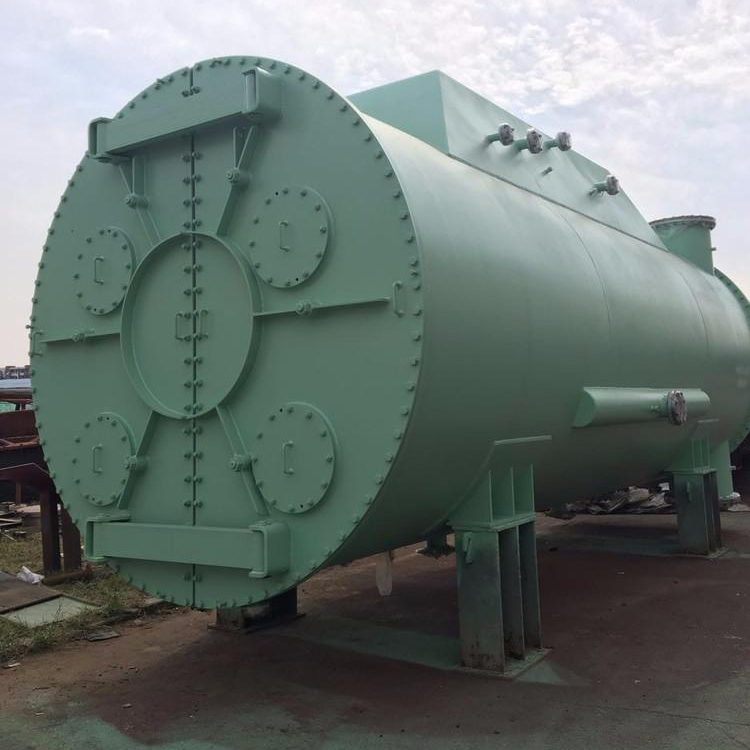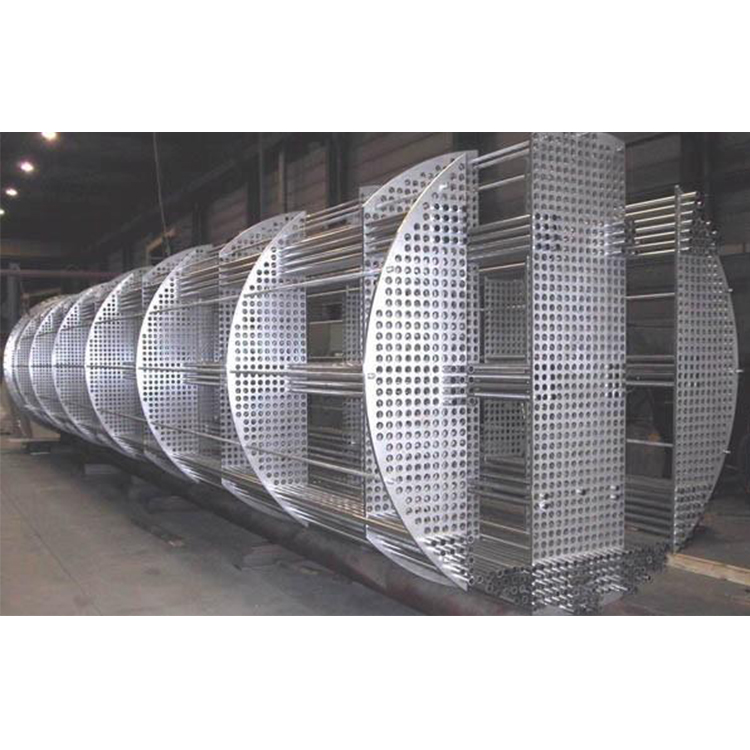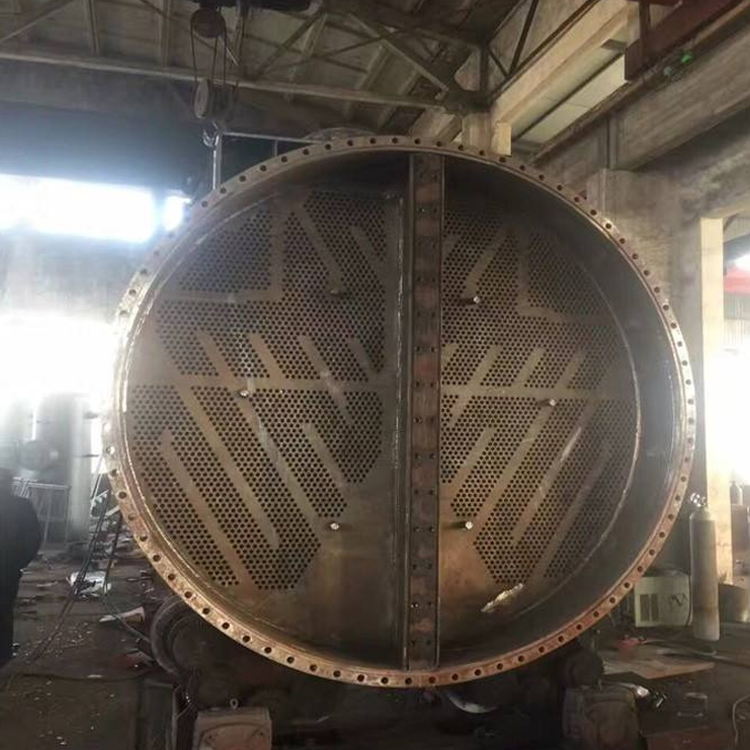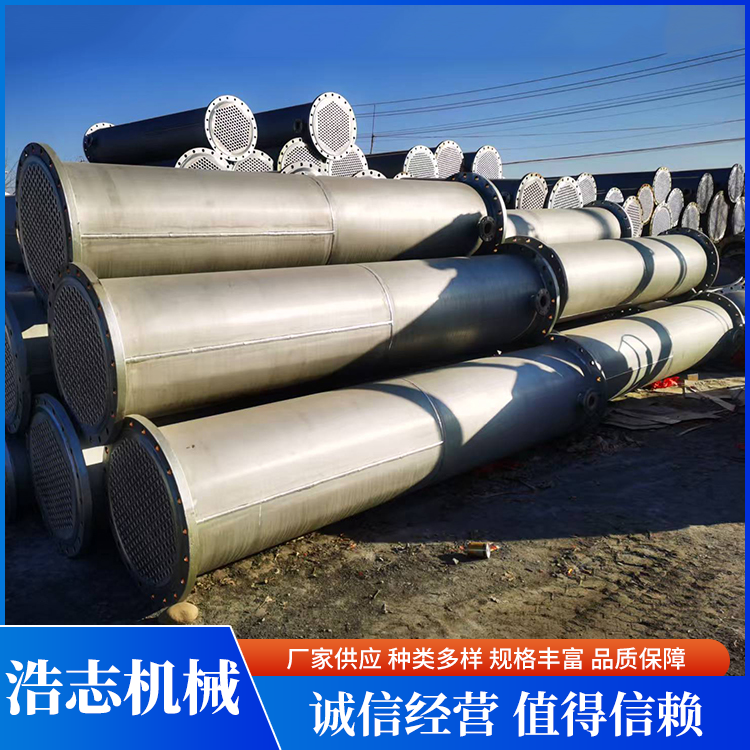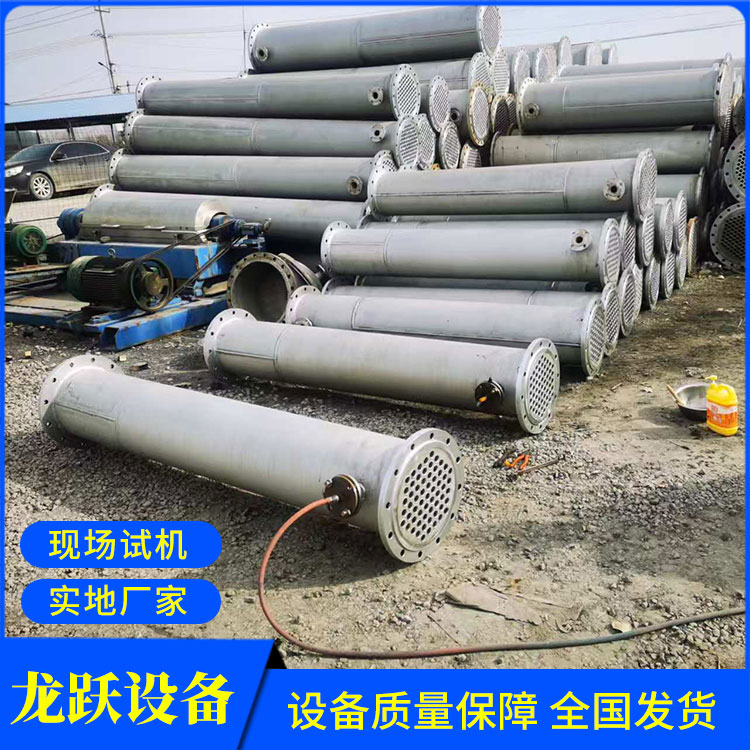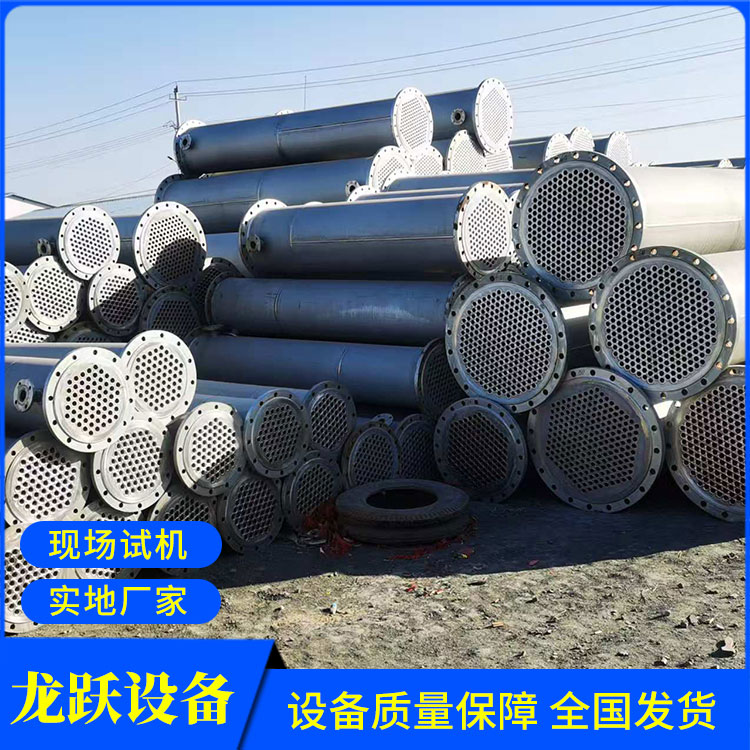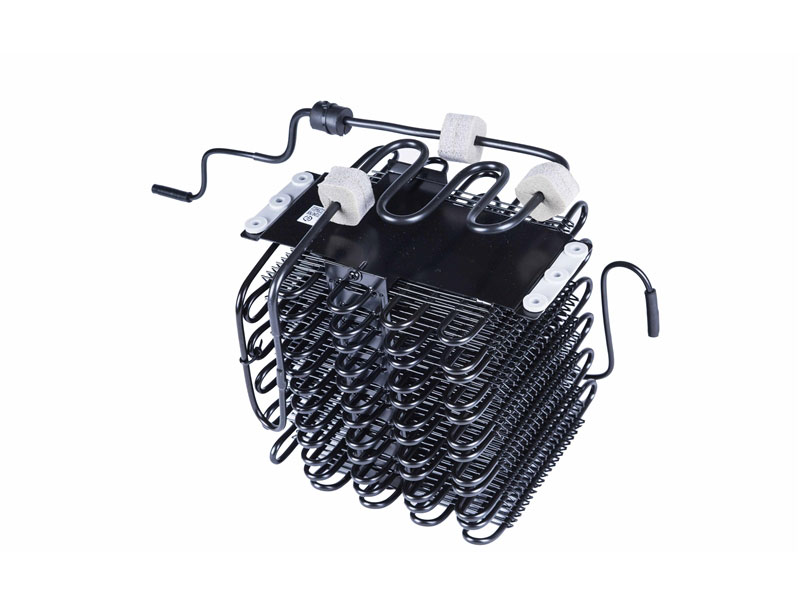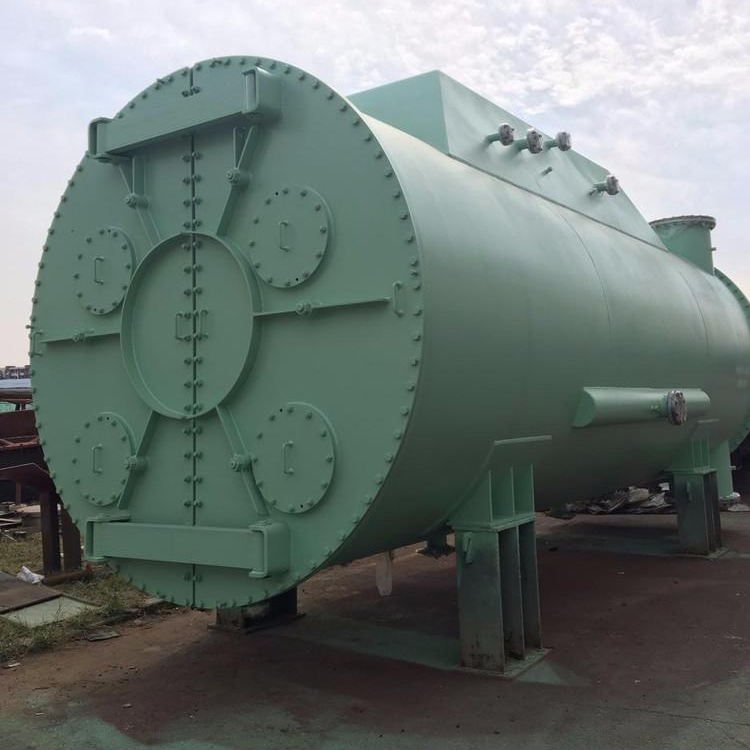




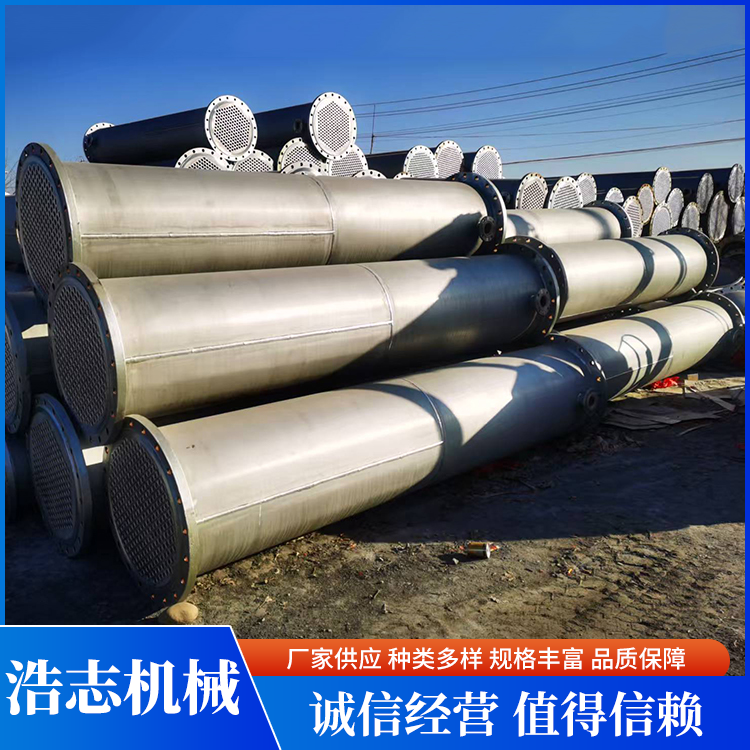
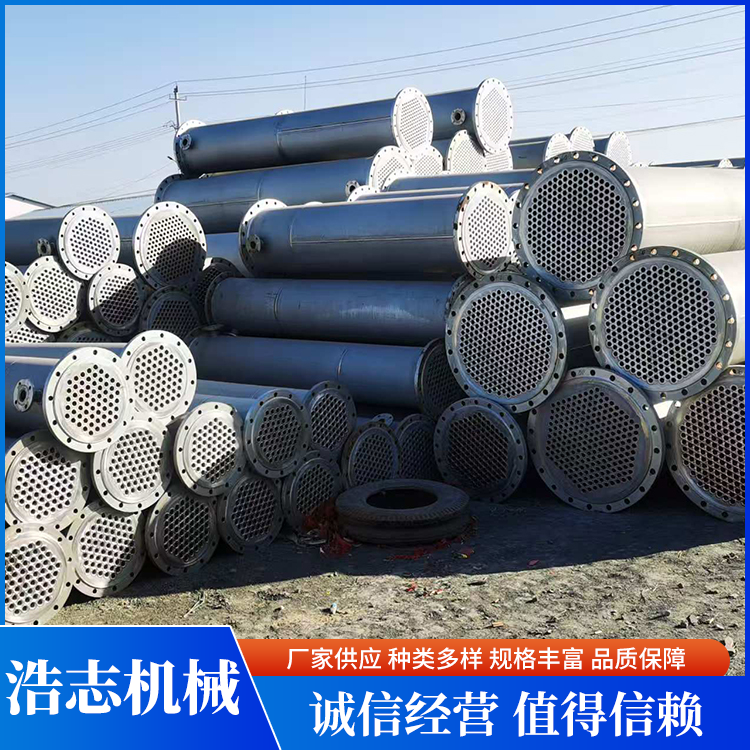
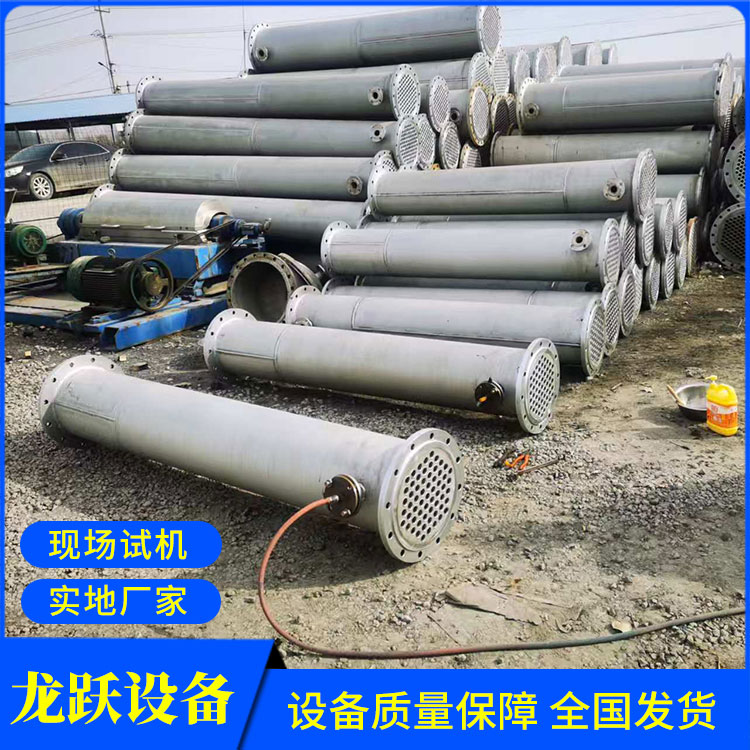





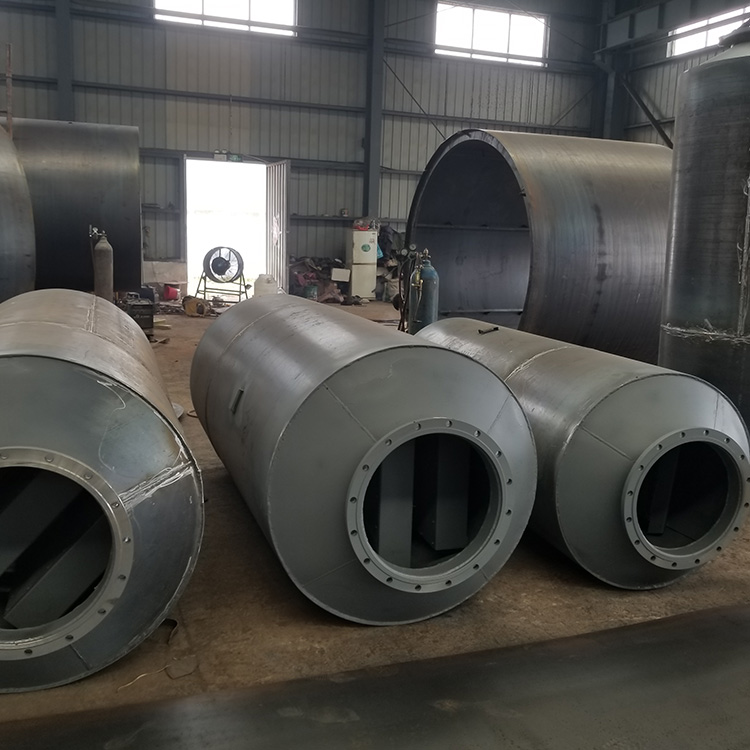

Condenser, a component of the refrigeration system and a type of heat exchanger, converts gases or vapors into liquids, quickly transferring the heat within the tubes to the surrounding air near the tubes. The condensation process is a heat-releasing process, thus the temperature of the condenser is usually high.
Power plants use numerous condensers to condense the steam emitted from turbines. In refrigeration plants, condensers are used to condense refrigerants like ammonia and freon. In the petrochemical industry, condensers are used to condense hydrocarbons and other chemical vapors. In the distillation process, the device that converts vapor into liquid is also called a condenser. All condensers operate by removing heat from gases or vapors.
Refrigeration system components, a type of heat exchanger, can convert gases or vapors into liquids, transferring the heat within the pipes to the surrounding air quickly. The condenser operates through a heat-releasing process, hence the condenser temperature is typically high.
Power plants use many condensers to condense the steam exhausted from turbines. In refrigeration plants, condensers are used to condense refrigerant vapors such as ammonia and Freon. In the petrochemical industry, condensers are used to condense hydrocarbons and other chemical vapors. In the distillation process, the device that converts vapor into a liquid is also called a condenser. All condensers operate by removing the heat from gases or vapors.
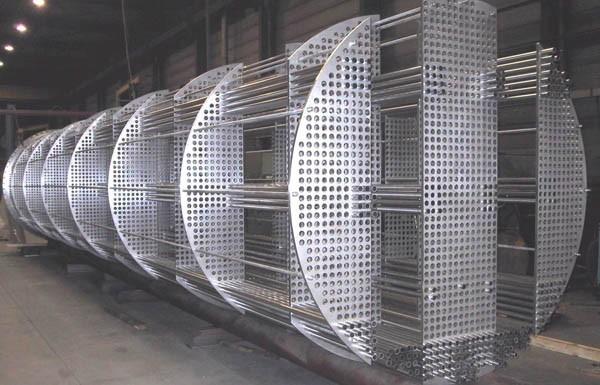
Principle:
The gas passes through a long tube (usually coiled into a helix), dissipating heat into the surrounding air. Metals like copper, with excellent thermal conductivity, are commonly used for steam transmission. To enhance the efficiency of the condenser, fins with superior heat conduction are often attached to the pipes, increasing the surface area for faster heat dissipation. A fan is used to accelerate air convection, carrying away the heat.
The cooling principle of most refrigeration units involves compressing the working fluid from a low-temperature, low-pressure gas into a high-temperature, high-pressure gas. This gas is then condensed into a medium-temperature, high-pressure liquid in the condenser. After passing through a throttle valve, it becomes a low-temperature, low-pressure liquid. This liquid is then sent to the evaporator, where it absorbs heat and evaporates into a low-temperature, low-pressure vapor. The vapor is then returned to the compressor to complete the refrigeration cycle.
A single-stage steam compression refrigeration system consists of four basic components: a refrigerant compressor, a condenser, a throttle valve, and an evaporator. These components are connected in sequence by pipes, forming a closed system. The refrigerant circulates continuously within the system, undergoing state changes and exchanging heat with the external environment.
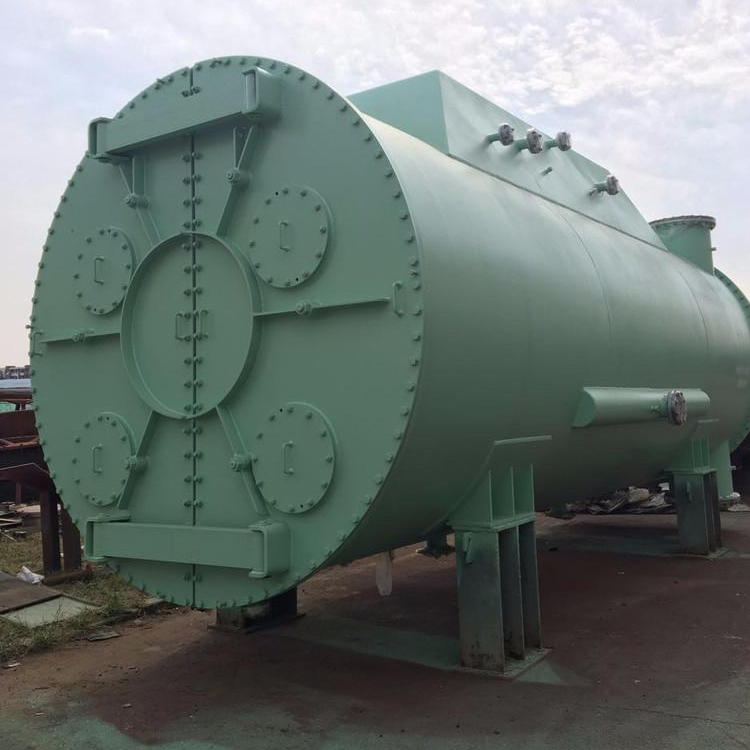
Composition:
In a refrigeration system, the evaporator, condenser, compressor, and throttle valve are the four essential components, with the evaporator being the device that transfers cooling capacity. The refrigerant absorbs heat from the cooled object to achieve refrigeration. The compressor acts as the heart, responsible for吸入, compressing, and transferring refrigerant vapor. The condenser is a device that releases heat, transferring the heat absorbed by the evaporator and the heat converted by the compressor's work to the cooling medium for removal. The throttle valve provides throttling and pressure reduction for the refrigerant, while also controlling and regulating the flow of refrigerant liquid into the evaporator and dividing the system into high and low pressure sides. In actual refrigeration systems, in addition to the above four components, there are often auxiliary devices such as solenoid valves, distributors, desiccators, heat exchangers, fusible plugs, and pressure controllers, which are set up to enhance operational economy, reliability, and performance.
Air conditioners can be categorized into two types based on condensation form: water-cooled and air-cooled. They can also be classified according to their intended use.
Available in single-cooling and cooling-heating models, whichever type is chosen, it is assembled from the following main components.
The necessity of a condenser is based on the second law of thermodynamics—the spontaneous flow of internal thermal energy within a closed system is unidirectional, meaning it can only flow from high heat to low heat, and microscopically, it appears as the micro-particles carrying thermal energy can only transition from ordered to disordered. Therefore, for a heat engine to do work while inputting energy, energy must also be released downstream, so that there is a thermal energy difference between the upstream and downstream, making the flow of thermal energy possible and allowing the cycle to continue.
So, to make the carrier work again, you must first release all the unused thermal energy completely, and that's when a condenser comes into play. If the ambient thermal energy is higher than the temperature within the condenser, manual work is needed to cool the condenser down (usually through the use of a compressor). After condensation, the fluid returns to a high-order, low-thermal-energy state, ready to work again.
The selection of condensers involves choosing the type and model, as well as determining the flow rate and resistance of the cooling water or air passing through the condenser. The choice of condenser type should consider local water sources, water temperature, climatic conditions, the total cooling capacity of the refrigeration system, and the layout requirements of the refrigeration room. With the condenser type determined, calculate the heat transfer area based on the condensation load and the heat load per unit area of the condenser, to select the specific condenser model.
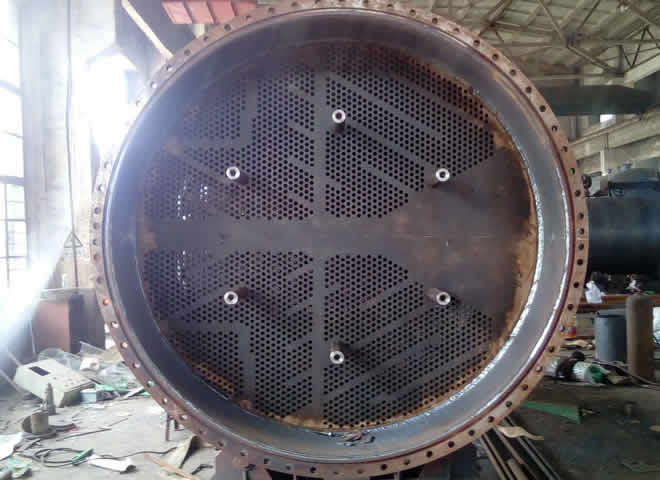
Categories:
Steam Condenser
Steam condensers are commonly used for condensing the secondary steam from the final effect of a multi-effect evaporator, as well as controlling the vacuum level of the final effect evaporator. Example (1): Spray-type condensers, where cold water is sprayed into the upper nozzle and steam enters from the side. After sufficient contact with the cold water, the steam condenses into water and flows downward through the pipes, with some non-condensable gases possibly being carried out. Example (2): Filled-type condensers, where steam enters through side pipes and comes into contact with cold water sprayed from above. The condenser is filled with porcelain ring packing, which, when wetted by water, increases the contact area between cold water and steam. The condensed steam flows out through the lower pipes, while non-condensable gases are drawn out through the upper pipes by a vacuum pump to maintain a certain vacuum level within the condenser. Example (3): Rinsing plate or sieve plate condensers, designed to increase the contact area between cold water and steam. Mixed-type condensers have the advantages of simple structure, high thermal efficiency, and easier solutions to corrosion issues.
Boiler Condenser
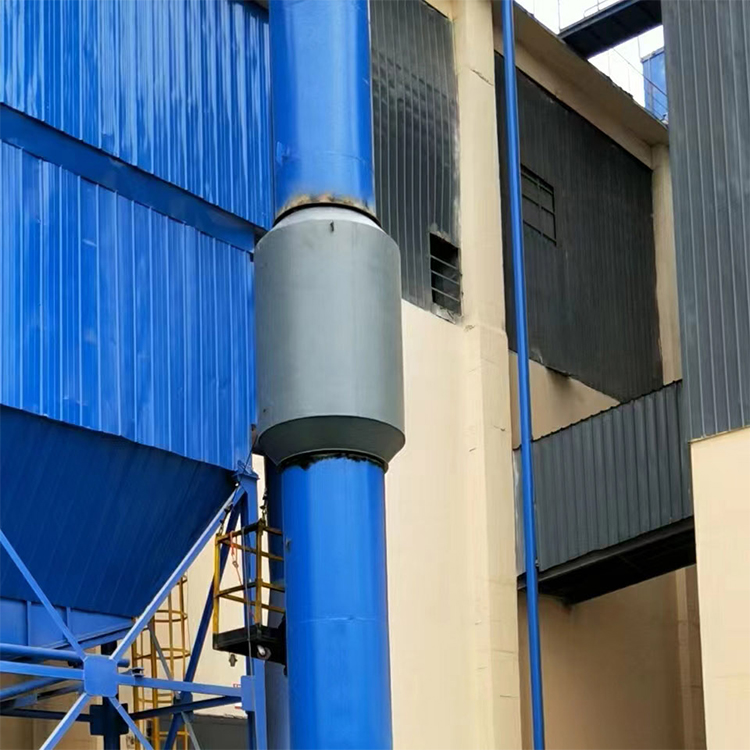
Boiler condensers, also known as flue gas condensers, can significantly reduce production costs, lower the flue gas temperature of the boiler, and enhance its thermal efficiency after being used in the boiler. This ensures the boiler operates in compliance with national energy conservation and emission reduction standards.
Energy conservation and emission reduction is a key and core aspect of China's "11th Five-Year Plan" for transforming the economic development model. It is an important symbol for implementing the scientific development concept and achieving both good and rapid economic growth. Special equipment, as major energy consumers, are also significant sources of environmental pollution. The task of enhancing energy conservation and emission reduction in special equipment is arduous. The "11th Five-Year Plan for National Economic and Social Development" sets a binding target of reducing energy consumption per unit of GDP by about 20% and reducing the total emissions of major pollutants by 10%. The boiler, known as the "heart" of industrial production, is a major consumer of energy. Special equipment mainly refers to heat exchange equipment in boilers and pressure vessels.
The "Regulation for Supervision and Management of Energy-saving Technology for Boilers" (hereinafter referred to as the "Regulation") came into effect on December 1, 2010. It stipulates that the exhaust gas temperature of boilers shall not exceed 170°C, and the thermal efficiency of energy-saving gas boilers shall reach above 88%. Boilers that do not meet the energy efficiency standards cannot be registered for use.
In traditional boilers, after fuel is burned, the exhaust gas temperature is relatively high, and the water vapor in the flue gas remains in a gaseous state, carrying away a significant amount of heat. In various fossil fuels, natural gas contains approximately 20% to 25% hydrogen by mass. Therefore, the flue gas contains a large amount of water vapor. Calculations show that burning 1 square meter of natural gas can carry away heat equivalent to 4000 KJ, which is more than 10% of its high calorific value.
Flue Gas Condensation Waste Heat Recovery Unit, utilizing cooler water or air to cool flue gas, achieving a reduction in flue gas temperature. Near the heat exchange surface, water vapor in the flue gas condenses, simultaneously releasing sensible heat from the flue gas and latent heat from the condensation of water vapor. The water or air within the heat exchanger absorbs heat and gets heated, thereby realizing heat recovery and improving the boiler's thermal efficiency.
Boiler thermal efficiency improvement: The theoretical flue gas volume produced by 1 cubic meter of natural gas combustion is about 10.3 cubic meters (approximately 12.5 kg). For an excess air ratio of 1.3, the flue gas volume produced is 14 cubic meters (about 16.6 kg). Assuming a flue gas temperature reduction from 200 to 70 degrees Celsius, the physical latent heat released is approximately 1600 KJ. With a steam condensation rate of 50%, the latent heat of vaporization released is about 1850 KJ, totaling 3450 KJ, which is about 10% of the lower heating value of natural gas. If 80% of the flue gas enters a heat recovery unit, the thermal efficiency can be increased by over 8%, saving nearly 10% of natural gas fuel.
Split-configuration, with diverse installation options for flexibility and reliability.
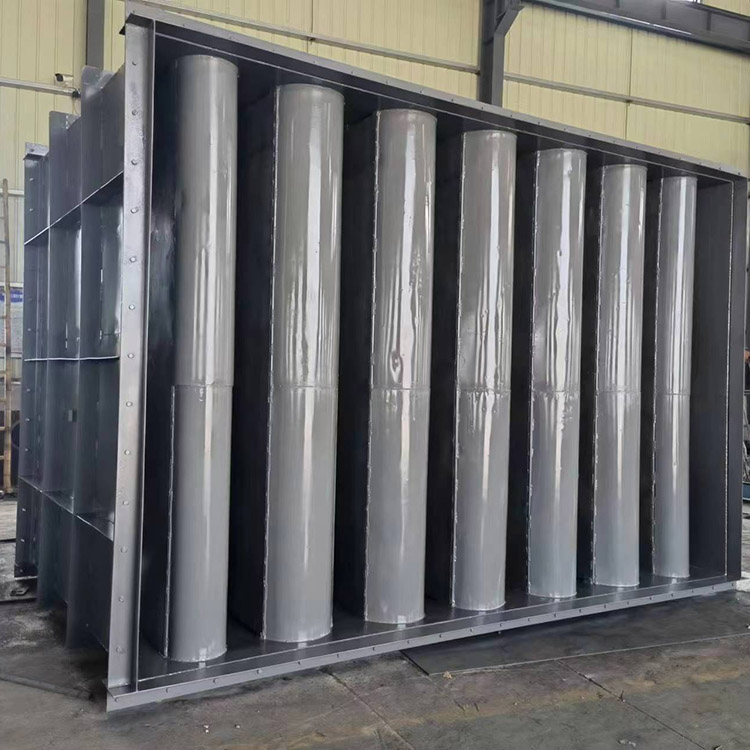
Helical finned tubes serve as heat surfaces, offering high heat exchange efficiency, ample heating surface, and low pressure drop on the flue gas side, meeting the requirements of standard burners.