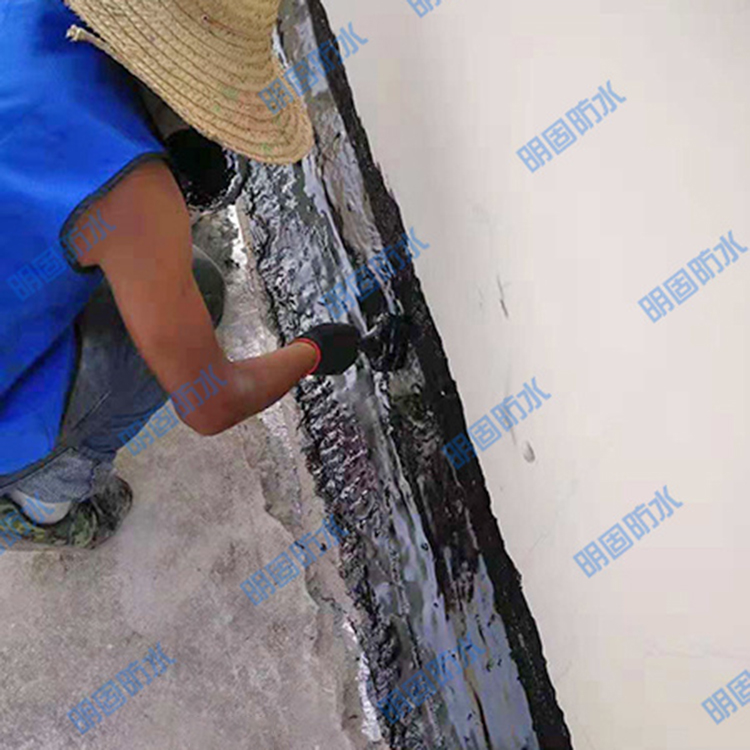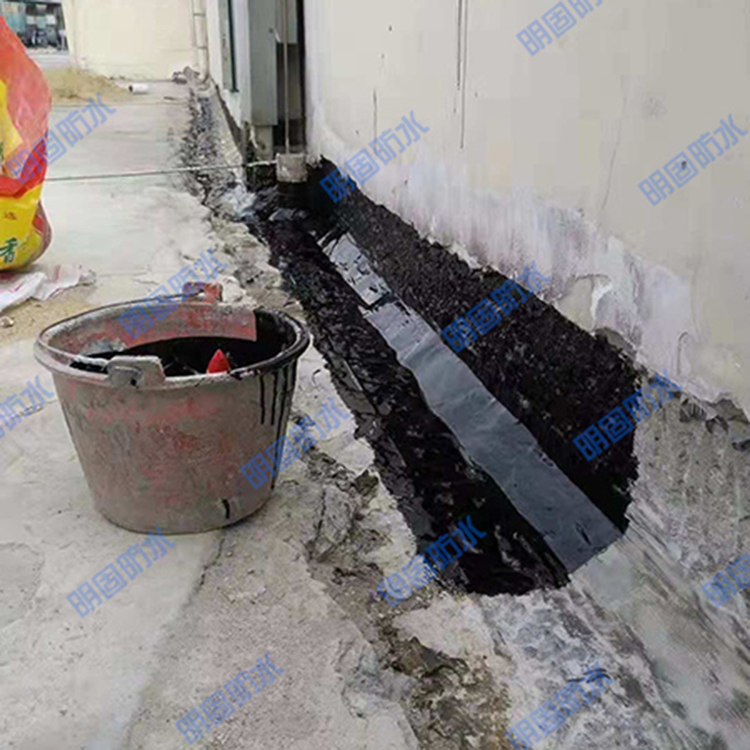


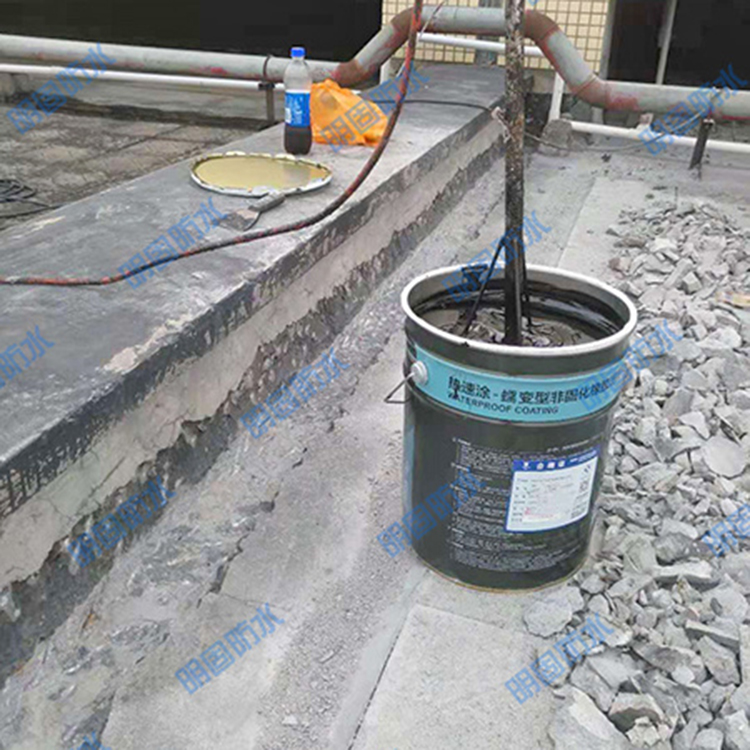







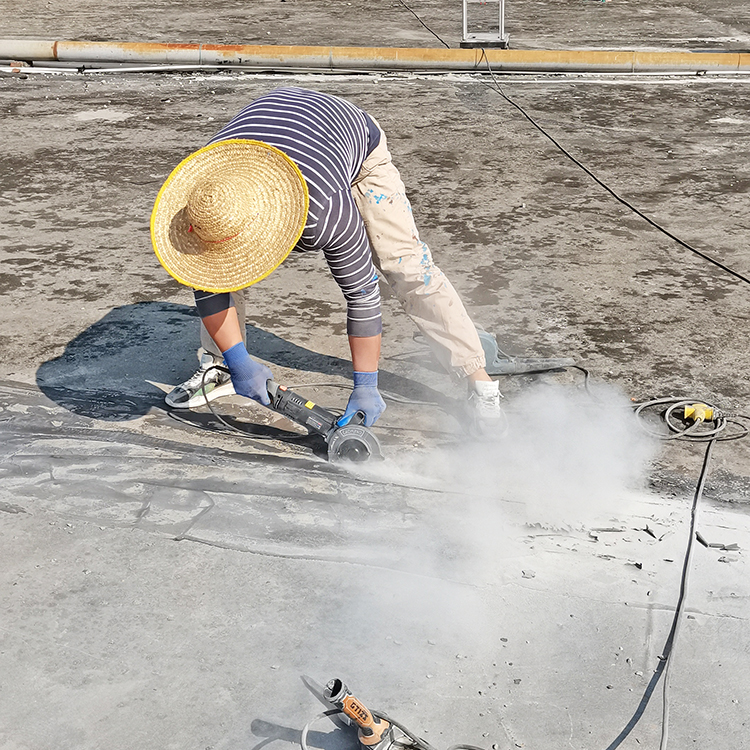
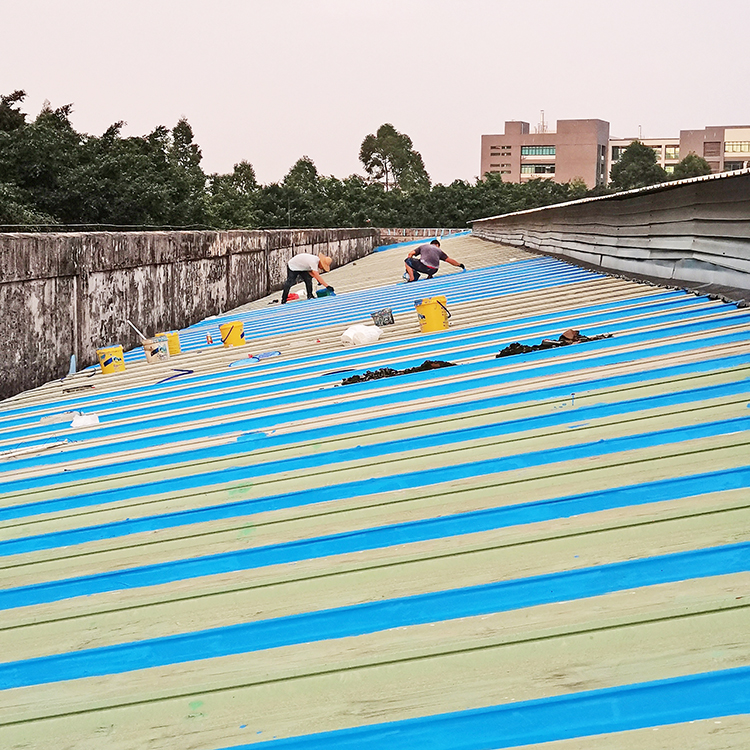
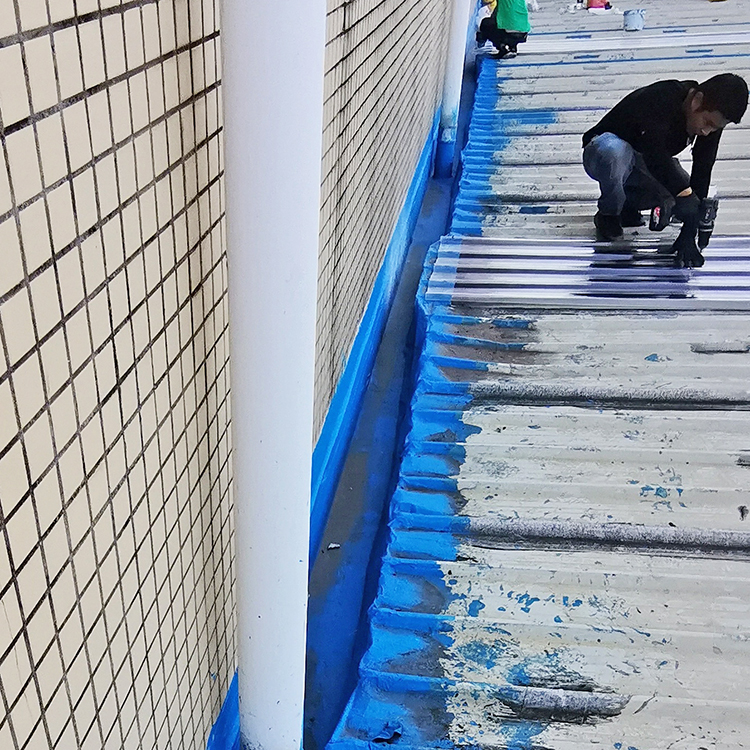

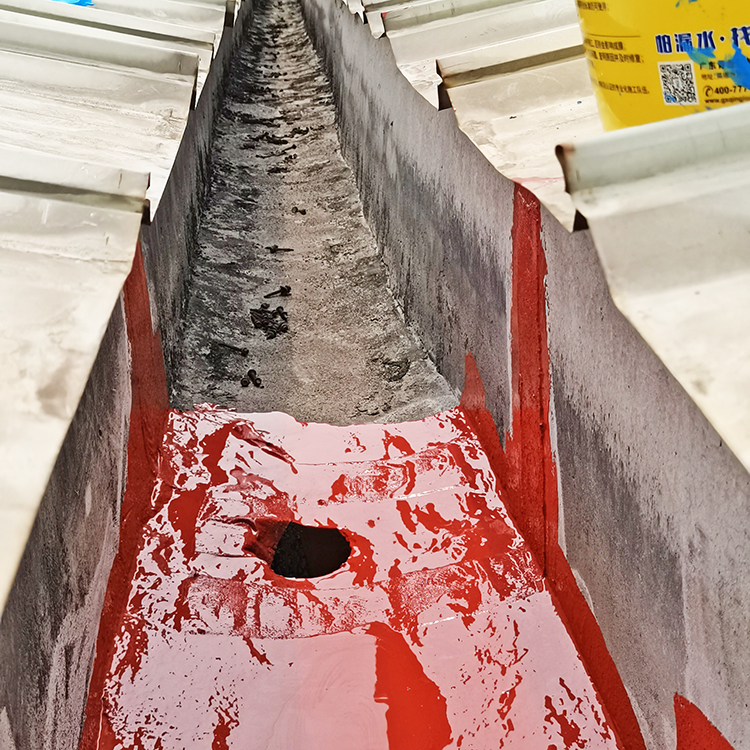
Floor Expansion Joint Leak Analysis Diagram

Analysis of common causes for leakage at expansion joints:
1. Inadequate Waterproof Design: The waterproof design of the expansion joints is overly simplistic, failing to meet the expansion requirements. Selection of Waterproof Sealant Material: Initially, the waterproof sealant material was a standard type of sealant, which had low resistance to aging and expansion, leading to the aging and cracking of the waterproof layer. The exposed ends of the waterproof layer are subjected to long-term high temperatures and direct sunlight, causing thermal expansion and contraction due to temperature differences, which easily leads to aging and separation from the base surface, resulting in the loss of waterproofing effectiveness. Consequently, most roof leaks are particularly prominent.
2. The waterproof design of the expansion joint is too simple, resulting in failure to meet the expansion requirements. Rainwater, under the force of wind pressure, washes over the damaged ends of the waterproof layer, seeps into the waterproofing and leaks into the lower space.
3. Rain infiltrates the waterproofing layer over time through cracks or separation gaps in the thermal insulation ground, seeping into the layer and remaining saturated. Water then enters through unsealed or cracked joints at the overlaps of the waterproofing layer and at pipe roots or weak points, and due to defects in the layered subcontracting after the waterproofing layer is completed. During the installation of the thermal insulation layer, damage to the waterproofing layer is inevitable, allowing water to seep through cracks and breaches, forming long-term internal water accumulation within the waterproofing layer. This leads to minor leaks during rainy weather and significant leaks after sunny days.
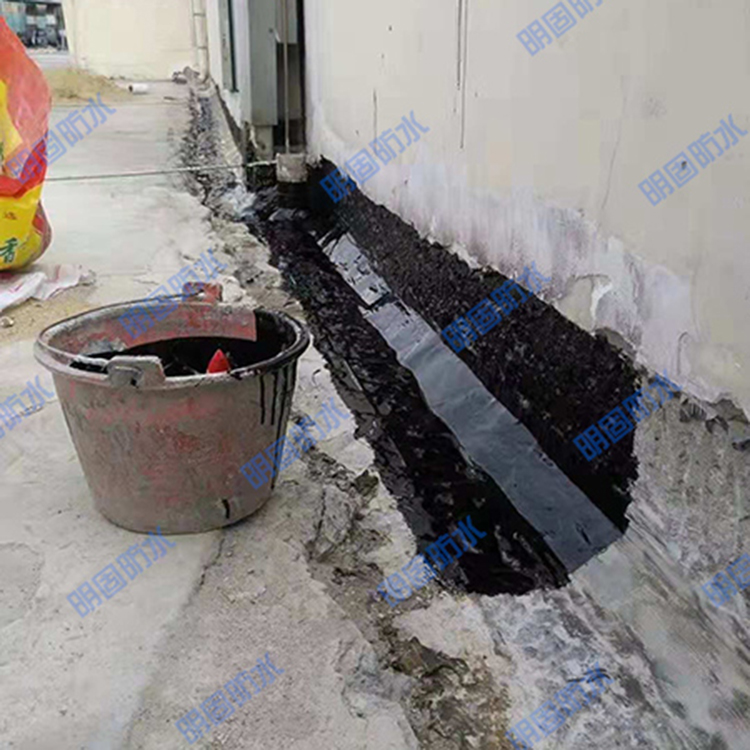
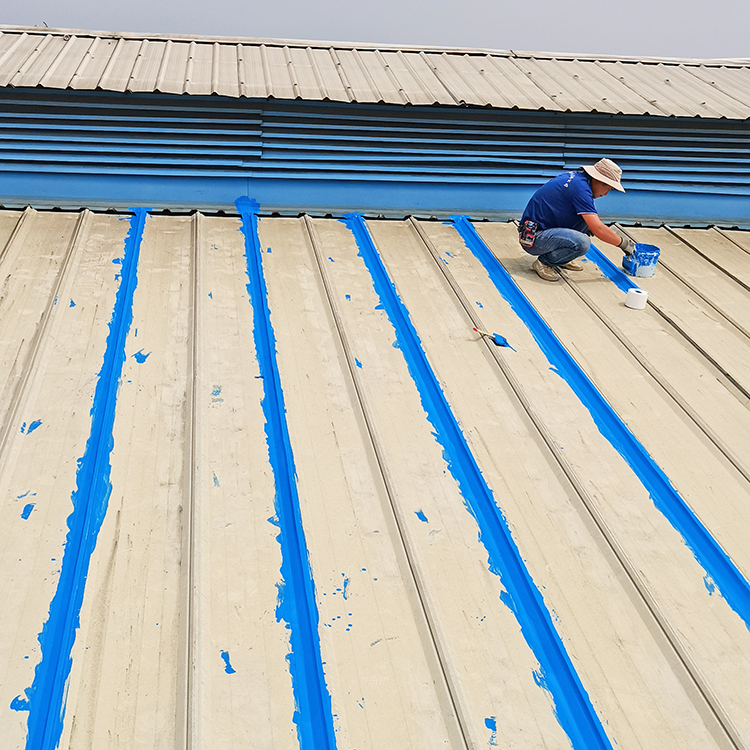
Expansion joint waterproof reinforcement structure diagram

Expandable Joint Waterproof Reinforcement Solution Features
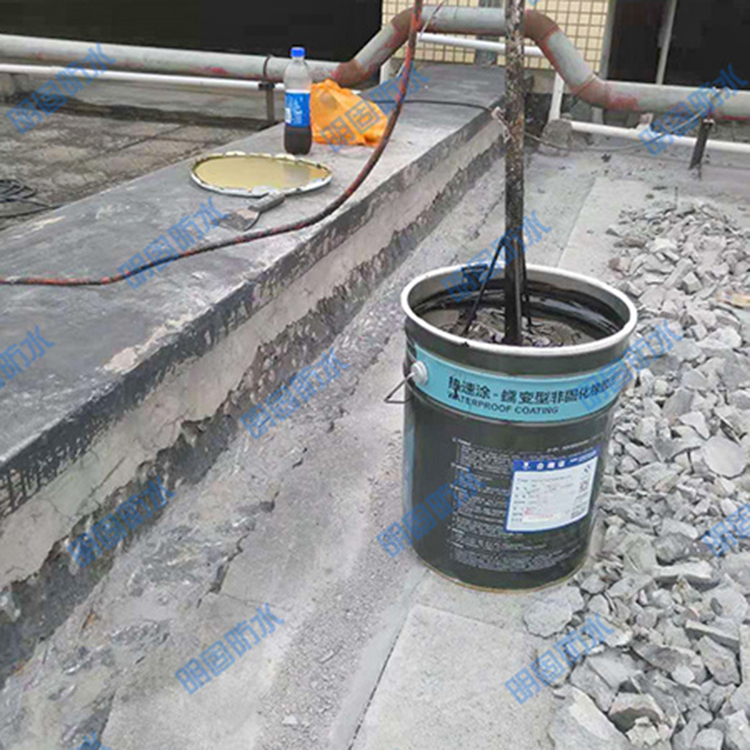
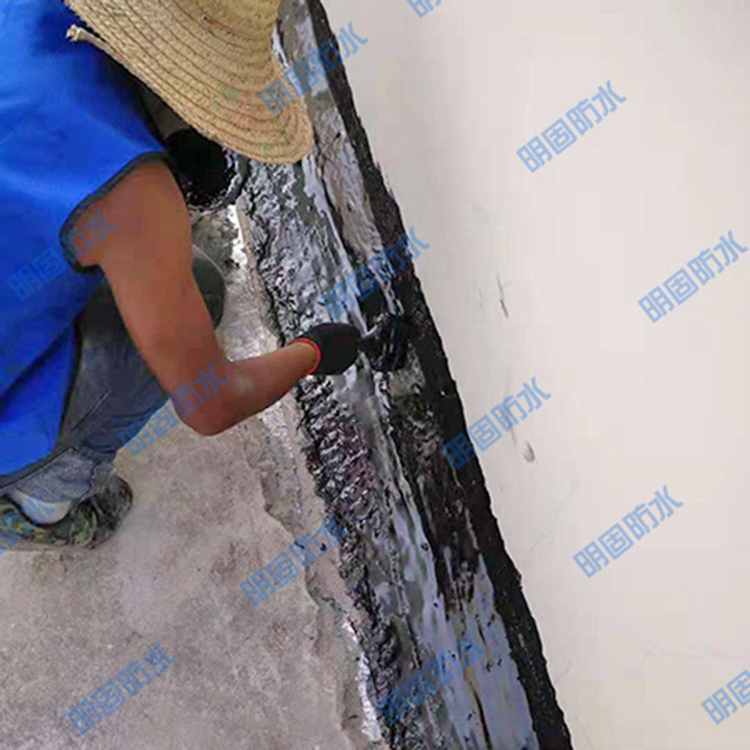
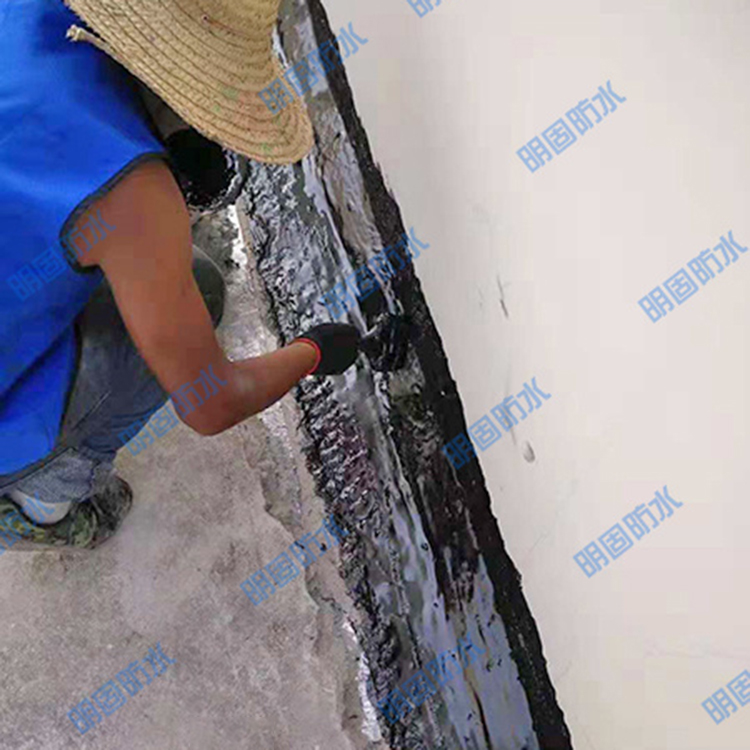
Expansion joint waterproof reinforcement construction plan matches waterproof materials to the structural layer defects and construction environment. The root angle of the expansion joint vertical wall and cracks and voids in the floor base surface are treated with堵漏灵 for rigid reinforcement. The rigid waterproofing layer is formed into an arc shape, and a non-curing rubber waterproofing layer is applied to the floor and the base surface of the vertical wall. The chemical reaction, combined with physical adsorption, forms a rigid-flexible waterproof bonding that is firmly attached, eliminating stress generated by changes in the base layer of the expansion joint vertical wall. This allows the creep-type non-curing rubber waterproofing layer to have sufficient tensile strength to effectively resist the destruction of external stresses.