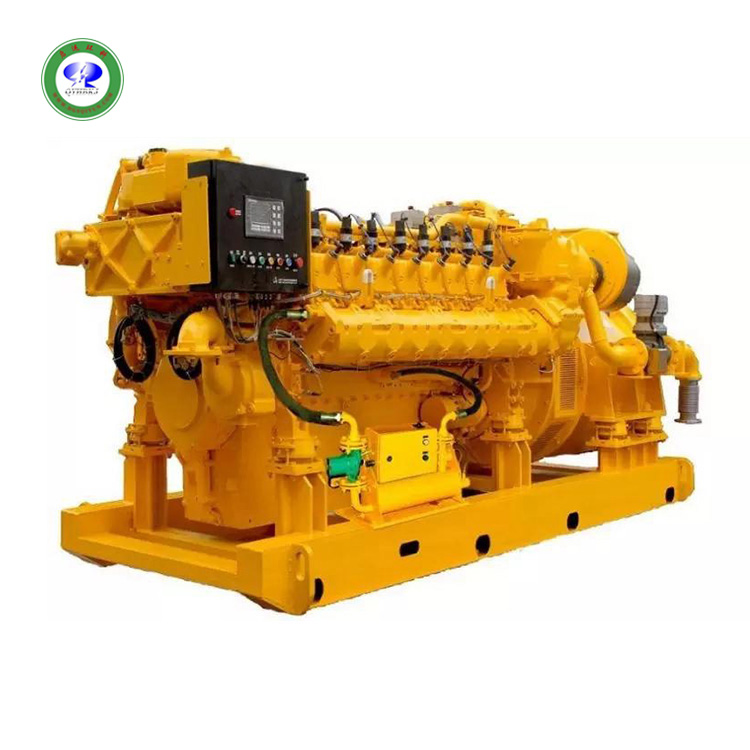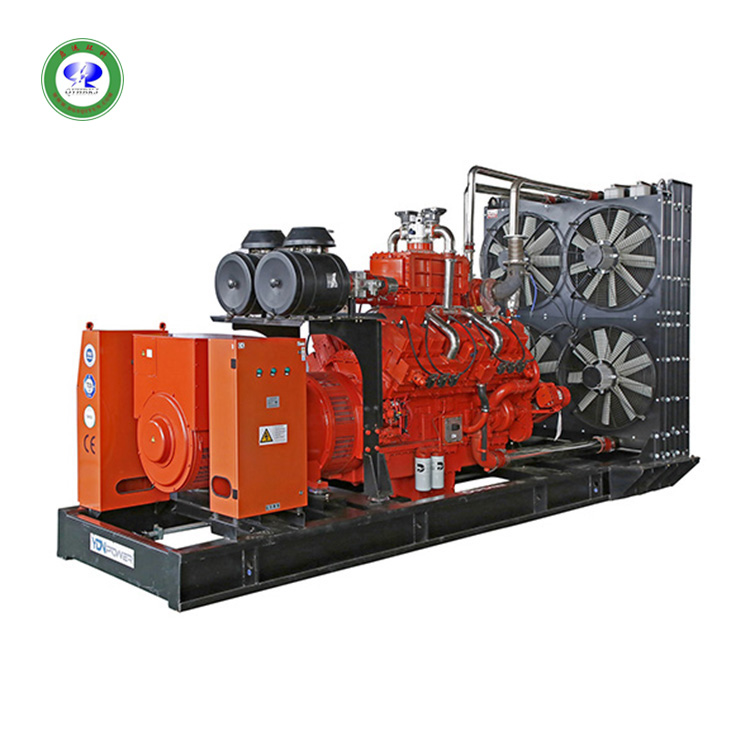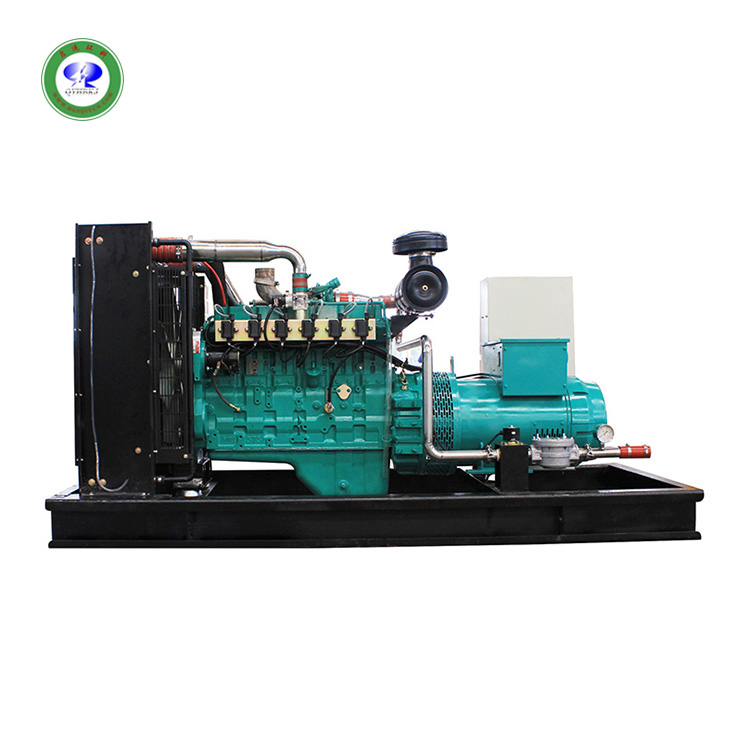

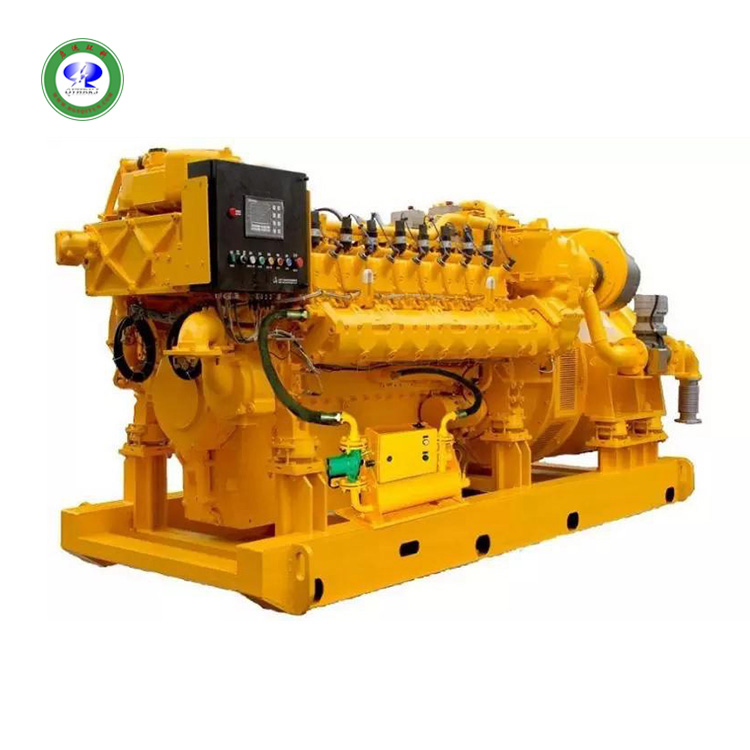












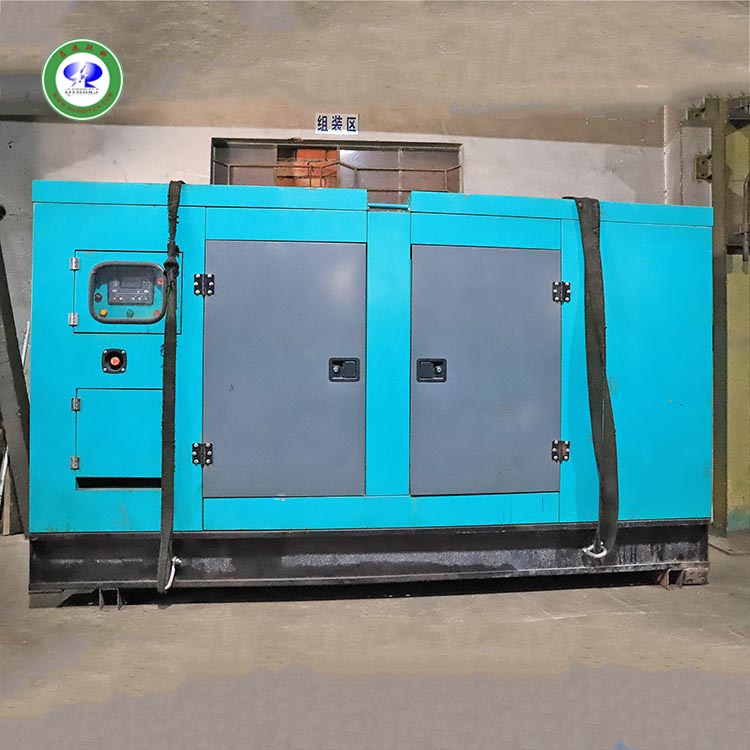
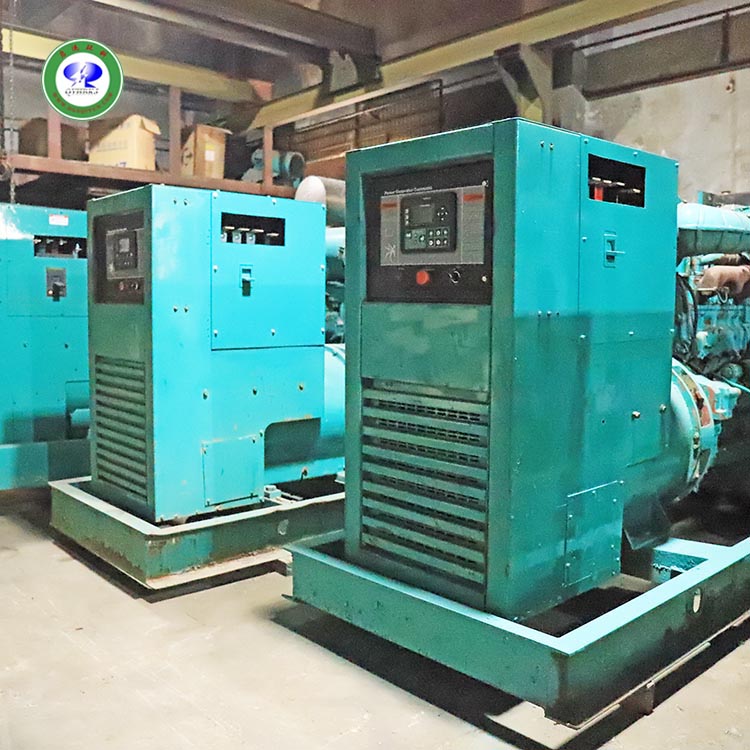

Gasoline generators fully utilize various gases or harmful gases as fuel, turning waste into treasure, ensuring safe and convenient operation, high cost-effectiveness, low emissions, and are suitable for combined heat and power generation, etc., with a promising market prospect.
China boasts abundant natural gas resources. Compared to the country's vast natural gas reserves, the proportion of natural gas in China's primary energy consumption is relatively low, indicating significant potential for substantial growth in the future.
In China, due to the influence of gas supply, gas power generation is still in its initial stage. Large-scale gas power generation as distributed energy stations is yet to come. Small-scale gas power generation is mainly found in oilfields, gas fields, as well as airports, hotels, etc. It is expected that with increasingly sufficient gas supply and expanding supply areas, gas power generation will experience rapid development in the coming years.
Advantages:
The gas-powered generator set boasts a wide range of output power, reliable start-up and operation, high-quality electricity generation, light weight, compact size, simple maintenance, and low-frequency noise. Generally, they have the following four advantages:
I. Excellent power generation quality
Due to the generator set's operation being solely rotational, the electronic control responds quickly, ensuring exceptional stability. The generator's output voltage and frequency are highly precise with minimal fluctuations. Under sudden 50% and 75% load changes, the set operates extremely stably, outperforming the electrical performance indicators of diesel generator sets.
2. Excellent starting performance, high success rate of starting
After successful cold start, it takes only 30 seconds to reach full load, whereas international regulations stipulate that a diesel generator must be loaded within 3 minutes of successful start-up. Gas turbine generator sets can ensure successful start-up in any environmental temperature and climate.
Low noise and minimal vibration
Due to the gas turbine's high-speed rotating state, its vibration is extremely low, and its low-frequency noise is superior to that of diesel generator sets.
Four, the flammable gas used is a clean, inexpensive energy source.
Such as natural gas, Platycodon gas, etc., power generation sets fueled by these not only operate reliably and at low cost, but also convert waste into treasure and do not produce pollution.
Noise Abatement:
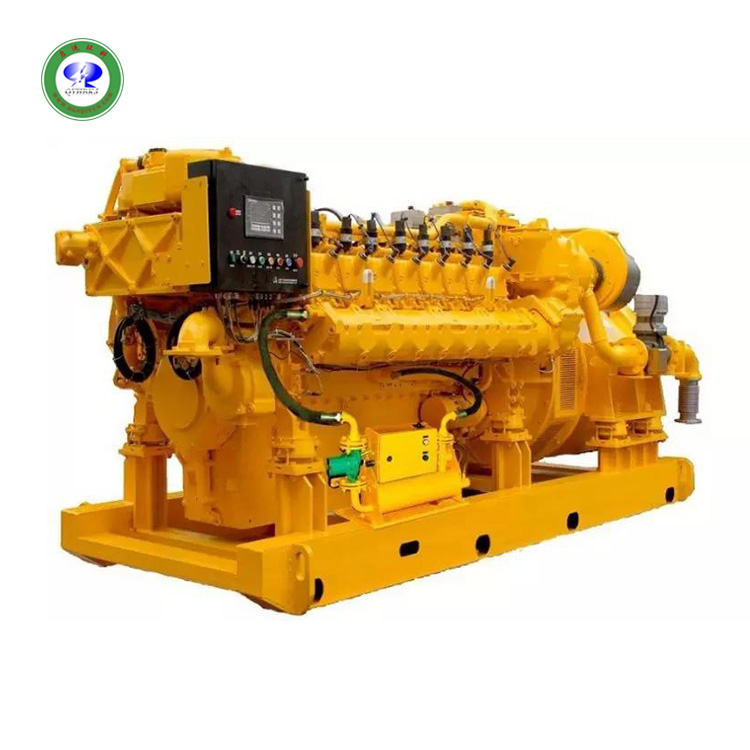
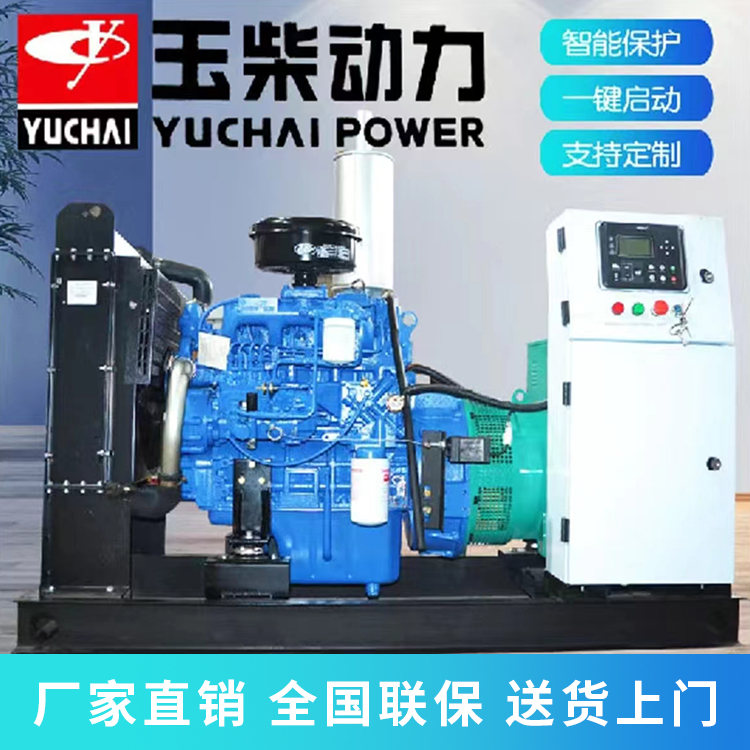
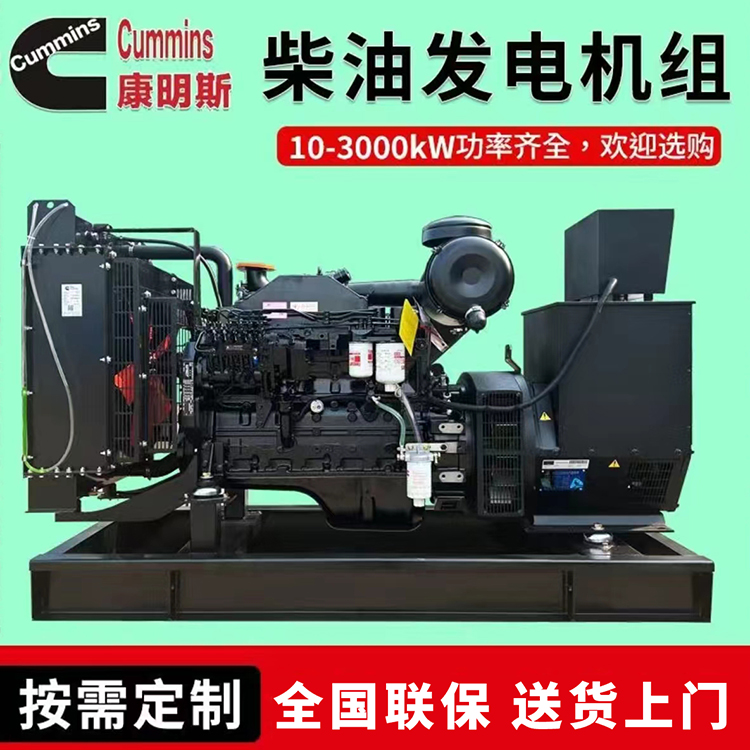
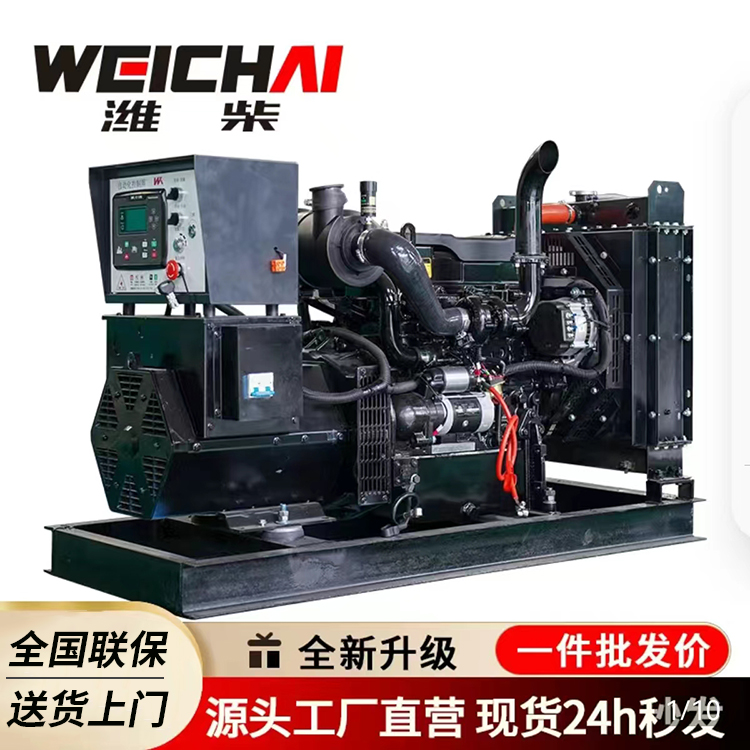
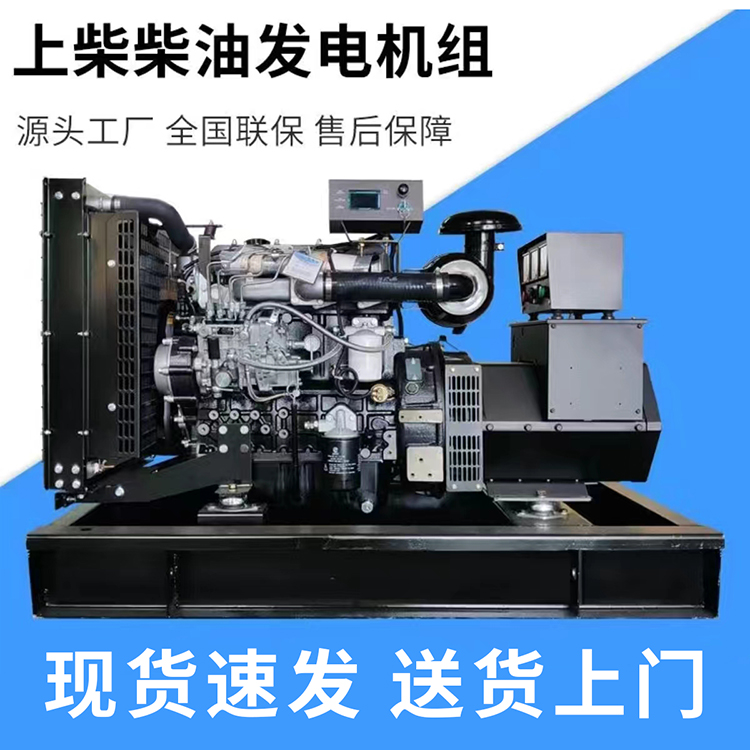
The gas power generation set consists of a gas engine, a generator, a control cabinet, and other components, with the gas engine and generator mounted on the same steel chassis. The set runs on combustible gases such as natural gas, associated gas from oil wells, coal mine gas, water gas, refining and chemical tail gas, coke oven gas, and blast furnace gas, offering rapid start-up and good economy. Particularly due to the demand for high-quality urban living, gas power generation sets are widely used in telecommunications, post offices, banks, libraries, hotels, and other departments as backup power sources. Early gas power generation sets were designed for mine conditions, and the noise generated during operation is generally 95~110 dB(A). The GB 3096-93 urban area environmental noise standard strictly regulates noise levels in urban areas, with 60 dB(A) during the day and 50 dB(A) at night for Class 2 areas (residential, commercial, and industrial mixed zones), and 55 dB(A) during the day and 45 dB(A) at night for Class 1 areas (residential and cultural and educational institutions). The noise generated during operation of the sets causes severe noise pollution in urban environments, affecting people's normal work and life, and limiting the widespread application of gas power generation sets. This article proposes a set of rectification measures for the noise pollution problem of gas power generation sets, aiming to reduce the noise of the sets and promote the widespread application of gas power generation sets.
1. Source Analysis
Gas engine noise is the primary source of noise in gas generator sets. Gas engine noise can be categorized into aerodynamic noise, combustion noise, mechanical noise, exhaust noise, and vibration noise. Aerodynamic noise primarily includes air vibration noise caused by intake and exhaust, as well as fan rotation, which directly spreads into the air. The pressure vibrations formed by combustion inside the cylinder, radiating outward through the cylinder head and the body, are called combustion noise. The impact noise from the piston striking the cylinder sleeve, and the impact vibrations from moving parts such as the valve train and injection system, are collectively termed mechanical noise. During operation, exhaust gases are ejected at high speed from the exhaust valve, flow through the exhaust manifold into the muffler, and then are released into the atmosphere through the tailpipe. Exhaust noise is the main noise source of the engine, typically around 15 dB(A) louder than the engine's main noise, followed by combustion noise, mechanical noise, fan noise, and intake noise.
2. Modified Design
Based on the working principle of gas-powered generator sets, it's difficult to reduce the noise at the source, so the primary approach is to effectively block the noise propagation paths. The core of the noise reduction technology is to utilize the natural attenuation of sound waves during transmission to reduce the noise pollution area. Specific methods to lower noise include: absorption, insulation, and altering the direction of noise propagation. In practical engineering applications, often only one method is used. This article adopts a combined approach using all three methods and proposes a new integrated noise reduction technology for gas-powered generator sets.
Combination muffler
The original silencer primarily relied on resistive noise reduction, resulting in high power consumption and unsatisfactory noise reduction. After careful consideration, we have transformed it into a new, combined-type silencer using three-tier noise reduction technology. The main components of this combined silencer include the anti-jet noise damping chamber, porous noise-dampening cover, and noise-absorbing and insulating layer, as well as the noise-absorbing resonant plates. The noise source passes through the first stage's anti-jet noise damping chamber, where the noise energy of mid-to-low-frequency sources is effectively dissipated resistively. The second stage's porous resistive noise-dampening cover eliminates most high-frequency noise, enhancing the silencer's adaptability to high frequencies. It also contains noise-absorbing material, allowing for comprehensive absorption and redirection of noise, thereby maximizing noise energy dissipation. The third stage features a specially designed exhaust pipe with a resonant plate, further reducing noise through the vibration of thin plates. Testing shows that the new silencer excels in noise reduction level, frequency range (mainly the frequency range of the noise reduction peak), and resistance loss compared to the original silencer. Additionally, it is of suitable size, has good structural rigidity, is easy to install, and can suppress regenerative noise. The rear noise-absorbing and insulating layer also offers corrosion resistance, effectively overcoming the low-temperature dew point corrosion of smoke gases, thereby extending the service life of the silencer.
(2) Double-stage vibration isolation pad
Effective methods for controlling mechanical and combustion noise involve anti-vibration treatment of the unit. Composite anti-vibration pads are installed between the engine, generator, and steel chassis, as well as high-efficiency anti-vibration rubber pads between the chassis and foundation. After two-stage anti-vibration treatment, not only is the vibration of the unit effectively isolated, but also the operation of the unit becomes more stable, with the overall noise significantly reduced.
(3) Silencer Exhaust Duct
Fan noise is composed of rotational noise and vortex noise. Rotational noise is caused by the periodic disturbances produced as rotating fan blades cut through the airflow. Vortex noise is a series of swirling vortices formed due to boundary layer separation on the rotating blade cross-section, resulting from gas slippage or splitting, which then radiates an unstable flow noise. The exhaust duct is directly connected to the outside, with a high air velocity, through which air flow noise, fan noise, and mechanical noise are radiated. To control the noise of the fan and the exhaust duct, a silencing exhaust duct is designed. This silencing exhaust duct is relatively long and consists of a guiding channel and an exhaust noise reduction chamber. The working principle of the exhaust noise reduction chamber is similar to that of a resistive silencer. The noise reduction effect can be improved by replacing the sound-absorbing material (changing the sound-absorption coefficient of the material), adjusting the thickness of the sound-absorbing material, the length, and width of the exhaust duct, and other parameters.
(4) Silencer Inlet Duct
The unit operates within an enclosed room. Broadly speaking, the intake system encompasses the unit's air intake channel and the engine's intake system. Both the intake and exhaust channels are directly connected to the outside, with a high air flow rate. The noise from the air flow and the unit's operation is radiated outside through the intake channel. The noise from the engine's intake system is caused by pressure fluctuations from the periodic opening and closing of the intake valves, with the noise frequency generally in the low-frequency range below 500 Hz. Two silencer intake channels are installed on the room walls, serving as the intake for the room and the engine. Due to the negative pressure created by the exhaust, cool air naturally enters the room through the silencer intake channels, effectively expelling the heat emitted by the unit. This ensures there is an adequate supply of fresh air within the room.