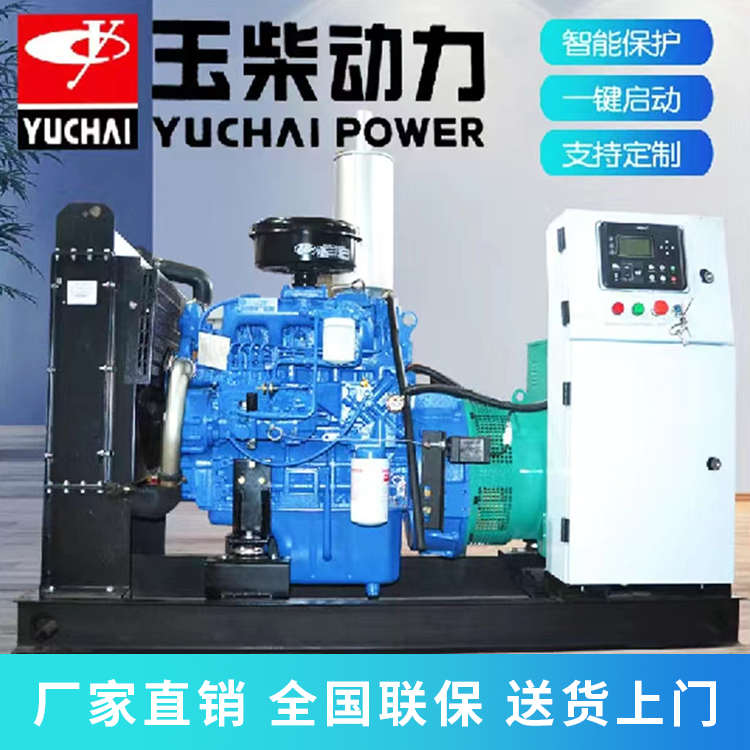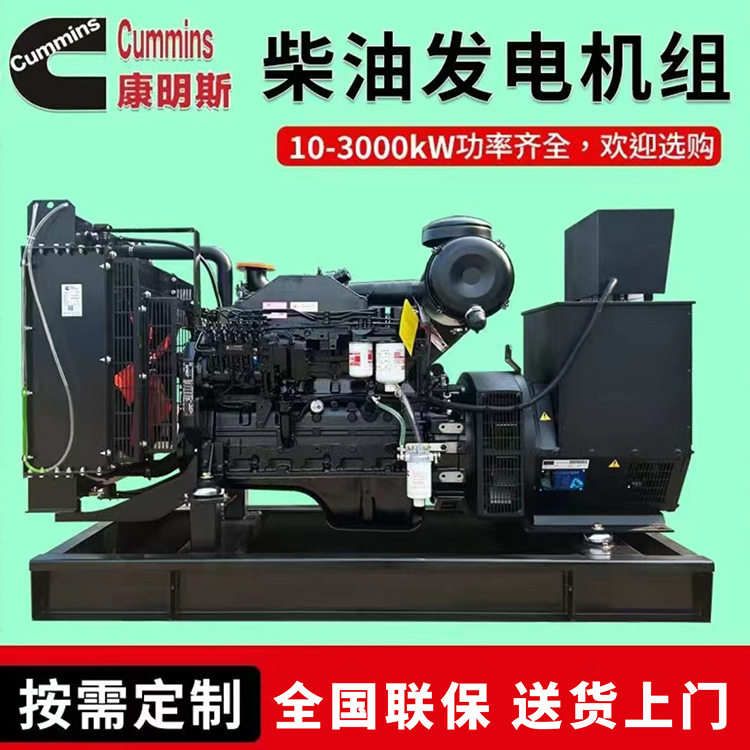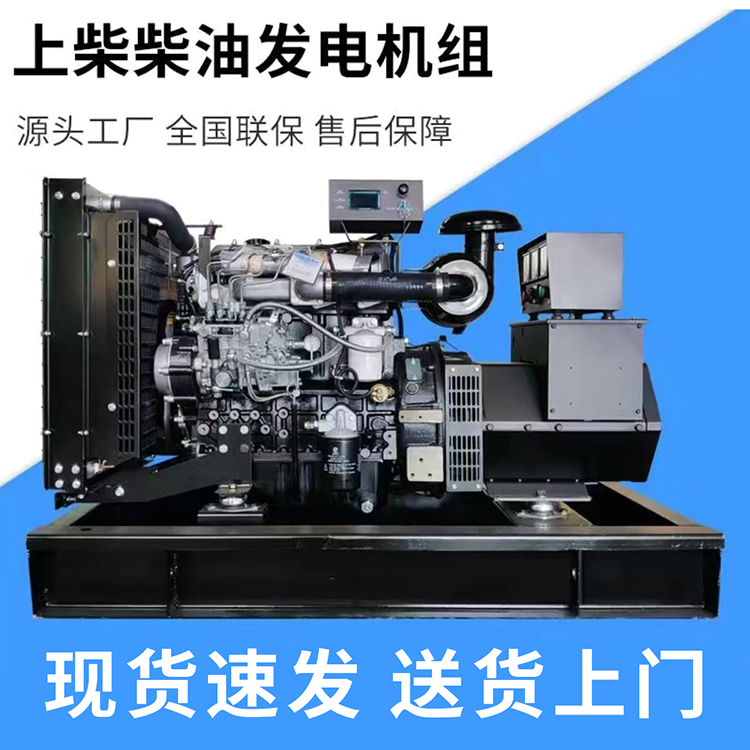

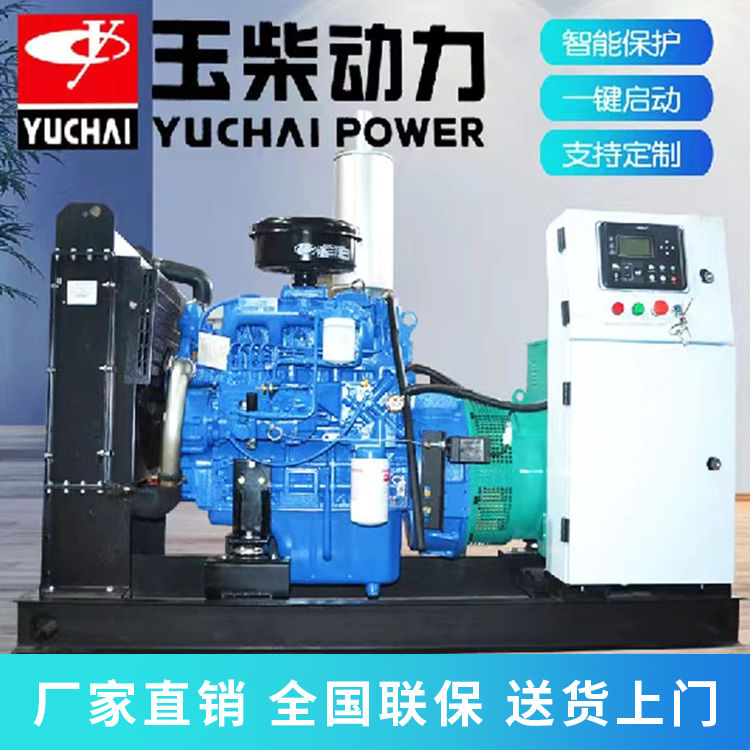

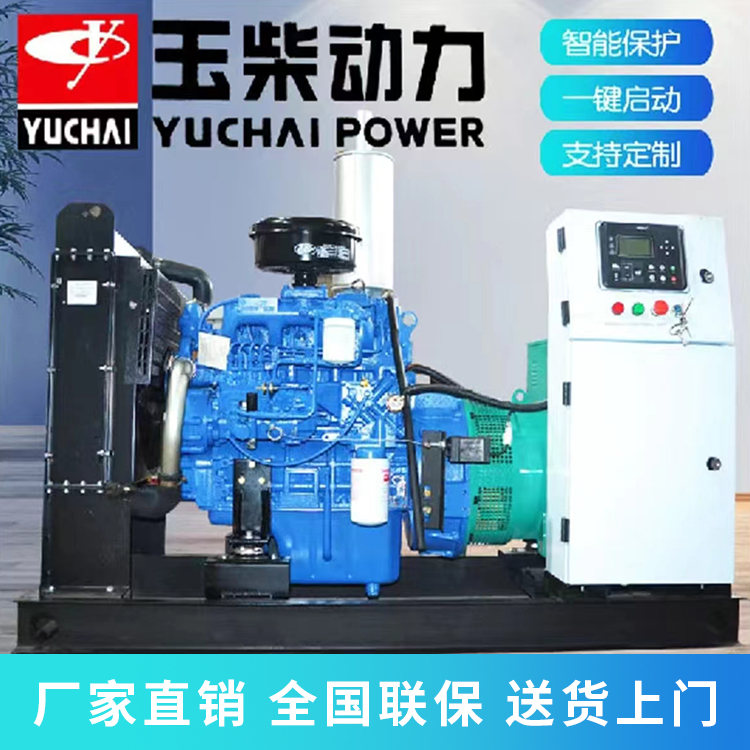
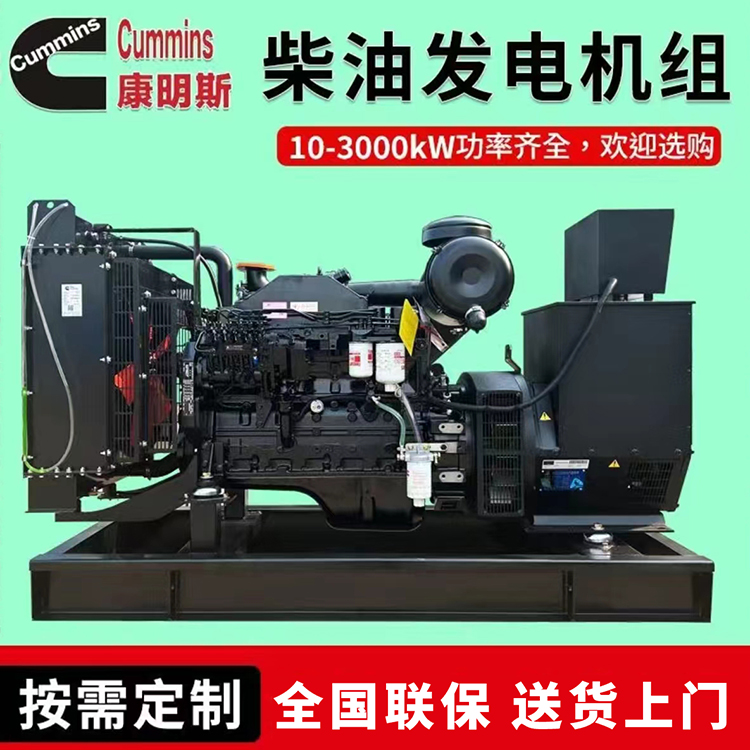
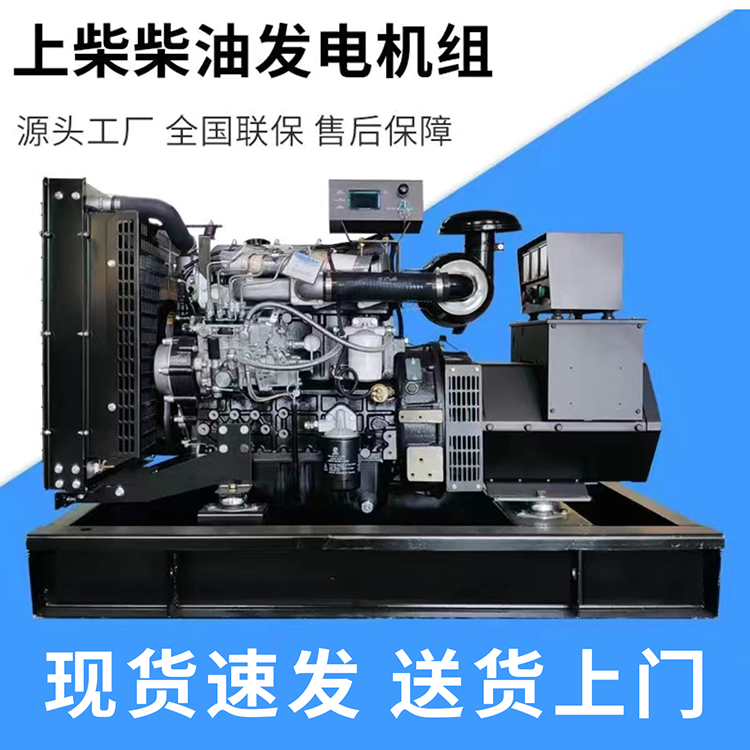











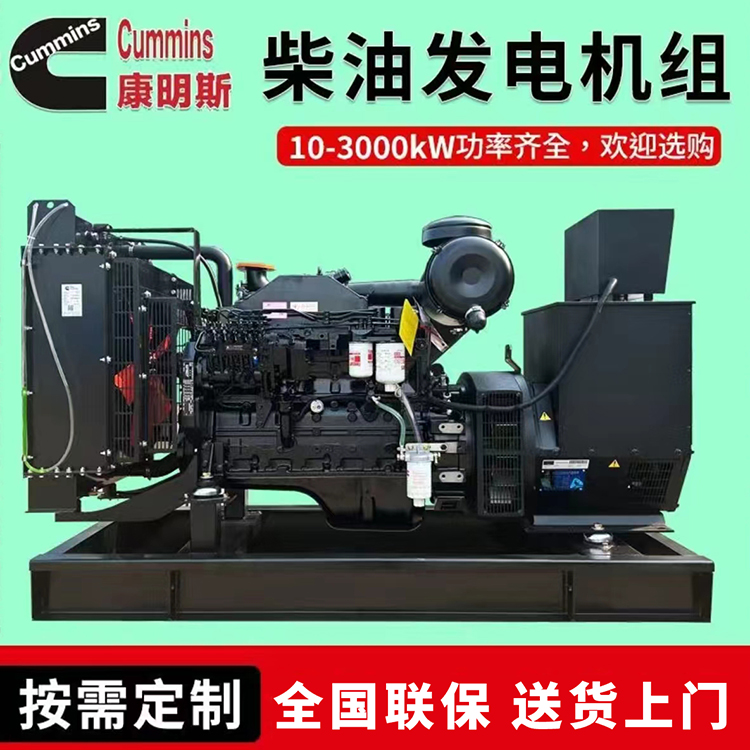
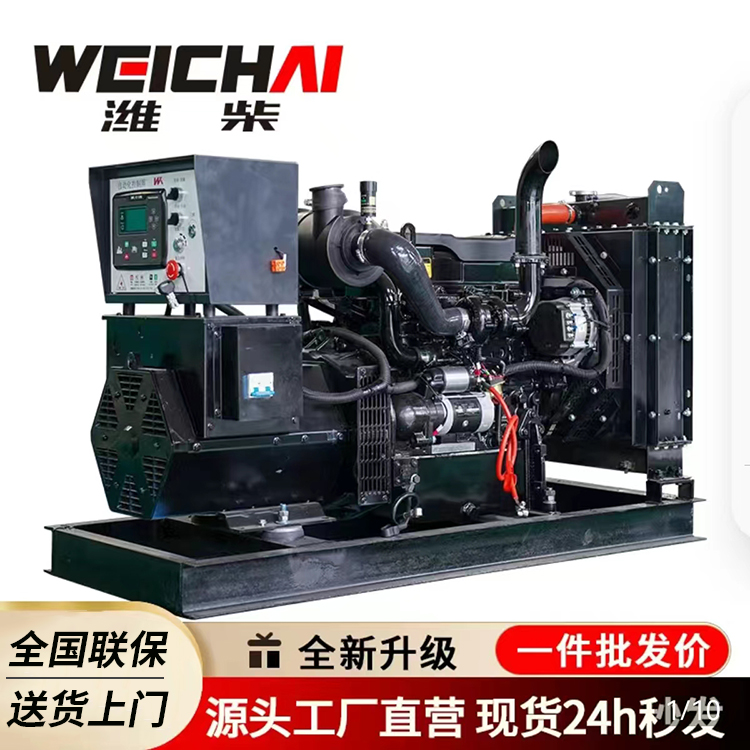
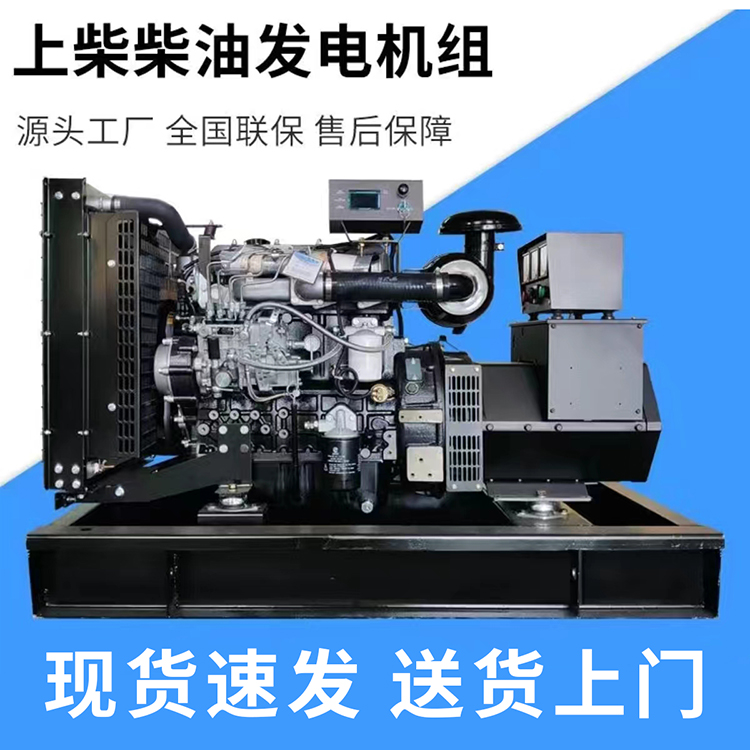
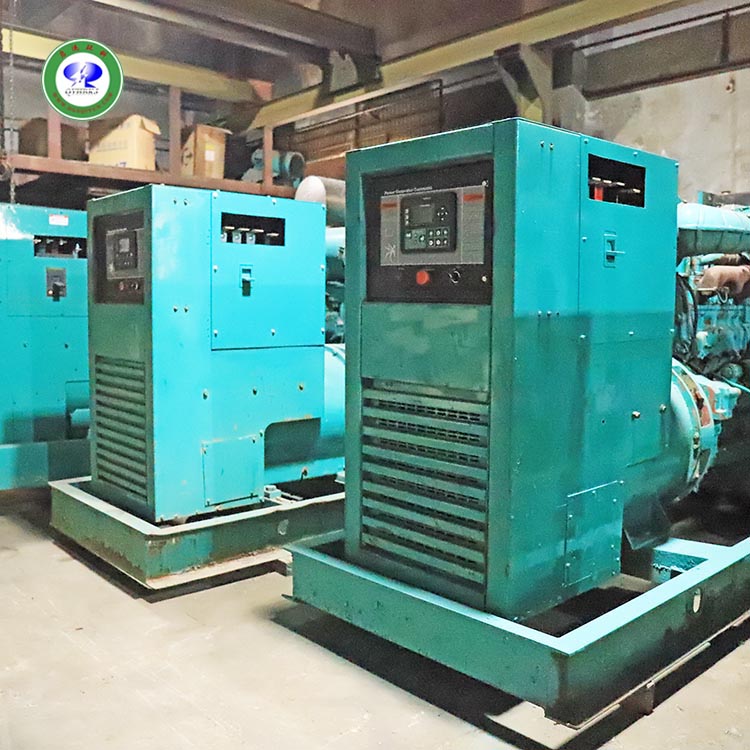
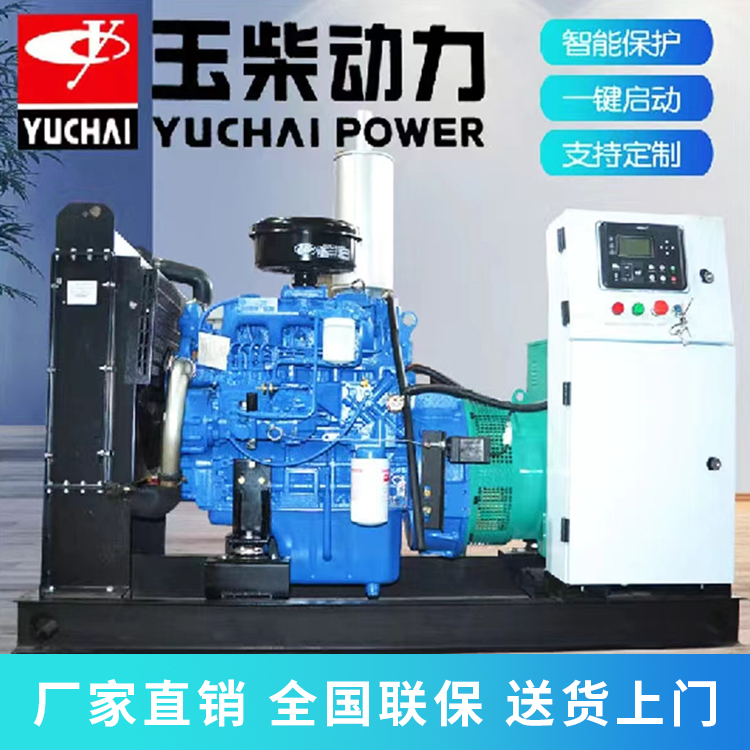
When selecting a diesel generator set, consider its overall performance and economic indicators, the location and actual expertise of the generator manufacturer or dealer, and whether they offer after-sales service. Then, assess if the power of the chosen generator set matches the power demand. The Cummins diesel generator set standard configuration includes not only the Cummins diesel engine and the Stamford generator as the main units but also the auxiliary components provided. You can learn about the basic details of the standard configuration by referring to the technical specifications in Cummins' power product manuals, quotes, and information published on the Cummins website. If the standard configuration is missing, it may to some extent affect the operation and performance of the diesel generator set. This article by Cummins specifically describes the types and main functions of the optional and optional accessories for diesel generator sets.
I. Standard Optional Accessories for Chai Fa Products
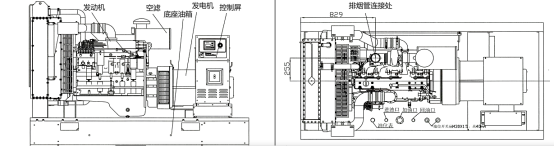
The diesel generator set is primarily composed of three major components: Cummins diesel engine, Stanford generator, and PC3.3 control system. Taking the C220D5 Cummins generator set as an example, its structure and layout are shown in Figures 1 and 2. The standard configuration includes the following:
1. Features of Cummins Diesel Engines
(1) Cylinder block
Enhanced ribbing arrangement and wide skirt design increase the rigidity and strength of the cylinder body, reducing vibration and noise, thereby enhancing the engine's reliability.
② The large cylinder bore design allows for the installation of 4 larger valves, which not only reduces intake resistance and improves filling efficiency, enhancing fuel economy, but also extends the lifespan of the valves and enhances the reliability of the engine.
③ Added special oil and water extraction holes as well as mounting holes for STC and electronic fuel injection systems, which is conducive to the future development and application of electronic fuel injection technology.
④ Increased optional installation positions for fan bracket, enhancing bracket rigidity.
⑤ Utilizes standard low-pressure cylinder sleeves, with improved surface roughness.
(2) Cylinder Head
One pot, one cover, easy for maintenance.
② Utilizes a four-valve (two intake, two exhaust) structure, offering low intake resistance and significantly enhancing fuel injection efficiency, which is beneficial for improved combustion.
③ The exhaust outlet and exhaust duct have been improved to a transition change structure, utilizing pulsating air ducts for optimal utilization of exhaust energy.
④ High-strength cast iron material is used, further enhancing the impact resistance of the cylinder head. Increased valve stiffness boosts the engine's over-revving capability.
(3) Crankshaft
Forged from high-strength alloy steel, enhancing crankshaft strength and lifespan.
② The overlap of the large shaft neck effectively enhances the rigidity and strength of the crankshaft, improving reliability.
③ The original crankshaft structure was an insert balance weight design, and the new design features an integrated crankshaft structure, significantly reducing the failure rate of the crankshaft and enhancing its reliability.
④ Gear corner induction hardening enhances the crankshaft's strength, with an induction hardening depth of up to 2.2mm on the crankshaft journals, improving wear resistance.
(4) Pistons and connecting rods
The piston is made of suitable aluminum alloy material, which has low inertia during high-speed operation, good thermal conductivity, and sufficient strength to meet working requirements.
② The cylinder skirt design with a drum surface ensures proper fit during operation, featuring sufficient bearing surface without being too tight or causing knocking due to excessive gap.
③ The connecting rod is forged from high-strength alloy steel, enhancing its strength.
④ Type I linkage structure, ensuring the required strength with less material.
Crankshaft
High-strength alloy steel material manufacturing enhances camshaft strength and longevity.
② Utilizing a large-diameter camshaft and a large cam structure, the intake contour has been improved, slowing the valve seating speed and reducing impact force, thereby enhancing valve wear. Additionally, vibrations are minimized, which increases the engine's reliability and durability.
③ Cam surface ultra-fine polishing ensures reliable cam movement path.
(6) Turbocharger
Utilizing small wheel diameters, the compact structural dimensions offer high compression ratios and a wide flow range, effectively reducing the engine's exhaust temperature, improving emissions performance, and enhancing reliability. This design meets the demands of high-power engines and the matching requirements for high-altitude engine operation.
2. Features of the Stanford Generator
Insulation and varnishing:
The insulation grade is "H" class. All wound components are made from specially formulated materials and treated with a special varnishing process to ensure reliable operation of the generator in harsh environments. The specially developed resin-based material provides high processing strength and high mechanical strength for the coils and rotating parts.
(2) Winding and electrical performance:
All Stanford generator windings are wound with a 2/3 pitch, effectively eliminating the third and multiples of the third harmonic of voltage, and are designed for nonlinear loads such as uninterrupted power supply equipment. When connected in parallel with the grid, the 2/3 pitch structure suppresses excessive midline current that can be produced by larger coil pitches. A fully continuous damping winding reduces oscillation during parallel operation of the generator. This 2/3 pitch winding, with poles and teeth carefully selected, suppresses waveform distortion of the output voltage.
(3) Overload Capacity:
The Stanford land-based generator can operate at a 110% overload for 1 hour every 12 hours.
(4) Phone Interference:
THF (as defined by BS EN60034—1) is less than 2%. TIF (as defined by NEMA Mgl-22) is less than 50.
Radio Interference:
Brushless units and high-quality AVR ensure minimal interference during radio transmission, meeting the requirements of BSEN61000-6 standard. An additional radio frequency interference suppressor (RFI) can be provided if needed.
(6) Terminal blocks and junction boxes:
Standard generators are three-phase and can have the 12 wiring terminals reconnected at the terminal blocks, which are mounted on the non-driven end of the generator's output board. The output box, made of steel plate, contains an AVR and has ample space for user wiring. For ease of operation, the panel is removable.
3. Control System
Control systems refer to the controller section and its matching electrical accessories and components. Controllers are primarily categorized into single-machine controllers, multi-machine parallel controllers, and unmanned three remote control systems. Electrical components generally include: circuit breakers, relays, speed control plates, sensors, meters, and so on.
4. Randomly Required Accessories
(1) Suitable for 40℃/50℃ environment radiator reservoir, belt-driven cooling fan, fan safety guard.
Two, optional accessories for diesel generators
The so-called optional accessories are clearly components that are not part of the standard diesel generator set configuration. These are designed to enhance the generator's functionality and improve performance, and they are purchased separately at an additional cost. The following devices are optional; they must be specified in advance when ordering from the diesel generator manufacturer to ensure the required functionality is achieved upon installation.
Battery Float Charger
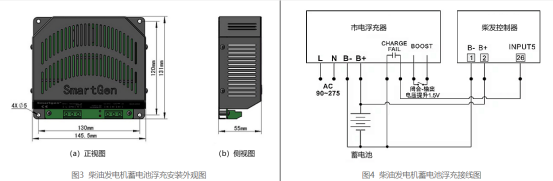
External floating charger with strong charging function, enabling rapid charging of lead-acid batteries and regular charging of battery cells. As shown in Figure 3, the wiring diagram is illustrated in Figure 4. Once the strong charging mode is selected, the output voltage will rise by 0.35V. (Note: Strong charging mode must be charged according to the instructions provided by the battery manufacturer. Otherwise, it may damage the battery and increase maintenance costs.) Specification:
Operation:
The charger outputs current K to the battery terminal until the voltage reaches the float charge K set value, which is pre-set. When the battery voltage drops to the lower limit due to load usage, the charger will re-supply output current to charge the battery from M to its terminal voltage H. The shutdown set values are listed in Table 1 below.

(2) AC Input: 220-250VAC 50/60Hz (specify at time of order)
(3) Output Current: 3A or 5A (specify at time of order)
(4) Environmental Temperature Range: -10 to +60° C
(5) Indicator Light: LED Charger Indicator Light
(6) Protection Functions: Short Circuit, Overvoltage 11, Overcurrent, Reverse Polarity, Reverse Charging Mode: 0.35V higher than float voltage.
(7) DC Output: Rated 12VDC or 24VDC (specify at time of order)
2. Storage Tank
The fuel tank of the generator set should be capable of holding enough fuel to sustain continuous operation at full load for over 8 hours, and it is advisable to avoid refueling the tank while the generator set is in operation. After the fuel tank is placed, the fuel level should not exceed 2.5 meters above the base of the diesel generator. If the fuel level in an outdoor fuel tank is higher than 2.5 meters, a fuel storage tank should be added between the outdoor fuel tank and the diesel generator set to ensure that the direct fuel pressure does not exceed 2.5 meters. Even during the shutdown of the diesel generator, fuel is not permitted to flow into the diesel engine by gravity through the intake or fuel injection lines.
3. Dual Power Conversion Cabinet
The main power switch is available in manual and automatic types (abbreviated as ATS). If your diesel generator is used as an auxiliary power source, a main power switch must be installed at the power input point. It is strictly prohibited to supply power to the load using temporary wiring methods or relying on memory operations. Because once unauthorized power is fed back into the grid (abbreviated as back-feeding), it can lead to severe consequences such as injuries and equipment damage. The installation of the switch must be inspected and approved by the local power supply department before it can be put into use.
4. Parallel cabinet
The paralleling cabinet for diesel generators is designed with an automatic management system to accommodate simultaneous use of two or more generators, featuring all the functions of a manual paralleling panel. When the switch is set to the "Automatic" position, the automatic synchronizer can automatically adjust the frequency and phase of the units to be paralleled, outputting a closing signal during synchronization to achieve automatic paralleling. Equipped with a programmable controller, it can automatically control load balancing, load demand, and unit operation scheduling, ensuring reliable grid operation. In the event of a power failure, it can automatically start the generator set, perform automatic paralleling, and monitor various faults in the paralleled system.
5. Water Heater
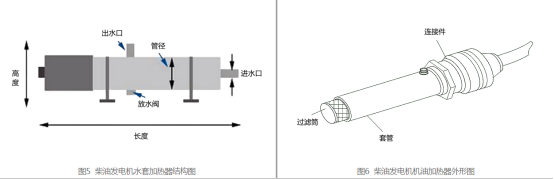
The diesel generator set water jacket heater maintains a certain temperature for the engine, preventing the generator set from cracking in winter, and enabling the diesel engine to start up quickly in extreme cold temperatures. The water jacket heater keeps the temperature of the generator set's water jacket within the set temperature range (about 35 °C), indirectly heating the lubricating oil due to heat transfer, thus avoiding condensation and keeping the generator set in a warm standby state. This allows the diesel generator set to be quickly started at any time, regardless of the severe winter, and to reach full load in a short period. The mechanical wear of the diesel generator set is reduced, and the output power is stable. The structure of the water jacket heater is shown in Figure 5.
6. Oil Heater
Oil heaters are typically used as heating elements in the fuel tanks of generator sets to preheat the engine. By adding such a device, the generator set can still start normally even in cold conditions or in environments with low temperatures, such as the winter in northern regions of our country. In cold environments, it is common for the engine in the generator set to fail to reach the ignition point of the oil in the tank due to external temperature influences, leading to difficulty in starting the generator set in cold conditions. Using a heater for preheating can help ignite the generator set and serves as a safeguard. The appearance of the oil heater is shown in Figure 6.
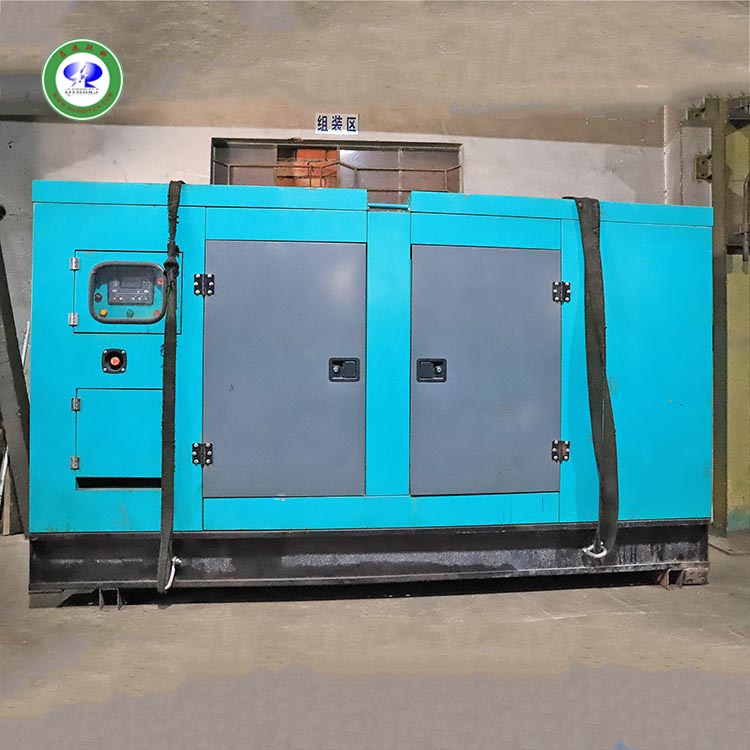
7. Whisper Quiet Generator Set
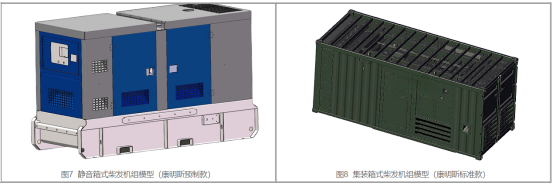
Silent-type generator sets primarily refer to those equipped with protective enclosures, mainly categorized into silent box-type generator sets (as shown in Figure 7) and container-type generator sets (as depicted in Figure 8). Key features include low noise levels and high mobility. With the continuous development of urbanization, the demand for power facilities in construction power supply, backup power supply, and guaranteed power supply is constantly increasing, especially in terms of noise control, design aesthetics, and equipment hoisting, among other performance characteristics.
Summary:
Selecting a brand supplier with excellent after-sales service and maintenance support ensures user power reliability. As diesel generators are a long-term investment, they may require regular maintenance and repairs. Reliable service support guarantees the long-term reliability of the equipment. Since diesel generator sets play a crucial role in various fields, understanding their configuration, application areas, and purchasing considerations can help in selecting the appropriate diesel generator set and ensure a reliable power supply.