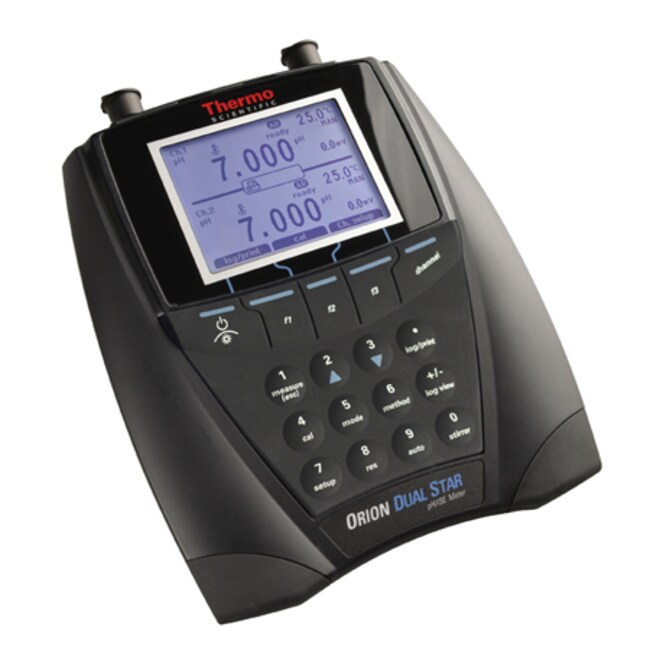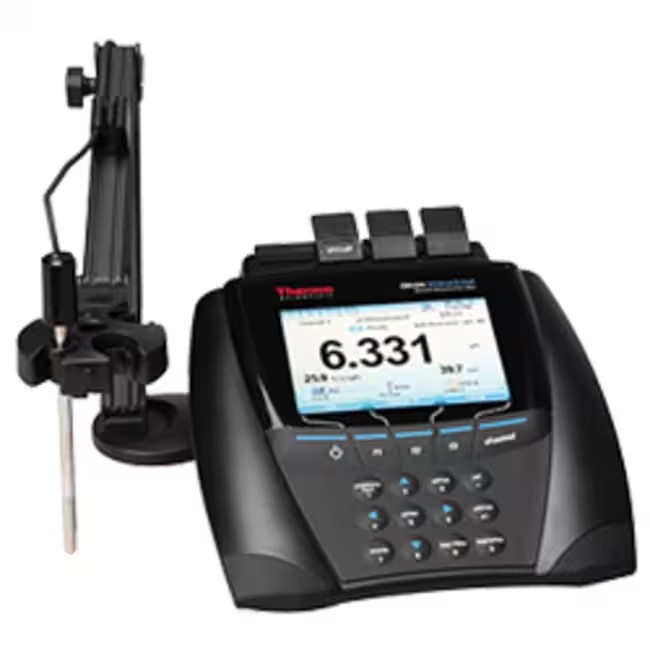









The Low Sodium Ion Concentration Meter is an instrument used for measuring low concentration sodium ions. Below is a detailed introduction to the Low Sodium Ion Concentration Meter:
Principle: Low sodium ion concentration meters commonly use the conductivity method or ion-selective electrode method to measure sodium ion concentration. By measuring the electrical conductivity of the solution or the potential difference of the sodium ion selective electrode, the concentration of sodium ions can be calculated.
Application Range: The Low Sodium Ion Concentration Meter is widely used in drinking water, industrial water, swimming pool water, medical water, and other fields. It can monitor the sodium ion content in water to ensure the safety and compliance of water quality.
Usage Instructions: When using a low sodium ion concentration meter, follow the instructions provided in the manual. Typically, you need to immerse the instrument in the solution to be tested, adjust the instrument settings, and wait for the measurement results. Some instruments also feature an autosampler for continuous monitoring of sodium ion concentration in water samples.
Important Notes: When using a low sodium ion concentration meter, attention must be paid to the calibration and maintenance of the instrument. Additionally, for different application scenarios and sample types, appropriate instruments and measurement methods should be selected to ensure the accuracy and reliability of the measurement results.
In summary, the low-sodium ion concentration meter is a crucial water quality monitoring instrument, providing our daily life and industrial production with safe and reliable water quality assurance.