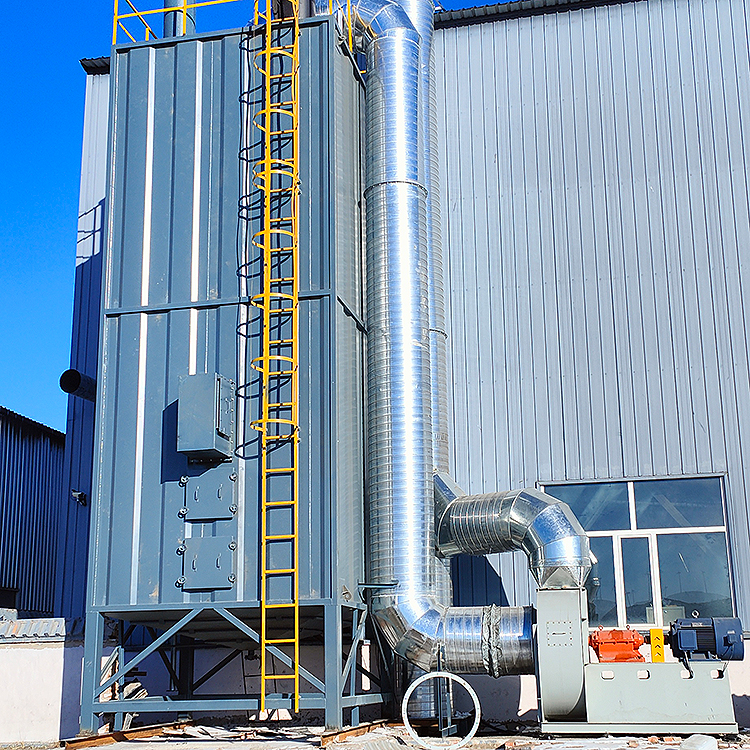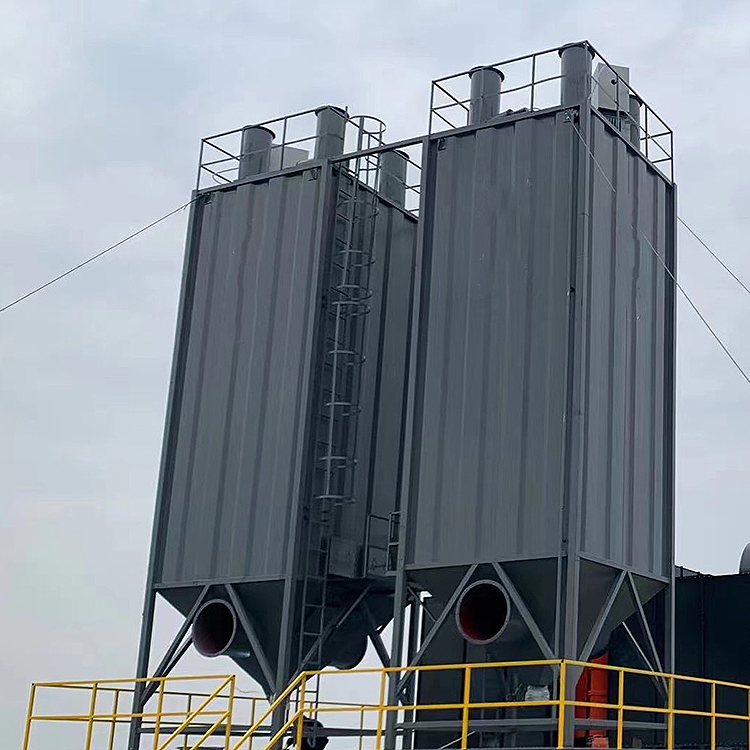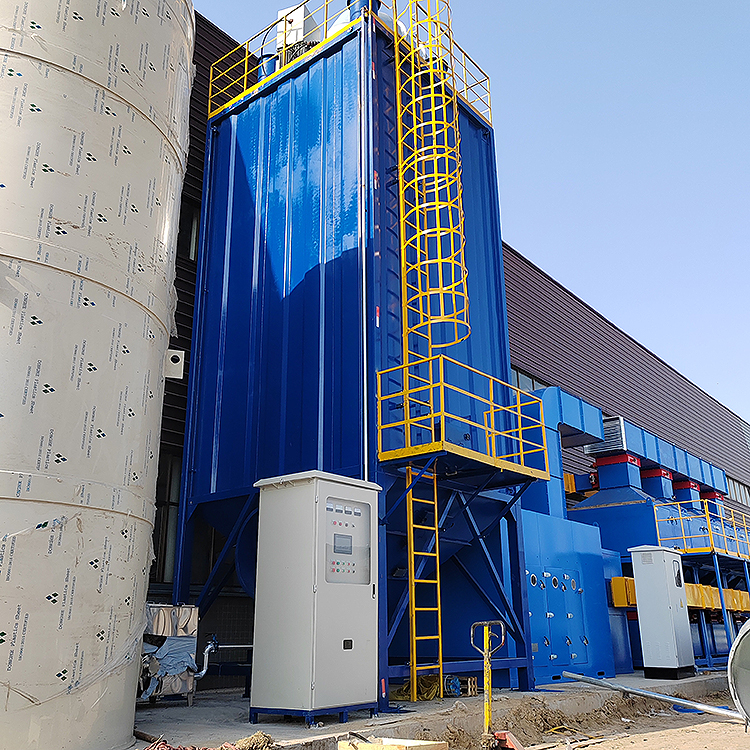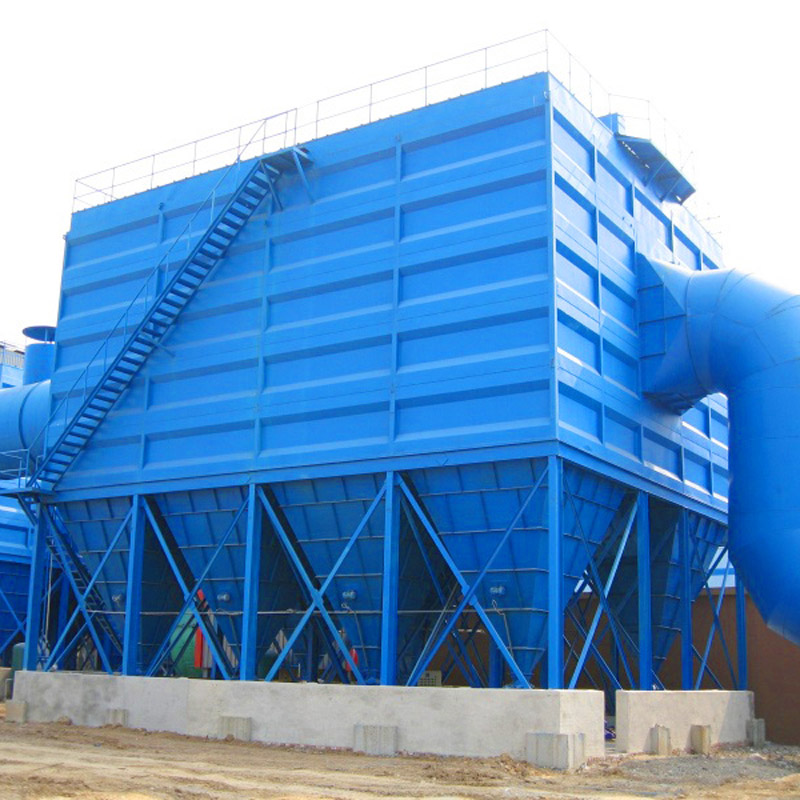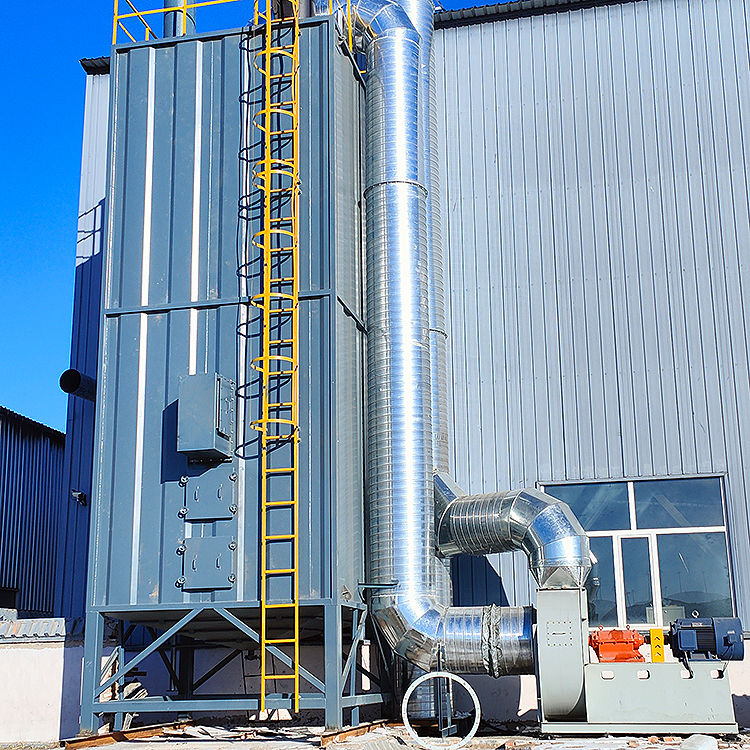

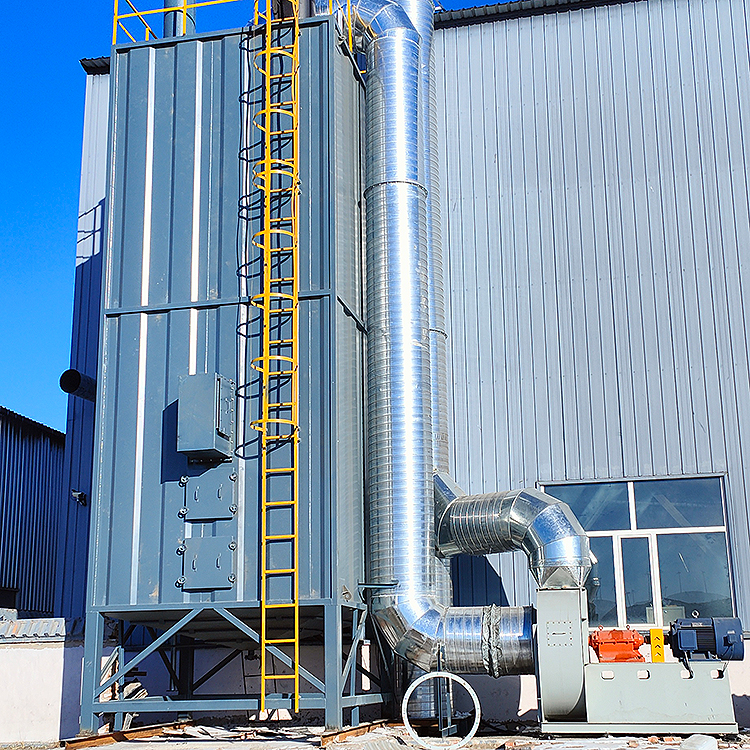


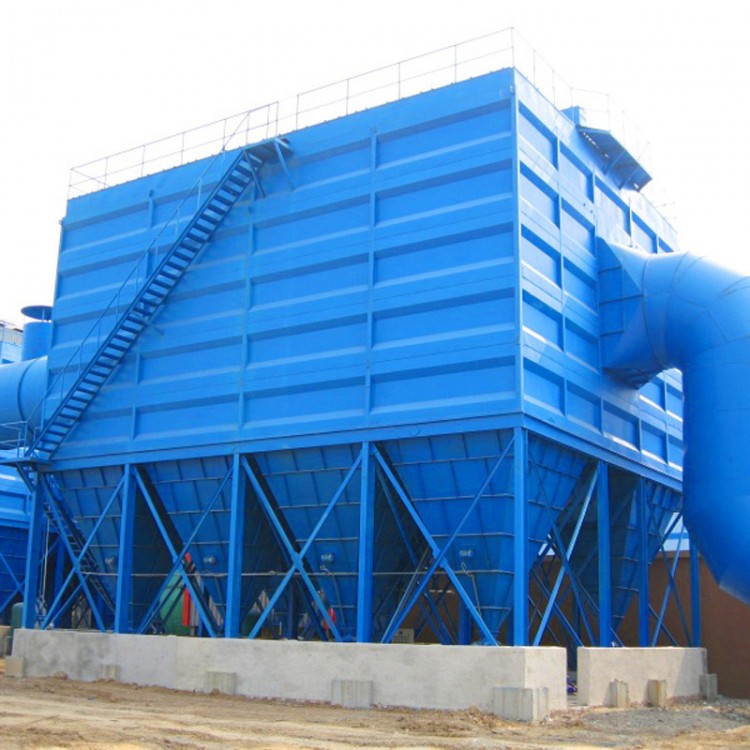






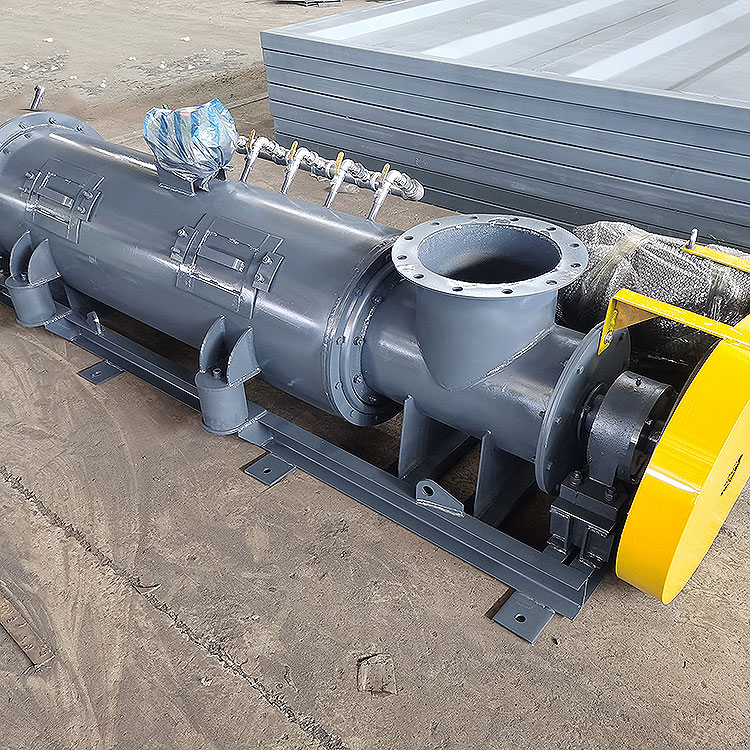
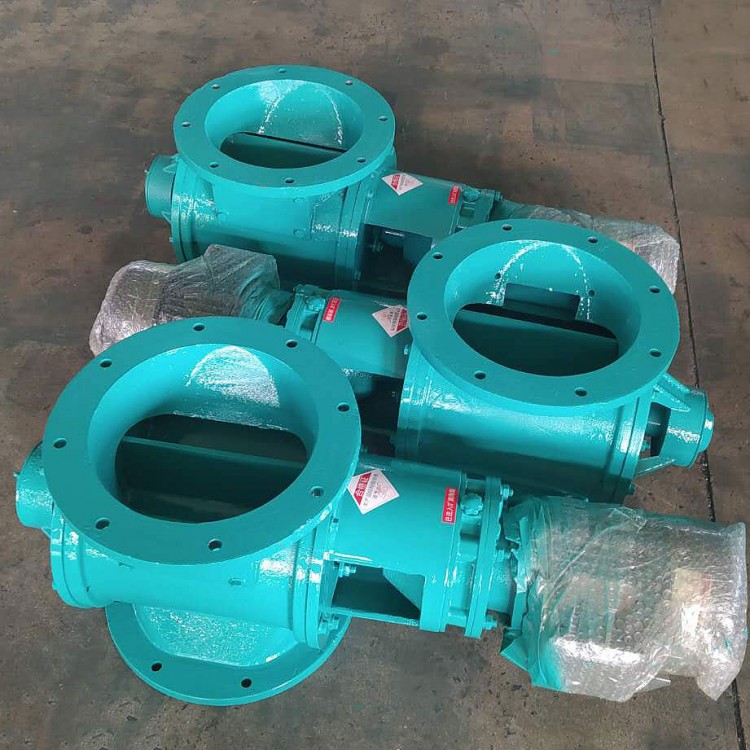
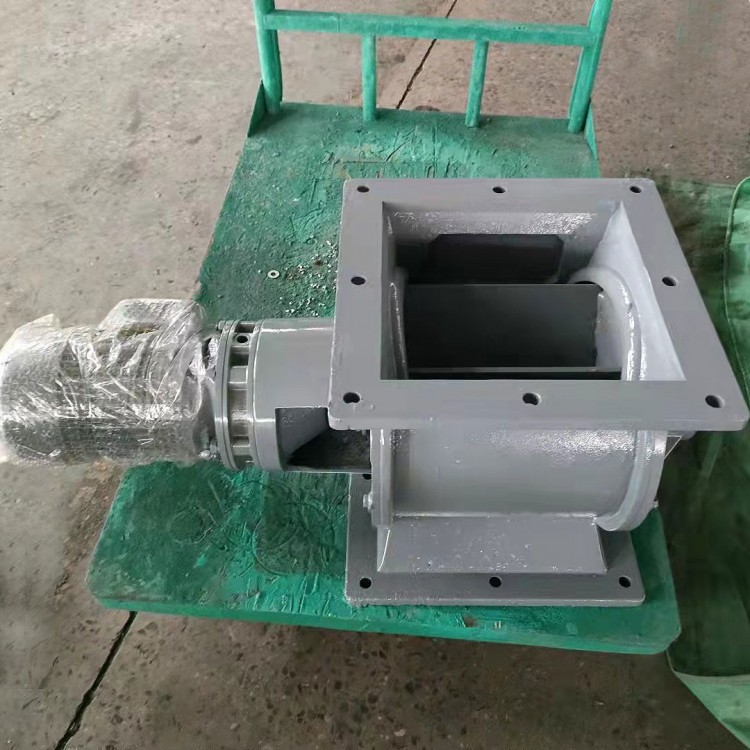
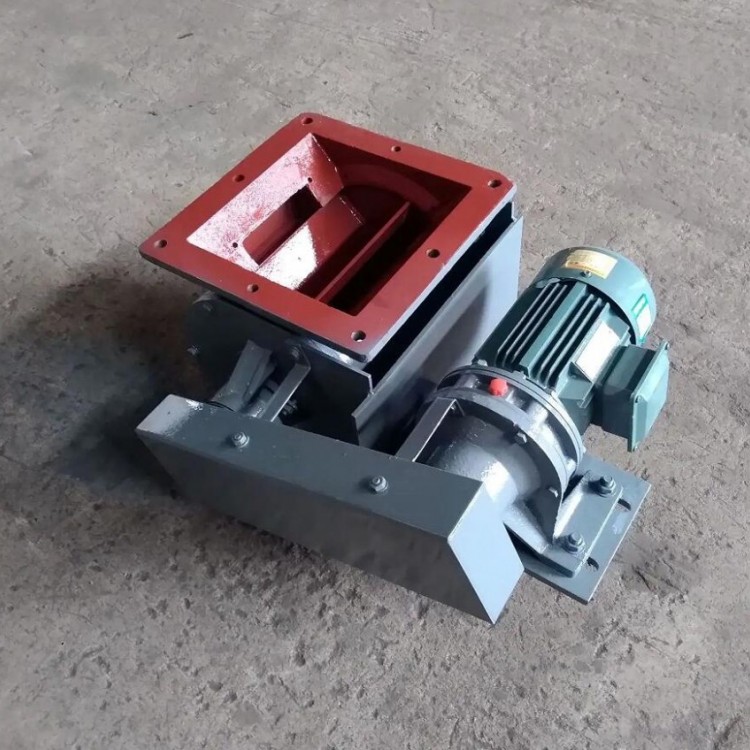
 Electrostatic tar removal dust collectors are available in three structural forms: concentric circular, tubular, and honeycomb. Regardless of the structure, the working principle is the same: applying a high-voltage direct current between the metal wire and the metal tube wall (or plate) to maintain an electric field sufficient to ionize the gas, creating a corona zone between the anode and cathode.
Three types of electrical tar dust collectors consist of components such as the housing, sedimentation electrodes, corona electrodes, upper and lower hangers, gas redistribution plate, steam washing pipe (optional), insulation box, and power distribution box. The main differences lie in the form of the sedimentation electrodes, the arrangement of the corona electrodes, and the insulation and power distribution boxes.
Application Scope
Electrostatic tar separator is mainly used for gas purification in industries such as metallurgy, chemical, coking, carbon, oil shale, anthracite, city gas, building materials, ceramics, etc. It is designed to recover tar from gas and coke oil, while also removing impurities like dust and mist, achieving dual effects of material recovery and gas purification. It plays a crucial role in the normal and stable operation of equipment in the later stages of the production process.
Structural Composition
The electrostatic tar and dust collector consists of two main parts: a high-voltage direct current power supply for various static deposition methods, and the collector body, which primarily uses F-plate honeycomb and WESP wet designs. The bodies of all these structures are mainly composed of a cylinder, electrode (corona electrode), and an adsorption electrode (sedimentation electrode).
Electrostatic tar separator dust collectors can be applied in industries such as plastic and rubber products manufacturing, asphalt mixing stations, coke and coal, wire mesh, chemicals, casting quenching, and more.