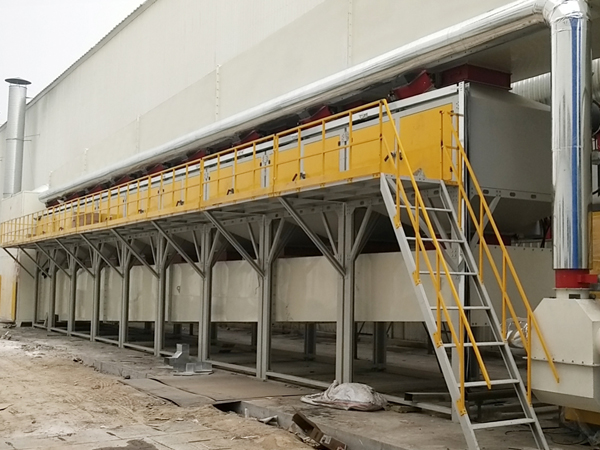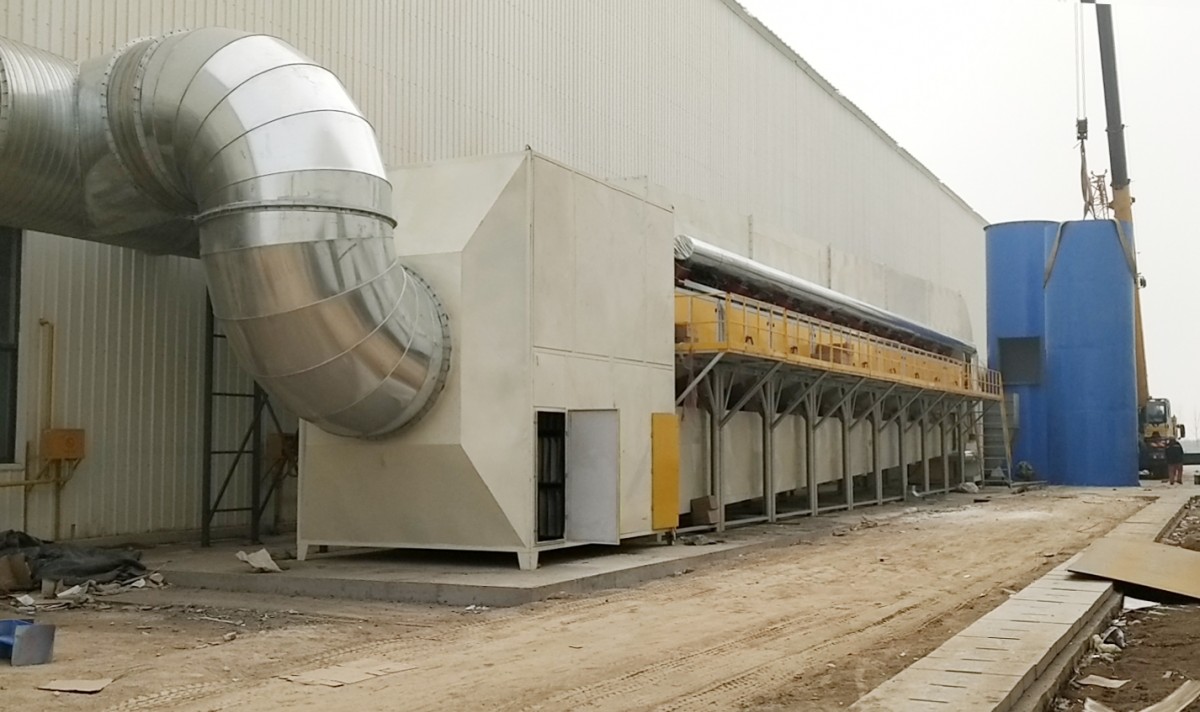

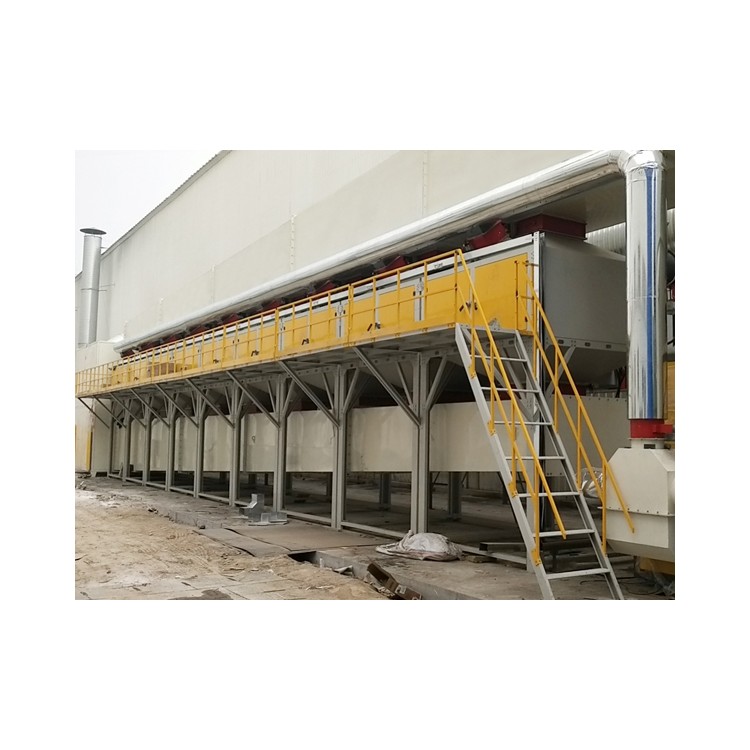

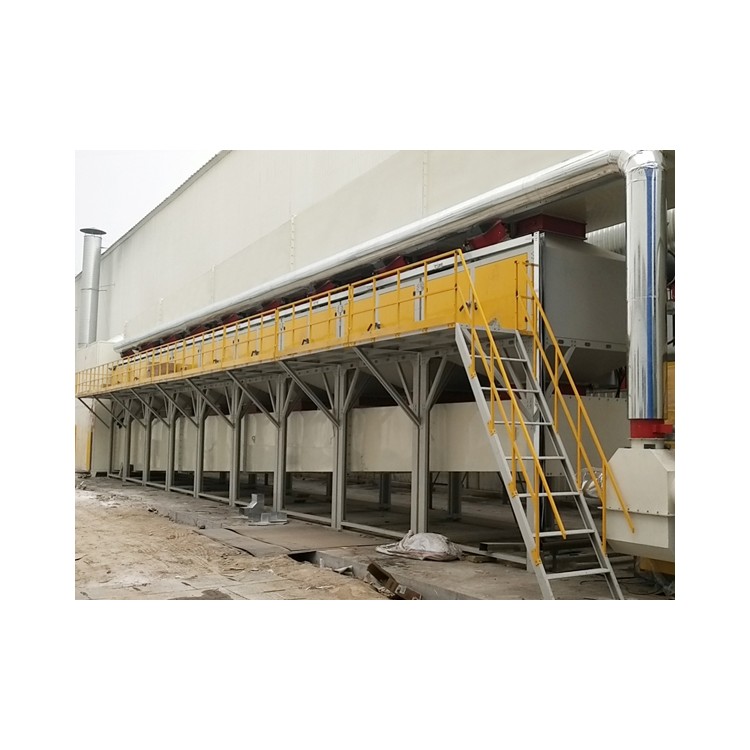
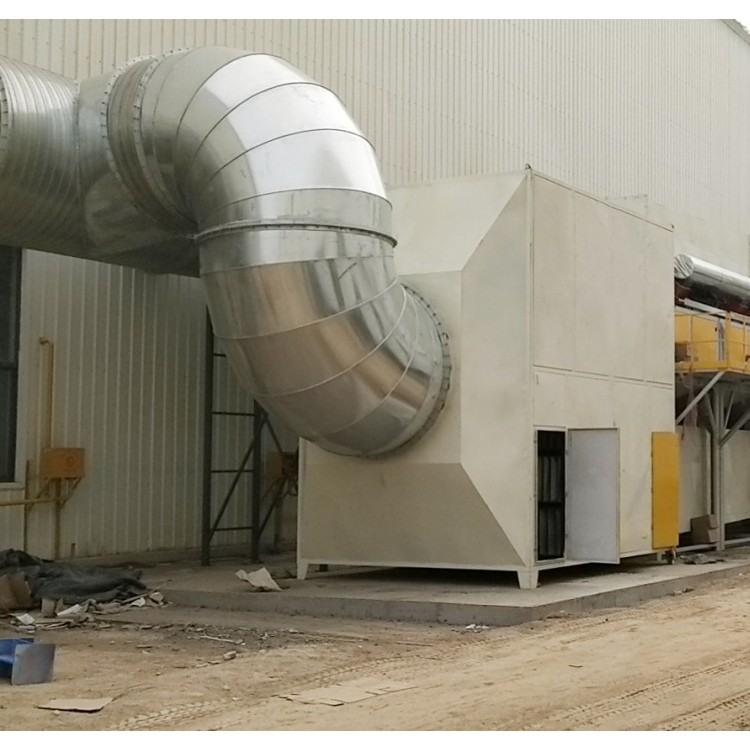
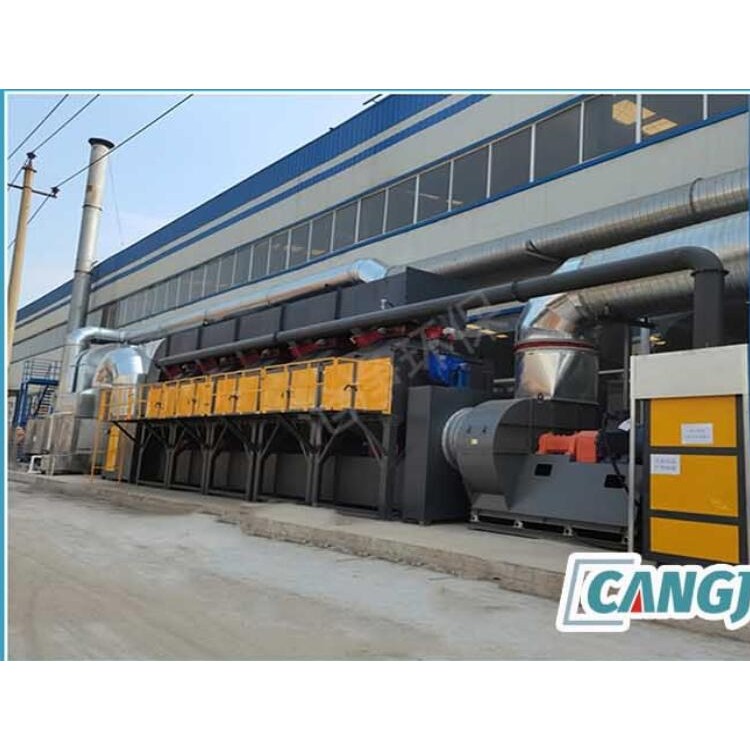







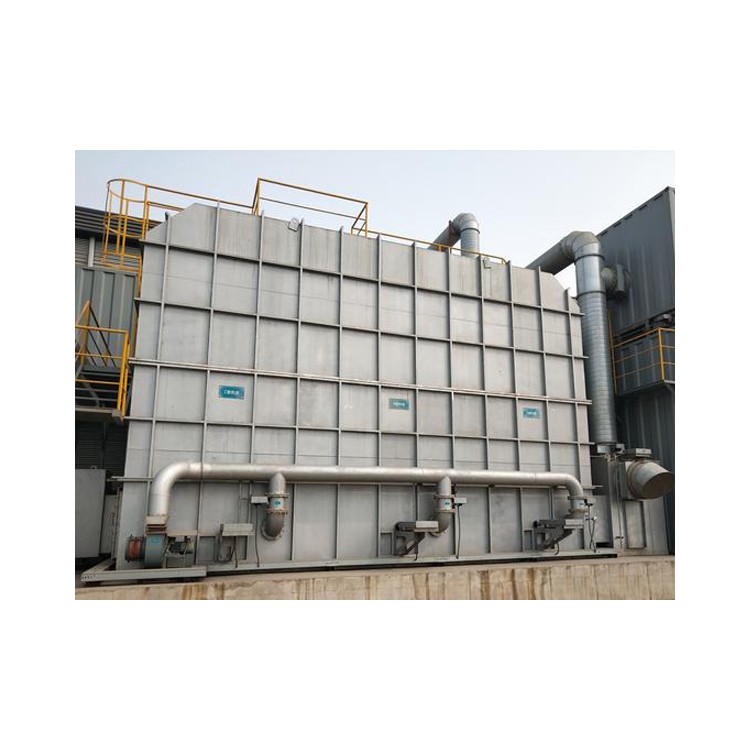
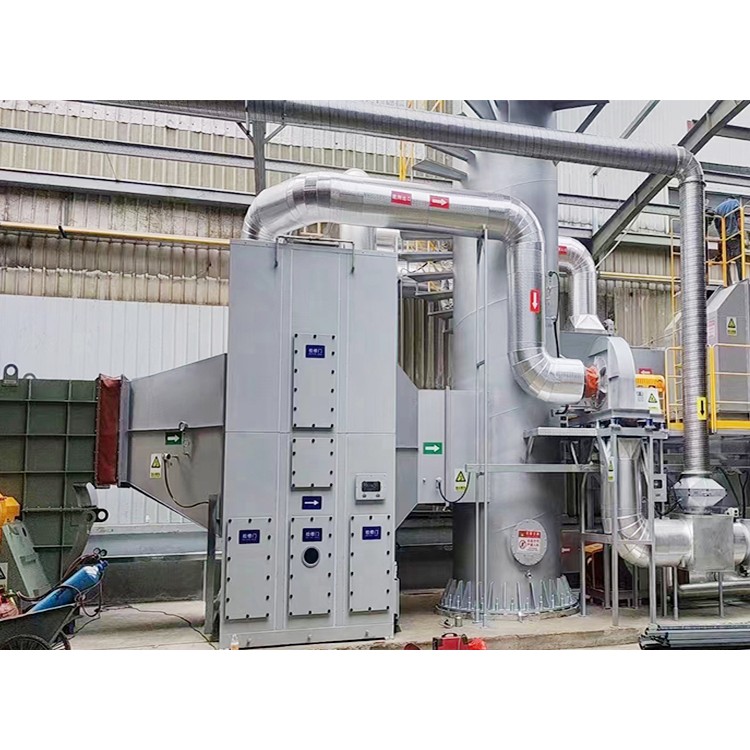
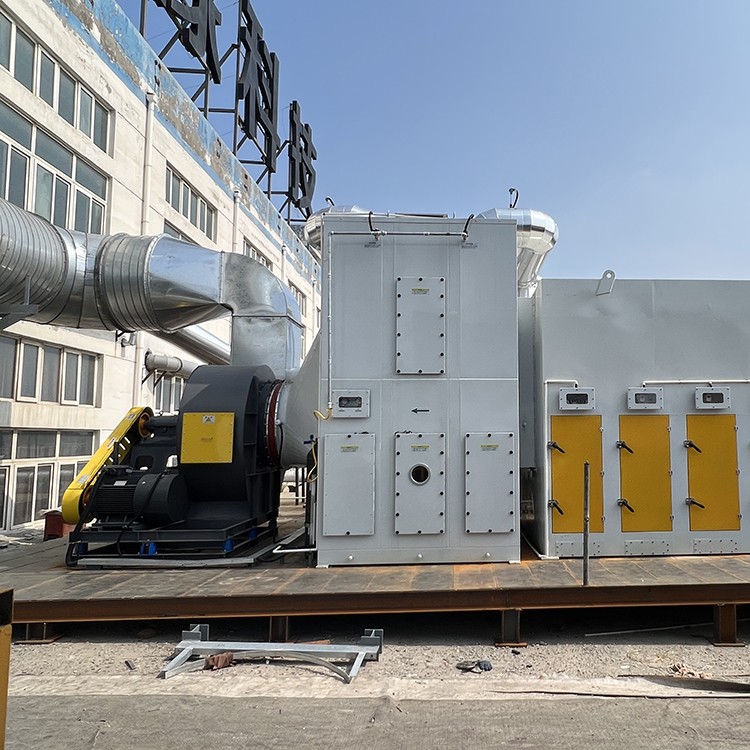
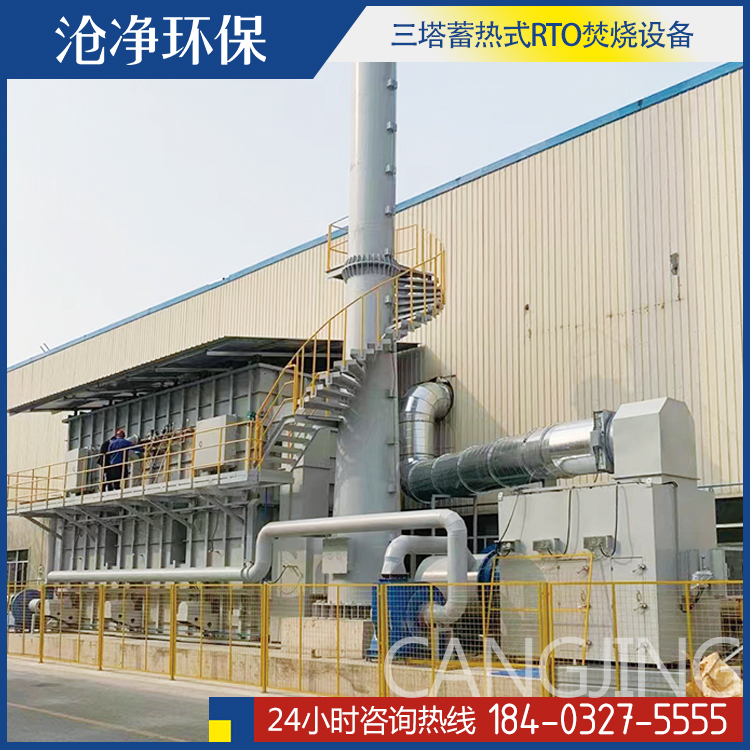
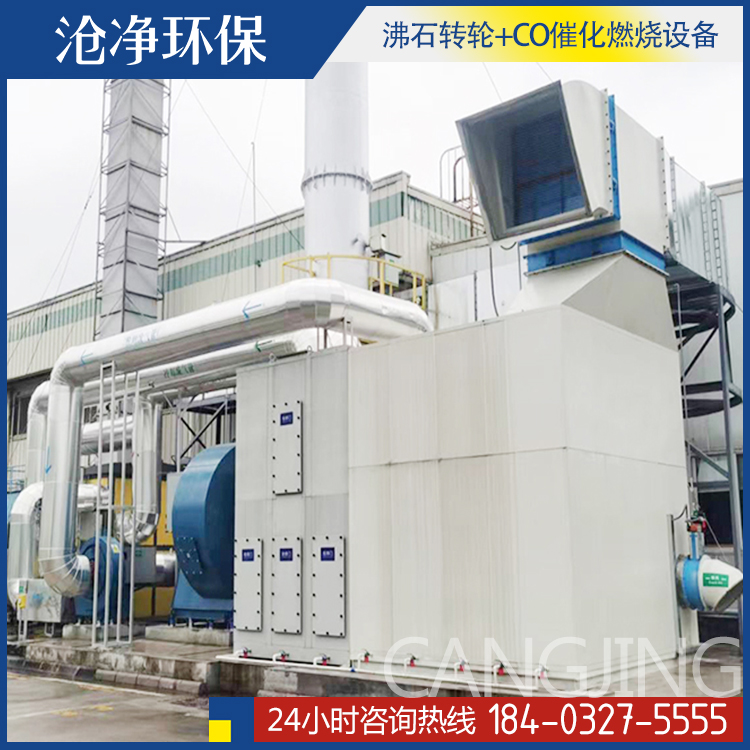

Activated carbon adsorption + catalytic combustion VOCs waste gas treatment system is a new series of high-efficiency and energy-saving products, free of secondary pollution, developed based on our company's years of waste gas treatment experience and the successful practices of our peers. Mainly used for purification and treatment of organic waste gases from coating and printing processes.
System Module Composition:
1. Pretreatment Module: Dry Filter
2. Adsorption Modules: Activated Carbon Adsorption Chamber, Activated Carbon, Adsorption Piping, Main Blower, Control Valves
3. Catalytic Combustion Module: electric heating module, heat exchanger, catalyst, control valve, desorption circulation fan, cold air supply fan
4. Control System Modules: PLC Control Systems, Instruments and Meters
5. Safety Protection Module: Pressure Relief and Burst Valves, Fire Protection Valves, Fire Extinguishers, and Safety Control Systems.

In the process of waste gas treatment for industries like painting and baking, to prevent active carbon clogging, a dry filter is required to pre-treat the waste gas before it enters the equipment. This filters out impurities and particulates from the waste gas, ensuring the longevity of the active carbon. The equipment filter box uses a F5 pre-effect filter + F9 high-efficiency filter for two-stage filtration. All filters are of the open-type design and are equipped with a differential pressure gauge for easy replacement of the filter material. The filtration efficiency reaches over 99%, with dust levels in the subsequent adsorption box not exceeding 5mg/m³.
Activated Carbon Adsorption Box
Activated carbon adsorption boxes and activated carbon are important components of the entire adsorption module. Our designed activated carbon adsorption boxes feature a new type of uniform airflow device, with the uniform airflow plate cut using laser high-precision cutting. Utilizing the principle of gradual expansion of circular holes from the inside to the outside, it forces the airflow entering the activated carbon adsorption box to distribute evenly around. This effectively distributes the waste gas entering the activated carbon box, improves absorption efficiency, and prevents issues such as excessive local wind speed and exceeding emission standards. For the activated carbon trays, we use custom high-strength galvanized steel grating, which boasts high structural strength, long service life, and is easy to replace and dismantle.
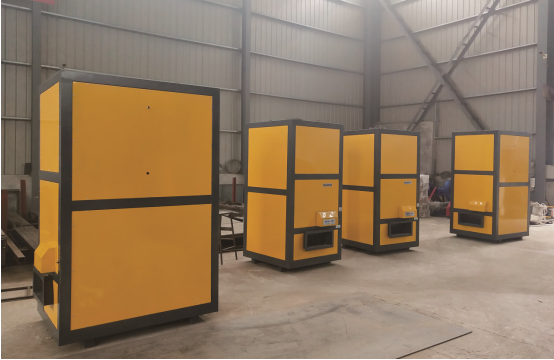
Catalytic combustion principle:
After desorption, the gas is heated through a flame arrester, an inlet valve, an exchanger, and an electric heater (preheater) to reach the temperature required for catalytic combustion. Under the action of the catalyst in the catalytic bed, the gas is decomposed into water and carbon dioxide, releasing a significant amount of heat, further increasing the gas temperature. The high-temperature gas then passes through the exchanger for partial heat recovery before being exhausted by a fan. Additionally, by controlling the fan's flow rate, the concentration of organic compounds in the gas can be maintained within an appropriate range. The heat released during combustion at this concentration can sustain the system's operational heat requirements. At this point, the burners in the catalytic bed can be turned off, allowing the system to operate by utilizing the heat released from the combustion of organic compounds, thereby saving operation costs.
Catalytic combustion furnace (catalytic bed) product features:
Operation Convenient: The equipment operates with automatic control during operation.
Low energy consumption: Equipment reaches ignition temperature in just 30 minutes (when organic waste gas concentration is high), with energy consumption only equal to the fan's power.
Safety and Reliability: Equipped with fire-retardant systems, explosion-proof pressure relief systems, over-temperature alarm systems, and advanced automatic control systems.
Low resistance, high purification efficiency: Utilizes a honeycomb ceramic carrier catalyst impregnated with noble metals palladium and platinum, featuring a large specific surface area, low operational resistance, and high catalytic efficiency.
Long lifespan: Catalysts typically last 8,000 hours before replacement, and the carrier is recyclable.
Overview of catalytic combustion reaction process:
When the concentration of organic waste gas reaches the level required for suitable catalytic combustion, the valves are switched to the catalytic oxidation combustion state through an automatic program. The process is as follows: start the fan, open the corresponding valves, and activate the electric heater for the stainless steel pipe, preheating the catalyst inside the catalytic oxidation combustion bed. Simultaneously, a certain amount of waste heat from the hot air is used in a heat exchanger. The waste gas is introduced into the heat exchanger by the fan, then enters the stainless steel pipe heating chamber to heat the gas to the ignition temperature required for catalytic oxidation combustion and enters the combustion bed. Due to the action of the catalyst, the ignition temperature of the waste gas combustion is approximately 250-300°C, significantly lower than the combustion temperature of direct combustion methods, which ranges from 670-800°C. Therefore, the energy consumption is much lower than that of direct combustion methods. Under the action of the catalyst, the organic components are converted into non-toxic, harmless CO2 and H2O, while releasing a large amount of heat. The high-temperature gas re-enters the heat exchanger, preheating the high-concentration waste gas released, which can maintain the ignition temperature required for catalytic oxidation combustion. This makes the combustion process of waste gas essentially energy-independent (no additional electrical energy), significantly reducing energy consumption.