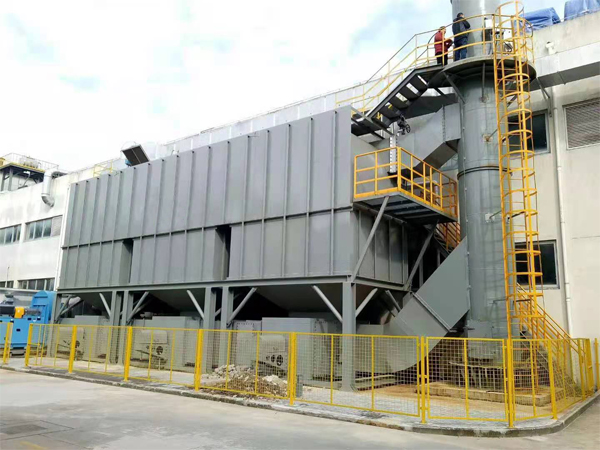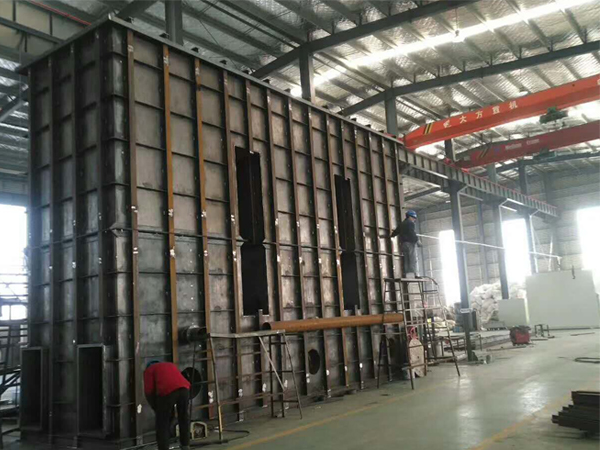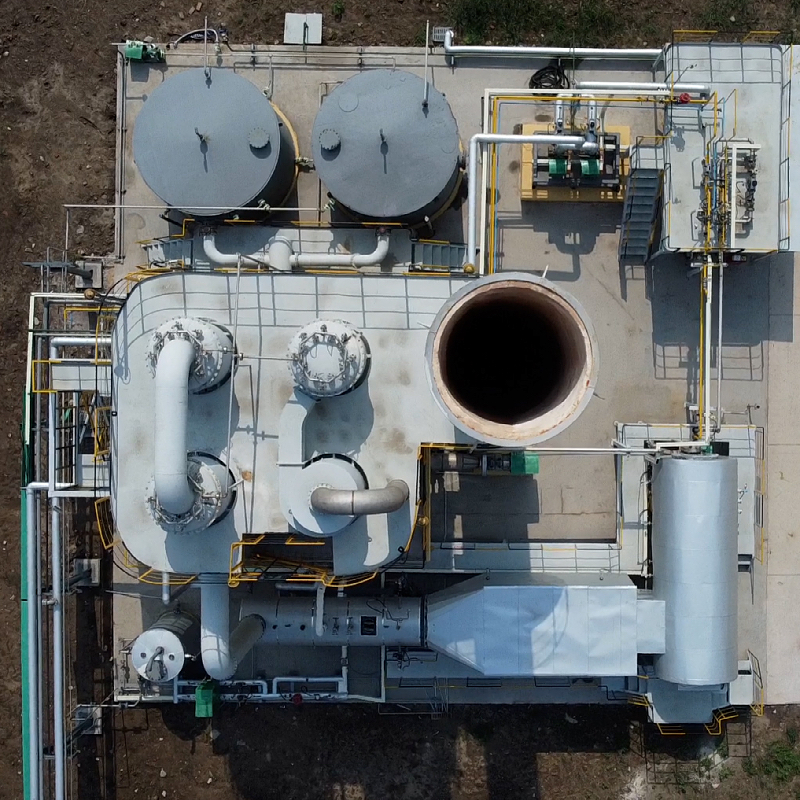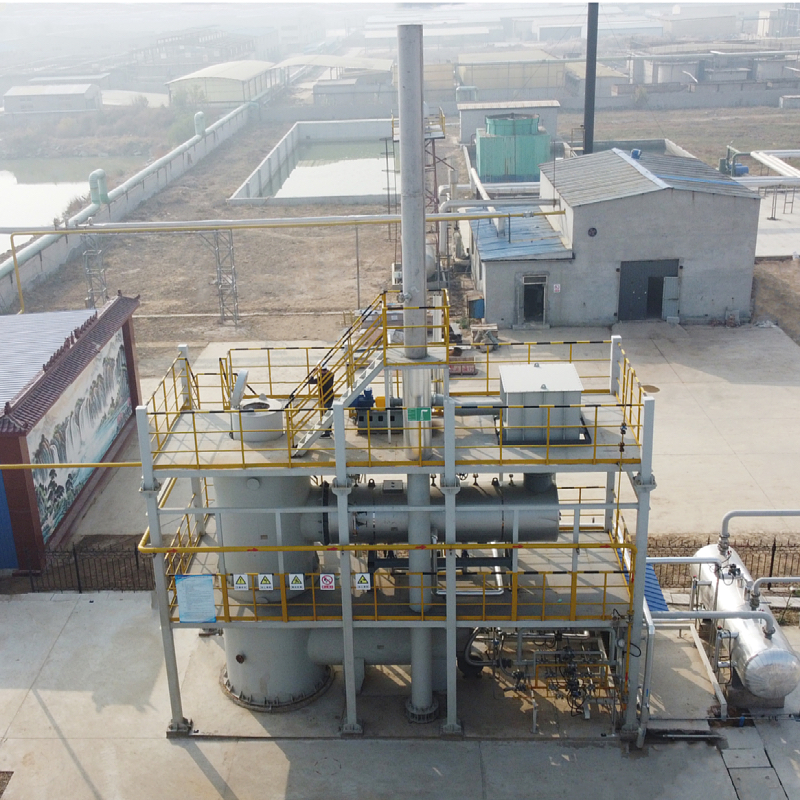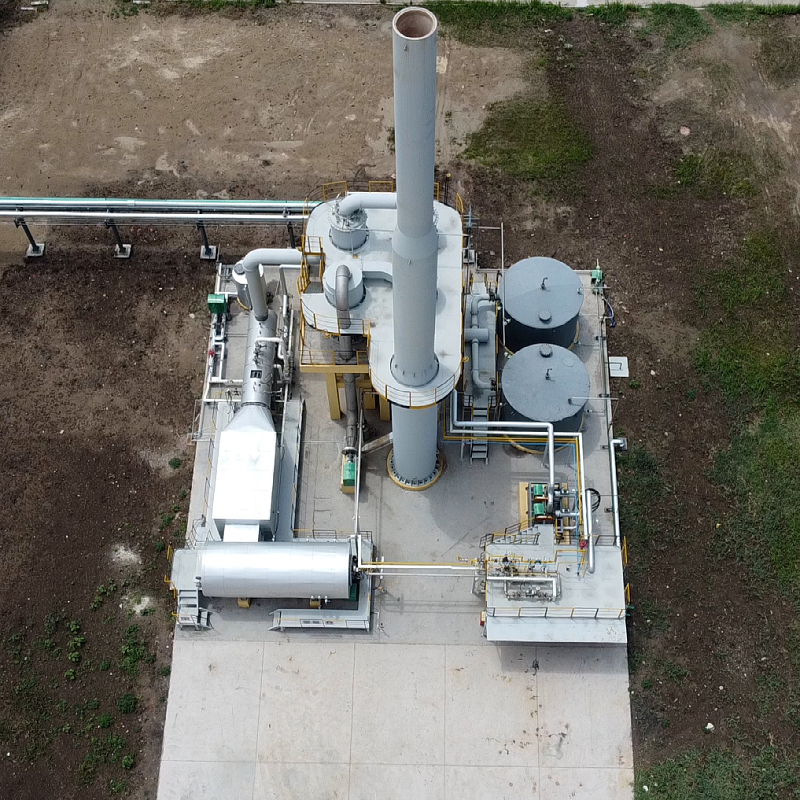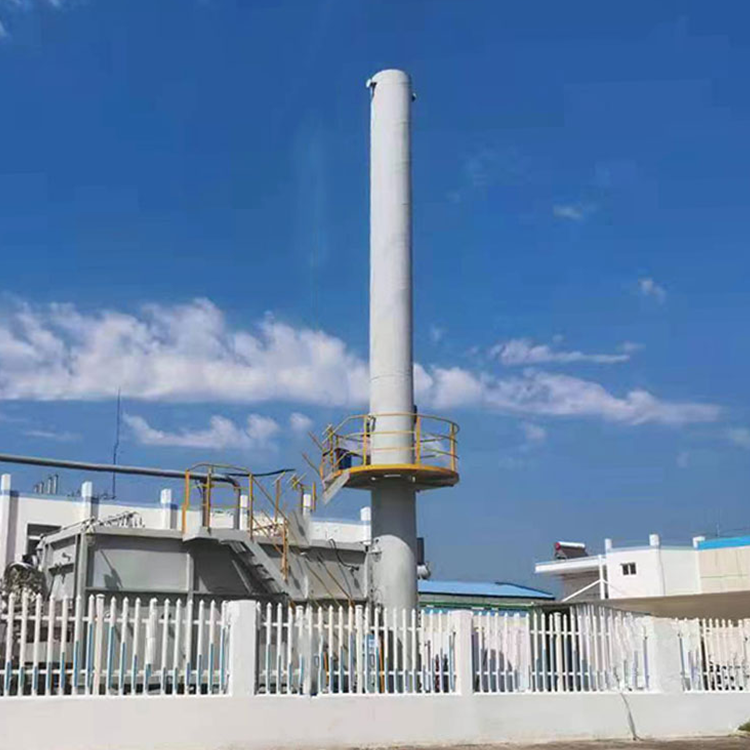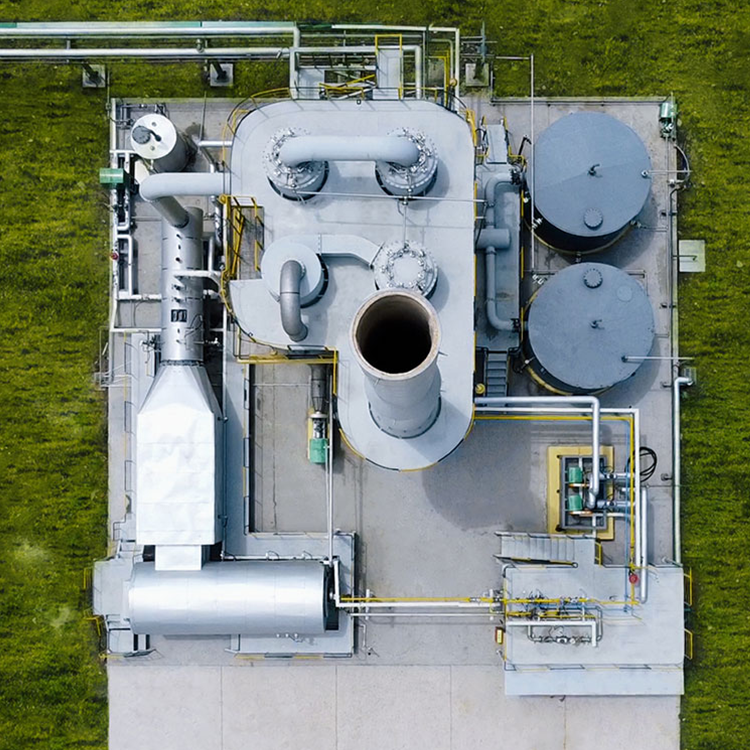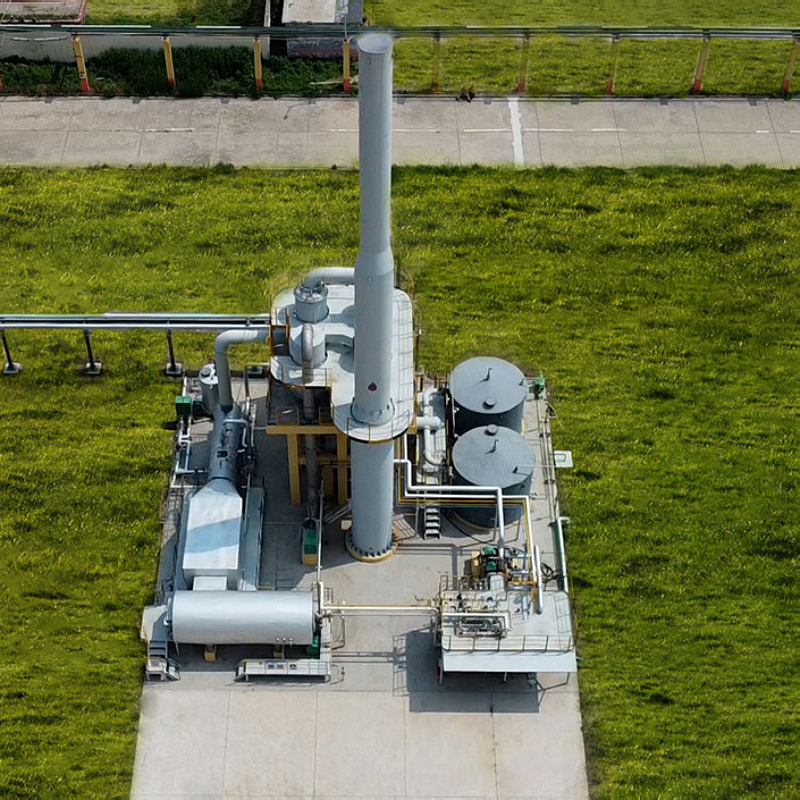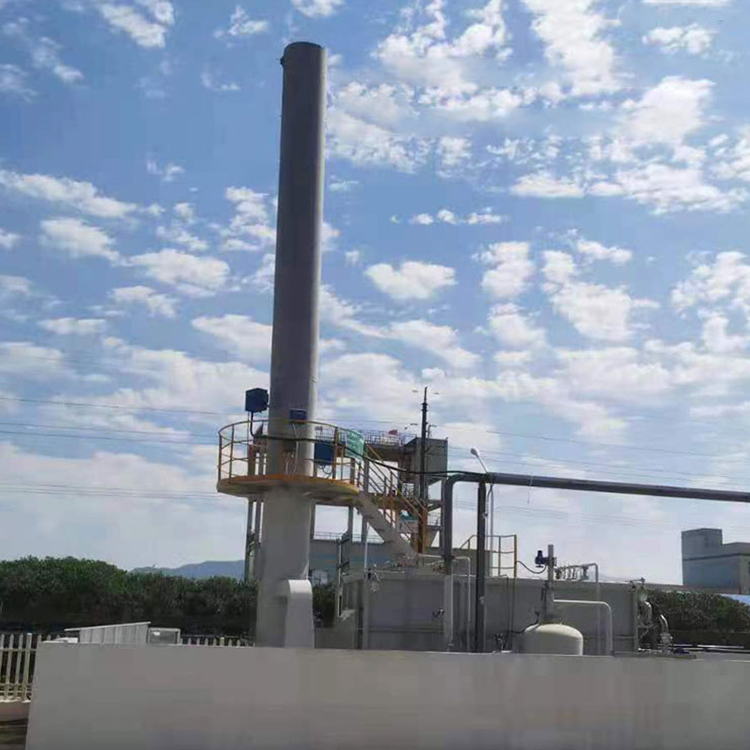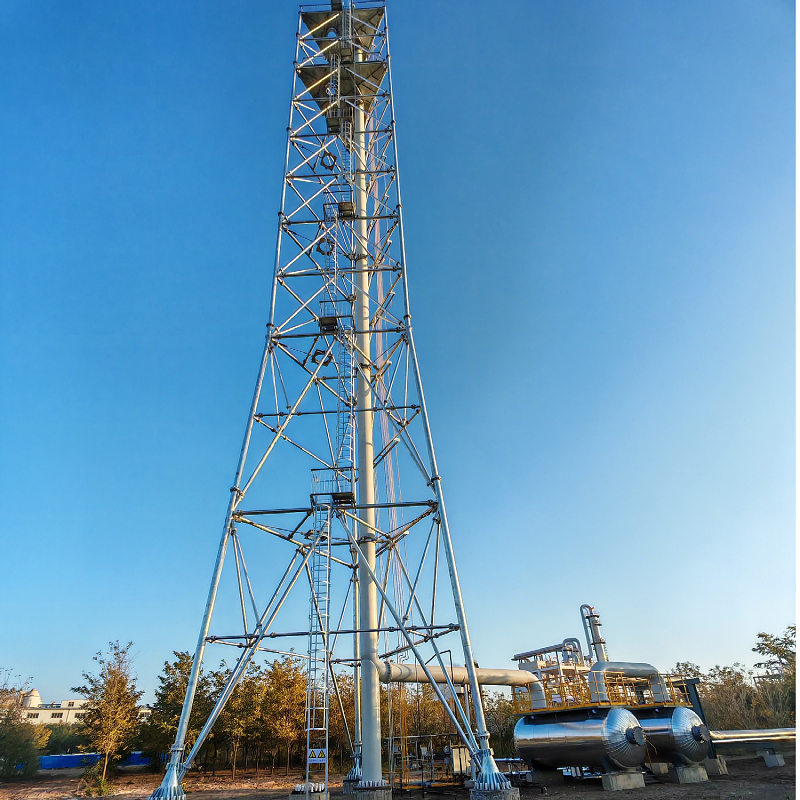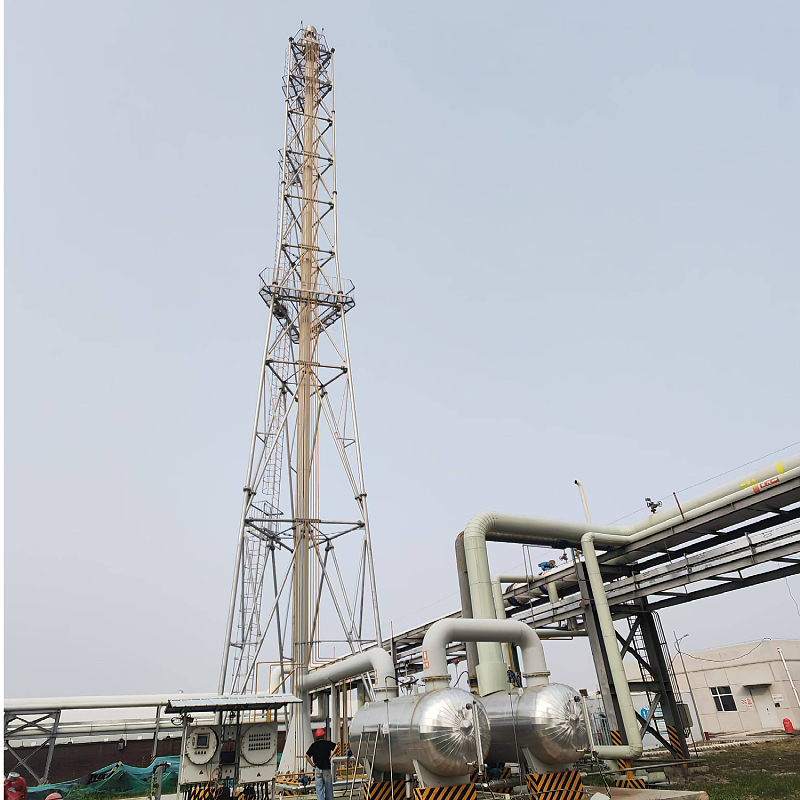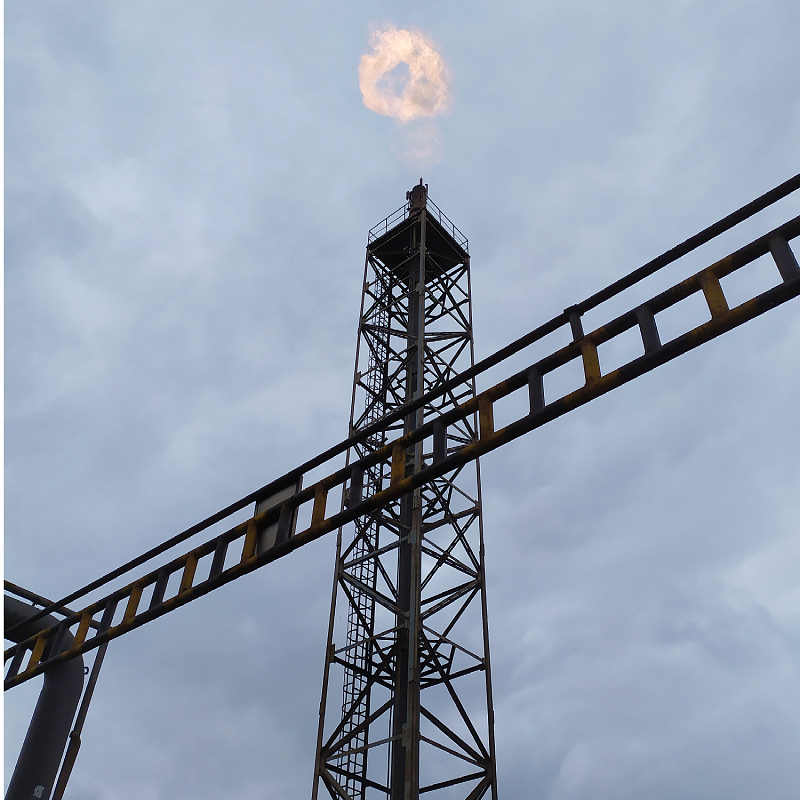

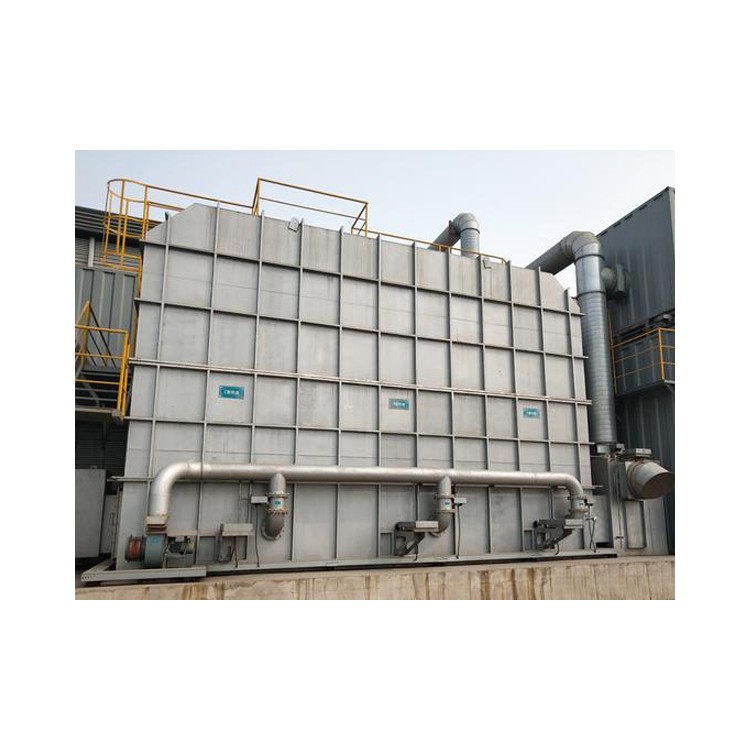

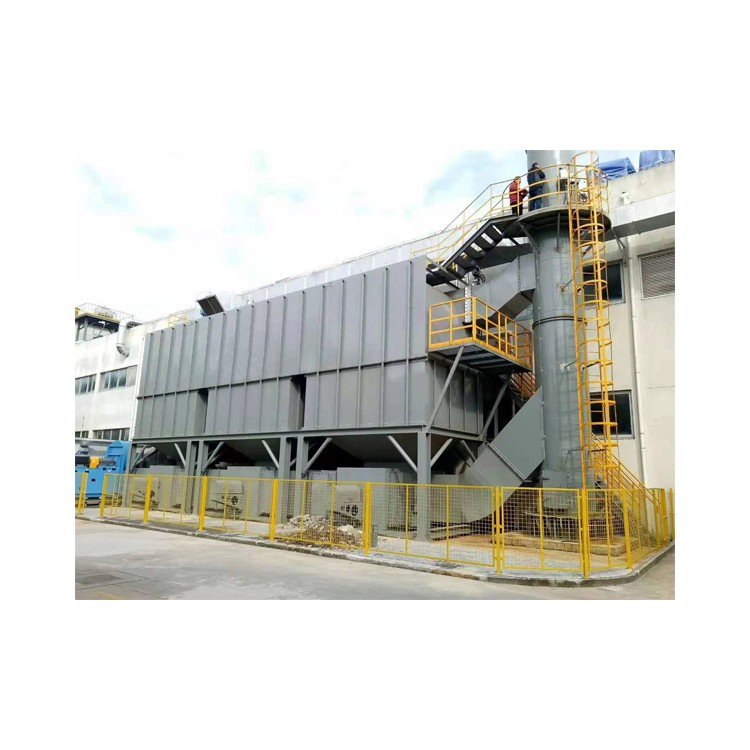







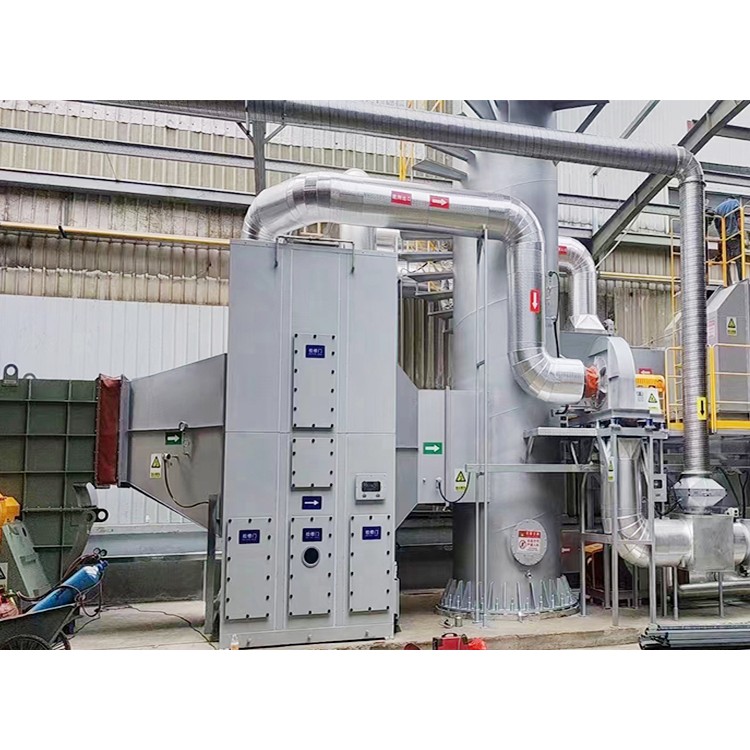
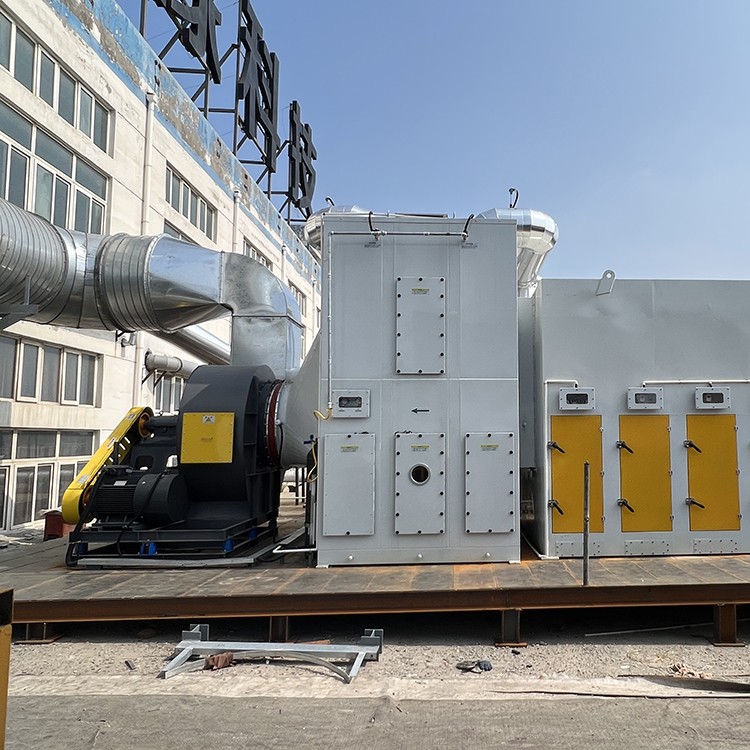
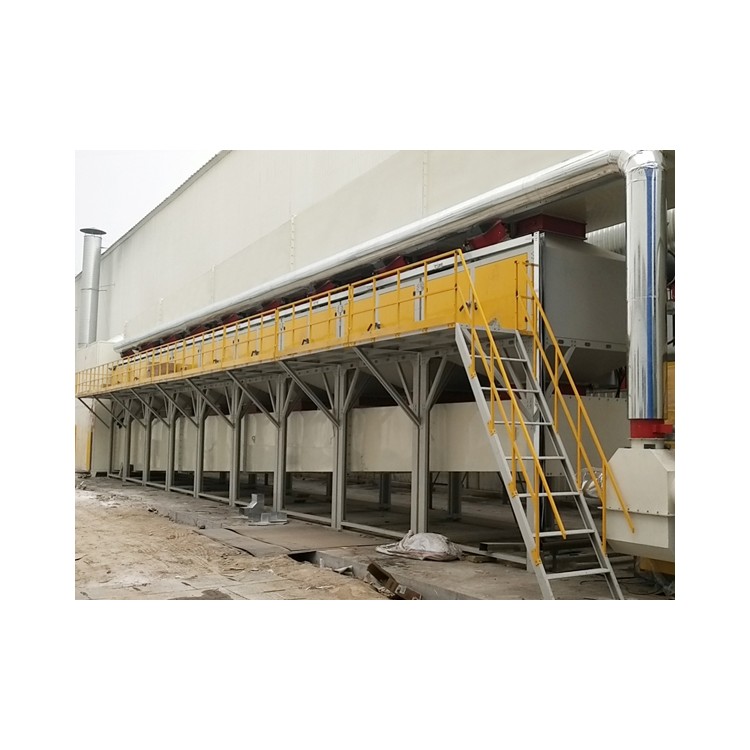
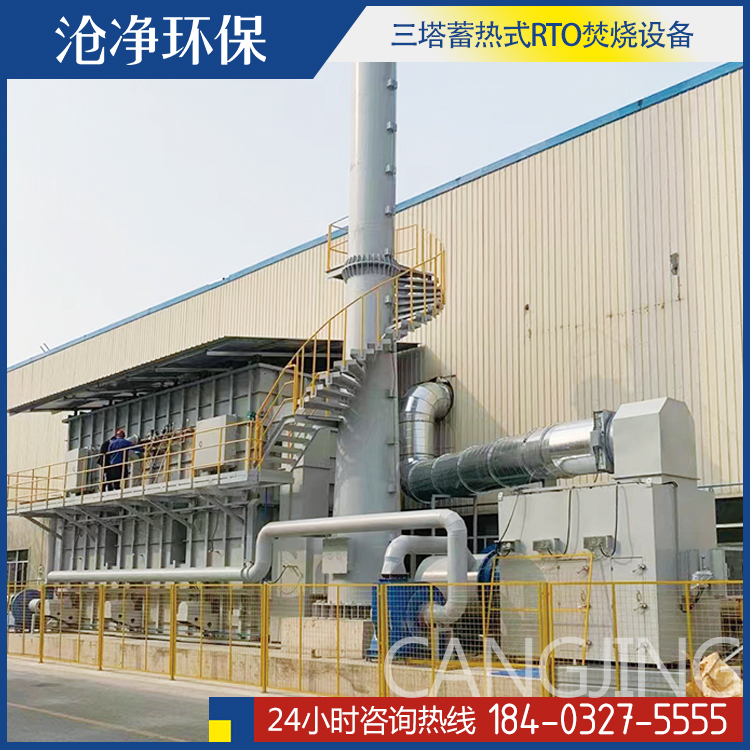
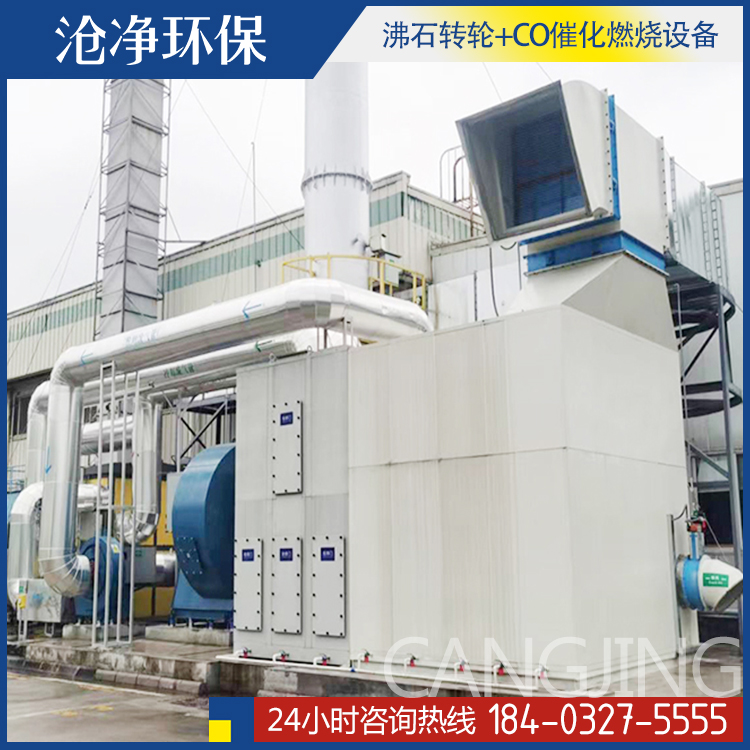
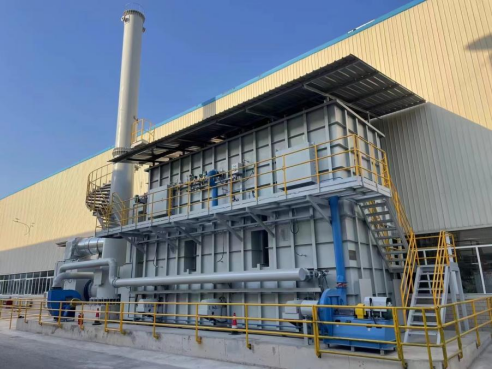
RTO (Regenerative Thermal Oxidizer, Regenerative thermal oxidizer), mainly including a regenerative chamber, oxidation chamber, fan, burner, valves, detection and alarm instruments, etc. It absorbs the heat generated by the oxidation of exhaust gas in the oxidation chamber through the honeycomb ceramic regenerative body installed inside, and uses this heat to preheat the incoming exhaust gas, thereby reducing the heat emission of the treated exhaust gas, saving heat loss during the oxidation and升温 process of the exhaust gas, and maintaining a high thermal efficiency (over 95%) during the high-temperature oxidation process. It has the advantages of simple equipment, operation, maintenance, and VOCs purification. Additionally, the high-temperature gas heat from the RTO furnace is used to preheat the drying chamber after heat exchange, achieving the purpose of energy saving.

The three-bunk heat retention RTO incinerator mainly consists of the RTO body, a set of pneumatic air distribution and switching valves, ceramic heat retention beds, combustion chamber, burner components, and electrical control system.
The RTO equipment is designed with a three-tower structure, featuring high removal efficiency, stable operation, and low energy consumption. Waste gases containing volatile organic compounds (VOCs) are switched through valves to enter the RTO's heat storage bed. After being gradually heated by the heat storage ceramic, the gases enter the combustion chamber, where VOCs are oxidized at high temperatures, releasing heat. The hot air formed then exchanges heat with the stored ceramic as it passes through another heat storage bed, accumulating heat to reduce the consumption of auxiliary fuel. While the heat storage ceramic is heated by the hot air, the clean gas oxidized is gradually cooled, resulting in an outlet temperature slightly higher than the RTO's inlet temperature.
The three-bunk regenerative thermal oxidizer (RTO) features thermal expansion freedom, ensuring a service life of not less than 10 years during full-load production and long-term shutdowns.

RTO Split-Type Structure Design:
Split-type RTOs require more insulation material and main body materials compared to integrated units, thus increasing production costs. However, adhering to our high-quality and high-standard requirements for equipment, we have designed and adopted a split-type RTO, as shown in the illustration below. Each heat storage chamber is independent, and the side wall sections use more insulation material than the integrated design. Nevertheless, this design effectively ensures the rational distribution of heat among the storage bodies during operation, preventing heat transfer between them, thereby maintaining the function and effectiveness of the storage bodies and ensuring the normal and orderly operation of the RTO.
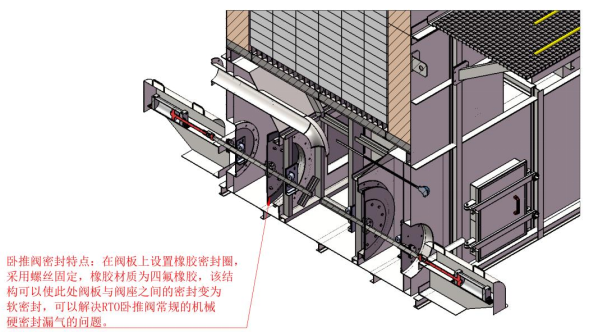
The lifting valve features a metal rigid seal with a stainless steel valve plate, offering excellent sealing performance and is largely unaffected by wind pressure.
Mechanical and gas seals are used to ensure no exhaust leakage from the valve stem.

Regenerative Thermal Oxidizer (RTO) Combustion Chamber Introduction:
The combustion chamber is the primary site for exhaust gas oxidation, with temperatures ranging approximately from 760 to 820°C. Here, the exhaust gases, preheated by the regenerator, undergo oxidation reactions, producing CO2 and H2O.
The combustion chamber is located at the top of the regenerative chamber, with continuous welding on the flange surfaces of each chamber to ensure airtightness. Each chamber must have sufficient strength to withstand the pressure generated by the RTO system's fan. The combustion chamber is equipped with a set of burners. The sides of the combustion chamber are insulated with ceramic fiber soft products, with the insulation thickness not less than 300mm. Above the combustion chamber, a maintenance manhole and an explosion relief port are installed, and a temperature measurement device is set up inside the combustion chamber to monitor operating temperatures in real-time. If the temperature reaches the set upper limit, the system will trigger an alarm.
Insulation Material for RTO Furnace Shell
The furnace oxidation and regenerative chambers are insulated with refractory ceramic fiber, with a heat resistance of ≥1200°C and a bulk density of 220 kg/m³. The insulation thickness of the oxidation chamber is not less than 300mm, the regenerative chamber is not less than 300mm, and the gas distribution chamber is not less than 250mm. The internal insulation consists of three layers, including two layers of aluminum silicate wool blanket and one layer of aluminum silicate fiber module. A heat-resistant steel frame is set inside the aluminum silicate fiber module and fixed to the furnace shell with fasteners. The external surface of the refractory aluminum silicate fiber is coated with high-temperature-resistant mortar.