










Changping District: Pipe unclogging, high-pressure pipe cleaning, pipe repair and inspection, septic tank cleaning, waste suction, septic tank suction, toilet pumping, toilet cleaning, septic tank pumping, community septic tank cleaning.
Clear Mountain Green Water (Beijing) Environmental Cleaning Service Co., Ltd. offers year-round competitive pricing for services such as cleaning sewage pools, sludge removal, wastewater pumping, sludge suction, silt pumping, sediment pool pumping, septic tank cleaning, septic tank cleaning, sludge pool cleaning, wastewater pool cleaning, sludge pool cleaning, large-scale sewage pool desilting, waste sludge treatment plant transportation, silt pool cleaning, sediment pool cleaning, grease trap cleaning, sewage suction and sludge removal, drain cleaning, manhole cleaning, municipal pipeline cleaning, various municipal network projects, pipe installation, water pipe installation and maintenance. We welcome collaborations with property management complexes, government and corporate institutions, shopping malls, schools, office buildings, hotels, factories, and other entities.
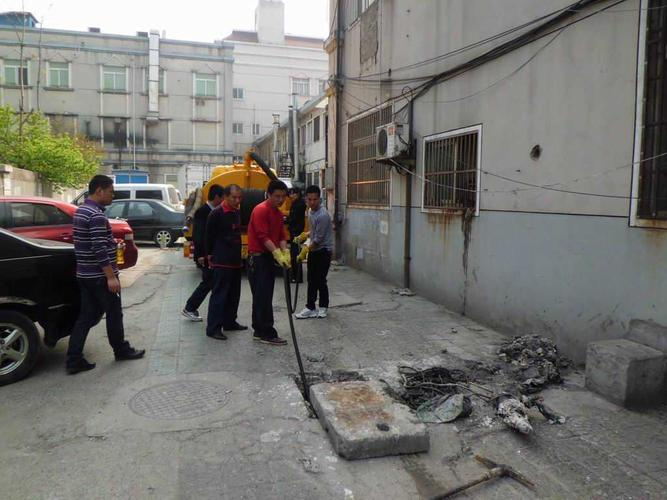
Sewage pumping is a regular task for many residential communities, something that needs to be done every so often. Failing to clean the septic tank promptly can lead to a buildup of feces, causing drain backups and unpleasant odors. During rainy weather, it can even result in leaks from the septic tank, contaminating the community's living environment. In the past, using traditional vacuum trucks to pump the septic tank was particularly麻烦, took a long time, and wasn't always thorough, often leaving an unpleasant smell behind.
Caution for Cleaning Septic Tanks:
1. Operators must wear masks and protective suits when working on septic tanks. They also need to be equipped with a safety belt, which should be tied to a rope capable of supporting over 100 kilograms. The other end of the rope should be secured to a ladder that is exposed outside the septic tank.
2. There should be two to three people on standby above the septic tank, constantly monitoring the conditions inside. If anything seems amiss below, the staff cleaning the septic tank should be pulled up immediately.
3. Septic tanks typically have three manholes, each with two small holes. We need to open the small holes on each manhole and wait for half an hour or an hour.
4. Use an iron hook to open the manhole cover, then flush each well with fire hydrant water for about half an hour after opening. This will significantly reduce the gases in the septic tank.
5. Insert a bamboo pole, approximately 5 meters long, into the septic tank to determine the depth of the sludge and wastewater.
6. If the depth of the septic tank exceeds 1.5 meters, we will need to use a bamboo ladder or another ladder about 1 meter deeper than the septic tank itself.
Standard for cleaning septic tanks:
1. Septic tank waste, sludge, and stains are to be cleared and disposed of properly.
2. Ensure all septic tank sewage within the service range does not overflow.
3. In case of abnormal situations such as septic tank overflow, arrival for handling must be made within 8 hours upon receiving notification.
4. Appropriate precautions should be taken during the septic tank cleaning process.
Standard procedures for cleaning septic tanks:
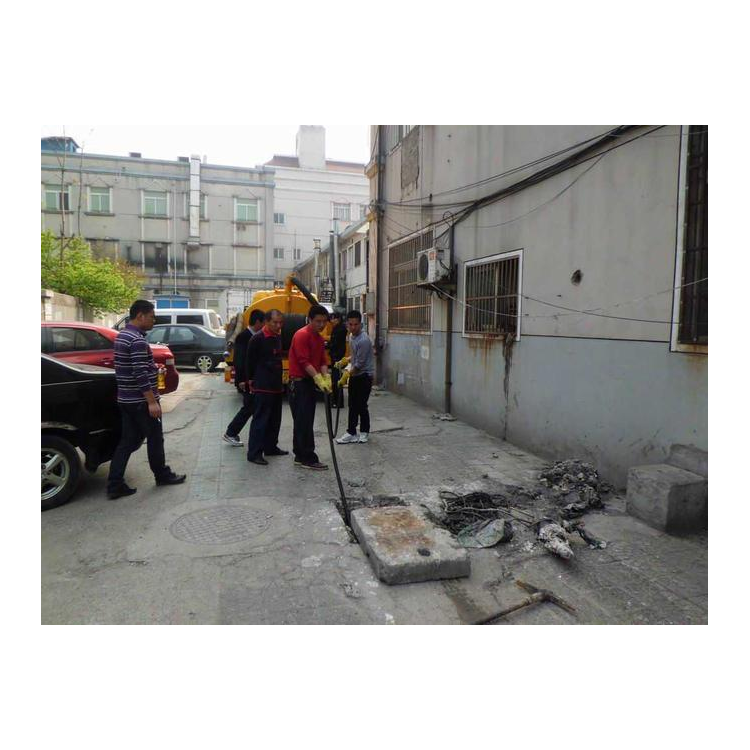
1. When pumping a septic tank, always remember to first open the tank's outer cover. At this point, connect the water pipe and pour water inside, as the feces and debris in the septic tank become quite hard after a long period of stretching. It's difficult to pump them out without water. Next, prepare and connect the pumping pipe, ensuring no air leaks occur. Don't insert the pipe into the bottom of the septic tank first; instead, use a stick to break up all the feces inside. Then, allow the pipe to pass over the surface of the septic tank, utilizing the vacuum suction to remove all the surface debris. If there's domestic waste, it must be removed first to prevent clogging the pipes, which can affect the pumping speed.
2. When pumping septic tanks, warning signs must be set up, and the surrounding area should be fenced off to prevent children or others in the community from accidentally approaching. It could be a disaster if someone falls into the septic tank, and injuries from sewage trucks could also cause unnecessary麻烦. Therefore, proper precautions must be taken. Additionally, once the sewage trucks are full, they should be promptly removed and replaced with another vehicle to continue working until the septic tank is completely pumped clean. After the pumping is done, the site must be cleaned up immediately, and the septic tank cover must be securely closed to avoid any accidental injuries. The fencing and warning signs around the septic tank can also be removed, allowing for normal use. However, pumping the septic tank is not a one-time fix; it should be done every six months or every five to six months to ensure the normal operation of the drain pipes and prevent the septic tank from overflowing and affecting the surrounding environment.
Cleaning requirements for septic tank cleaning:
1) The facility at the fecal transfer station (site, dock) should be intact and clean. The fecal and wastewater for transfer should be sealed and stored in the feces storage pool. The storage pool must meet the requirements of anti-seepage, anti-odorous gas dispersion, and anti-fly, and should be equipped with fire prevention and explosion-proof facilities.
2) Manure in the storage pond should be transported promptly and must not overflow.
3) The fecal matter pipeline should be intact and unobstructed, with tight gates and no damage or leaks.
4) During transshipment operations, feces must not contaminate water bodies or the work area. Wastewater from cleaning the work area should be properly treated before being discharged into the sewage network or collection pond; it must not be directly released into nearby water bodies.
5) When transferring human waste from the waste collection vehicle to motor vehicles, ensure a tight connection between the transfer operations and do not arbitrarily park粪罐,粪桶,手推粪车 on main roads.
6) Caution is required when unloading manure; do not spill feces around the unloading area. After the operation, the unloading port and the work area should be cleaned promptly.
7) Waste transfer stations (sites, docks) must have fly control measures. There should be no more than 3 flies per observation within sight, no maggots, and odor should not exceed level 4.
Our company, committed to serving clients, prioritizing reputation, and focusing on quality, has continuously expanded and grown in recent years. Our service network covers all cities, districts, and counties across the country, making us an ideal partner for properties, residential complexes, corporate entities, office buildings, shopping malls, factories, hotels, and schools.