






Clear Mountain Blue Water (Beijing) Environmental Cleaning Service Co., Ltd. is a comprehensive service provider specializing in pipe unblocking, pipeline repair and inspection, high-pressure pipeline cleaning, drain relocation, septic tank and grease trap cleaning, wastewater well and biochemical pool cleaning, as well as construction site sludge and wastewater management. We also undertake a variety of environmental cleaning and eco-friendly services. Since our establishment, we have always adhered to customer satisfaction as our standard, using our services to alleviate difficulties for every new and old customer, and bringing a cleaner environment to society.
Our company boasts skilled technical workers who have honed their expertise through numerous practical experiences and professional training sessions. They have mastered a set of professional skills, particularly in pipe疏通 work that others cannot accomplish. We have the capability and technology to clear blockages promptly. We offer advanced tools and technical expertise for sewer network renovations, creating a comfortable, safe, and reliable environment for clients. We welcome long-term contract signing with property management, communities, corporate and government agencies, shopping malls, schools, hotels, research institutions, villa areas, factories, stations, and railway transportation companies. Our company holds the required cleaning qualifications, confined space operation certificates, pollution control certificates, business license, and our professional technicians are certified to work. To meet the needs of both new and existing customers, we operate 24/7, even on holidays.
Pinggu District wastewater extraction services, on call anytime. Detailed service information:
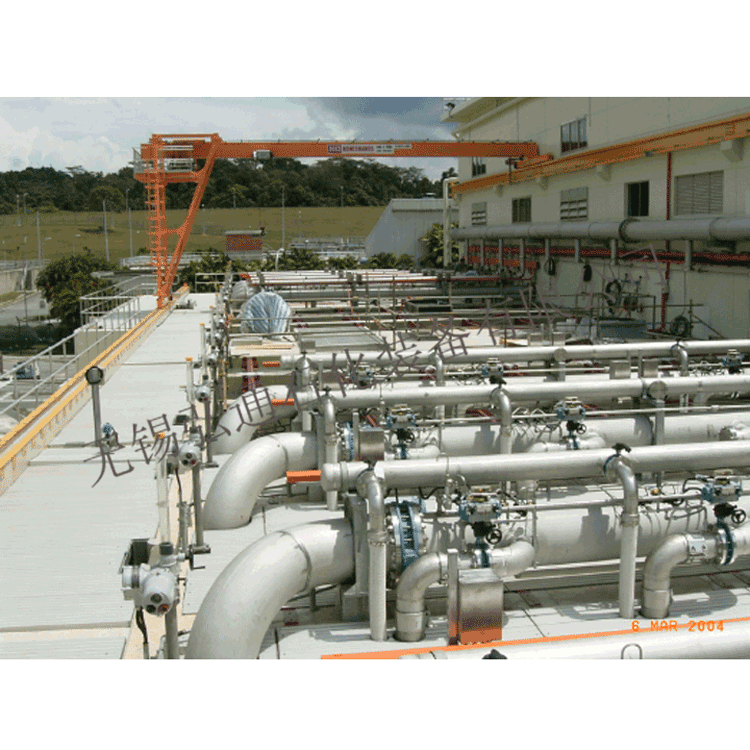
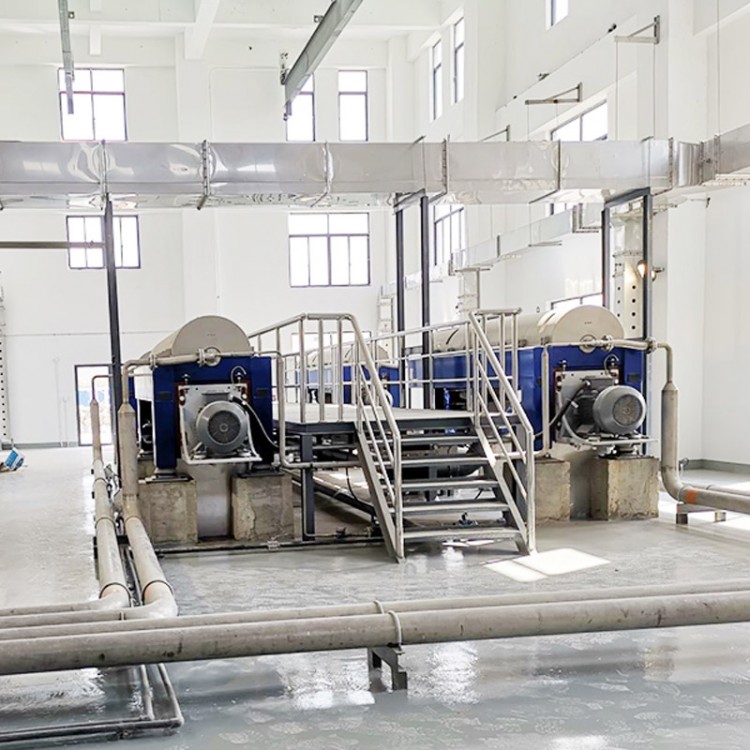
The main components of the wastewater treatment pond include sedimentation tanks, oxidation tanks, regulation tanks, and sludge ponds. The sludge mainly consists of hawthorn, settled sludge, and biological sludge. Promptly removing sludge is a crucial task in the operation and management of the wastewater treatment pond. The sedimentation tank in the treatment process contains a large amount of sludge, most of which is harmful. If sludge is not removed in time, anaerobic fermentation can occur, causing the sludge to float, disrupting the normal operation of the sedimentation tank and deteriorating the quality of the effluent water. The initial sediment also contains organisms and heavy metal compounds. When pumping wastewater incompletely, the pond should be stopped (emptied) and manually flushed to remove sludge. For sedimentation tanks with mechanical sludge removal, strengthen the maintenance and management of the sludge removal equipment. In case of equipment failure, repair it promptly to prevent excessive sludge accumulation at the bottom of the pond and affect the quality of the effluent water.
Wastewater Pond Cleaning Construction Plan
1. Close the wastewater pond inlet valve, cut off the water source, address temporary drainage issues during construction, and affix signage.
2. The sewage pool is an enclosed space. For safety reasons, we have pre-installed ventilation measures to ensure everything is foolproof.
3. Drain wastewater from the sump.
4. Dilute sludge. Use a high-pressure pump to dilute the sludge. Clean the sediment and debris at the bottom of the pool.
5. Flush with clean water and promptly remove until clean.
6. Prior to sludge dilution, use a vacuum truck to flush repeatedly. Once the sludge is diluted, activate the sludge extraction equipment. The sludge is then suctioned through pipes and placed into a prepared slurry truck for removal. Prevent secondary pollution to the environment.
7. Resume use of the wastewater pond and inspect the related equipment and valves for proper operation.
Wastewater Pond Cleaning Construction Plan:
One, Construction Section Division: Due to the large area of the sewage pool, it is divided into 3 sections for cleaning based on the project requirements for the sewage pool cleaning. The sewage in the pool is pumped out by vacuum trucks and transported to a wastewater treatment plant for proper disposal. The bottom sludge is all transported externally for landfilling.
Two, Clean the site's environmental hygiene: In accordance with relevant regulations on dust control, to ensure that during the cleaning of the sewage pool, dust is not generated in the factory area. A new dirt road has been opened up in the open space of the factory, bypassing the production workshops, and is supervised by a dedicated person.
Three, Safety Measures: Establish in the construction area of cleaning the sewage pond, with a dedicated guardian to prevent factory personnel from entering the construction site and encountering accidents.
Wastewater pond cleaning can be categorized into physical, biological, and chemical methods based on function.
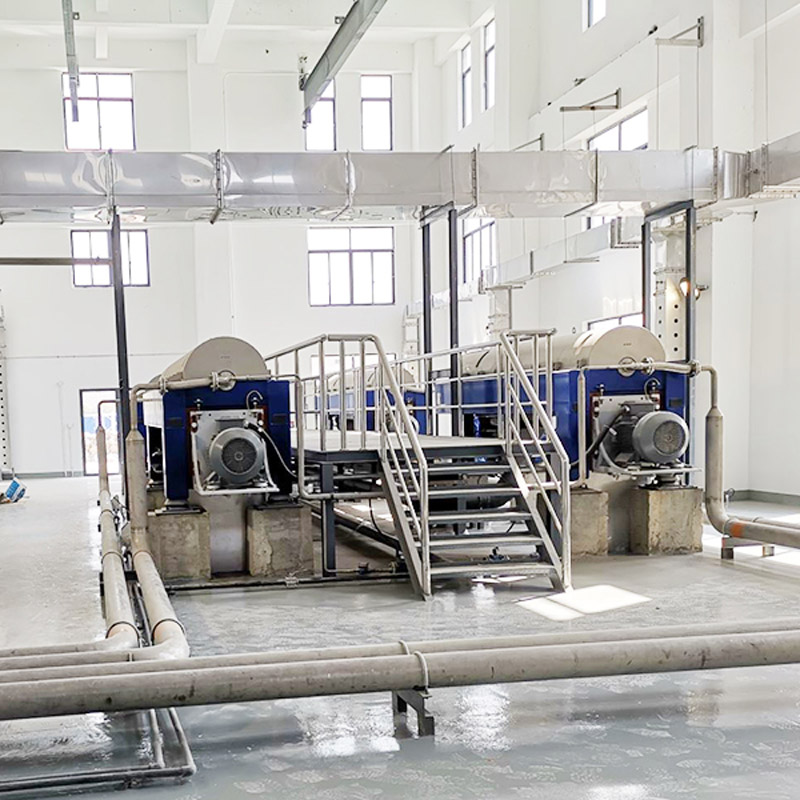
1. Physical Methods: Common methods we use in our daily life for cleaning wastewater pits include gravity separation, centrifugal separation, reverse osmosis, and air flotation. Physical treatment methods are simple and cost-effective, suitable for towns with large water volumes, strong self-purification capabilities, and low wastewater treatment requirements. This method primarily utilizes physical actions to separate the non-soluble substances in wastewater, without altering their chemical properties during the process.
2. Biological Method: This method utilizes the metabolic functions of microorganisms to decompose and oxidize harmful substances dissolved or colloidal in wastewater into stable inorganic matter, thereby achieving the purpose of wastewater purification. The degree of treatment by the biological method is superior to that of the physical method.
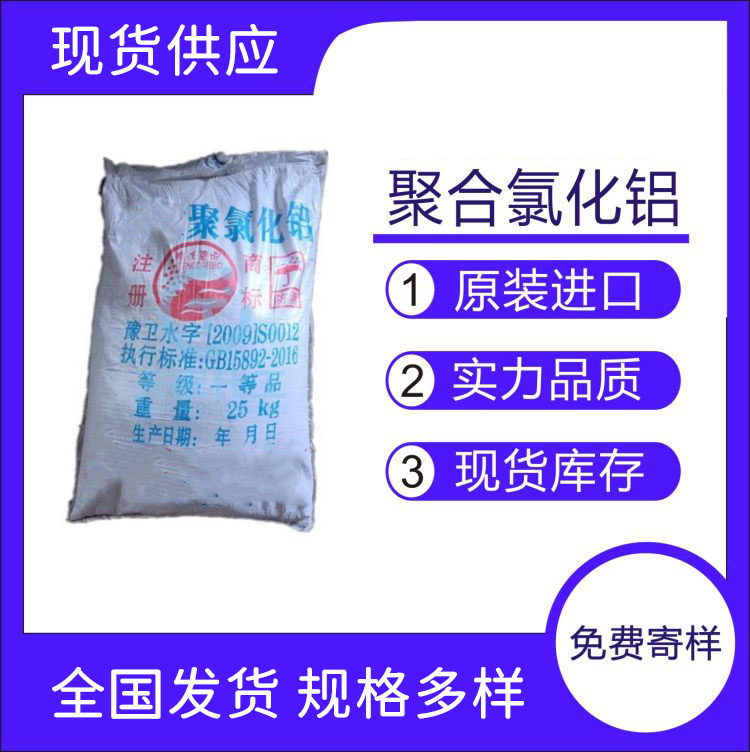
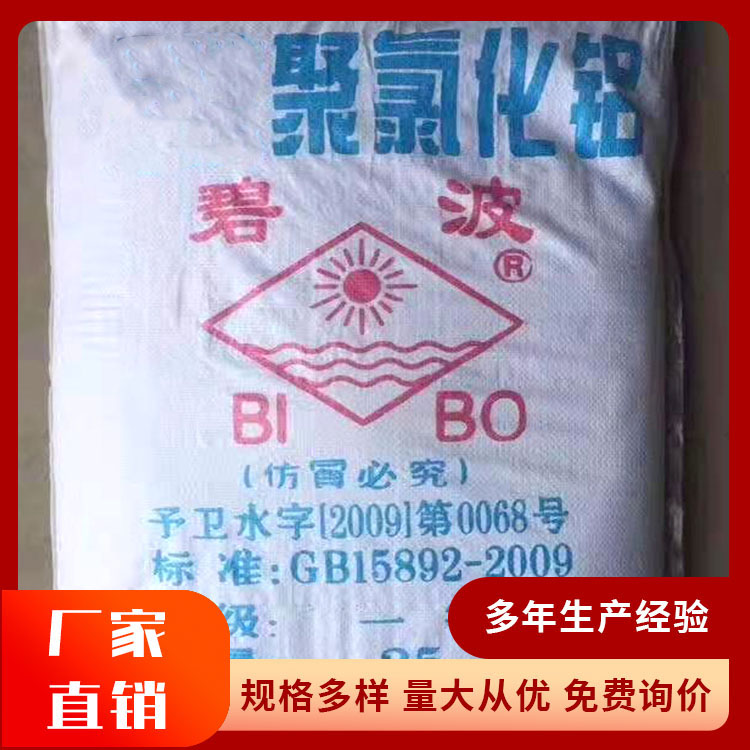
3. Chemical Methods: Commonly used methods include coagulation, neutralization, oxidation-reduction, and ion exchange. As the name implies, these are methods that utilize chemical reactions to treat or recover dissolved or colloidal substances in wastewater. This type of chemical treatment is often used for industrial wastewater. Although chemical treatment offers good results, it is costly and is typically used as a secondary treatment after biochemical treatment to enhance the quality of the effluent.
Currently, the resource utilization of wastewater in our country is still in its infancy, with underdevelopment and imbalance, overall utilization levels not high, and a significant gap remains from the requirements of building a beautiful China. Additionally, there are issues such as incomplete standards, inadequate policies, and the need for further improvement in technological and equipment levels.
Our company adheres to the standards of "green, environmental protection, and energy-saving," and upholds the development philosophy of "promoting technological progress through technological innovation and winning the market and customers with product innovation."