






Changping District Sewage Extraction Service - Comprehensive and Detailed
The main components of the wastewater treatment pond include sedimentation tanks, oxidation tanks, regulation tanks, and sludge tanks. The sludge primarily consists of hawthorn, settled sludge, and biological sludge. Prompt sludge removal is a crucial task in the operation and management of wastewater treatment ponds. The sedimentation tanks often contain a large amount of sludge, much of which is harmful. If not removed promptly, it can lead to anaerobic fermentation, causing sludge to float to the surface, disrupting the normal operation of the sedimentation tank and deteriorating the quality of the effluent. Initial sedimentation may still contain pathogens and heavy metal compounds. When pumping wastewater incompletely, the pond should be stopped (emptied) and manually flushed to clean the sludge. For sedimentation tanks with mechanical sludge removal, it is essential to strengthen the maintenance and management of the sludge removal equipment. In case of equipment failure, repairs should be made promptly to avoid excessive sedimentation at the bottom, which can affect the quality of the effluent.
Wastewater Pond Cleaning Construction Plan
1. Close the influent valve of the sewage pond, cut off the water source, address the temporary drainage issue during construction, and affix signage.
2. The sewage pool is an enclosed space. For safety reasons, we have pre-installed ventilation to ensure safety.
3. Drain the wastewater from the sump pit.
4. Dilute sludge. Use a high-pressure pump to dilute the sludge. Clean the bottom sediment and debris in the pool.
5. Rinse with clear water until clean, then promptly drain.
6. Prior to sludge dilution, use a sludge suction truck to flush repeatedly. Once the sludge is diluted, activate the sludge suction equipment, and pump the sludge through pipes into a prepared slurry truck for removal. Avoid causing secondary environmental pollution.
7. Resume use of the wastewater pond and inspect the related equipment and valves for proper functioning.
Wastewater Pond Cleaning Construction Plan
1. Construction Phase Segmentation: Due to the large area of the wastewater pond, it is divided into 3 phases for cleaning, in accordance with the project timeline requirements. The wastewater is suctioned by waste removal trucks and transported to a wastewater treatment plant for proper processing. All the sediment at the bottom is hauled away for landfill disposal.
Two, Clean up the work site's environmental sanitation: In accordance with relevant regulations on dust control, to ensure that dust is not generated during the cleaning of the sewage pool, a new dirt road has been opened up on the empty ground within the factory area, bypassing the production workshops, and is being managed by a dedicated staff.
III. Safety Measures: Establish within the construction area of the sewage pool cleaning, with a dedicated person on guard to prevent factory personnel from entering the construction site and experiencing accidents.
Wastewater pond cleaning can be categorized into physical, biological, and chemical methods based on function.
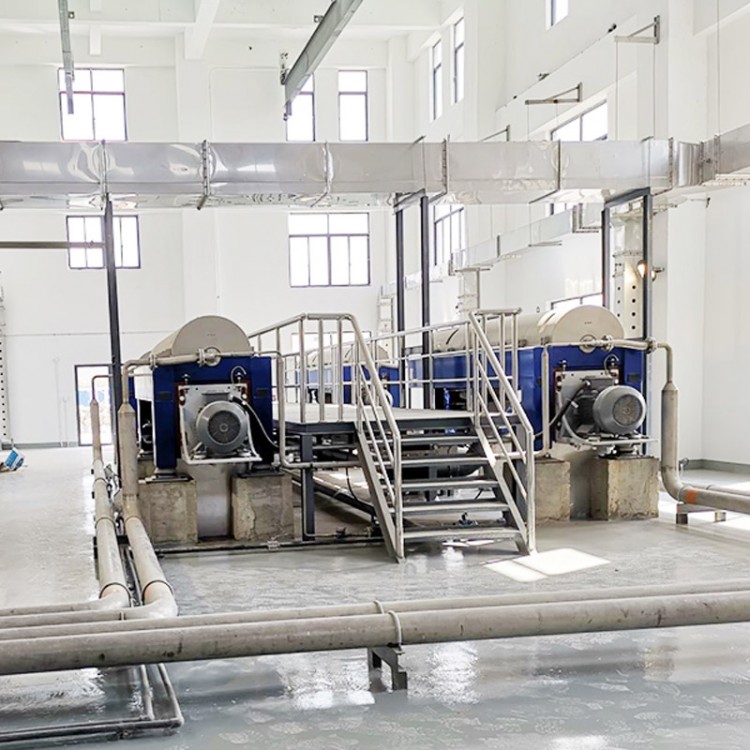
1. Physical Methods: Common methods we use in our daily lives for cleaning septic tanks include gravity separation, centrifugal separation, reverse osmosis, and air floatation, etc. Physical methods are simple and cost-effective for treating structures, suitable for towns with large water capacities, strong self-purification abilities, and low requirements for wastewater treatment. This method primarily utilizes physical forces to separate the insoluble substances in wastewater, without altering their chemical properties during the treatment process.
2. Biological Method: Involves a process that utilizes the metabolic functions of microorganisms to decompose and oxidize harmful substances dissolved or colloidal in wastewater into stable inorganic matter, thereby achieving the purpose of wastewater purification. The treatment level of the biological method surpasses that of the physical method.
3. Chemical Method: Common processes include coagulation, neutralization, oxidation-reduction, and ion exchange, etc. As the name implies, these methods utilize chemical reactions to treat or recover dissolved or colloidal substances in wastewater. Such chemical treatment is predominantly used for industrial wastewater. While chemical treatment offers effective results, it is costly and often serves as a secondary treatment after biochemical treatment to enhance the quality of the effluent.
Currently, the resource utilization of wastewater in our country is still in its infancy, with insufficient and unbalanced development, a low overall utilization level, and a significant gap from the requirements of building a beautiful China. Additionally, there are issues such as incomplete standards, inadequate policies, and the need for further improvement in technological and equipment levels.
Our company adheres to the standards of "green, environmental protection, and energy saving," and upholds the development philosophy of "promoting technological advancement through technological innovation and winning the market and users with product innovation."