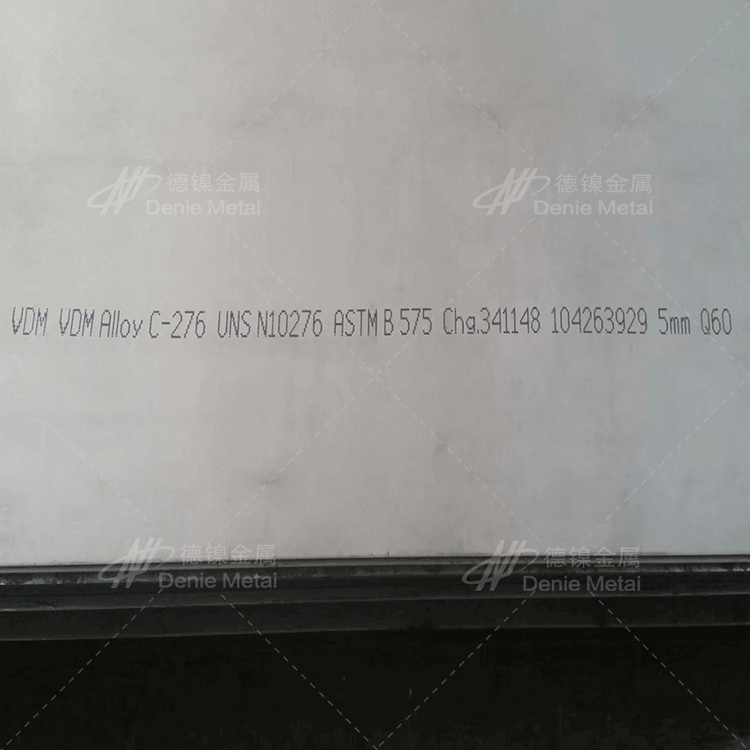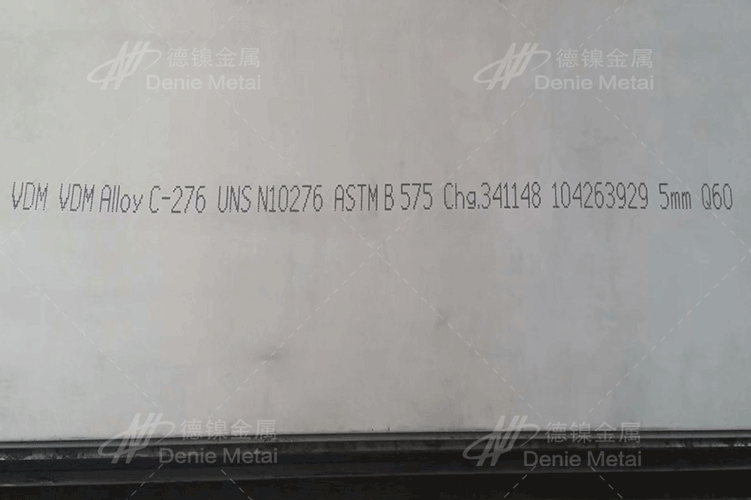

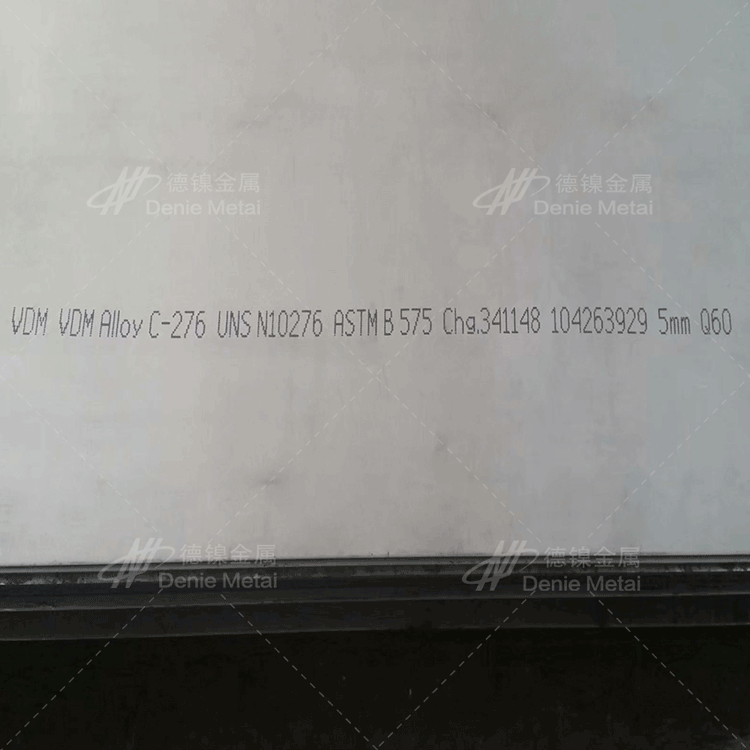
















Hastelloy G30
Product Overview
Hastelloy G30 is a nickel-based superalloy composed of elements such as nickel, chromium, cobalt, and tungsten, with approximately 37% nickel content. It is a high-chromium nickel-based alloy known for its excellent corrosion resistance and high-temperature properties.
Hastelloy G30 exhibits excellent oxidation resistance in high-temperature environments, outperforming traditional nickel-based alloys. In the chemical industry, Hastelloy G30 is suitable for equipment, pipes, and pipe fittings handling highly corrosive media. For instance, it can be used for pipes, valves, and filters in chemical plants. In the field of marine engineering, Hastelloy G30 is used to manufacture pipes, valves, and structural components for offshore platforms.
In summary, Haste alloy G30 is a high-performance nickel-based superalloy material that maintains stable properties in high temperatures, harsh corrosive environments, and adverse conditions.
Product Features
The addition of high melting point powder metallurgy elements such as tungsten, molybdenum, and vanadium can cause segregation during solidification within castings, leading to uneven microstructure. Using alloy powders with particle sizes ranging from tens to hundreds of micrometers, parts formed by pressing and sintering can eliminate segregation, ensure uniform microstructure, save materials, and are both economical and reasonable.
Carbide and oxide reinforcement. Carbides are hard and brittle, and are non-coherent with the matrix, hindering dislocation cutting. Some carbides are easily soluble at high temperatures and precipitate at low temperatures, being stable at high temperatures and not easily growing. Examples include VC, M23C6, and NbC. Increasing the content and dispersion of carbides enhances the reinforcement effect, but excessive saturation can lead to the precipitation of large carbide particles, causing brittleness. Through powder metallurgy, fine oxide particles such as ThO2, Y2O3, and Al2O3, which remain stable at high temperatures, are added to the alloy, providing a dispersed distribution that acts as a pinning for dislocations and hinders their movement.