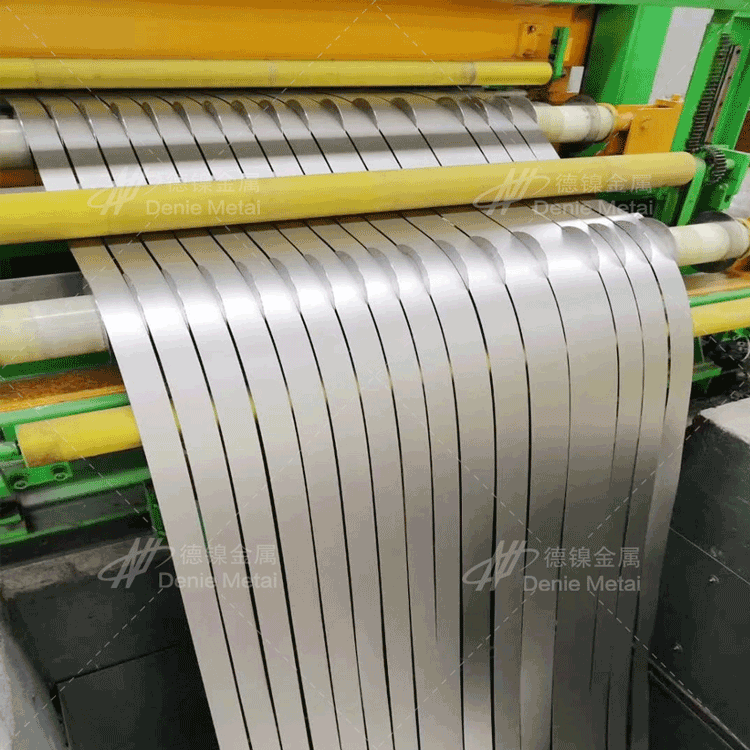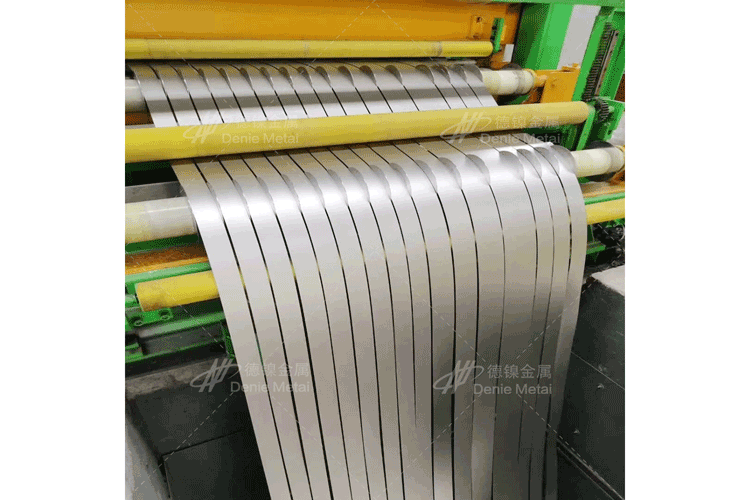

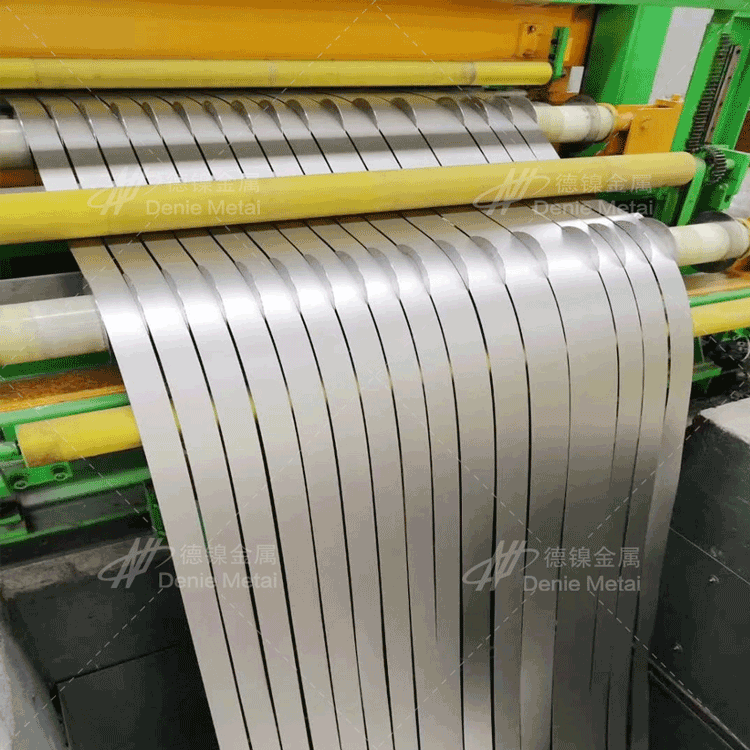


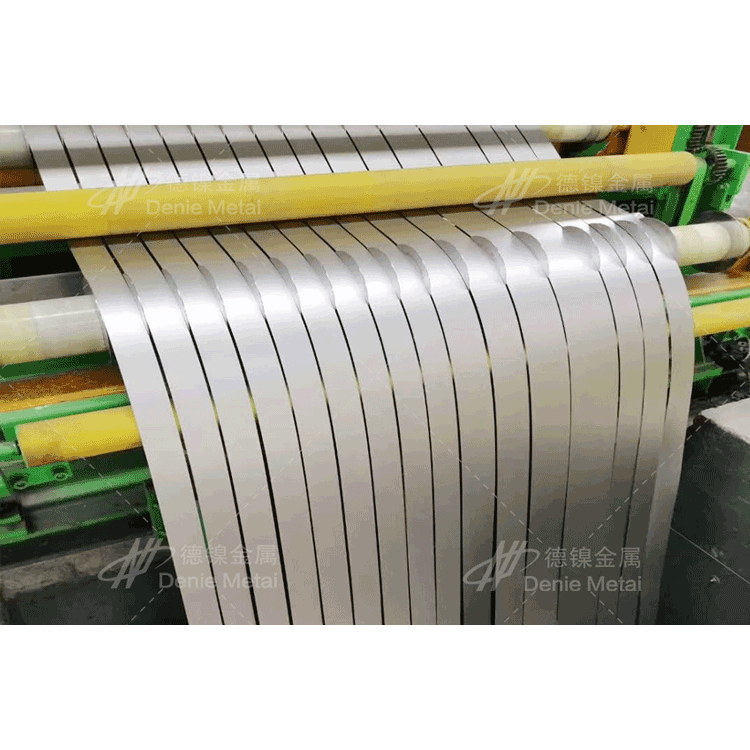












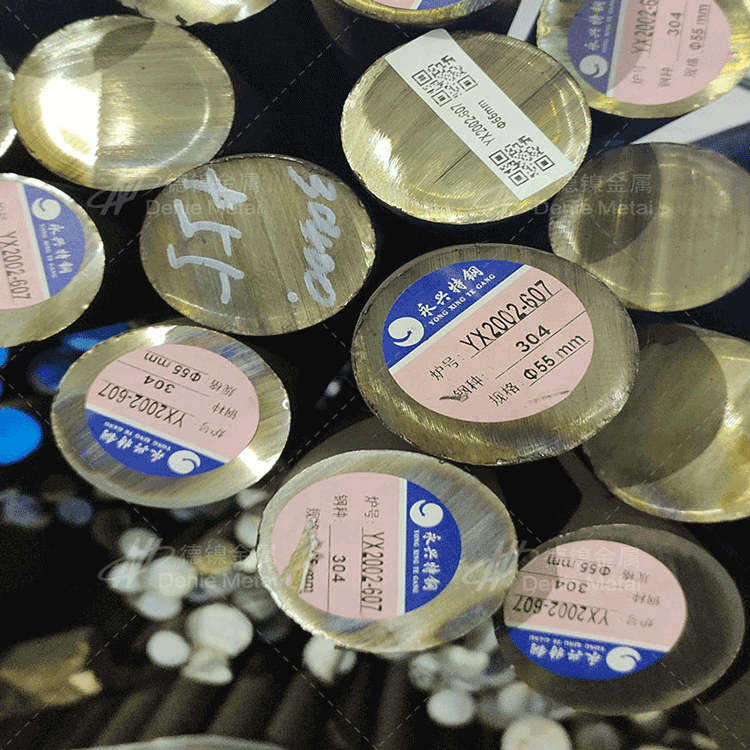

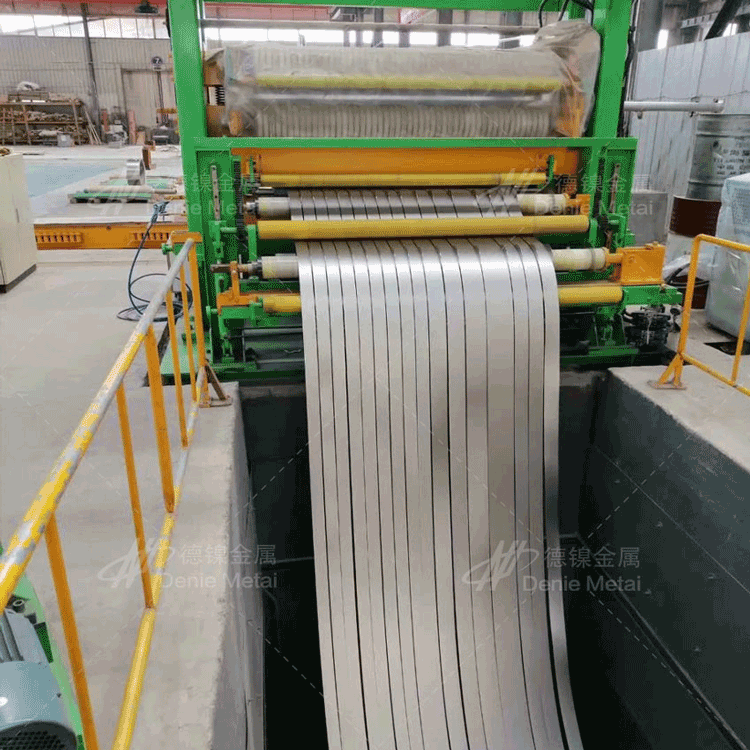

310S steel strip
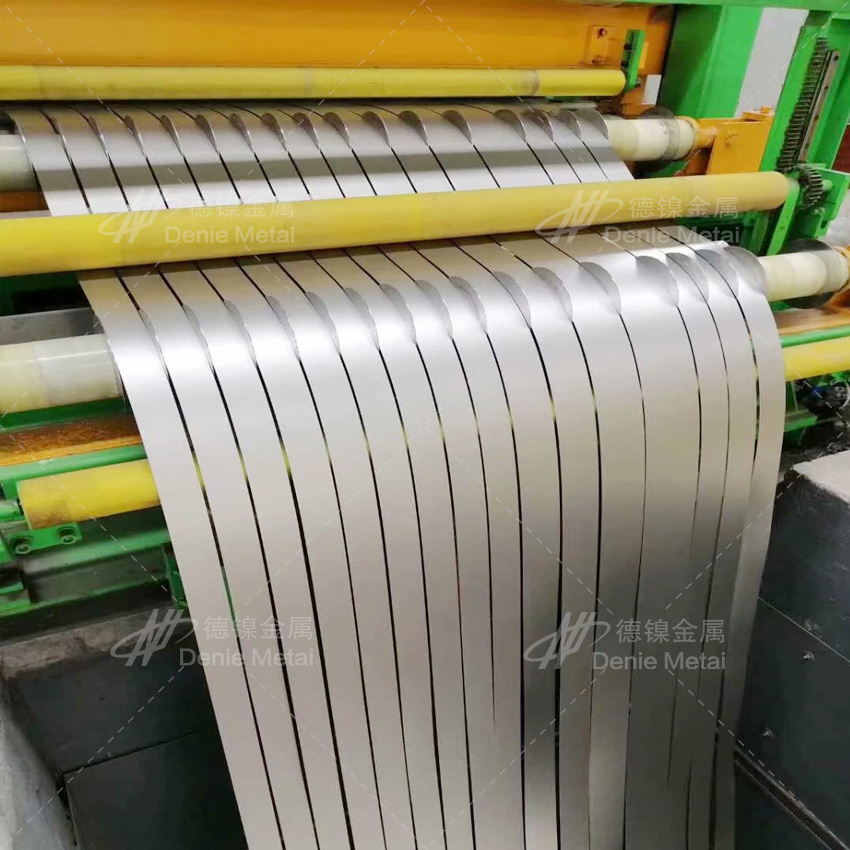
Product Introduction
310S is an austenitic chromium-nickel stainless steel with excellent oxidation and corrosion resistance due to its higher percentage of chromium and nickel. It boasts much better creep strength, capable of continuous operation at high temperatures, and exhibits good high-temperature resistance.
Chemical Composition
C≤0.08
Si≤1.50
Mn≤2.00
P≤0.035
S≤0.03
Cr:24.0-26.0
Ni:19.0-22.0
Product Application
Nickel is an excellent corrosion-resistant material and a crucial alloying element for alloy steel. Nickel is the element that forms austenite in steel. However, to obtain a pure austenitic structure in低碳 nickel steel, the nickel content must reach 24%; it is only when the nickel content is 27% that the steel's corrosion resistance in certain media significantly changes. Therefore, nickel cannot form stainless steel on its own. But when nickel and chromium are present together in stainless steel, the nickel-rich stainless steel exhibits many valuable properties. Based on the above, the role of nickel as an alloying element in stainless steel is to alter the structure of high-chromium steel, thereby improving the corrosion resistance and processing properties of stainless steel.
2. Manganese and nitrogen can replace nickel in chrome-nickel stainless steel. Although chrome-nickel austenitic steel offers many advantages, over the past few decades, the rapid development and application of nickel-based superalloys and heat-resistant steels with less than 20% nickel, coupled with the increasing demand for stainless steel in the chemical industry, have created a supply-demand imbalance for nickel globally. This is due to the limited and geographically concentrated nickel reserves. As a result, there has been a worldwide push for nickel-saving and alternative element research and production practices in stainless steel and many other alloy fields, particularly in countries with scarce nickel resources.锰和氮被广泛研究并应用于替代不锈钢和耐热钢中的镍。
3. Manganese's role in austenite is similar to that of nickel. However, to be precise, manganese's function does not lie in the formation of austenite but in its ability to reduce the critical quenching speed of steel, increasing the stability of austenite during cooling, inhibiting the decomposition of austenite, and maintaining the austenite formed at high temperatures until room temperature. Manganese has little effect on improving the steel's corrosion resistance; for instance, a change in manganese content from 0 to 10.4% does not significantly alter the steel's corrosion resistance in air or acid. This is because manganese has little impact on raising the electrode potential of iron-based solid solutions, and the protective effect of the formed oxide film is also low. Therefore, although manganese-alloyed austenitic steels (such as 40Mn18Cr4, 50Mn18Cr4WN, and ZGMn13) are used industrially, they cannot be used as stainless steel. Manganese's role in stabilizing austenite in steel is about half that of nickel, meaning 2% nitrogen also stabilizes austenite and has a greater effect than nickel.