
















GH3128

Product Overview
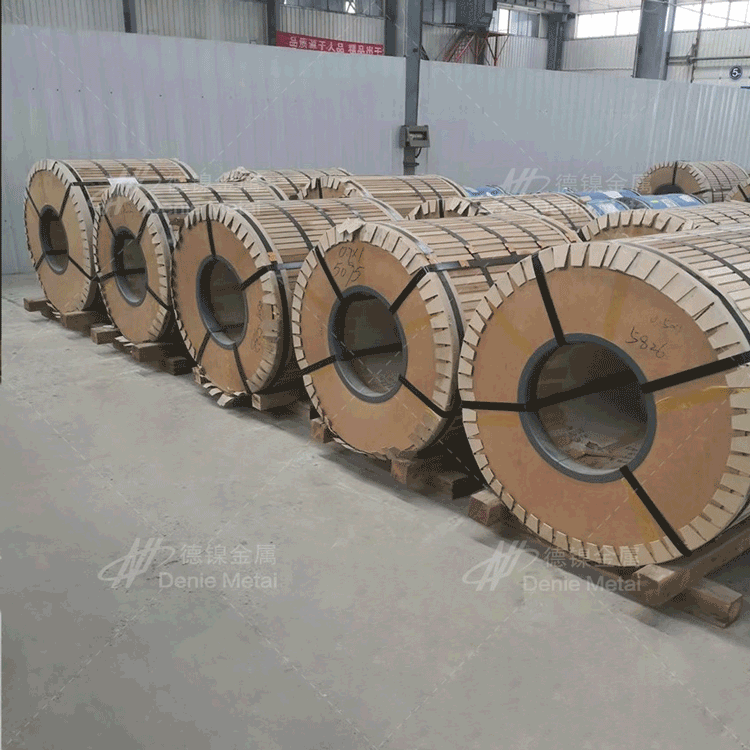
GH3128 (GH128) is a nickel-based alloy strengthened by solid solution with tungsten and molybdenum, and further strengthened at the grain boundaries with boron, cerium, and zirconium. It boasts high plasticity, excellent endurance creep strength, and good oxidation resistance, as well as properties suitable for stamping and welding. Its overall performance surpasses that of similar nickel-based solid solution alloys like GH3044 and GH3536. It is suitable for manufacturing combustion chambers, afterburner shells, control surfaces, and other high-temperature components for aircraft engines operating at 950°C for extended periods. Main products include cold-rolled thin plates, which can also be supplied in hot-rolled sheets, bars, forgings, wires, and tubes. The delivery condition is after solution treatment at 1140-1180°C, followed by air cooling. High-temperature properties are tested after additional solution treatment at 1200°C. Cold-rolled plates range from 0.8 to 4.0mm, hot-rolled plates from 4 to 14mm, and cold drawn welding wires from Φ0.3 to 10mm. Cold-rolled and hot-rolled plates are supplied after solution and acid pickling; welding wires are available in cold drawn, semi-hard, or after solution and acid pickling. Non-vacuum or vacuum induction melting with electroslag remelting is used. The alloy is suitable for manufacturing combustion chamber and afterburner components for aircraft engines operating below 950°C, with good performance.
Process performance and requirements
1. The furnace temperature during ingot forging should not exceed 700°C, with the final forging temperature being greater than 900°C.
2. The average grain size of the alloy is closely related to the degree of deformation of the forging and the final forging temperature.
3. Alloys can be welded using methods such as TIG welding, spot welding, and seam welding.