

















Incoloy 800H
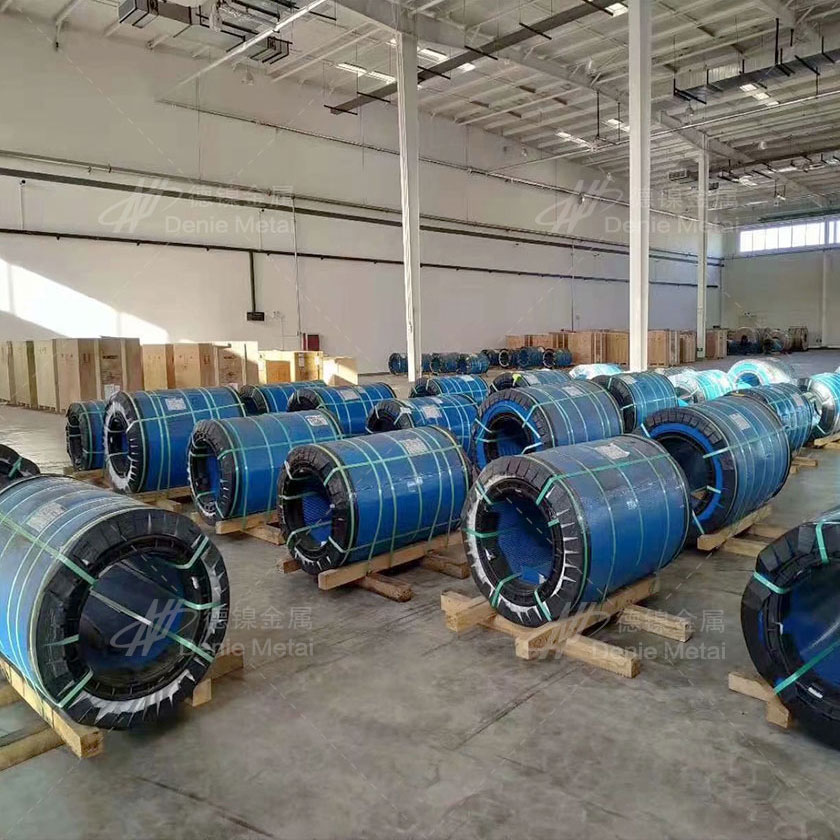
Ingredients
Incoloy 800HH is a nickel-based superalloy, primarily composed of nickel (about 30%), chromium (about 24%), aluminum (about 3%), iron (about 3%), manganese (about 2%), and silicon (about 1%) among other elements. Among these, nickel is a key element that enhances the alloy's corrosion resistance, while chromium improves the alloy's oxidation and corrosion resistance.
Performance
Corrosion resistance properties
Incoloy 800HH boasts excellent corrosion resistance at high temperatures, making it suitable for use in environments with corrosive gases like hydrogen sulfide and hydrogen chloride. Moreover, the alloy surface can form a dense oxide film, effectively preventing further oxidation and corrosion.
2. High-temperature strength
Incoloy 800HH boasts excellent high-temperature strength, enabling it to withstand high pressure and stress at elevated temperatures. This makes it highly applicable in high-temperature, high-pressure environments, such as petrochemical and aerospace industries.
3. Processing Performance
Incoloy 800HH boasts excellent machinability, allowing for hot working, cold working, and welding operations. During the machining process, the alloy has poor thermal conductivity, necessitating careful control of the processing temperature and cooling rate to prevent issues such as cracking and deformation.
Applicable
Incoloy 800HH is used in the petrochemical, power, and aerospace industries. In the petrochemical sector, it is employed in the production of high-temperature, high-pressure reactors and distillation towers; in the power industry, it is utilized for the manufacturing of high-temperature flue gas treatment equipment and boilers; and in aerospace, it is used to make high-temperature and engine components.
Processing Features
During hot processing, heating temperature and time should be controlled to prevent overburning and coarse grain issues. Additionally, intermediate annealing treatment should be performed to eliminate the work-hardening phenomenon.
2. During cold working, control the magnitude of deformation and the gradual change in deformation speed to avoid issues like cracking and deformation. Additionally, surface treatment should be conducted to enhance the surface roughness and flatness.
3. During welding, select appropriate welding materials and process parameters to prevent issues like welding cracks and porosity. Additionally, post-weld heat treatment should be conducted to relieve welding stresses and enhance the mechanical properties of the joints.
4. During use, be cautious to avoid contact with corrosive substances and mechanical damage, to maintain its corrosion resistance and service life. Additionally, regular inspections and maintenance should be conducted to identify and resolve any potential issues or risks.