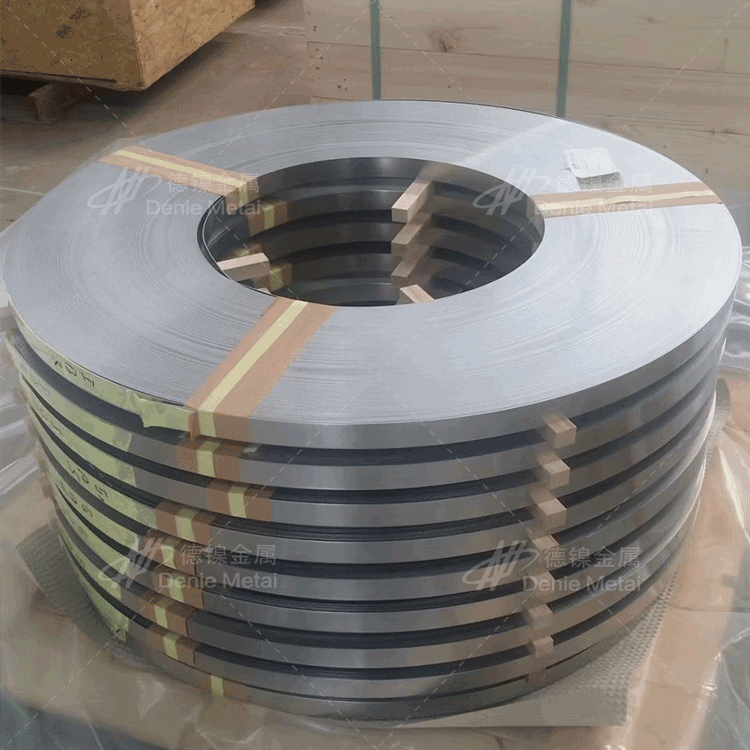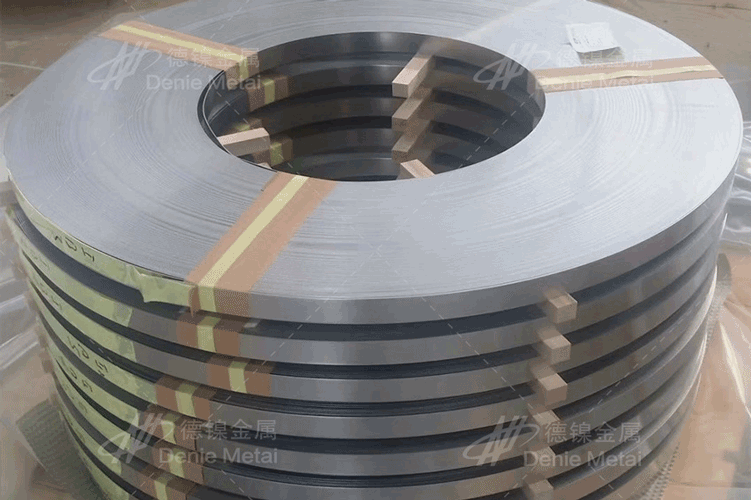

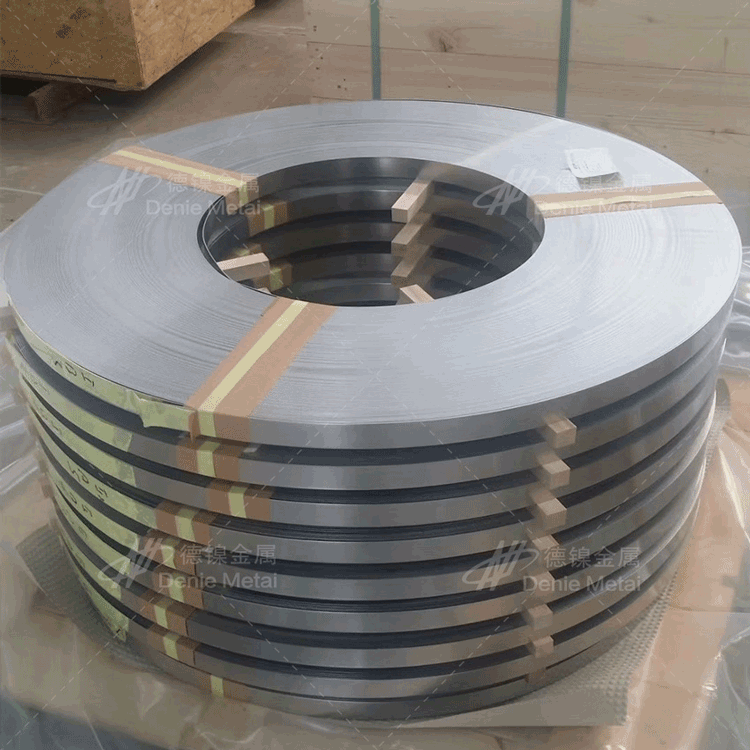












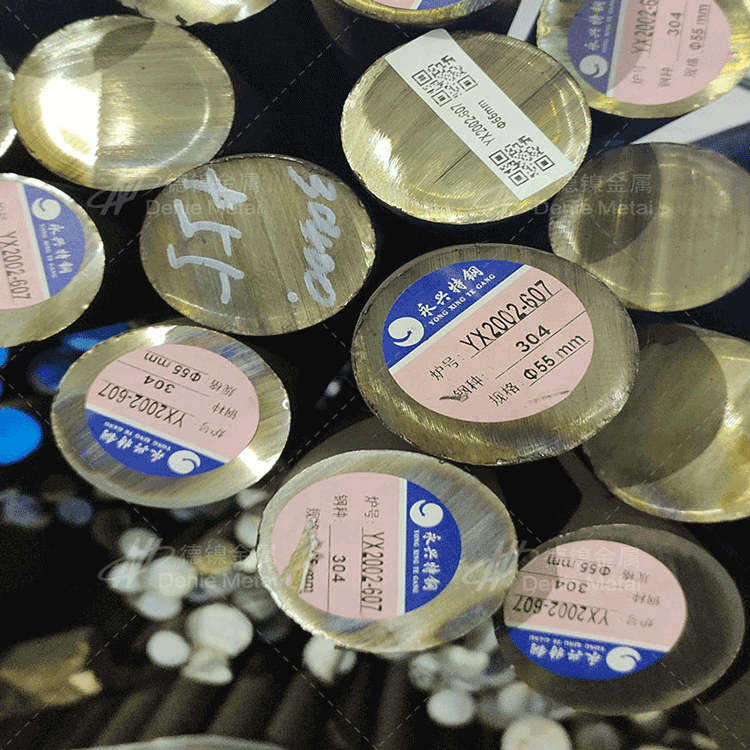

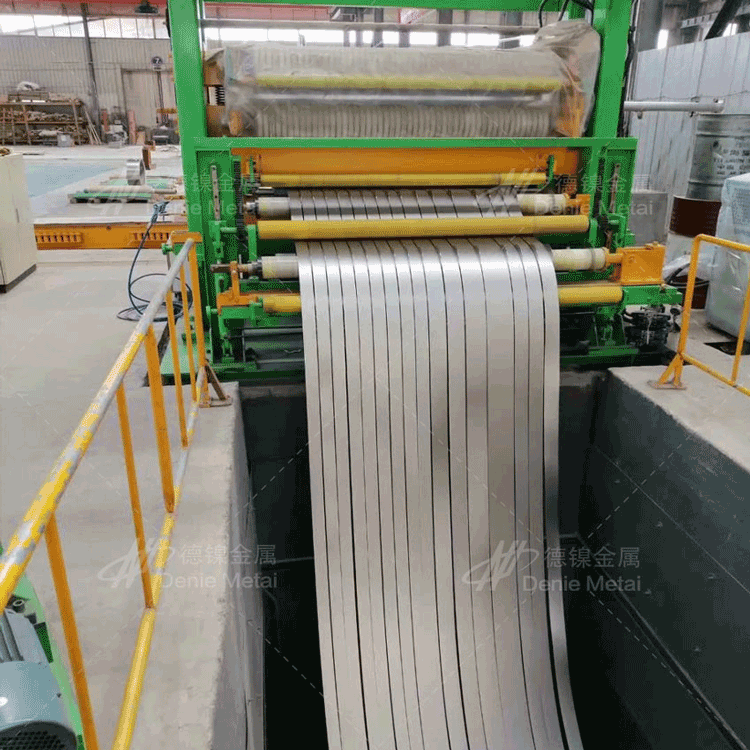


632 stainless steel strip

Product Introduction
632 Stainless Steel is a high-temperature, corrosion-resistant stainless steel that falls under the ferritic category. It primarily consists of nickel, chromium, and copper, with trace amounts of elements like lanthanum, titanium, and niobium. 632 Stainless Steel boasts excellent oxidation resistance and heat resistance, maintaining superior mechanical and corrosion properties in high-temperature environments. It is commonly used for manufacturing components and equipment that operate under high-temperature conditions.
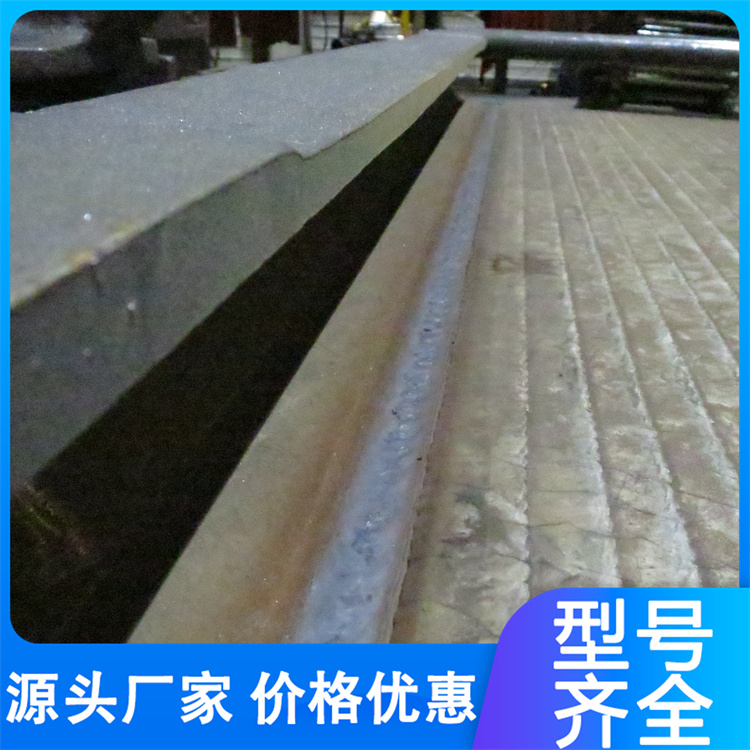
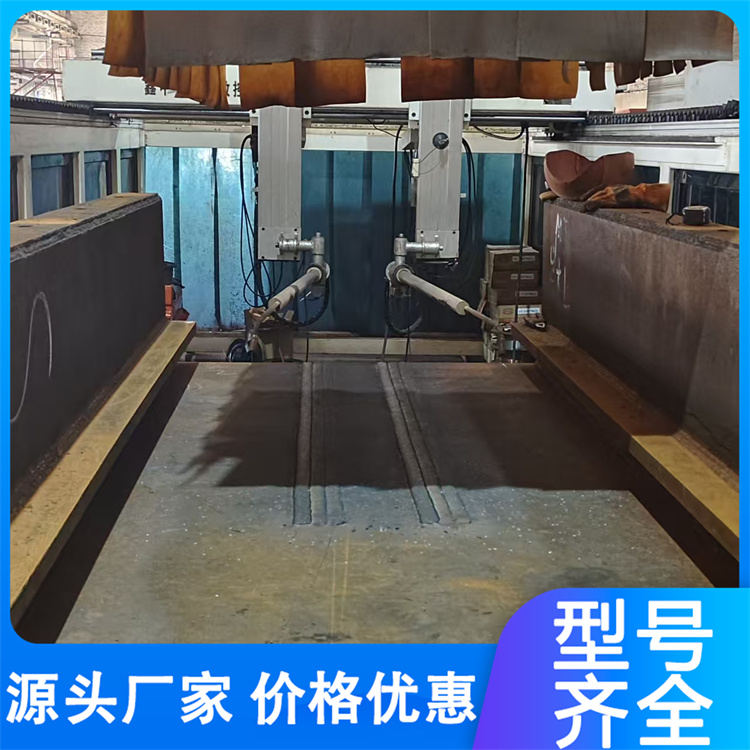
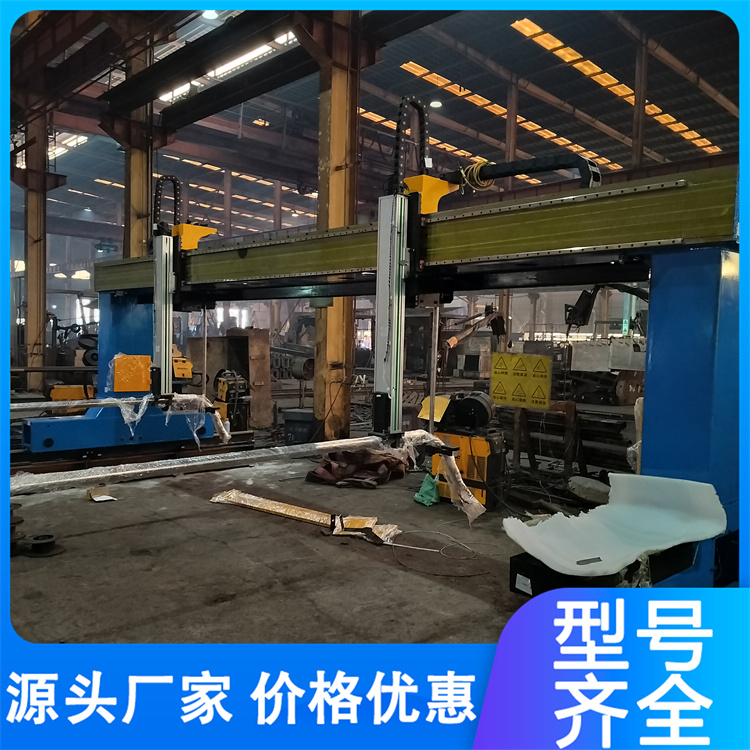
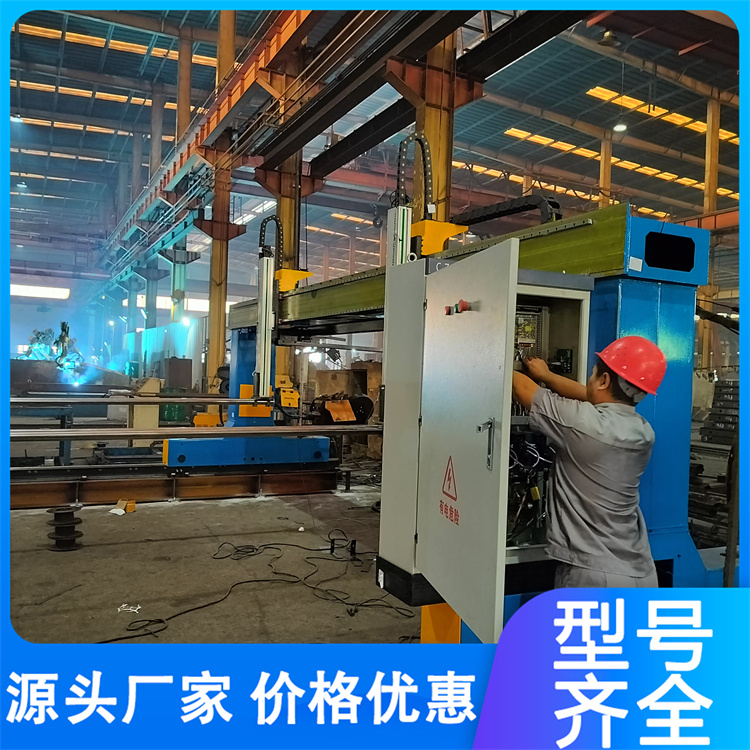
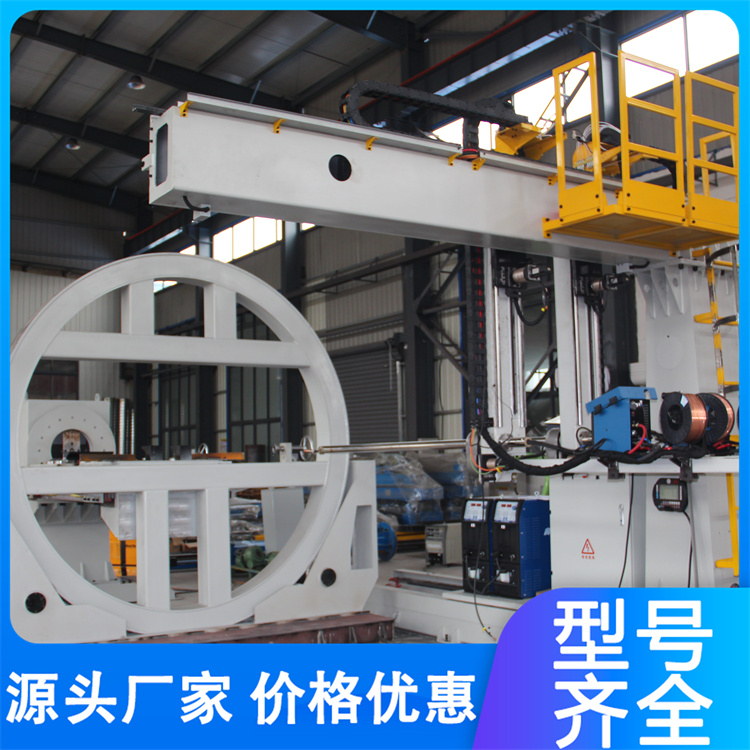
Stainless Steel Welding
Stainless steel welding refers to the process of joining stainless steel materials together using welding methods. Stainless steel materials offer advantages such as corrosion resistance, oxidation resistance, and high strength, making them applicable in numerous fields.
Stainless steel welding can be performed using various methods, including manual arc welding, TIG argon arc welding, and MIG/MAG gas shielded welding. Select the appropriate welding technique based on the type, thickness, and welding conditions of the stainless steel material.
Stainless Steel Processing
Stainless steel is a high-strength stainless steel material, processed as follows:
Cutting: Utilize cutting machines such as shears, electric cutters, etc., to cut 632 stainless steel plates to the required dimensions.
Bending: 632 stainless steel sheets are bent into the required shape using mechanical bending or cold bending, with the aid of equipment such as bending machines and rolling machines.
Drilling: Drilling operations on 632 stainless steel using tools such as drills and milling machines, creating holes.
Welding: Weld 632 stainless steel using suitable welding equipment and materials, methods such as TIG welding, MIG/MAG welding, and arc welding can be employed.
Polishing: The processed 632 stainless steel is ground with a grinding wheel or sandpaper to achieve a smooth surface finish.
Surface Treatment: Surface finishing for 632 stainless steel, including painting, coating, chrome plating, etc., to enhance its corrosion resistance and aesthetic appeal.
Other shapes processing: Various shapes of 632 stainless steel products can be produced using CNC machining, turning, and milling methods as required.
Stainless steel's corrosion resistance properties
Stainless steel is a high-strength, highly corrosion-resistant austenitic material. Its oxidation resistance primarily depends on its composition and microstructure.
The primary constituents of grade 632 stainless steel include elements such as chromium, nickel, molybdenum, and iron. Chromium is the key element enhancing the steel's resistance to oxidation. It reacts with oxygen in the air to form a dense chromium oxide film, preventing further oxidation. Grade 632 stainless steel typically contains 14.0-16.0% chromium, which contributes to its excellent oxidation resistance.
Additionally, 632 stainless steel contains 6.50-7.75% nickel and 2%-3% molybdenum. The presence of nickel enhances the stainless steel's corrosion resistance and anti-oxidation capability. Adding molybdenum boosts the stainless steel's anti-oxidation ability in high-temperature, high-oxygen environments.
Additionally, the structure of the 632 stainless steel also affects its corrosion resistance. Appropriate heat treatment processes can yield dense intergranular precipitates, enhancing the material's corrosion resistance.
Stainless steel's heat resistance properties
High-Temperature Strength: 632 stainless steel maintains high strength and rigidity in high-temperature environments, capable of withstanding significant loads and vibrations.
Corrosion Resistance: 632 stainless steel offers excellent corrosion resistance, preventing oxidation reactions on the metal surface under high-temperature conditions, thereby extending the service life of the material.
Creep Resistance: 632 Stainless Steel can resist creep at high temperatures and maintain its shape