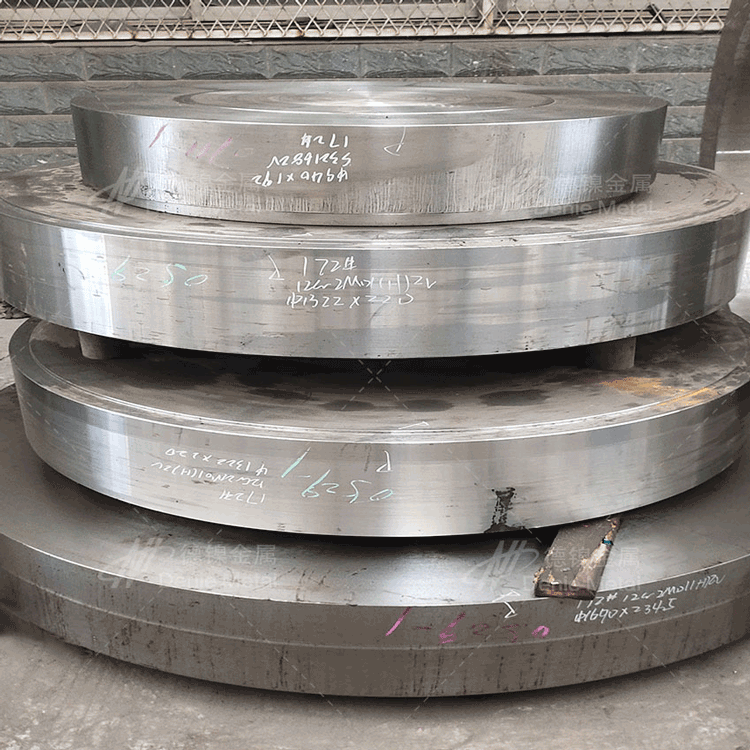

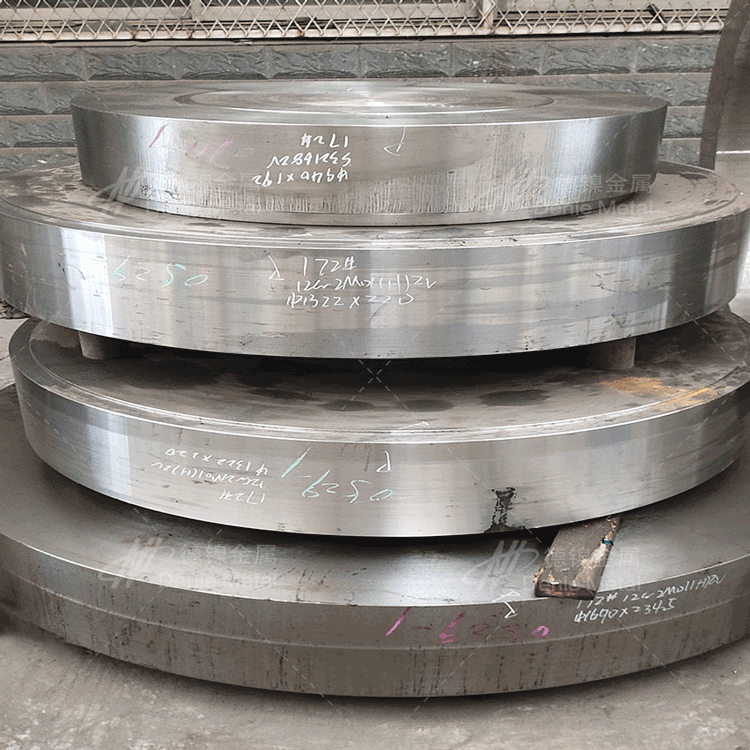

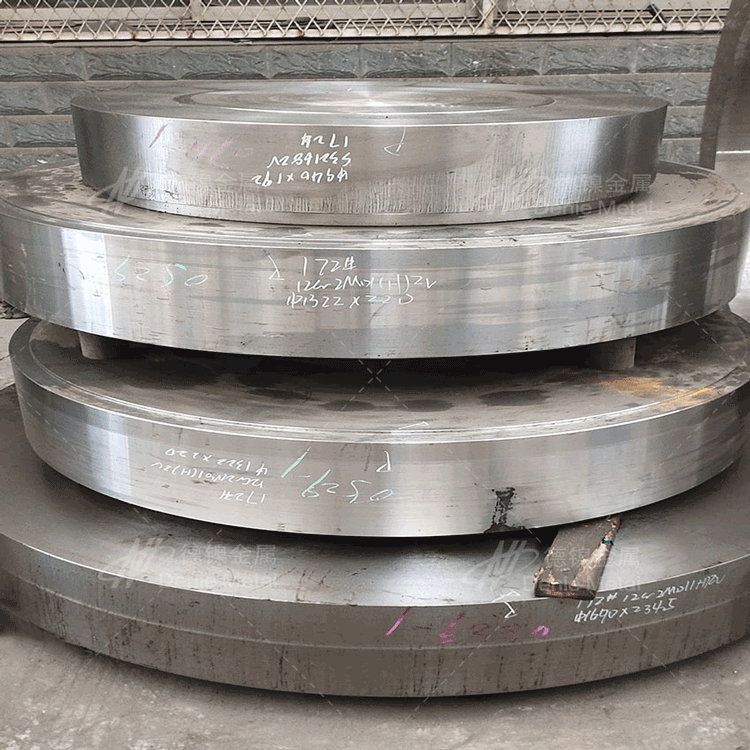

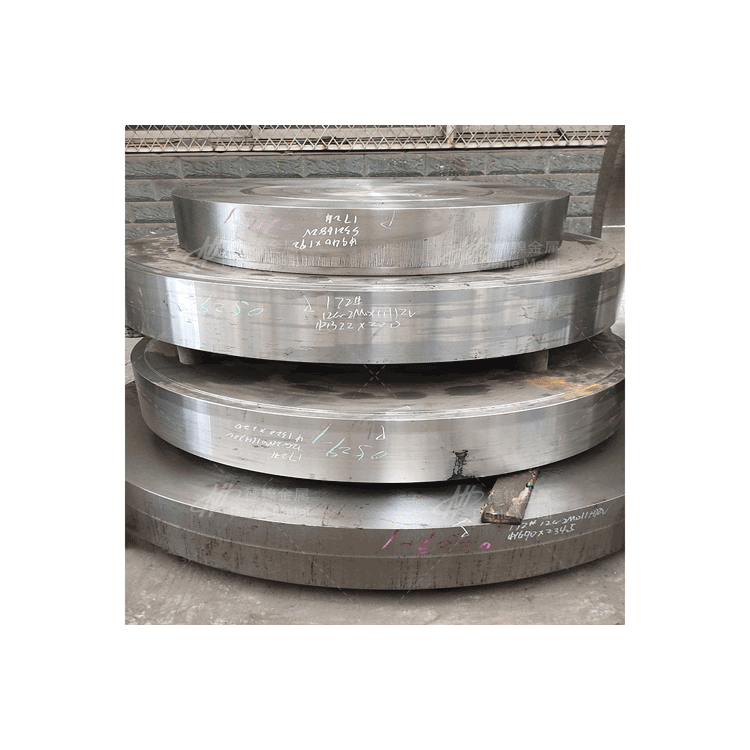















17-4PH Stainless Steel Forgings
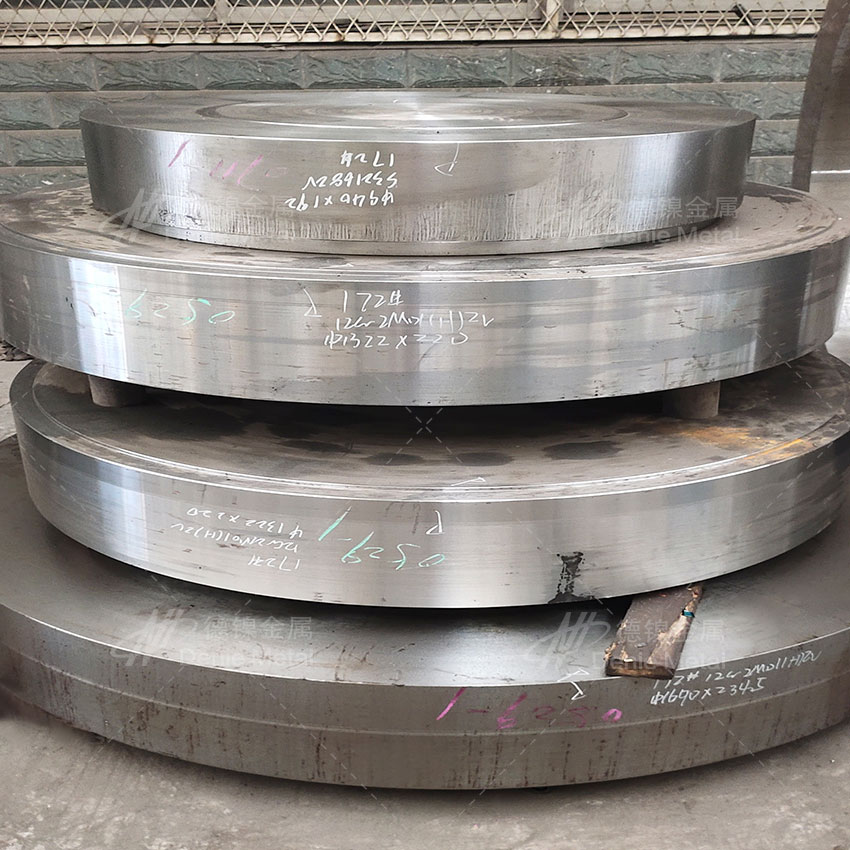
Product Introduction
17-4PH Stainless Steel (UNS S17400), also known as Type 630, is a precipitation-hardened martensitic stainless steel with high strength and hardness, excellent corrosion resistance, and the addition of niobium. 17-4PH combines high strength and hardness with good corrosion resistance.
This alloy is supplied in the solution heat treated (A) condition. It should not be used at temperatures above 572°F (300°C) and is not suitable for low-temperature service. By subjecting the alloy to aging hardening heat treatment, excellent mechanical properties can be achieved. Heat treatment within the range of 900°F (482°C) can produce high strength.
In most environments, the corrosion resistance of 17-4PH alloy is comparable to that of 304 stainless steel, and generally superior to the 400 series stainless steels. It is commonly used in applications requiring moderate corrosion resistance and exceptional strength.
17-4PH alloy is easily weldable and can be processed according to standard shop fabrication procedures. It is magnetic.
Corrosion resistance
17-4PH alloy offers corrosion resistance comparable to 304 stainless steel in most environments and generally exceeds 400 series stainless steels. It is commonly used in applications requiring moderate corrosion resistance and exceptionally high strength. In the solution annealed (A) condition, 17-4PH alloy is generally not suitable for actual use. The alloy is prone to brittle fracture and is more sensitive to chloride stress corrosion cracking than aged material.
If there's a risk of chloride stress corrosion cracking, select a higher aging temperature, exceeding 1022°F (550°C), up to 1094°F (590°C). In chloride mediums, 1022°F (550°C) is the recommended tempering temperature, whereas in hydrogen sulfide mediums, opt for 1094°F (590°C).
17-4PH alloy is prone to crevice corrosion and pitting attacks after being exposed to stagnant seawater for a period of time.