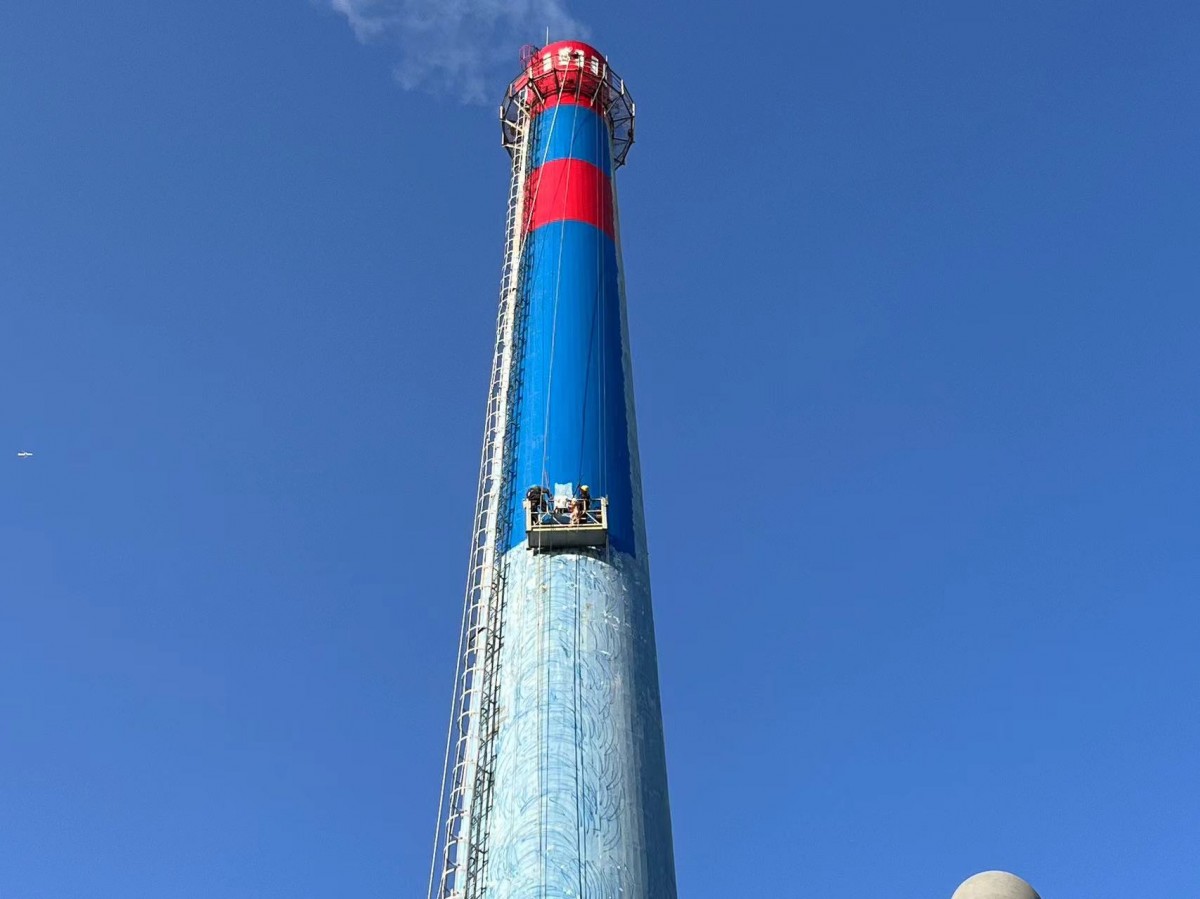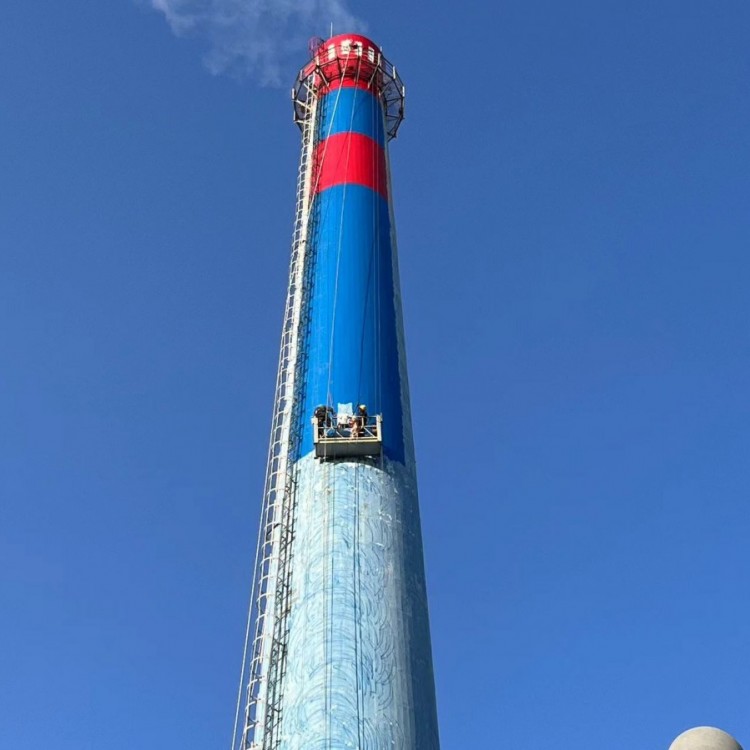












In winter, the function of the chimney becomes particularly significant as it is the primary means of heating for the household. However, chimneys are prone to moisture and oxidation, leading to corrosion and subsequent dangers. Therefore, anti-corrosion treatment for chimneys is especially important. Below, we will provide a detailed introduction on how to effectively carry out chimney anti-corrosion treatment.
Firstly, choosing the right protective material is crucial. Among the protective materials, commonly used ones for chimney corrosion protection include alumino-silicate tiles, ceramic pipes, and stainless steel anti-corrosion coatings. Alumino-silicate tiles are made from fly ash and vitrified, and due to their corrosion and high-temperature resistance, they have been widely used on the inner walls of chimneys. Ceramic square pipes, as a new type of corrosion protection material, have a surface of alumino-silicate tiles, allowing for arbitrary cutting and installation according to the length of the flue, with adjustable height, making installation more convenient.

Next, addressing the corrosion issue should also involve regular maintenance. After the chimney is treated for corrosion, homeowners should also ensure proper daily maintenance, scheduling a thorough check every other year. This includes cleaning the flue, basic waterproofing, and painting, which can effectively prevent the accumulation of deposits and the prevention of immersion.
Additionally, we must pay attention to the improvement of chimneys. Currently, technical services are gradually being updated, and the equipment and technology for chimney corrosion treatment are continuously being refined. With the continuous development of science and technology, peaceful protection can be tailored to specific chimneys. Technological improvements make maintenance more convenient, more labor, time, and cost-efficient.
We need to apply more corrosion-resistant coatings. Applying these coatings to chimneys effectively prevents issues like dampness, aging, and corrosion. Different coatings have varying advantages and applications, so choosing the right one for protection is crucial.
In summary, chimney corrosion control is of great importance. Improper handling can not only affect the quality of life but also trigger fire and other safety issues, posing significant hazards. Therefore, ensuring proper chimney protection and maintaining family safety is a shared responsibility for every household.