

















Navigating the tumultuous seas, the safety of vessels is of paramount importance. The brush for chimney buoys exists precisely to ensure accurate navigation in critical areas. The brush for chimney buoys is not just a simple piece of equipment; it is a guardian of maritime safety and a driving force for navigation development. This article will provide a detailed introduction to the role, types, and application fields of the brush for chimney buoys, unveiling the mystique of this "guardian."
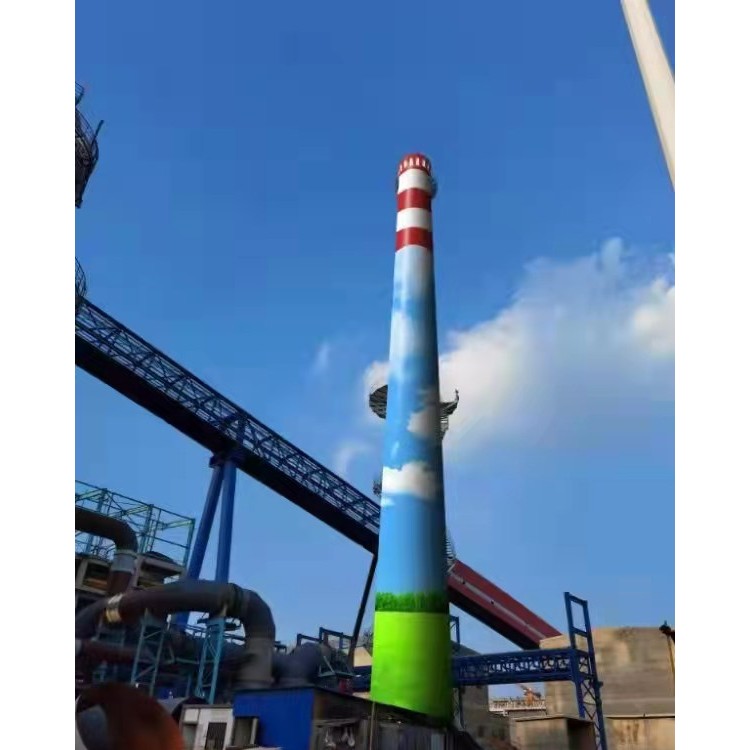
The chimney buoy is a navigational aid used to mark channels, indicating safe passage for vessels through narrow and hazardous waters. Typically, a chimney buoy consists of a tall pole and a lighthouse at the top, equipped with explosion-proof devices for stable operation in adverse conditions. The primary function of the chimney buoy is to inform vessels of their current position and alert them to potential obstructions ahead, ensuring safe navigation.

Chimney brushes for navigation signs are categorized into navigation, warning, and communication types based on their functions. Navigation signs are primarily used to indicate the channels for vessels to navigate, commonly placed at the entry and exit points of the channels. Warning signs are designated for areas requiring special attention by vessels, such as islands and reefs. Communication signs are utilized to establish a communication system between vessels and land, ensuring timely communication during emergencies.
The application of the chimney brush navigation markers is very extensive, covering various water bodies such as oceans, rivers, and lakes. At sea, these markers play a crucial role in ship navigation, assisting vessels in determining their location and avoiding potential hazards through their unique shapes and signals. In rivers and lakes, chimney brush navigation markers are also essential navigation tools for ships, providing directional guidance to ensure safe and smooth navigation.
With the continuous advancement of technology, the chimney brush navigation markers have also been gradually automated and intelligentized. By introducing advanced sensor technology and data processing techniques, these markers can accurately identify ship positions and update navigation information in a timely manner. Moreover, the intelligent chimney brush navigation markers can also interact with the ship's navigation system, achieving automated and intelligent navigation.
In summary, the brush paint for chimney buoys plays a pivotal role in navigation. It's not just a marking device but also a safeguard for the safe passage of ships. The continuous development and innovation of the brush paint for chimney buoys will further enhance navigation safety and efficiency, contributing to the prosperity of maritime economy.