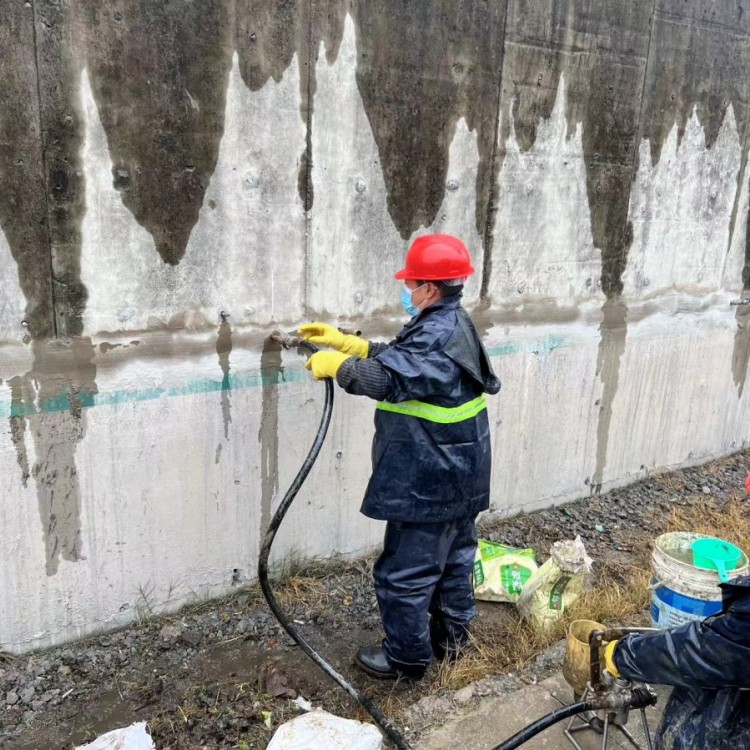

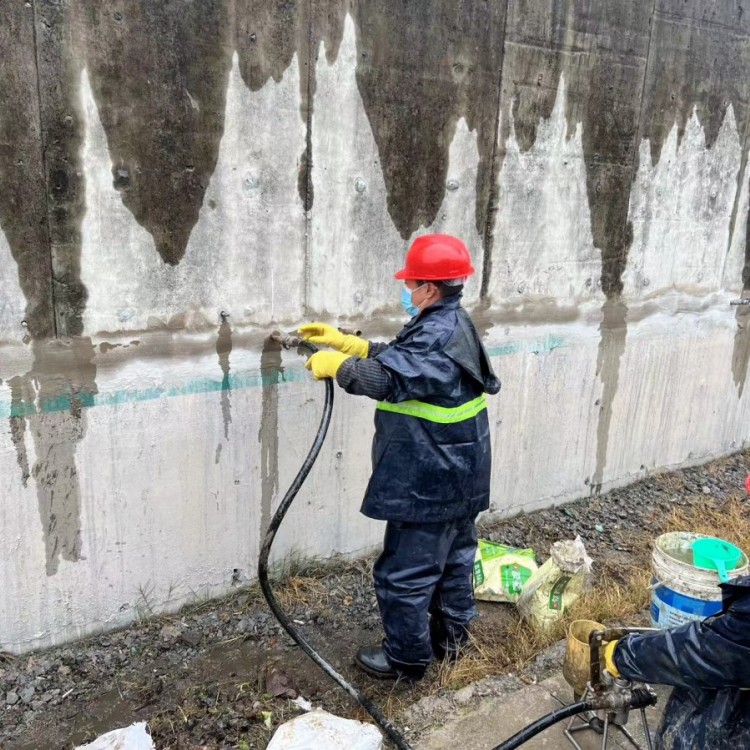
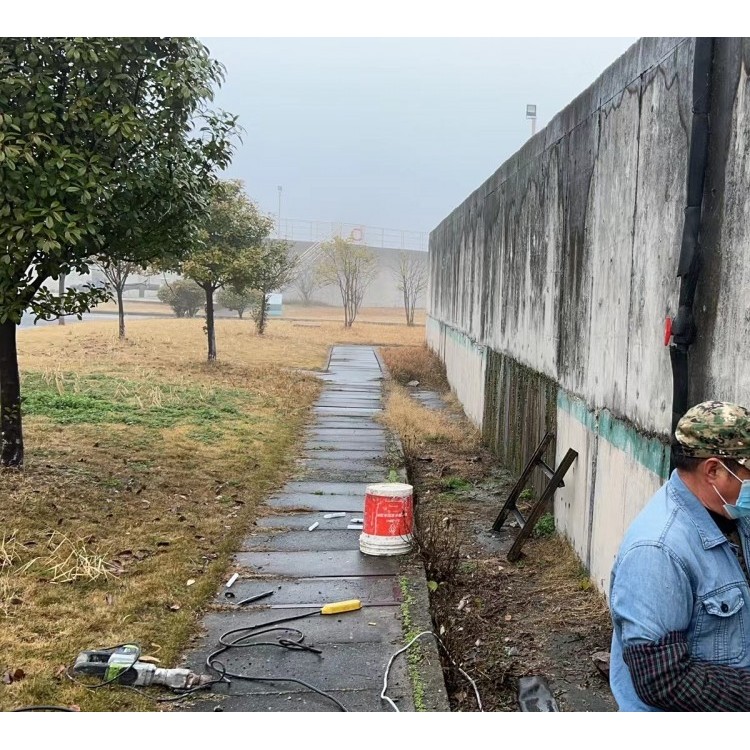








Wastewater ponds are an indispensable facility in modern urban and industrial areas, effectively treating and storing wastewater. However, prolonged use and lack of maintenance can lead to leakage issues in wastewater ponds, causing significant environmental and social impacts. This article will unveil the detailed situation of wastewater pond leakage problems and provide effective solutions.
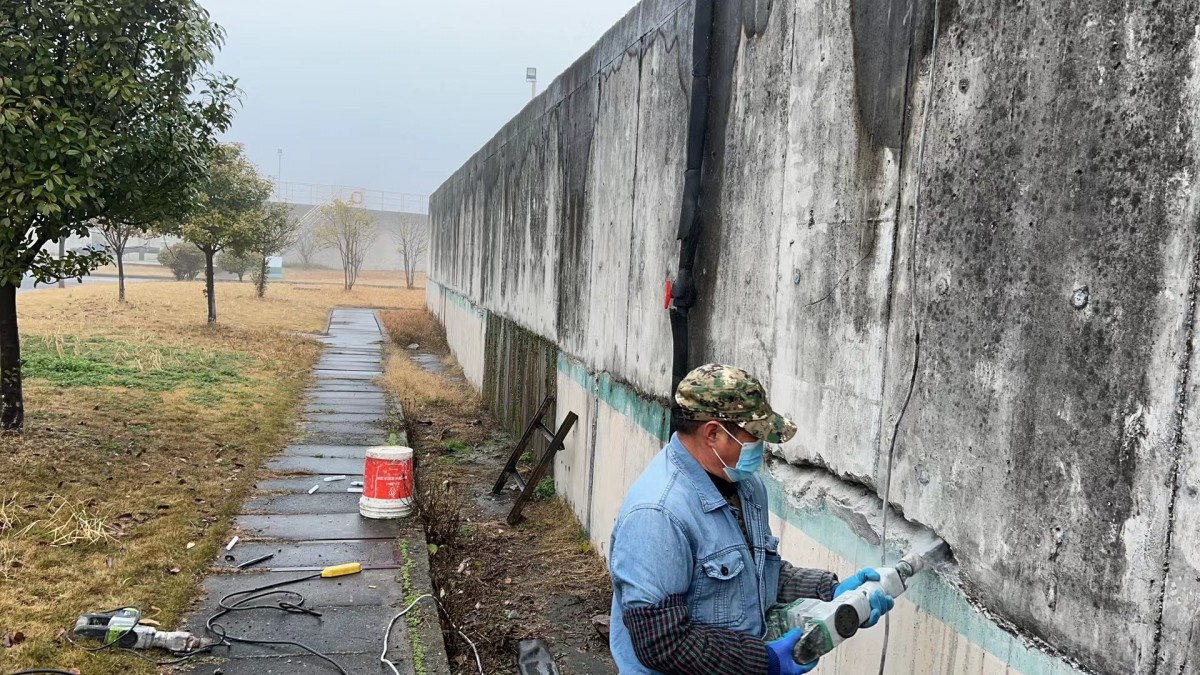
I. Common Issues and Causes of Sewage Pond Leakages
Leakage issues in sewage pools typically manifest in the following aspects: sewage backflow, reduced storage capacity, and odor dispersion. The causes for these problems are varied, primarily including pipe blockages, pipe aging, and poor construction quality.
Pipe Clogging: After prolonged use, sewage pipes accumulate a large amount of dirt, sediments, and foreign objects, leading to clogging and preventing the normal discharge of sewage.
2. Pipeline Aging: Sewage pipes are often exposed to a damp, corrosive environment for long periods, making them prone to corrosion and aging, resulting in cracks and leaks.
3. Poor Construction Quality: In the construction and installation of sewage pipelines, poor construction quality, such as loose joints and substandard material, can lead to leaks in the sewage pool.
Solution for Sewage Pool Leak Sealing
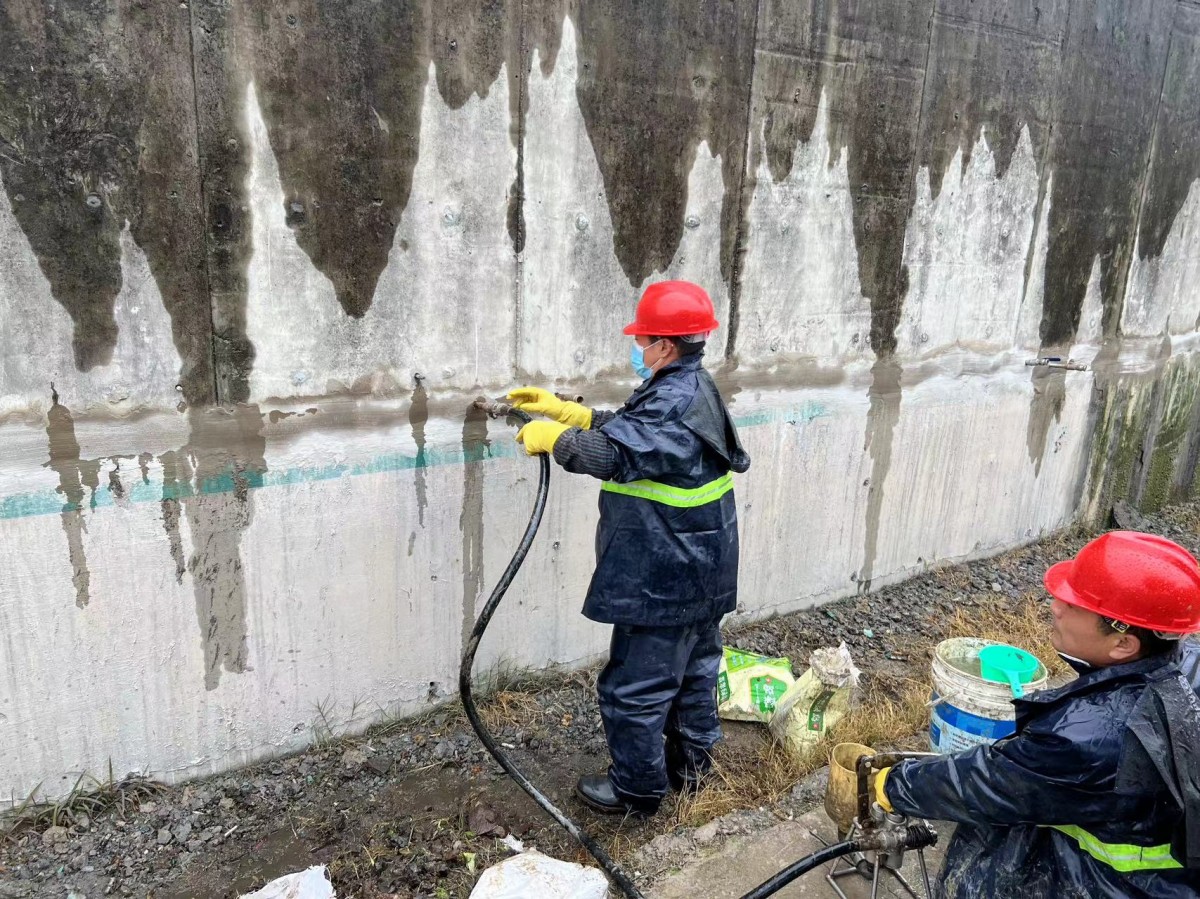
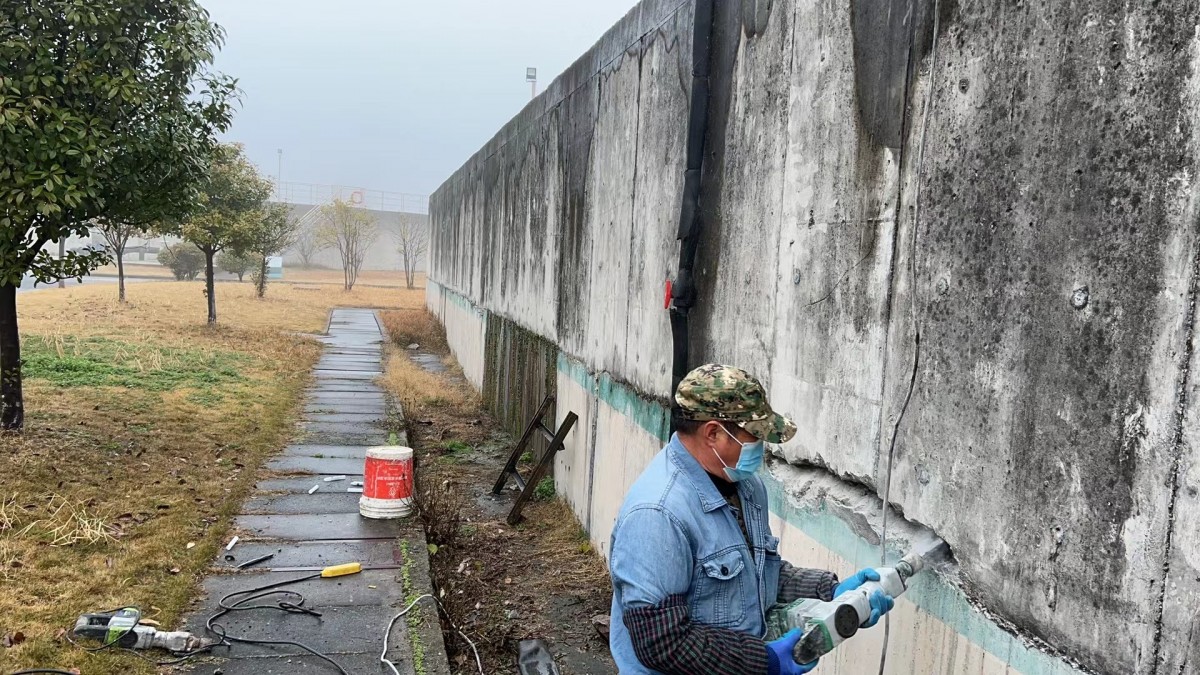
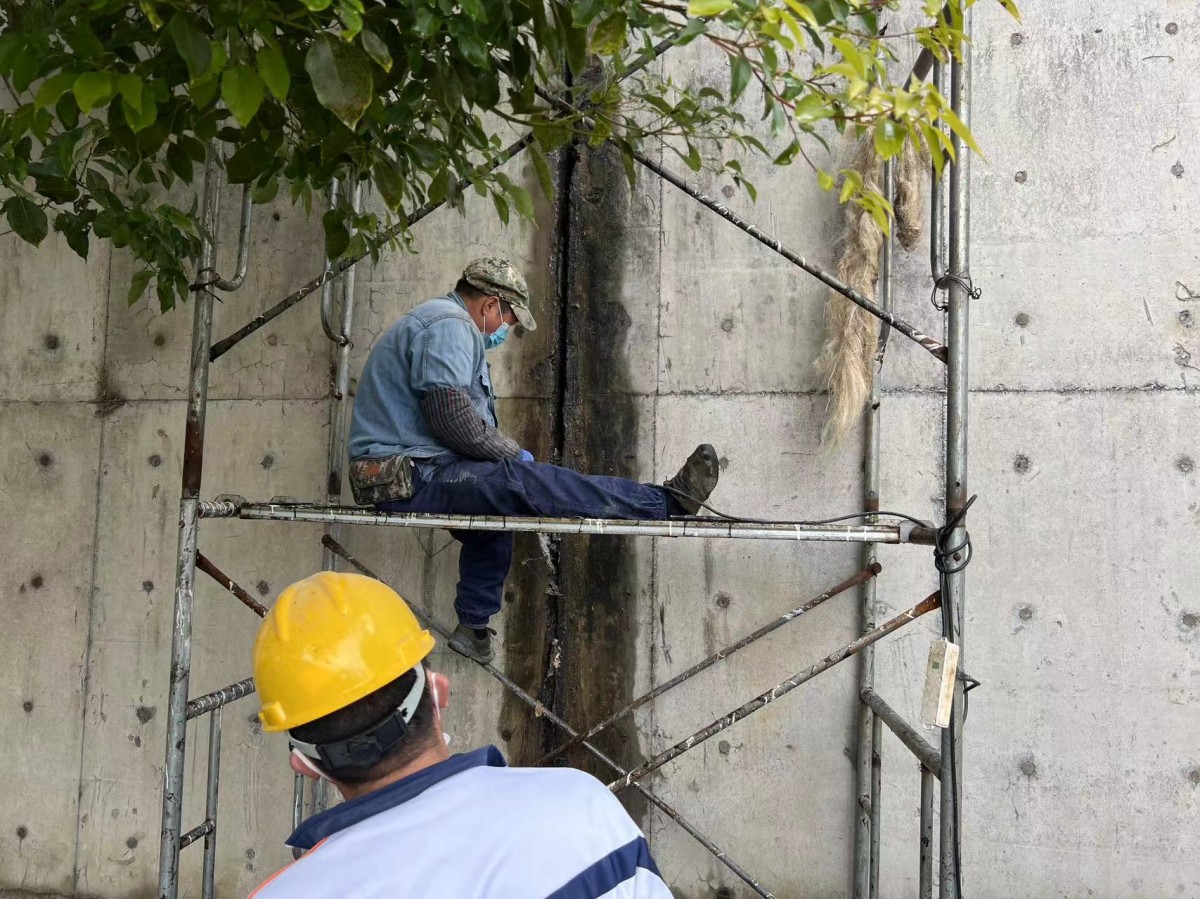
For the issue of pond leakage, we offer the following solutions to ensure the normal operation of the pond and environmental protection.
Regular pipeline cleaning: Regularly cleaning sewage pipelines is an essential measure for preventing and solving leakage problems in sewage ponds. You can use high-pressure water jets, chemical cleaning agents, and other methods to clean the dirt and foreign objects in the pipeline, ensuring the pipeline remains clear.
2. Inspection and Replacement of Aging Pipelines: For severely aged sewage pipelines, timely inspection and replacement are essential to prevent issues like leaks and wastewater backflow. Choose high-quality, corrosion-resistant materials for replacement to extend the pipeline's lifespan.
3. Enhance Construction Quality Management: When constructing or renovating sewage pools, strengthen construction quality management to ensure that pipe connections are secure and waterproofing measures are in place. Additionally, select construction teams with relevant qualifications and extensive experience to minimize issues of poor construction quality leading to leaks and blockages.
4. Regular Inspections and Maintenance: During normal operation, the wastewater pond should be regularly inspected and maintained, with special attention to areas prone to leaks. Address any issues promptly to prevent potential problems.
Above is the solution for the septic tank leakage issue. Through reasonable maintenance and management, it can greatly prevent the occurrence of leakage problems, ensuring the normal operation of the sewage treatment facilities.
Leakage issues in wastewater ponds have significant impacts on both the environment and health, and must be addressed promptly. Measures such as regular pipeline cleaning, inspection and replacement of aging pipes, strengthening construction quality management, and scheduled inspections and maintenance can effectively resolve wastewater pond leakage problems and ensure the normal operation of wastewater treatment facilities.