


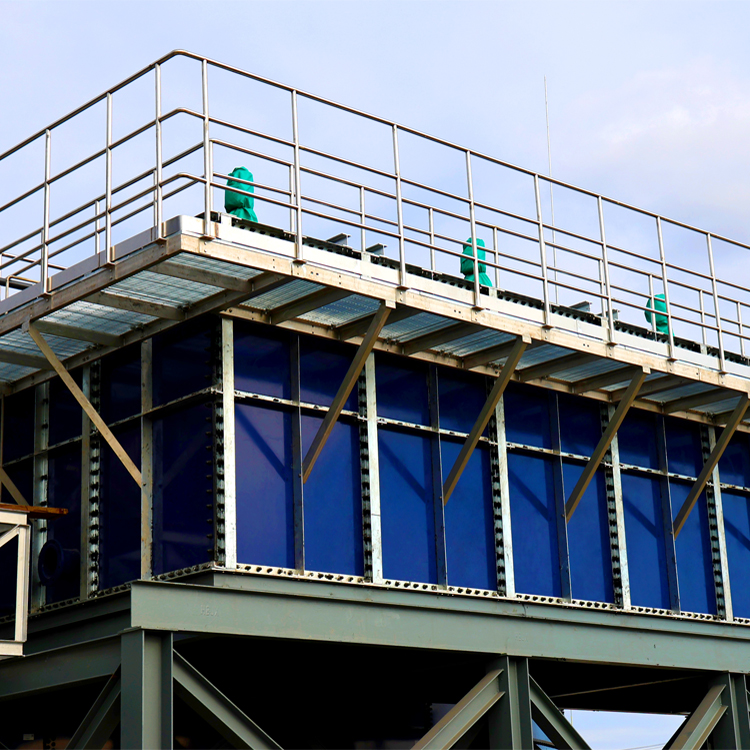








The reservoir can be constructed above or below ground, categorizing into two main types: open and enclosed. Depending on shape, they can be circular or rectangular, and due to different building materials, they include brick ponds, mortared stone ponds, concrete ponds, etc. The layout principles of reservoirs are similar to those of water cisterns.
Open circular reservoir: Composed of two parts, the pool base and the pool wall. The base is compacted with natural soil and then paved with stone using cement mortar, followed by pouring concrete on top. The pool wall can be constructed in three forms: mortared stone, brickwork, and concrete, which can be chosen based on local construction materials. Structural features: Good load-bearing conditions, with a smaller unit investment compared to a closed-type reservoir; easy to construct larger capacity pools due to the absence of a roof.
Open rectangular reservoir: This type of reservoir can be divided into three categories based on the materials used—brick, stonework, and concrete. The composition of the pool body, configuration of auxiliary facilities, and wall structure are the same as those of circular reservoirs. Its structural feature is that the load-bearing condition is not as good as that of circular reservoirs, especially at the corners, which are weak points requiring reinforcement and anti-seepage measures. Special attention should be given to preventing uneven settlement between the relatively heavy side walls and the relatively thin pool bottom, which could lead to cracking.
Closed-loop water reservoir: This type is equivalent to adding a roof to an open circular reservoir, serving to insulate and prevent evaporation. To reduce the load and save investment, the roof should be made of thin-shell concrete arch slabs or ribbed arch slabs. The reservoir should be as much below ground as possible to minimize the thickness of the pool walls and the amount of work involved.
Closed rectangular reservoir: This type is akin to an open rectangular reservoir with a roof added. The roof is commonly made of concrete hollow slabs or ribbed arch slabs, with insulation and covering layers of certain thicknesses installed based on local climate conditions and usage requirements. The advantage of this rectangular reservoir over the closed circular pool is its versatility; it can generally be selected in different sizes and dimensions according to the terrain and water storage requirements, allowing for a wider range of water storage capacity.
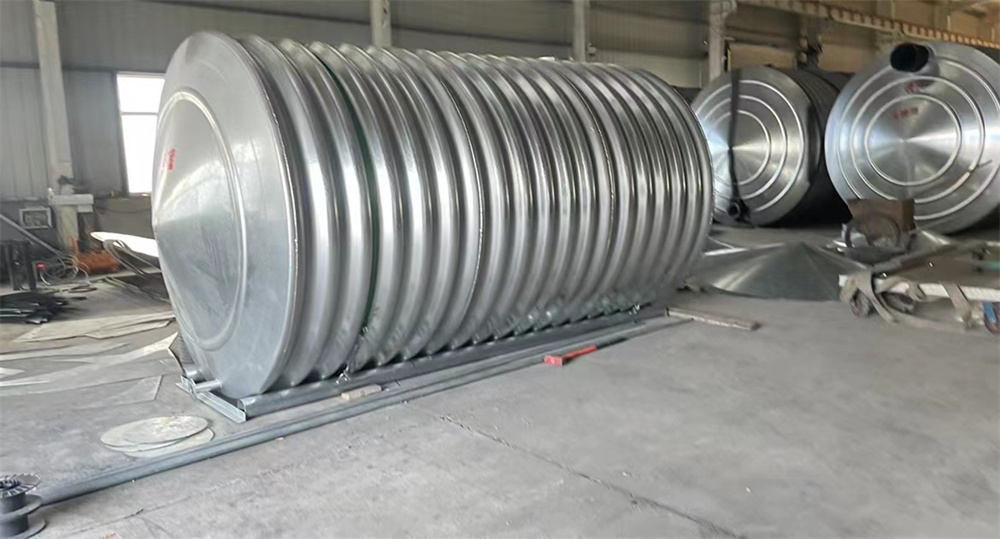
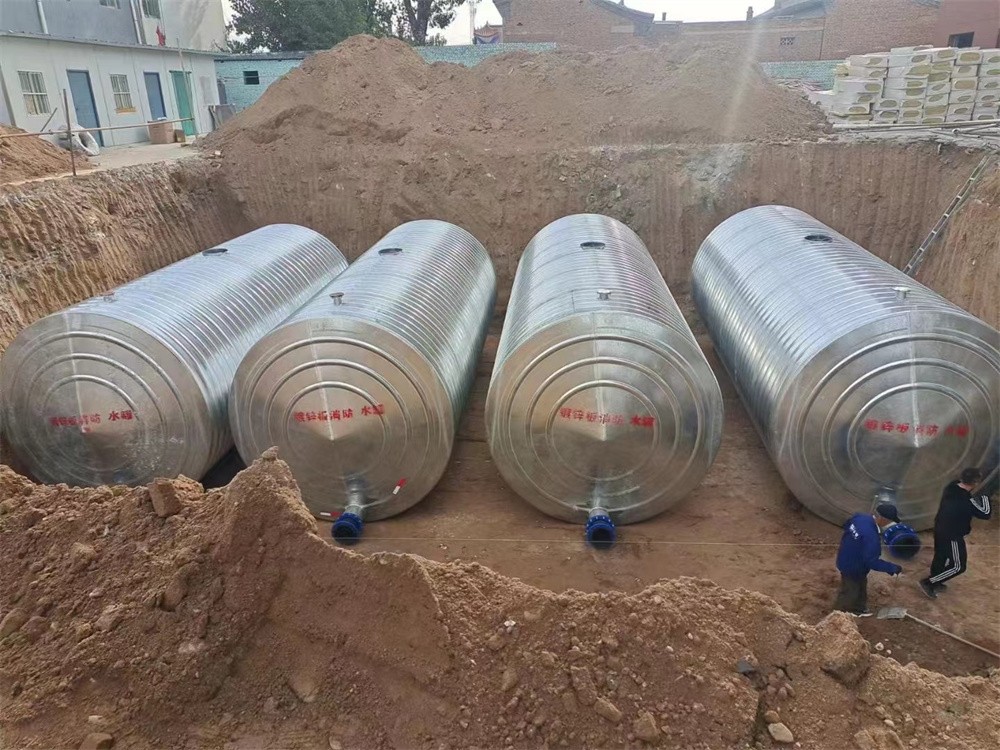
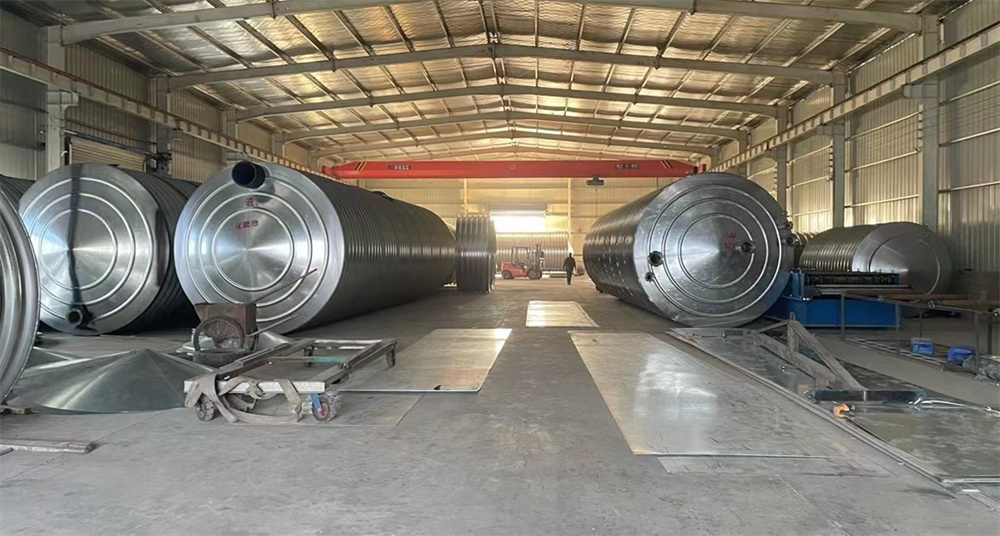
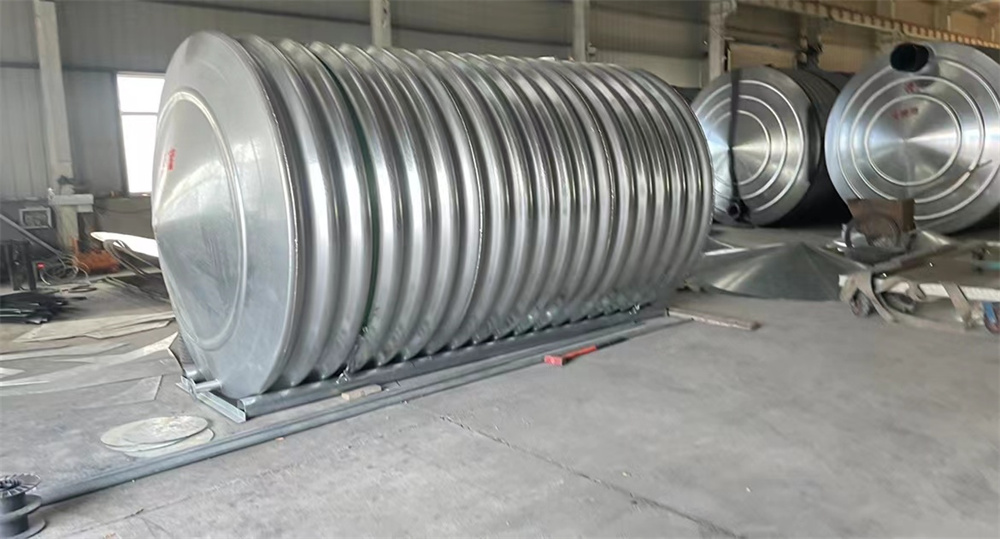
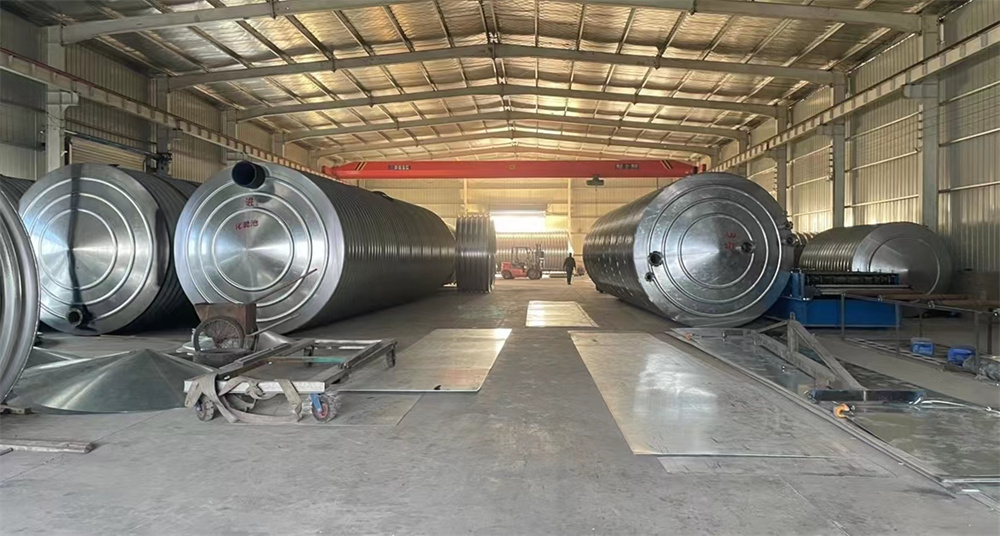
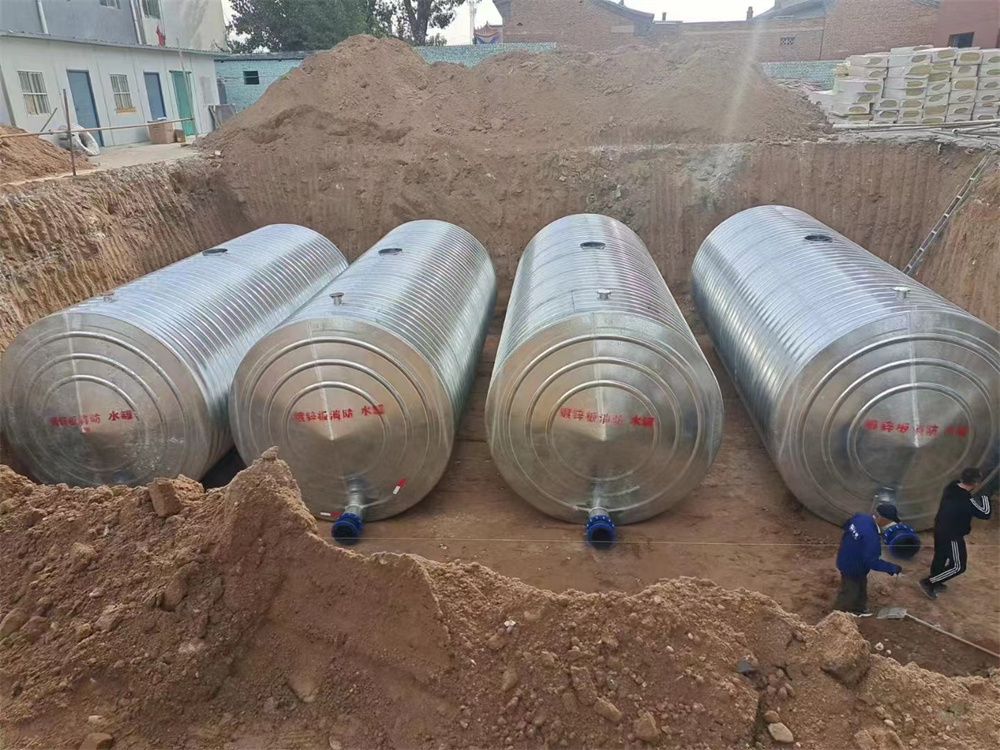
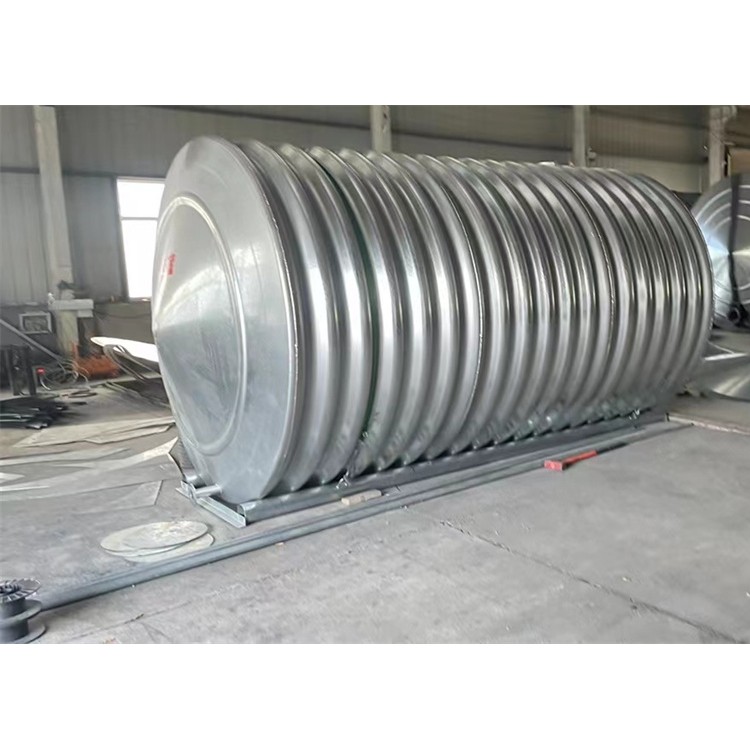
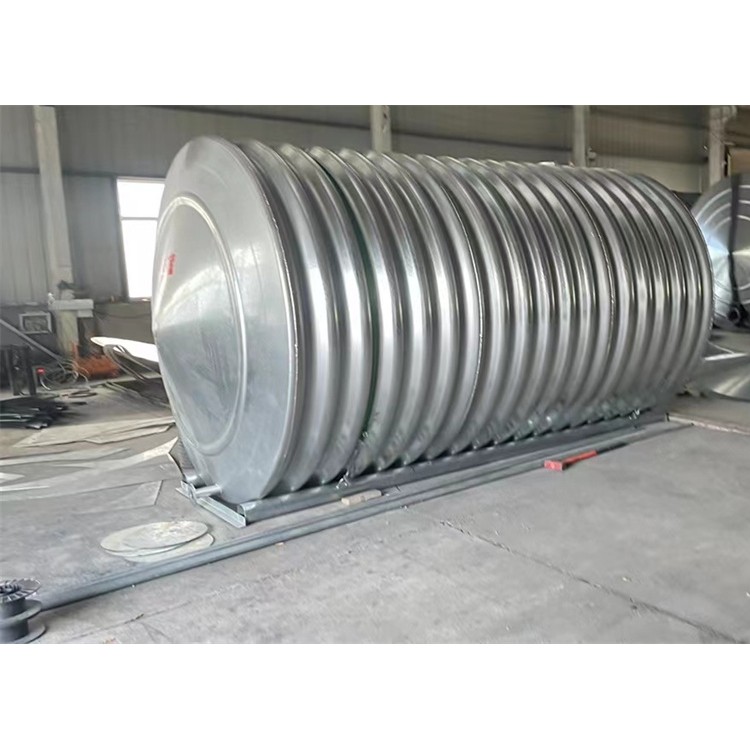
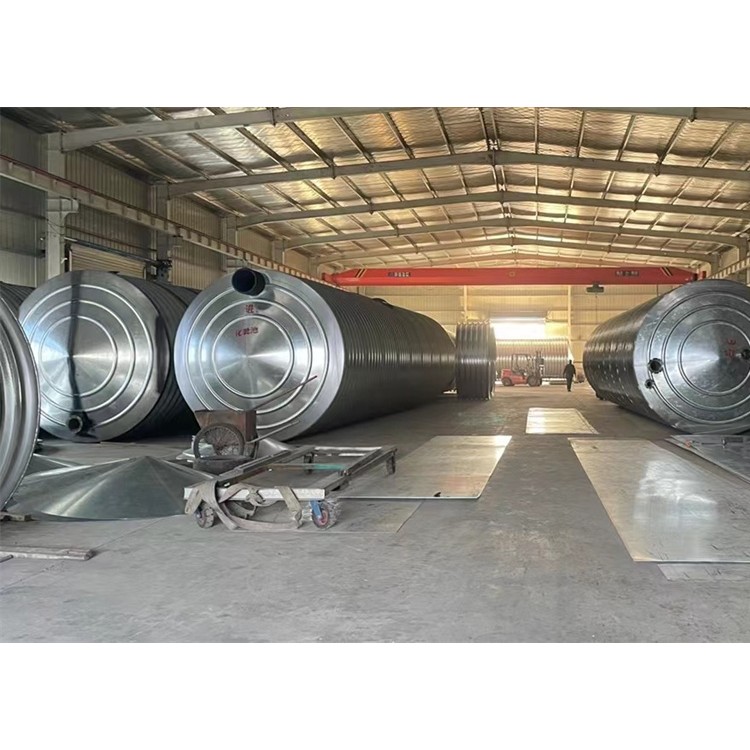
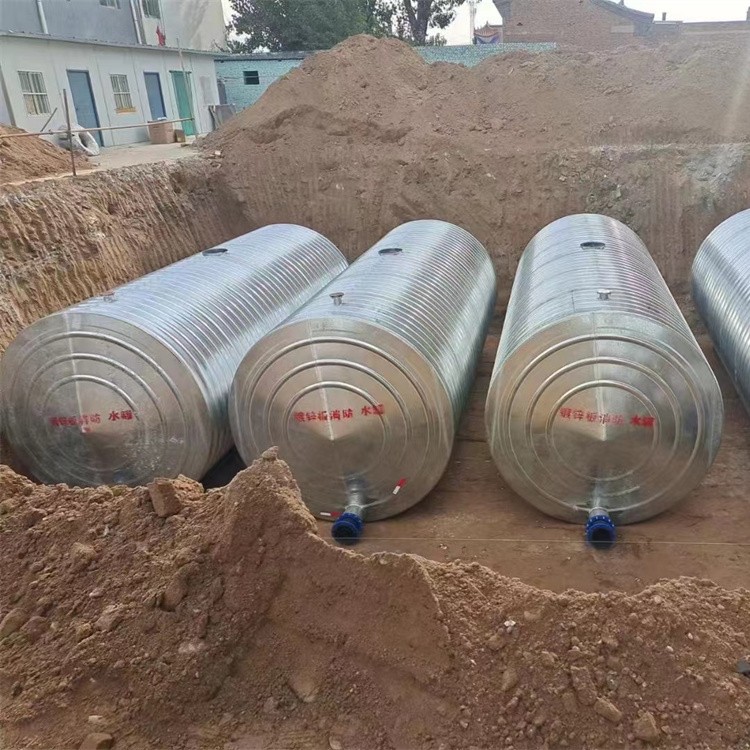
A stainless steel water storage tank is a structure used for centralized water storage and regulation. The characteristics of stainless steel water storage tanks are as follows:
Wide Application Range: Suitable for rainwater collection and storage in industrial, agricultural, and residential sectors, ideal for water-scarce cities and areas with limited water sources.
Low processing fees: Saves water resources for residents after installation and is approved accordingly, with the pool material meeting relevant standards.
Long lifespan: The stainless steel water storage tank is designed to meet national standards, ensuring stable water quality with no contamination, allowing for recycling and reuse, and boasting a long service life.
Simple process: Easy to operate, low cost of investment, vast market space, and promising development prospects.
Additionally, the stainless steel water storage tank boasts the following advantages:
Excellent corrosion resistance.
High strength, excellent weather resistance.
Rust-resistant; no maintenance time required.
Clean and easy to clean.
A stainless steel water storage tank is a type of rainwater collection and storage facility that effectively addresses the issue of rainwater collection and storage in rural areas, enhancing the utilization of water resources. For more details, please consult customer service.