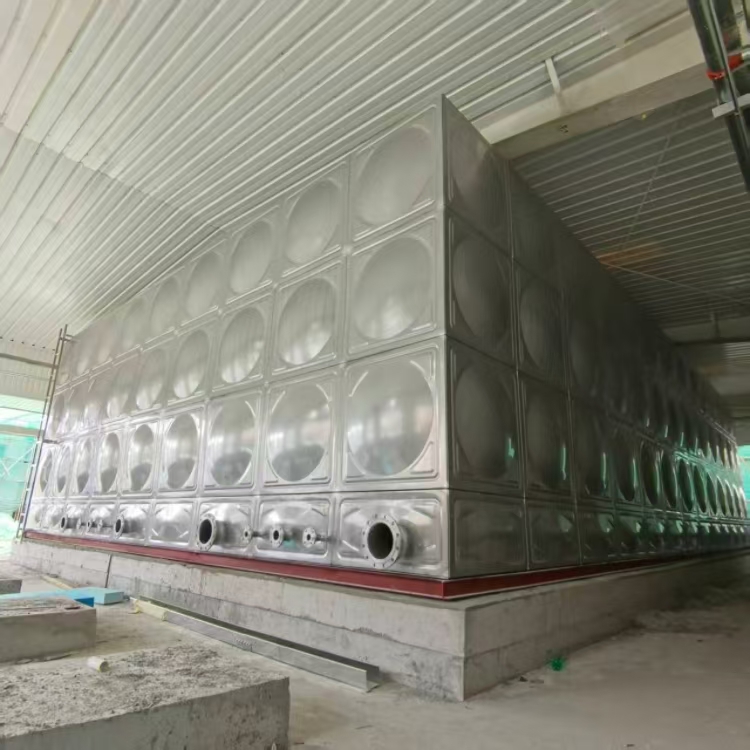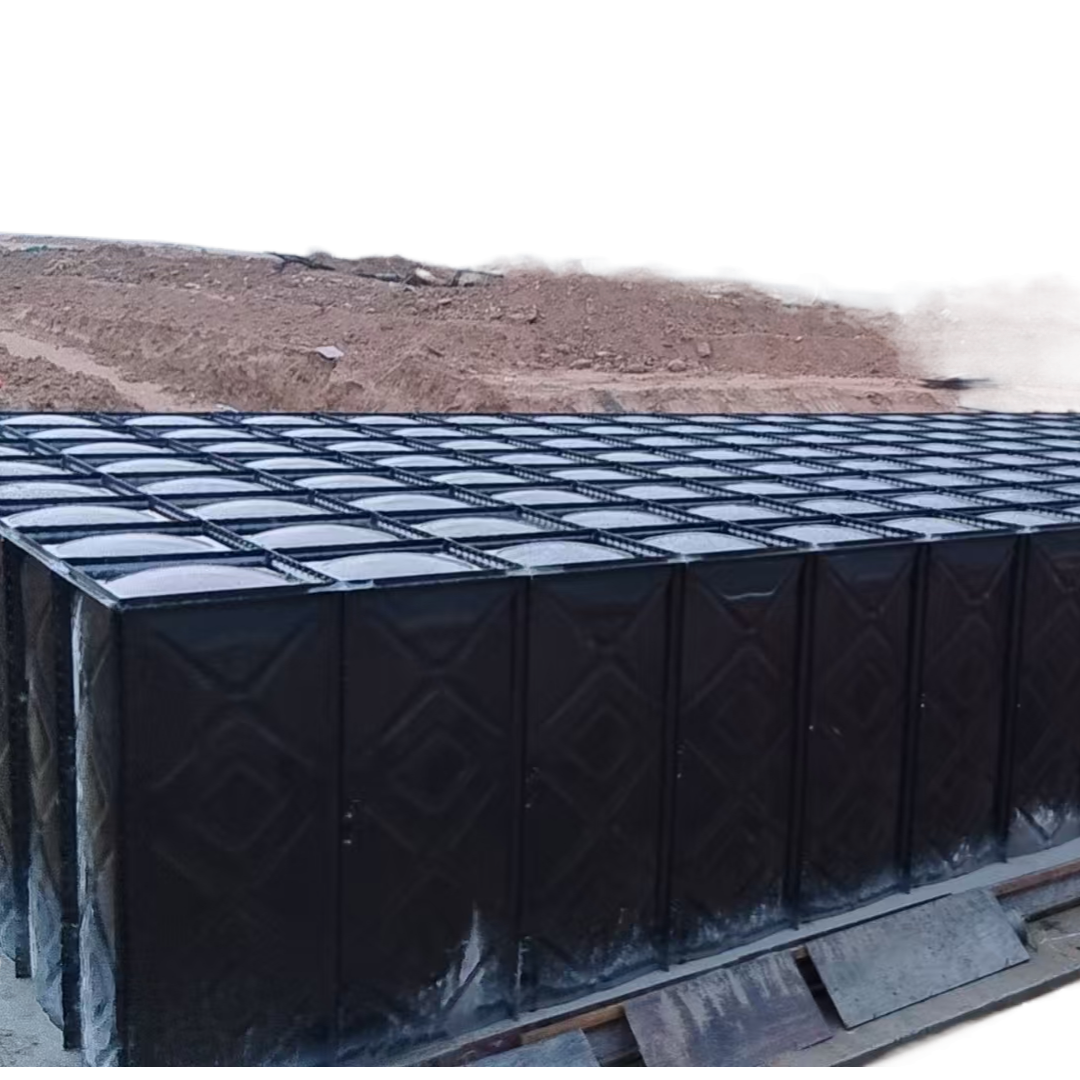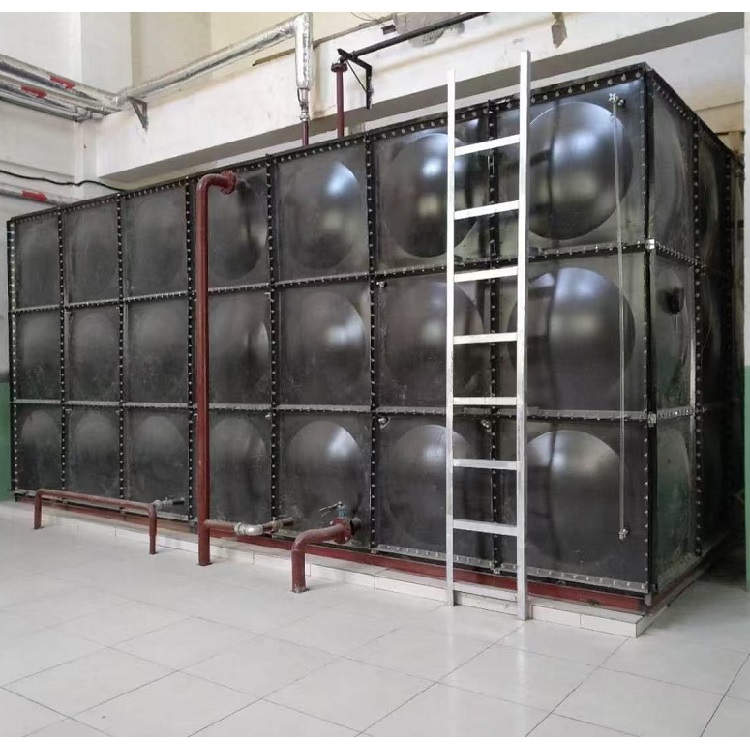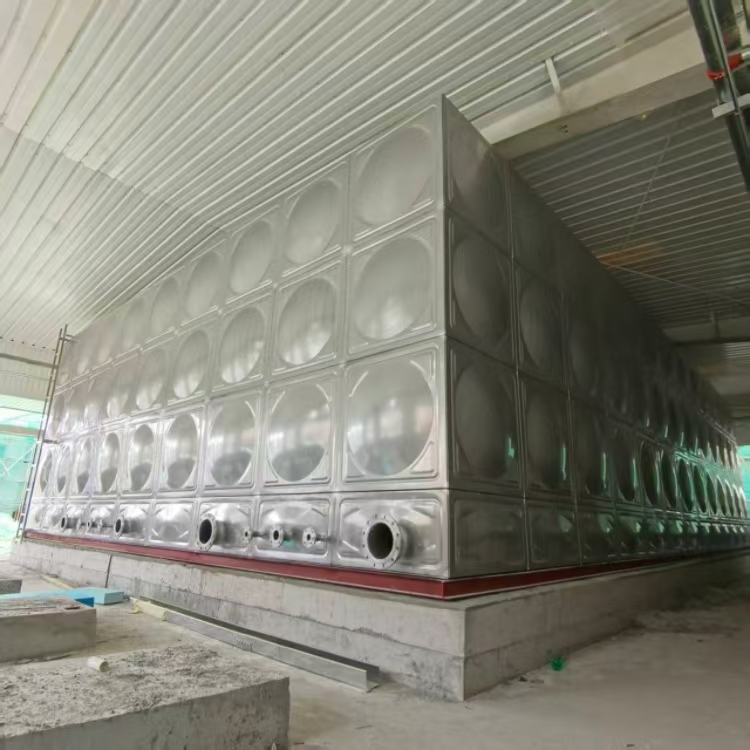
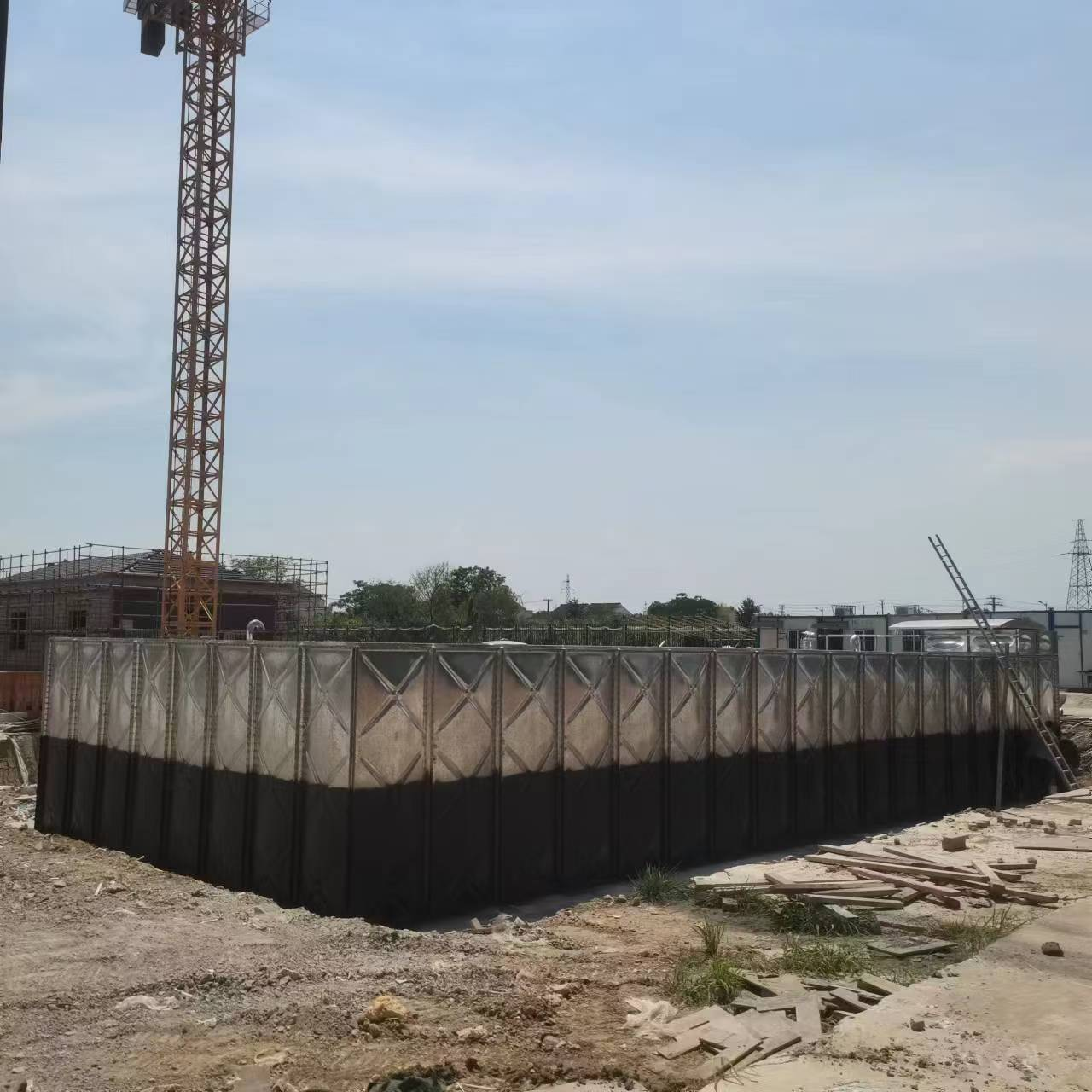
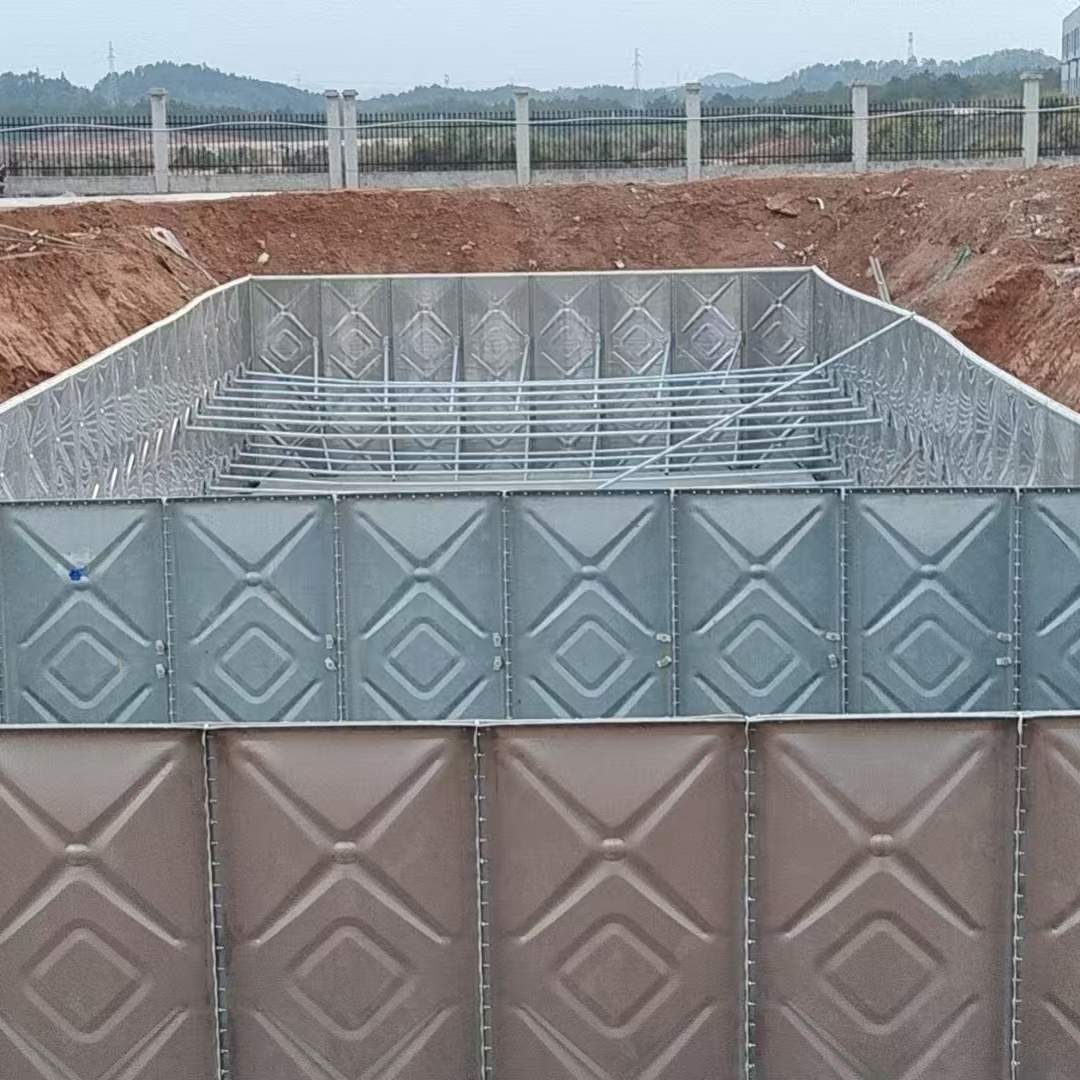
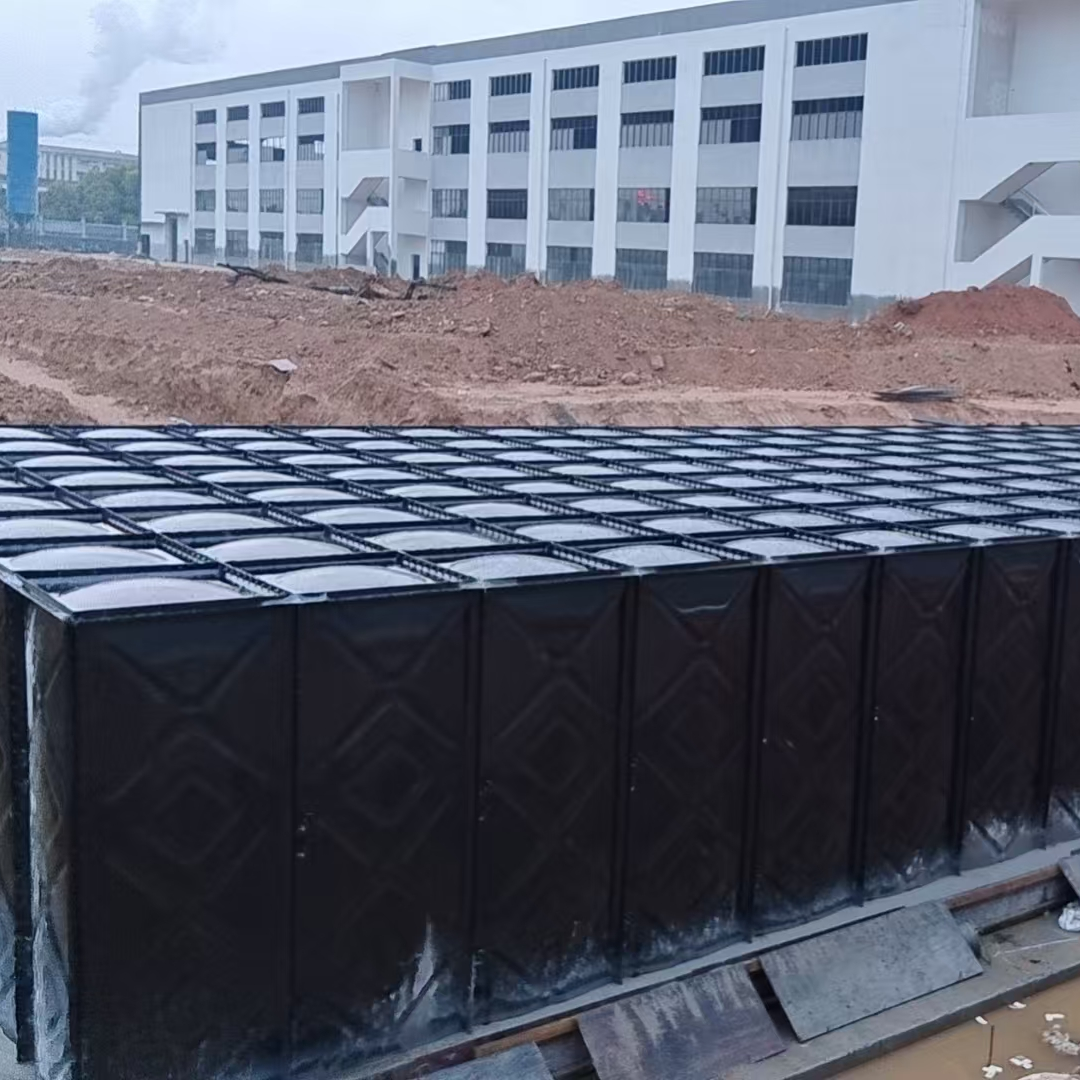







A reservoir, also known as a dam or pond, is a facility used for storing water. Typically constructed from concrete, steel, or other materials, it is designed to collect and store water from rainfall, rivers, or other sources. Reservoirs play a crucial role in the water supply system, providing a stable water supply to meet both domestic and agricultural needs. Additionally, they can be used for flood control, power generation, irrigation, and tourism. In some areas, reservoirs are also employed to improve groundwater quality, as the storage of water facilitates the natural purification process.
Galvanized steel water tanks feature the following characteristics:
1. Corrosion Resistance: The galvanized steel plate offers excellent corrosion resistance, effectively preventing internal erosion of water tanks and metal corrosion, thereby extending the service life of the water tank.
2. Environmental Protection: Galvanized steel sheet is an eco-friendly material, free of harmful substances, and does not pollute water sources, ensuring the safety and sanitation of water quality.
3. High Strength: The galvanized sheet boasts high strength and rigidity, capable of withstanding significant water pressure, ensuring the stability and safety of the water tank.
4. 容量大:镀锌板水罐制作工艺成熟,可以根据需要定制不同容量的水罐,满足不同场合和需求的用水量。
5. Easy Installation: The galvanized steel water tank features a modular design for quick and easy assembly. It can be freely combined based on on-site conditions, accommodating different shapes and spatial requirements.
In summary, galvanized steel water tanks feature corrosion resistance, environmental friendliness, high strength, large capacity, and easy installation, making them an ideal water storage solution.
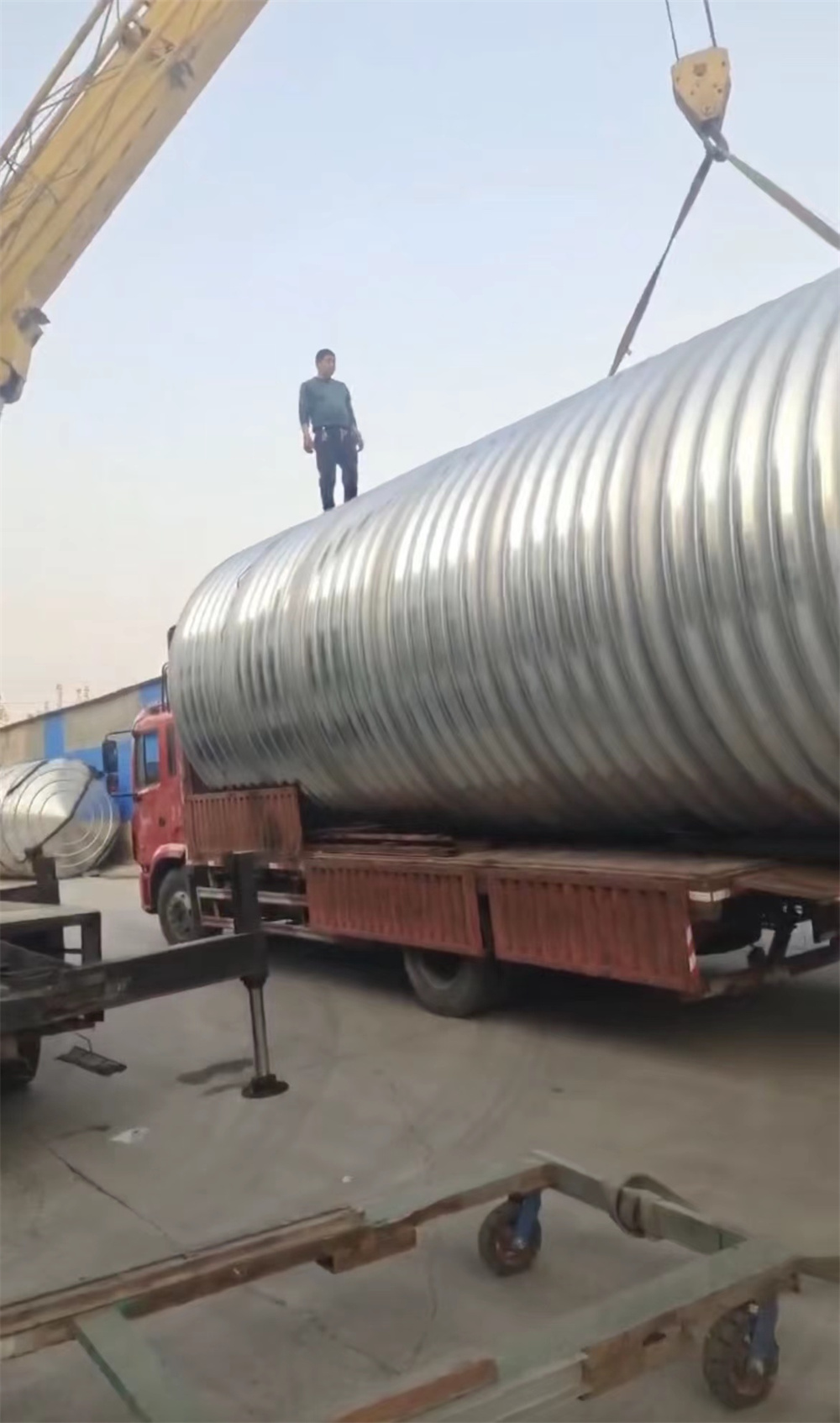
Firewater tanks are storage devices for fire suppression systems, typically installed within or around buildings. Their main features include:
1. Water Storage Capacity: Firewater tanks are designed to store large quantities of water to meet the needs of fire suppression systems. They typically have substantial capacity to provide a continuous water supply for firefighting.
2. Pressure Resistance: Fire water tanks should have good pressure resistance to ensure that stored water does not leak or get damaged during use.
3. Corrosion Resistance: To enhance the lifespan of water tanks, fire-resistant water tanks are typically made from anti-corrosive materials such as stainless steel or fiberglass.
4. Drainage System: A drainage system must be equipped for the fire water tank to maintain water quality, prevent contamination, and ensure a clean water source for extinguishing fires when needed.
5. Remote Monitoring: Certain fire water tanks come equipped with remote monitoring capabilities, allowing real-time monitoring of water levels and temperatures to ensure the smooth operation of the fire protection system.
In summary, firewater tanks feature strong water storage capacity, excellent pressure resistance, corrosion resistance, a comprehensive drainage system, and remote monitoring capabilities to ensure a reliable fire extinguishing water source in the event of a fire.
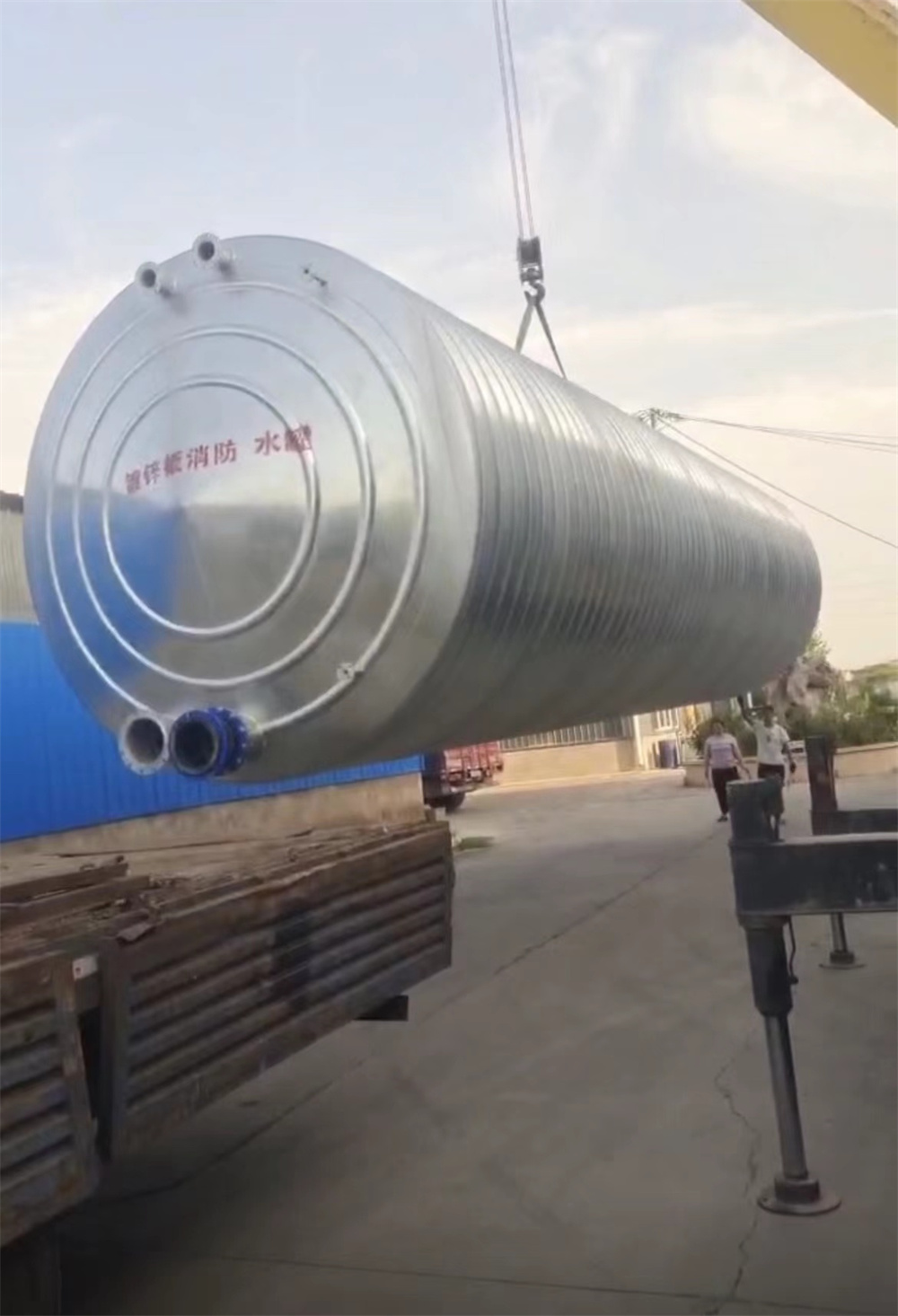
The characteristics of horizontal water tanks are mainly as follows:
1. Sturdy Structure: The horizontal water tank is placed horizontally, with a large support area at the bottom, offering excellent stability and preventing accidental overturning.
2. Smaller Footprint: Compared to vertical water tanks, horizontal water tanks occupy less space, making them suitable for installation in areas with limited space, such as basements and garages.
3. User-friendly: The water level surface is within the water tank's height range, making it easy for users to observe the water level and promptly replenish the water source.
4. Large Storage Capacity: Horizontal water tanks typically have a larger storage capacity, capable of meeting the water needs of a certain quantity, suitable for large buildings or locations requiring substantial water storage.
5. Easy Installation: Compared to vertical water tanks, horizontal water tanks are easier to install and set up.
6. Online Connectivity: Horizontal water tanks usually come with multiple inlets and outlets, allowing for easy connection to a building's water supply system, ensuring a stable water source.
In summary, horizontal water tanks boast a stable structure, minimal land footprint, and ease of use, making them suitable for locations with high water storage capacity requirements.
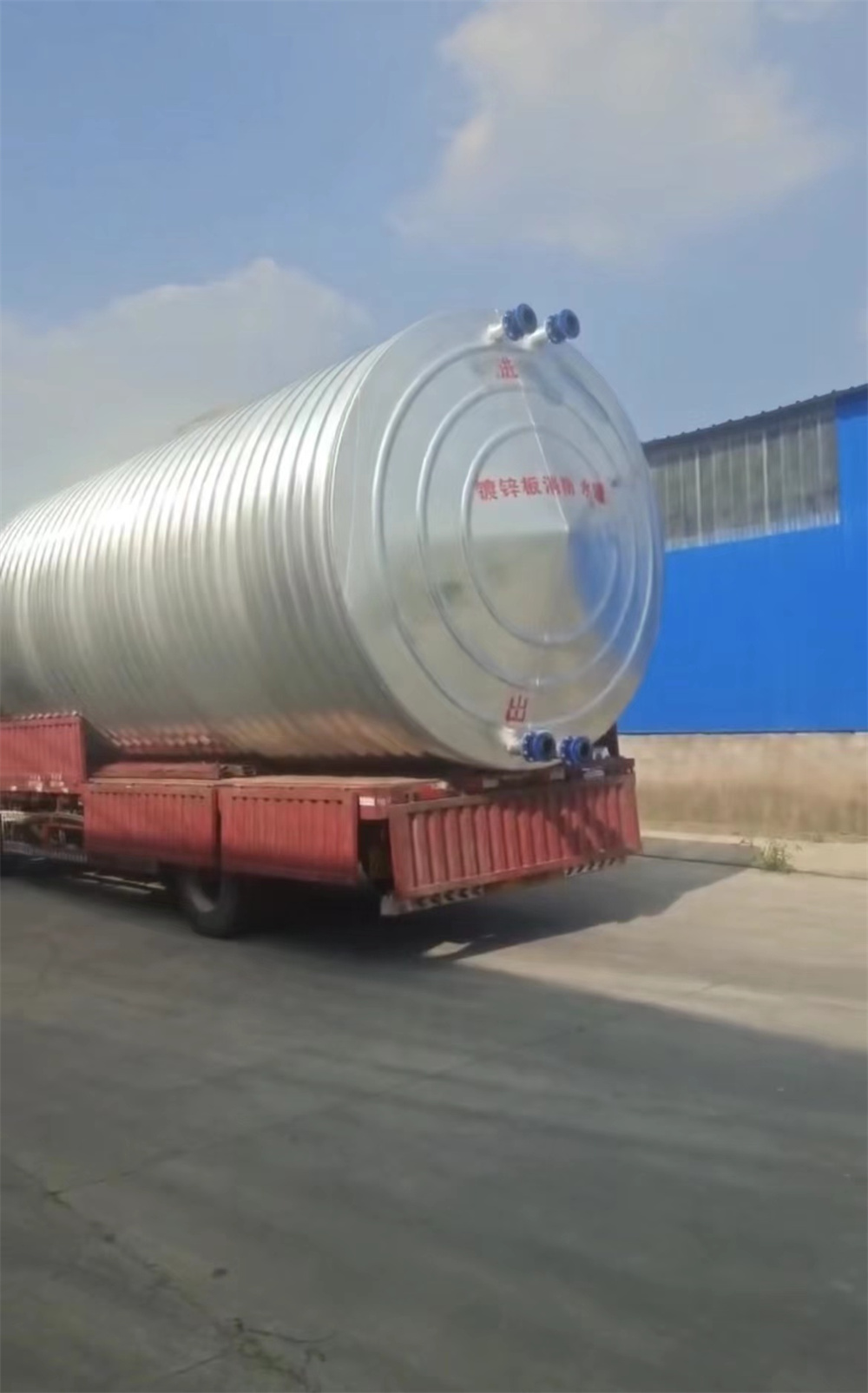
The water storage tank has some features:
1. Large capacity: The storage tank typically has a larger capacity than a standard bucket, allowing for more water storage.
2. Durable: Storage tanks are typically made of corrosion-resistant and pressure-resistant materials such as stainless steel and polyethylene, offering high durability.
3. Excellent Leak-Proof Performance: The storage tank is designed with a sealed structure, featuring good leak-proof capabilities to prevent water leakage.
4. Easy Cleaning: Storage tanks usually have dedicated openings for easy regular cleaning, draining, and maintenance.
5. Wide Application Range: The storage tank is suitable for various fields such as homes, public places, and agricultural irrigation, offering extensive utility.
In summary, the storage tank features large capacity, high durability, excellent leak prevention, easy cleaning, and wide application range.
Stainless steel mixers are primarily used for mixing, blending, dissolving, homogenizing, and reacting liquid, powdered, or granular materials during industrial production processes. They are widely employed in industries such as food, pharmaceuticals, chemicals, cosmetics, and beverages, and can be used to prepare liquid or solid products like drinks, juices, emulsions, medications, cosmetics, and pigments. Moreover, stainless steel mixers offer corrosion resistance, high-temperature tolerance, and easy cleaning, meeting hygiene and quality standards.