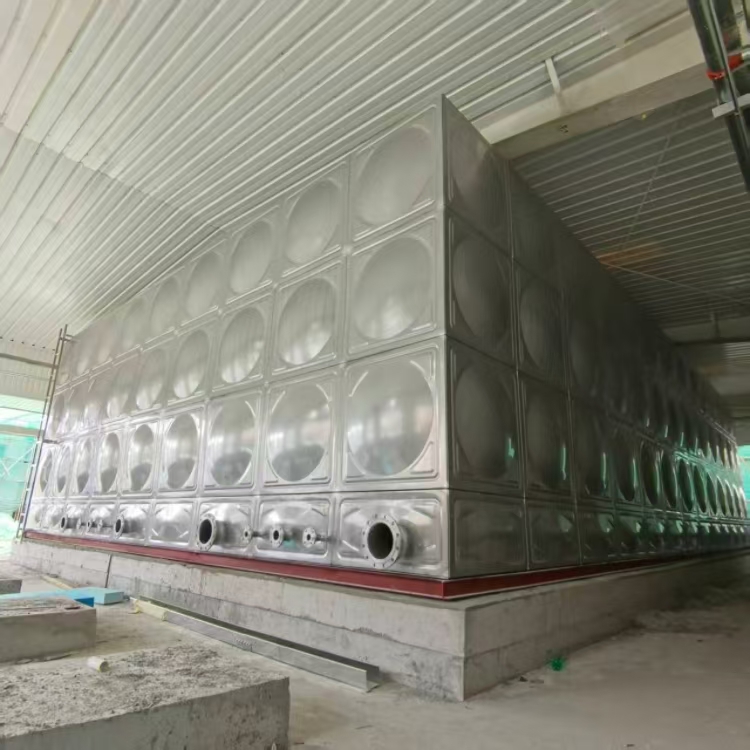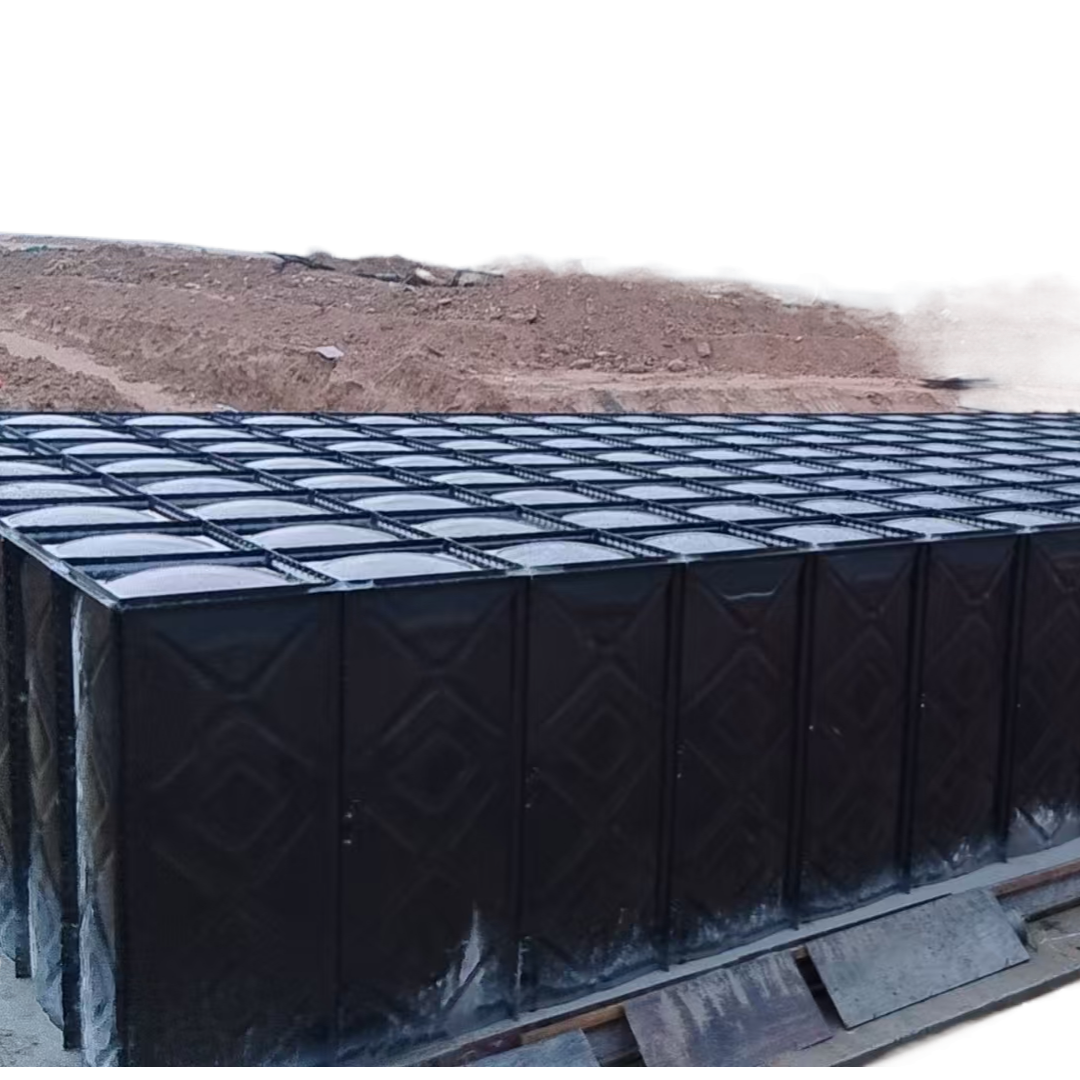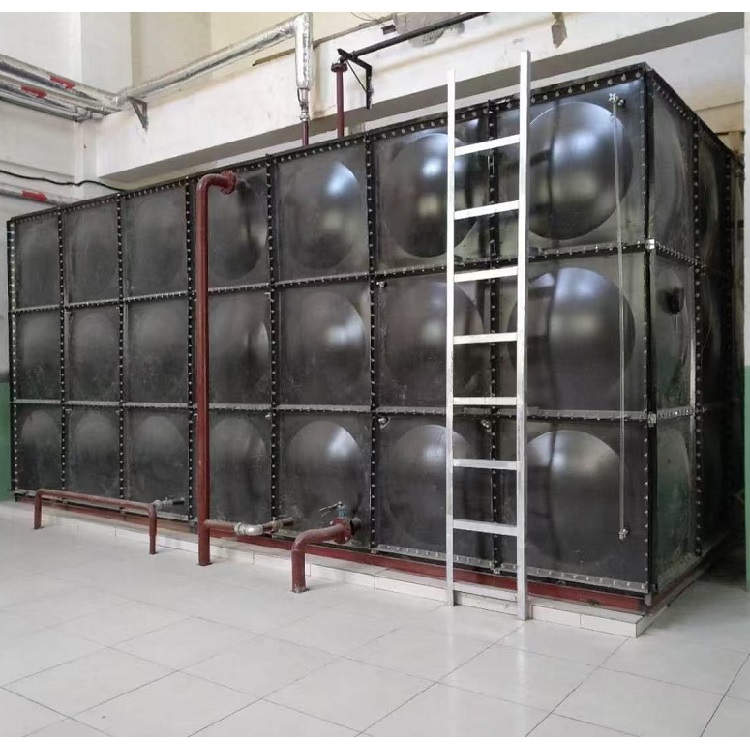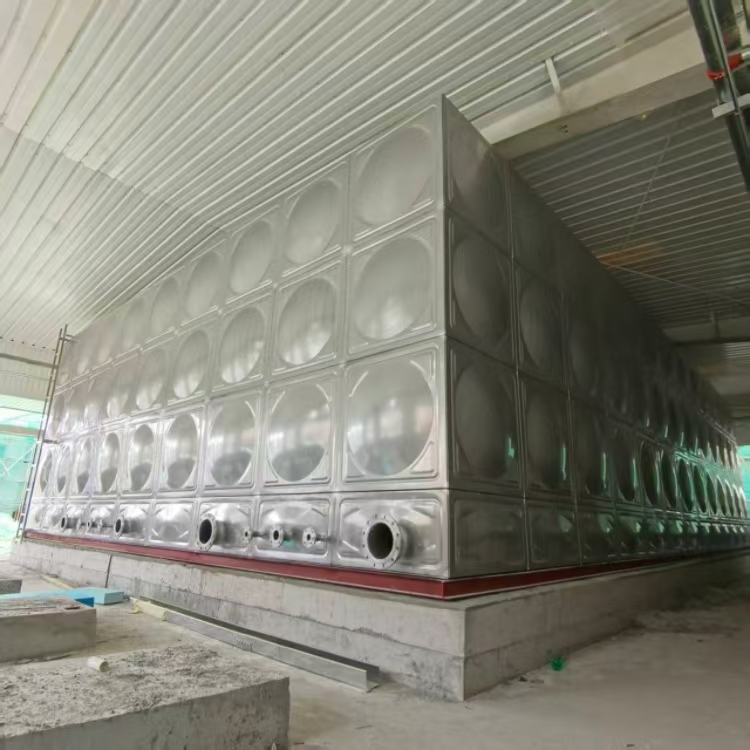
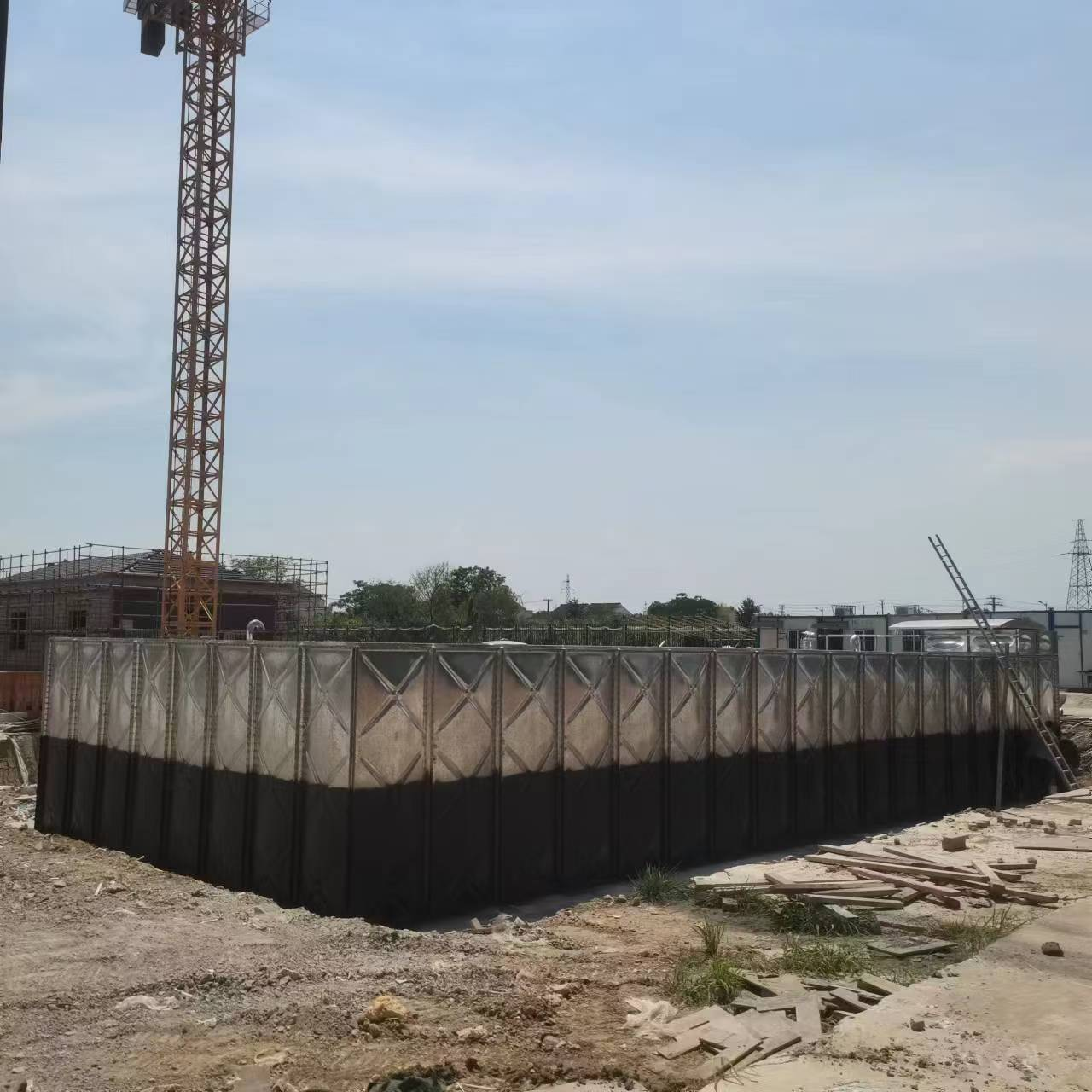
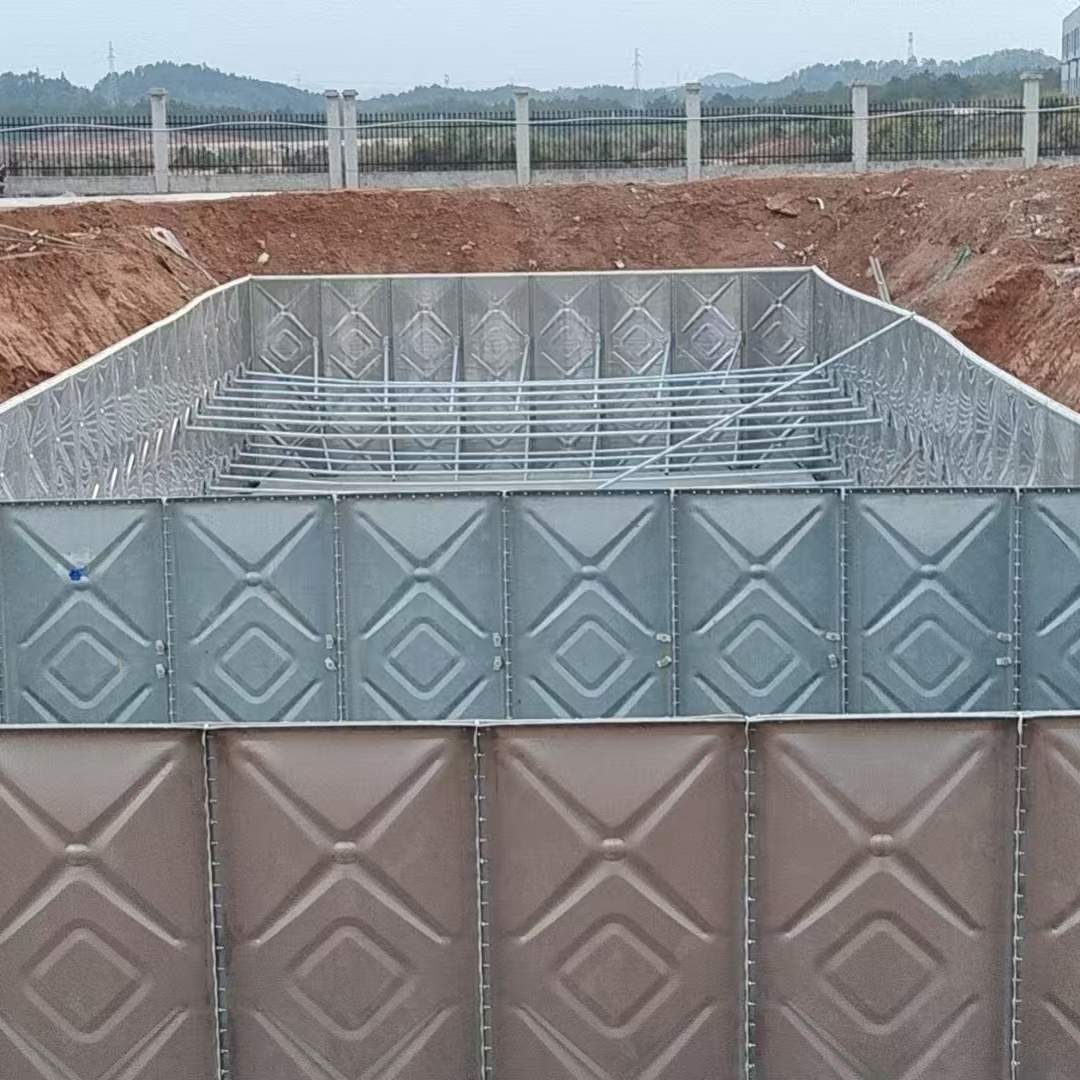
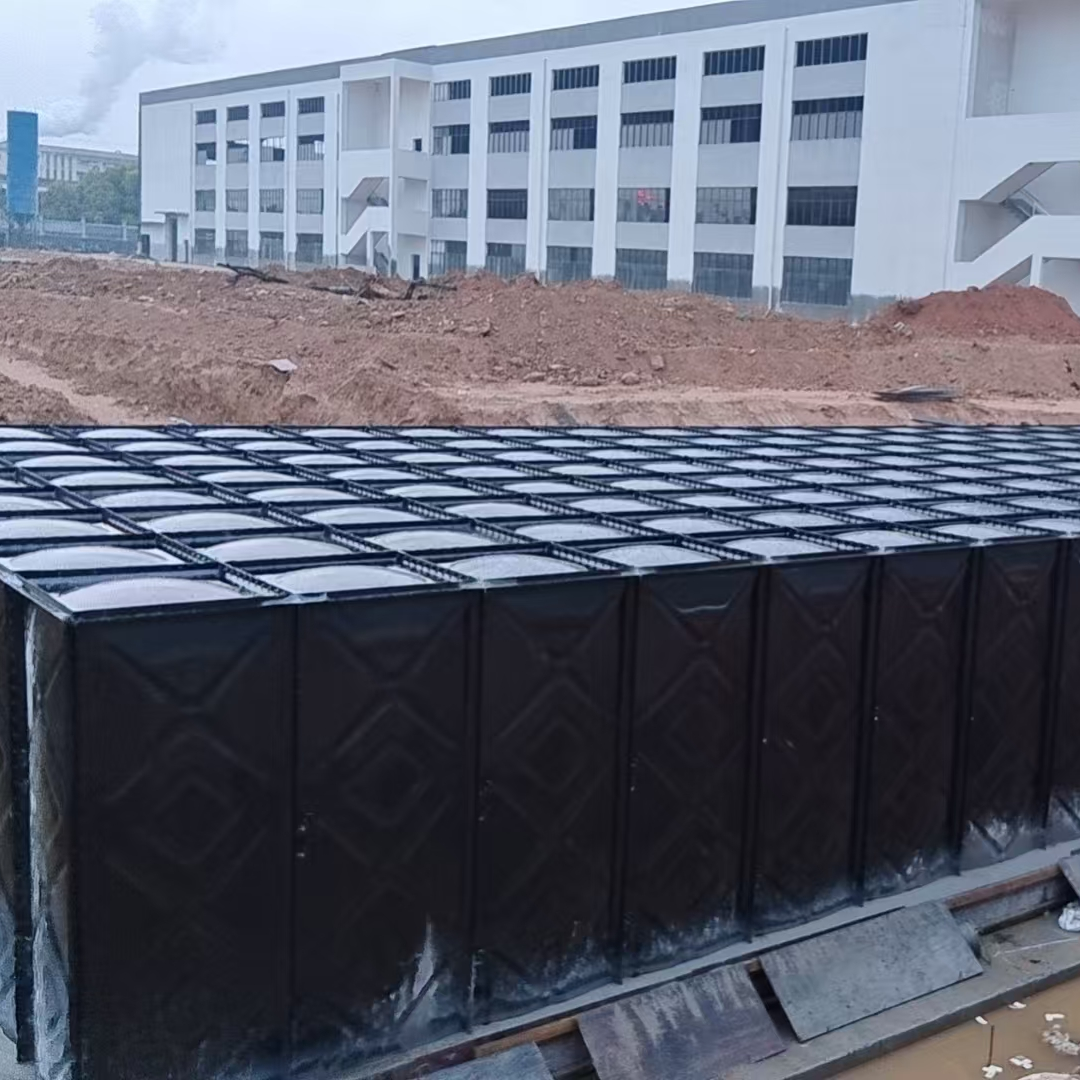







Galvanized Steel Water Tanks are storage containers made from galvanized steel plates. Galvanized steel is steel plate that has undergone hot-dip galvanizing, with a zinc coating applied to the surface, enhancing its corrosion and durability resistance. Galvanized steel water tanks are commonly used for agricultural irrigation, industrial water supply, and water storage, effectively preventing water corrosion and leakage.
The characteristics of vertical water tanks are mainly as follows:
1. The vertical water tank design is space-saving, ideal for installation in areas with limited space, such as small courtyards or balconies.
2. The vertical water tank features a unique design that can enhance the aesthetics of indoor or outdoor spaces, serving as one of the decorative elements.
3. Vertical water tanks usually have deeper basins, capable of holding more water, making them suitable for cultivating aquatic animals that require larger water bodies, such as small fish or aquatic plants.
4. The installation of vertical water tanks is relatively simple, requiring no special foundation or structural support, and they are typically portable or removable at any time, making cleaning and maintenance convenient.
5. Vertical water basins can increase indoor humidity and improve the living environment when used indoors, contributing to enhanced comfort and better growth conditions for indoor plants.
In summary, the vertical water tank is both practical and aesthetically pleasing, suitable for various applications, and offers great flexibility and convenience.

The features of the galvanized steel tank mixer include the following:
1. Corrosion-Resistant: Galvanized steel sheets are coated with a layer of zinc on the surface of steel plates, effectively preventing corrosion from chemicals during the blending process, thereby extending the service life of the blending tank.
2. High Strength: The internal structure of the mixing tank often needs to withstand significant mixing force and pressure. Galvanized steel plate offers excellent strength and rigidity, enabling it to bear these forces and ensure the stability and safety of the mixing tank.
3. Diverse Styles: Galvanized sheets can be customized and processed as needed, making it possible to create mixers in various shapes and sizes to meet different process and production requirements.
4. Easy Maintenance: The galvanized tank surface is smooth, resists dirt accumulation, and is simple to maintain, easy to clean, and care for.
5. Lower Cost: Compared to other materials, galvanized steel sheets are more cost-effective, making the price of mixers more affordable and suitable for small and medium-sized enterprises.

An underground fire reservoir is a facility used for storing fire-fighting water, featuring the following characteristics:
1. Safe and Reliable: Underground fire reservoirs are typically constructed with concrete or steel structures, offering robust seismic and compressive resistance, ensuring a stable water supply during accidents or natural disasters.
2. Large Water Storage Capacity: The underground fire reservoir has a substantial capacity, allowing for ample storage of fire-fighting water, ensuring a sufficient water supply during the fire-fighting process.
3. High Hiding Ability: Underground fire reservoirs are typically buried underground, level with or hidden beneath buildings or public places, offering high concealment and not occupying ground space, thus not affecting the aesthetics of the buildings.
4. Maintenance Convenience: The maintenance of an underground fire reservoir is relatively convenient as most of its equipment and pipelines are buried underground. When maintenance or inspection is needed, operations can be conducted through manholes or inspection holes, minimizing external environmental impact.
5. Resource Conservation: The underground fire reservoir utilizes underground space for water storage, effectively conserving valuable land resources on the surface, particularly suitable for densely populated urban areas.
In summary, the buried fire reservoir offers features such as safety and reliability, large storage capacity, strong concealment, ease of maintenance, and resource conservation, making it a common fire protection facility.

The features of horizontal water tanks are mainly as follows:
1. Sturdy Structure: The horizontal water tank is placed horizontally, with a large supporting area at the bottom, offering excellent stability and preventing accidental overturning.
2. Smaller Footprint: Compared to vertical water tanks, horizontal water tanks occupy less space, making them suitable for installation in areas with limited space, such as basements, garages, etc.
3. Easy to Use: The water level indicator is within the water tank's height range, allowing users to easily observe the water level and promptly replenish the water supply.
4. Large Storage Capacity: Horizontal water tanks typically offer a larger storage capacity, capable of meeting the water needs of a certain quantity, and are suitable for large buildings or locations requiring substantial water storage.
5. Installation Convenience: Compared to vertical water tanks, horizontal water tanks are easier to install and set up.
6. Online connectivity: Horizontal water tanks typically feature multiple inlets and outlets, allowing for easy connection to a building's water supply system, ensuring a stable water source.
In summary, horizontal water tanks offer a stable structure, small footprint, and ease of use, making them suitable for locations with high water storage capacity requirements.
Vertical water tanks are primarily used for storing and supplying large quantities of liquid, with common applications including the following aspects:
1. Agricultural Irrigation: Vertical water tanks are used for storing and supplying irrigation water, meeting the needs of crop growth.
2. Industrial Water Supply: Vertical water tanks can serve as a water source for factories and industrial equipment, ensuring stable water supply during the production process.
3. Drinking Water Storage: Vertical water tanks are used for storing drinking water, commonly found in residential complexes and office buildings, providing daily drinking water for people.
4. Firefighting Water Source: Vertical water tanks are commonly used in fire protection systems to provide ample water supply for extinguishing fires, ensuring water needs during emergency fire situations.
5. Pond Culture: Vertical pools are suitable for farming fish, shrimp, and other aquatic organisms, offering an ecological environment and ample water supply.
In summary, a vertical water tank is a common equipment for storing and supplying liquids, widely applicable in fields such as agricultural irrigation, industrial water use, drinking water storage, firewater supply, and fish pond aquaculture.