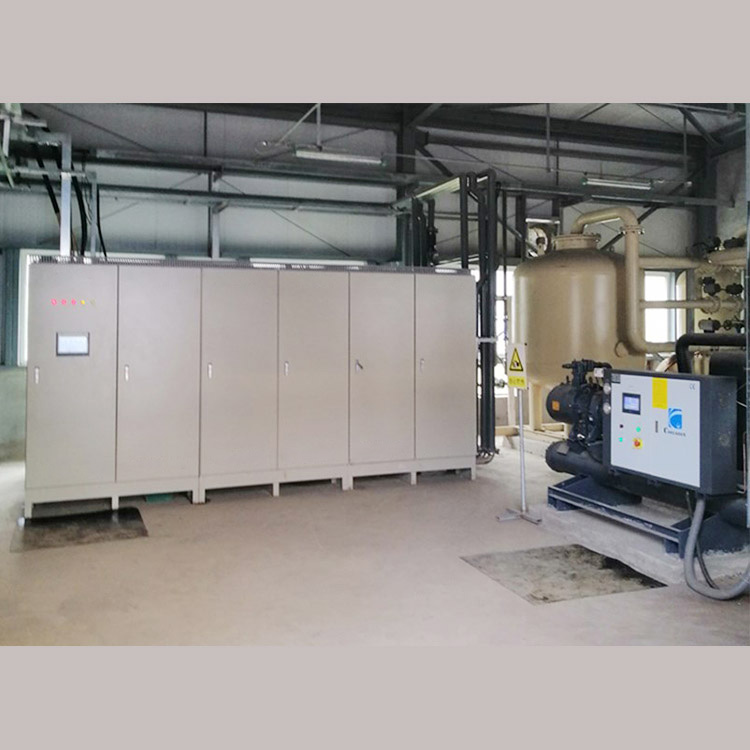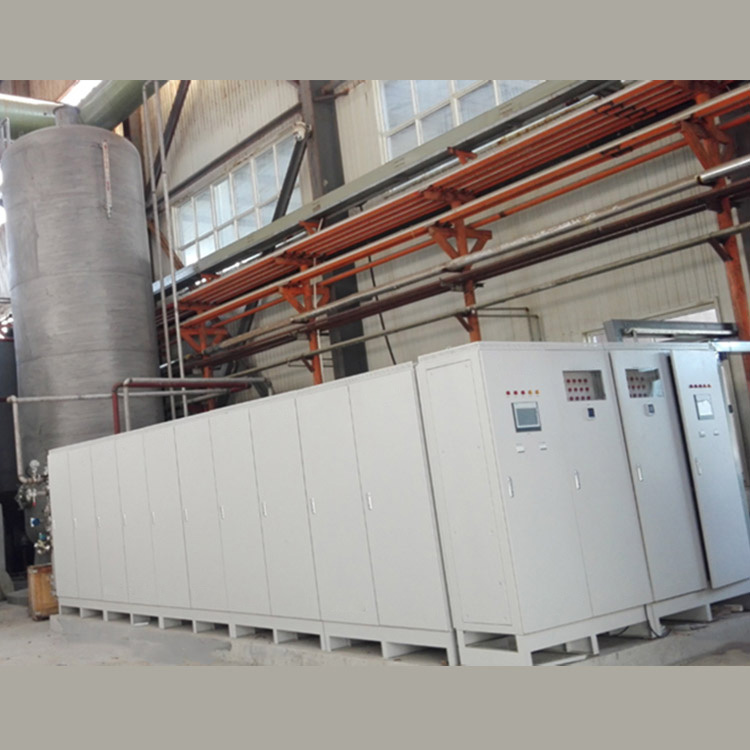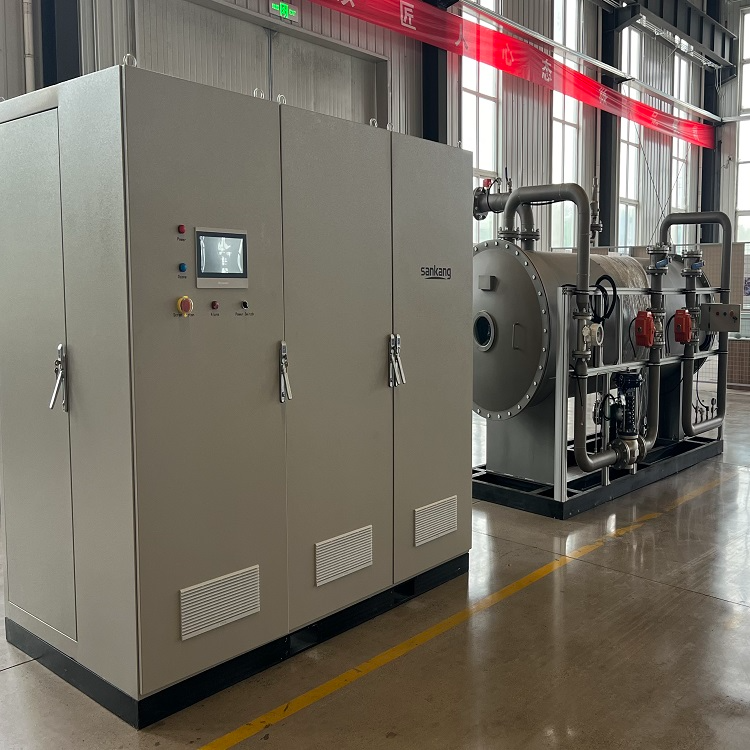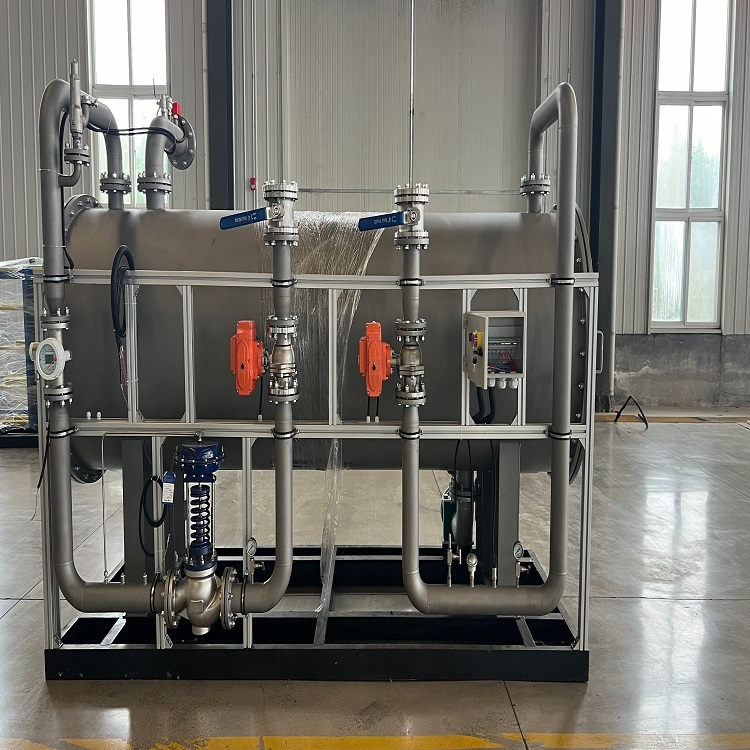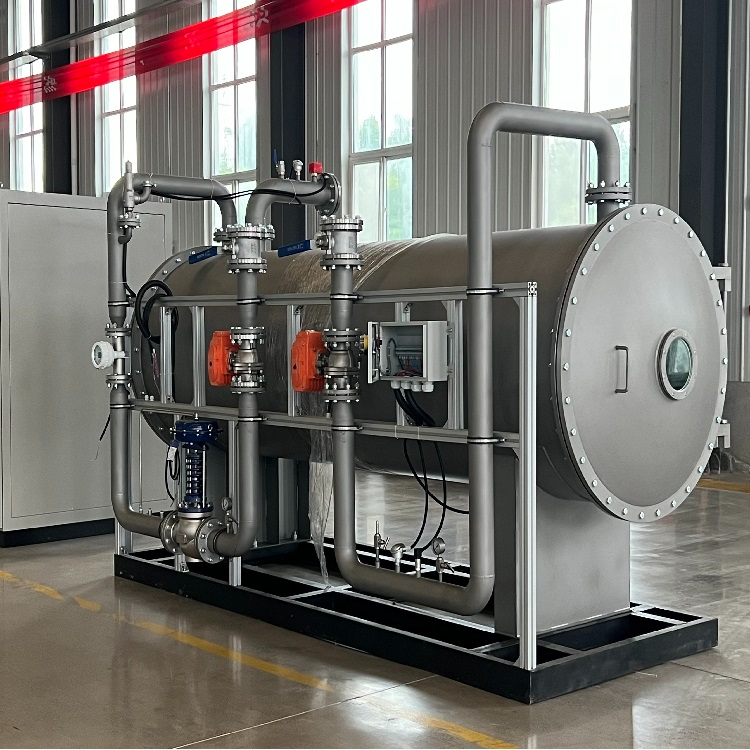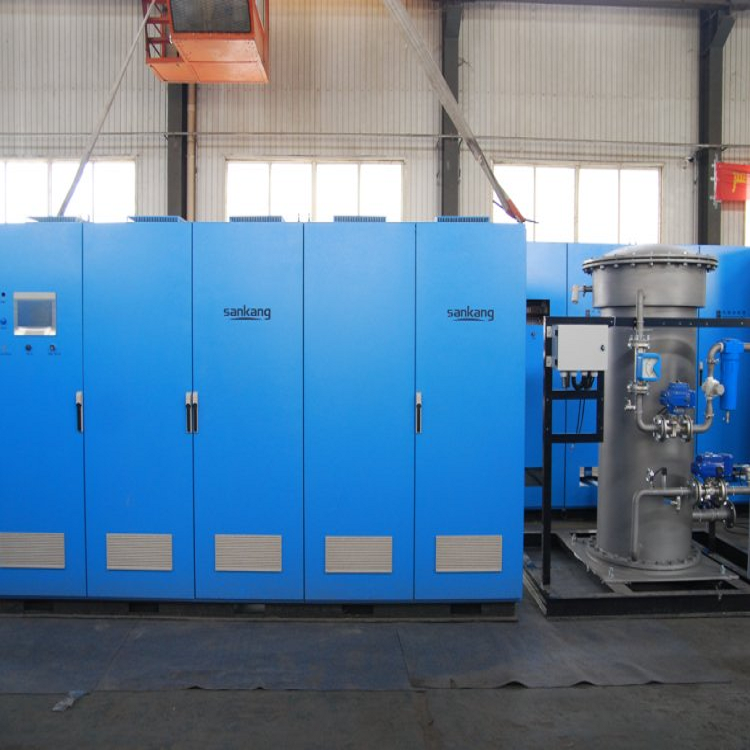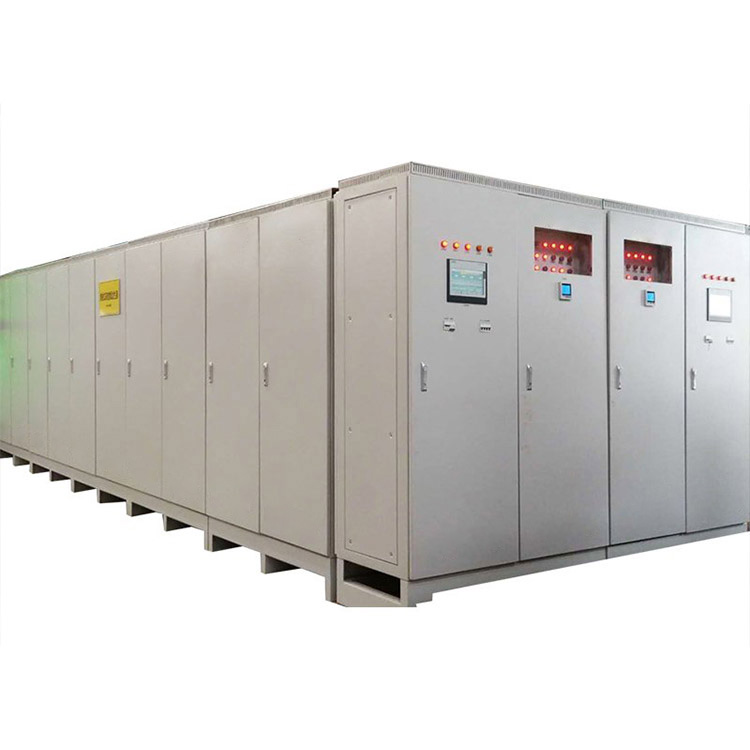



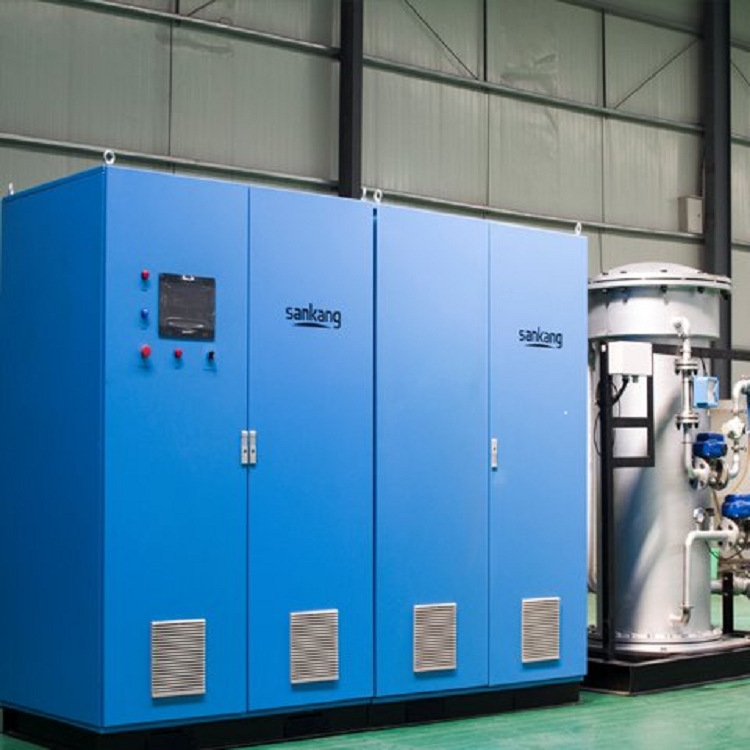
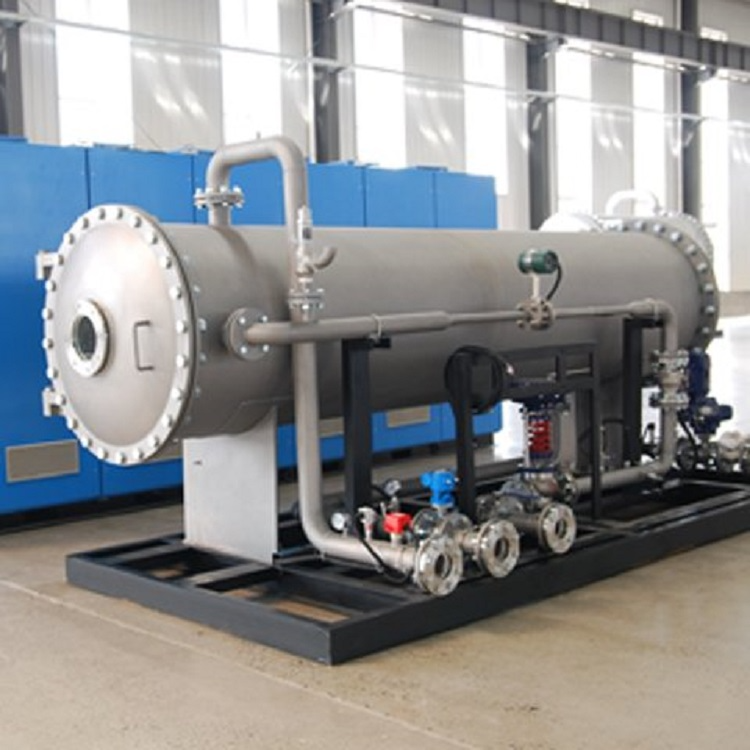





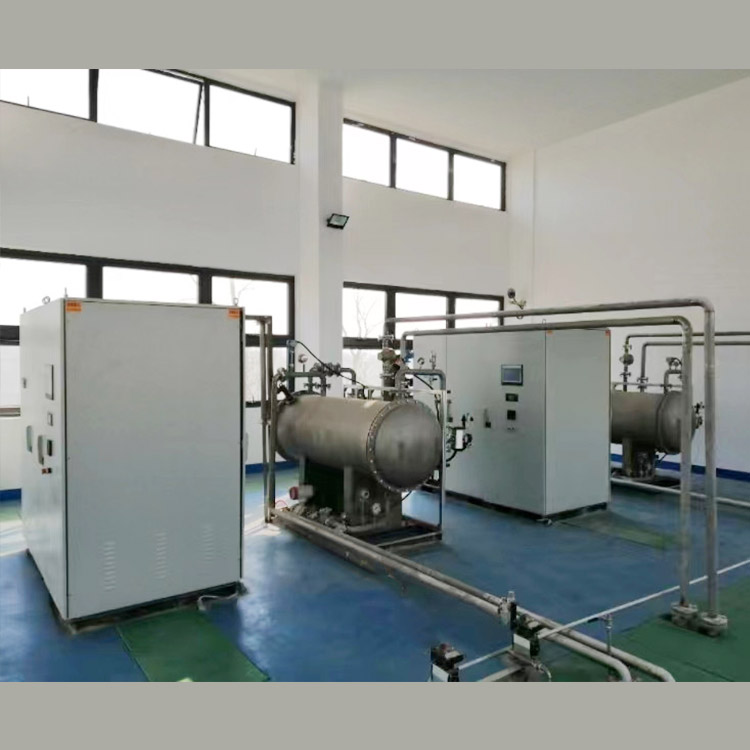
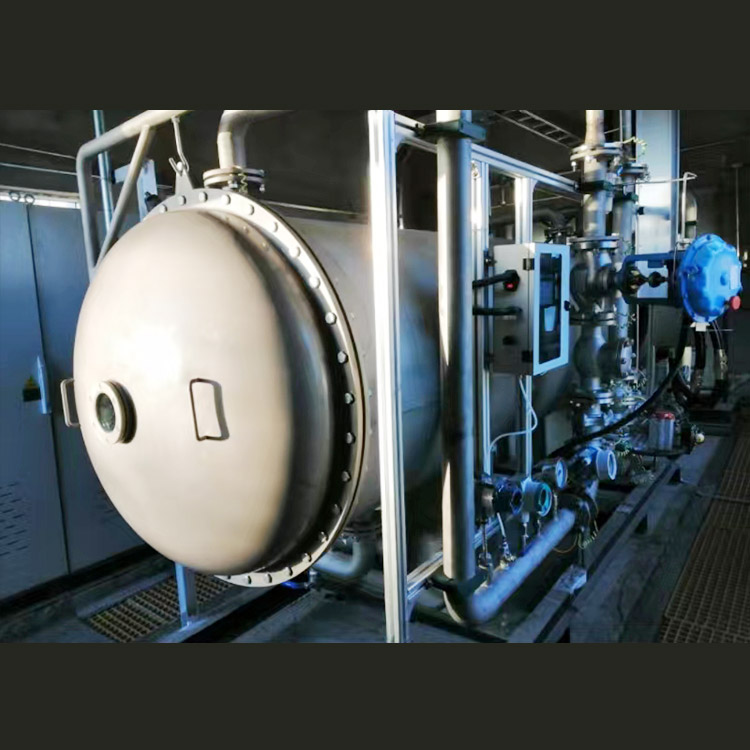
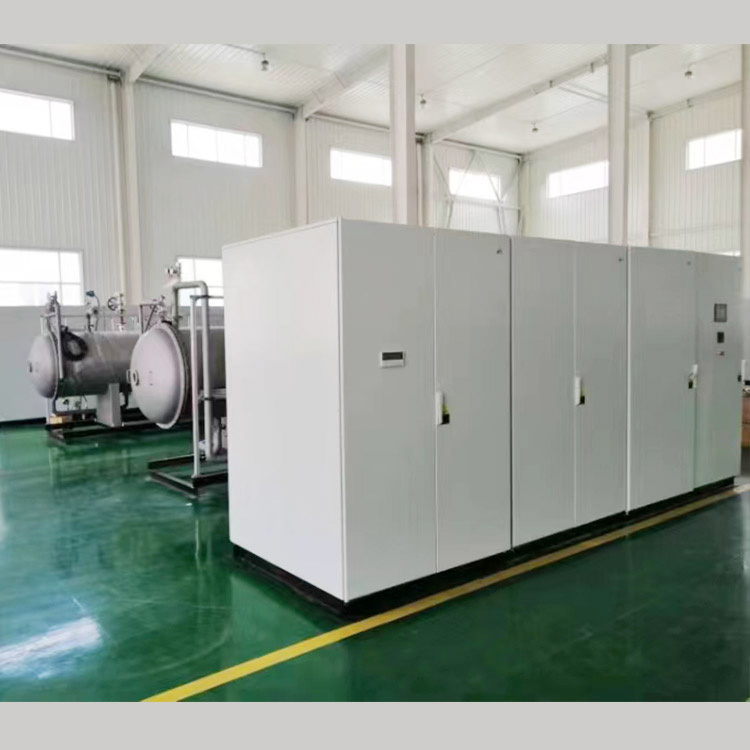
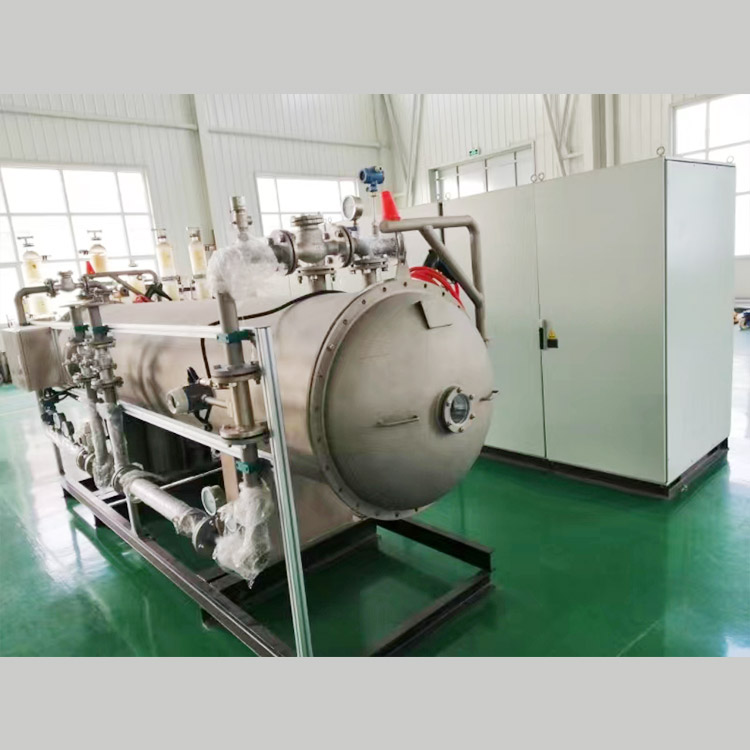

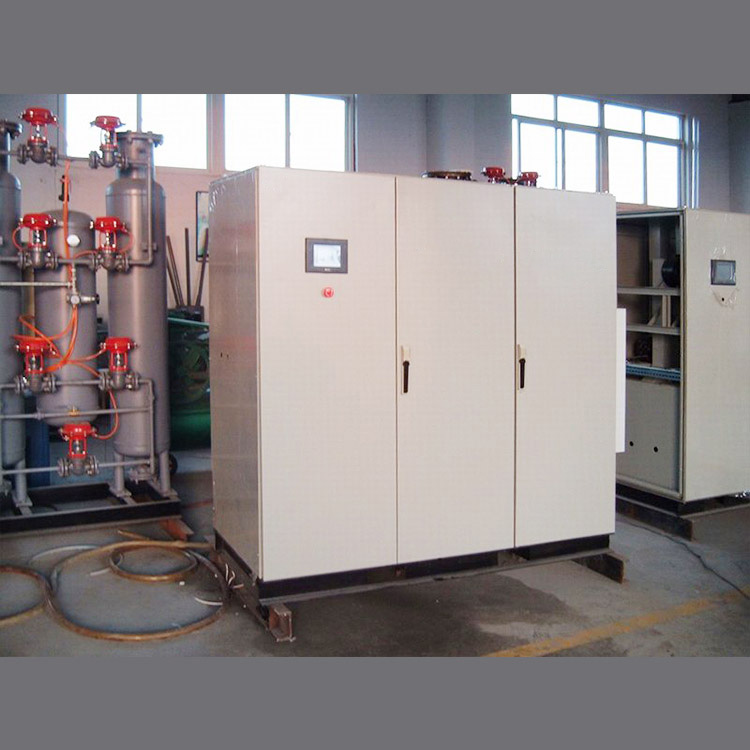
Ozone output refers to the amount of ozone produced by an ozone generator per unit of time; the ozone output is calculated by multiplying the ozone concentration value by the total gas volume entering the ozone generator. It is typically measured in units such as mg/h, g/h, and kg/h. The ozone generator standards specify that the model and specification of an ozone generator are distinguished by its ozone output. Small ozone generators are denoted by g/h, while large ozone generators use kg/h to indicate the size of the specification. Large ozone generators have ozone outputs ranging from 0.5 kg/h to 100 kg/h, with export ozone concentrations from 5 mg/l to 110 mg/l.
The ozone concentration in the sanitation industry is commonly expressed in ppm, which means one part of ozone in a cubic volume of mixed gas is one millionth of that volume, equal to 1ppm. Ozone concentration is a key indicator of the technology content and performance of ozone generators. Under the same operating conditions, the higher the ozone output concentration, the higher the quality.
Primary factors affecting ozone concentration include:
1. The structure and processing precision of ozone generators.
2. Cooling methods and conditions.
3. Drive voltage and drive frequency;
4. Dielectric materials
5. Oxygen content, purity, and dryness of the raw gas.