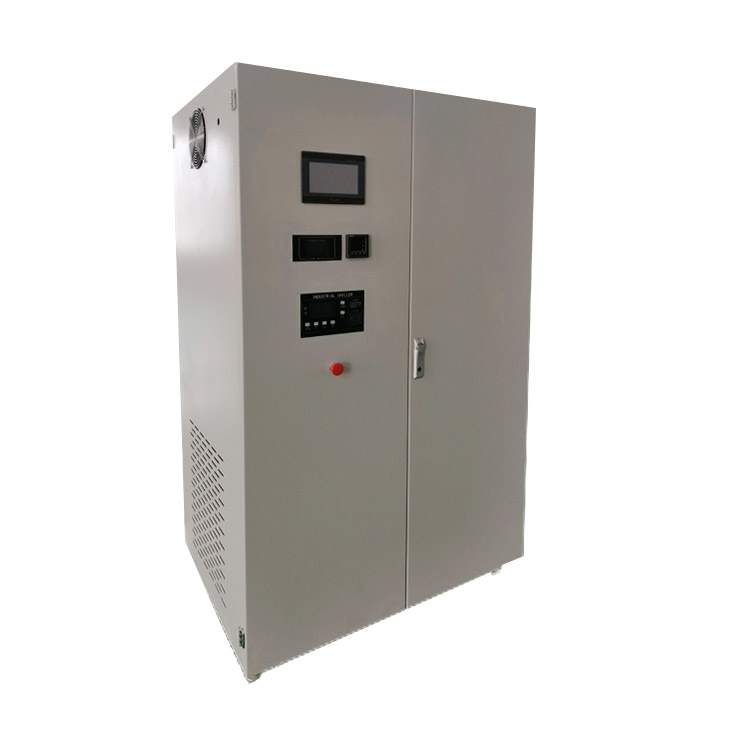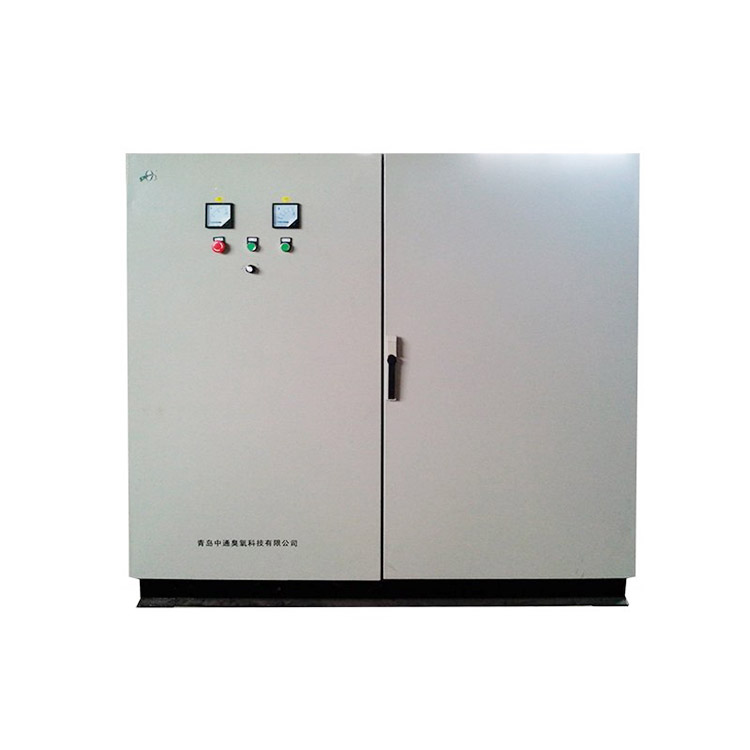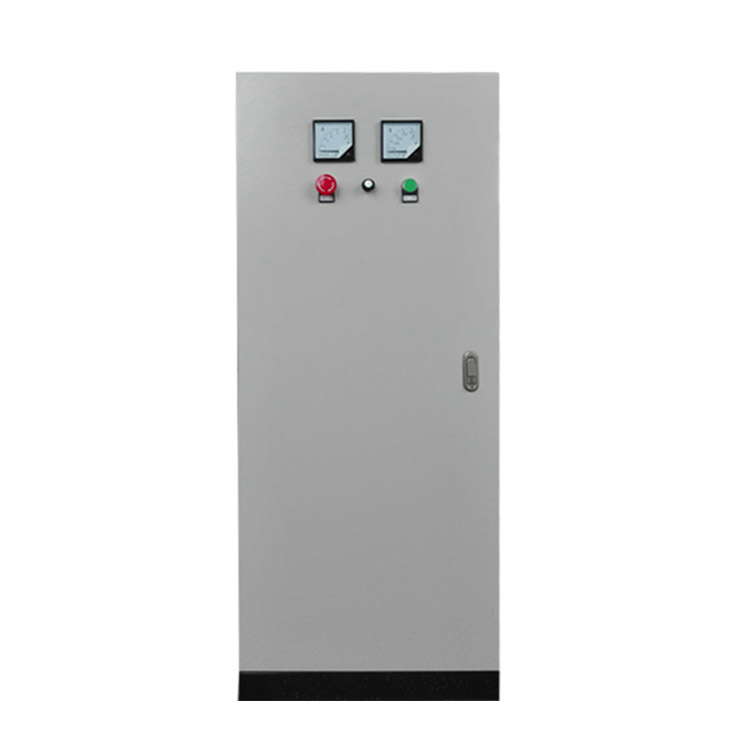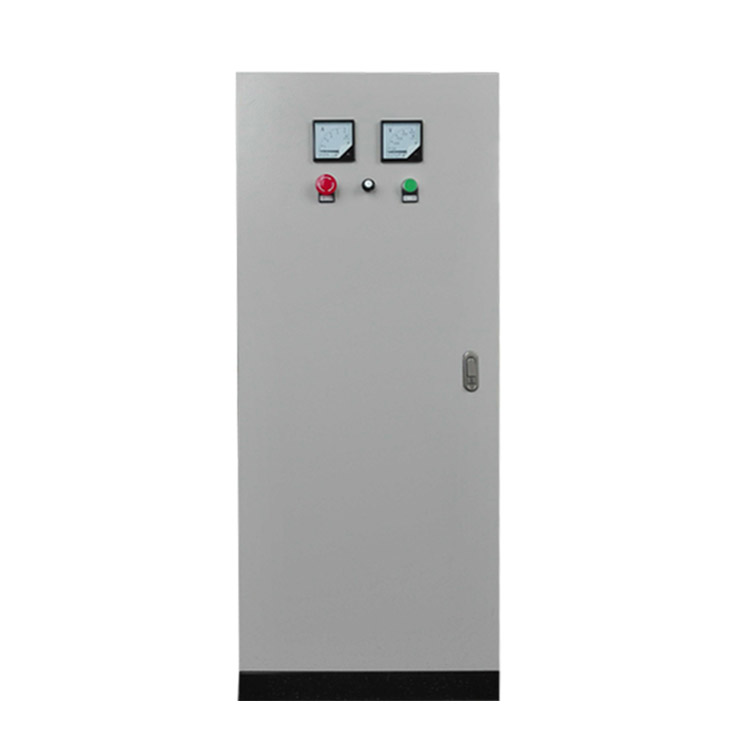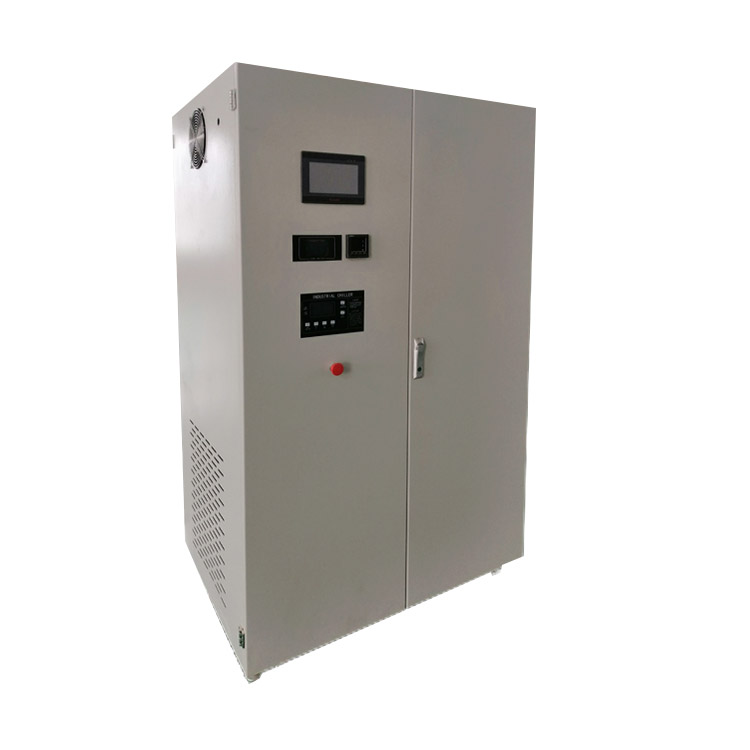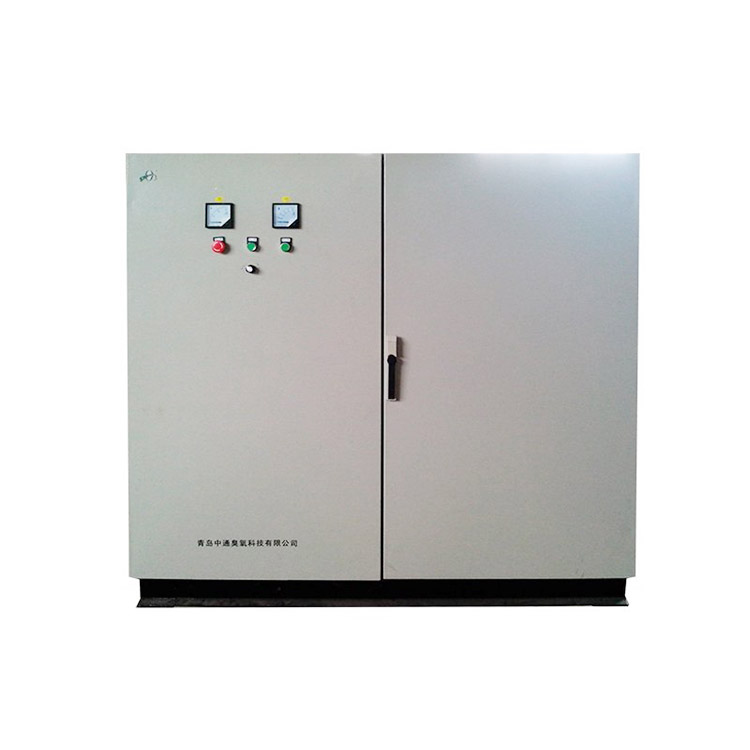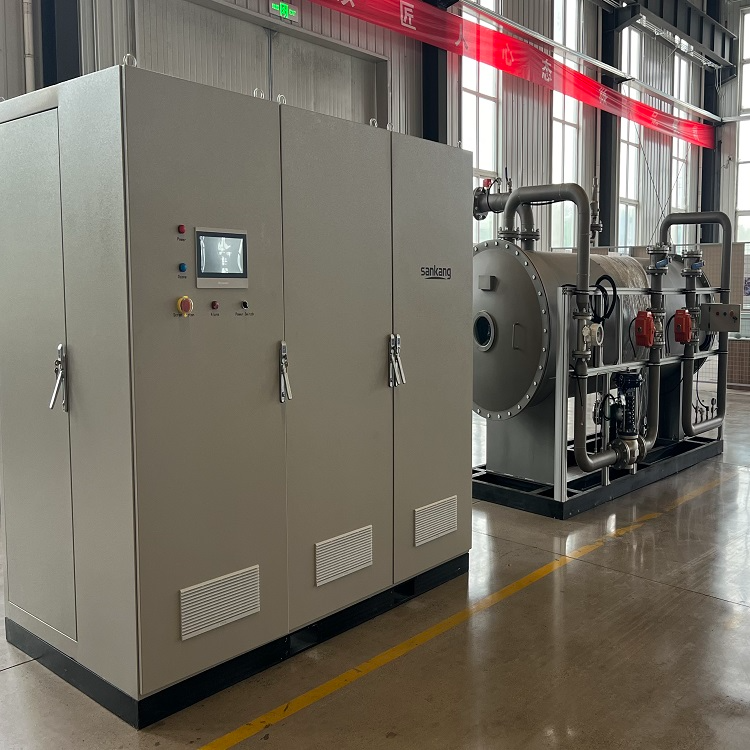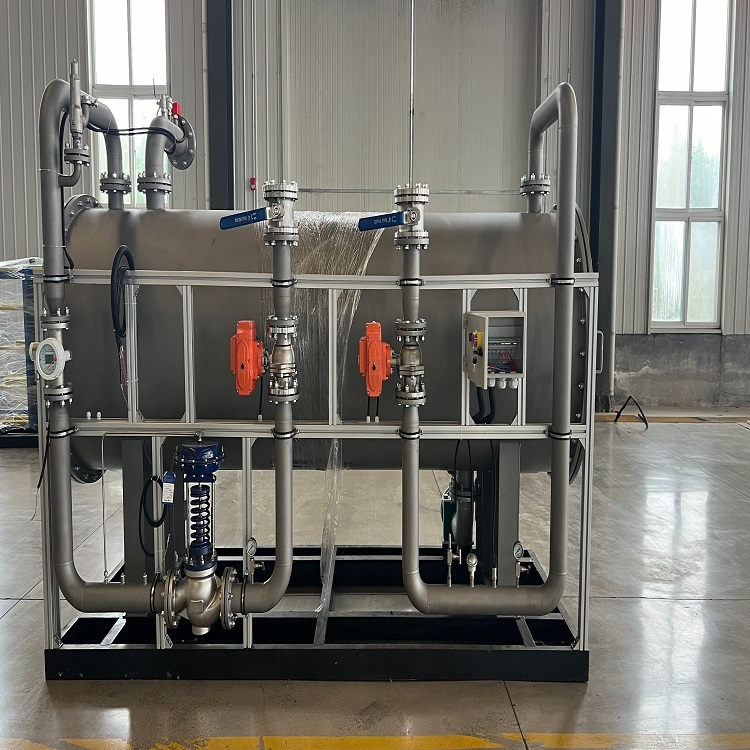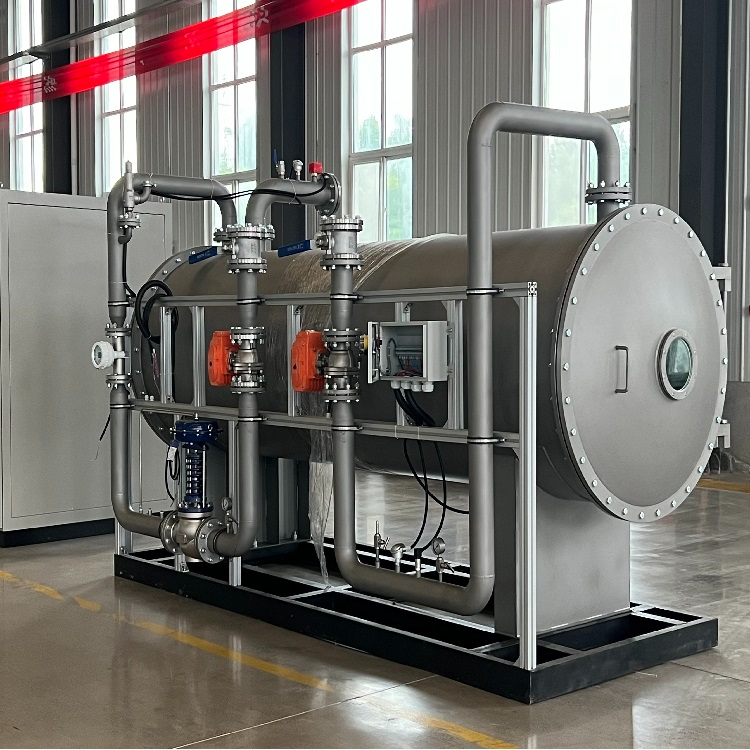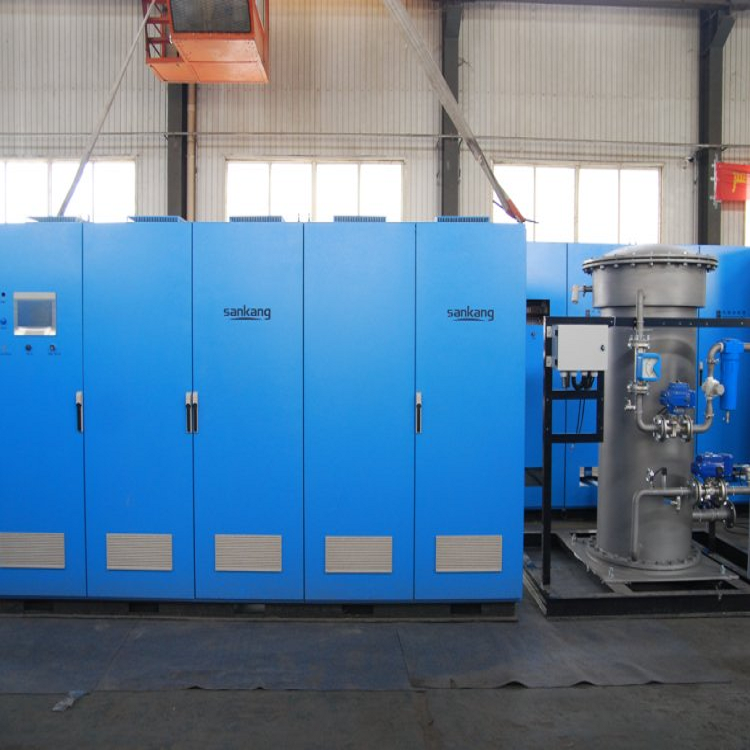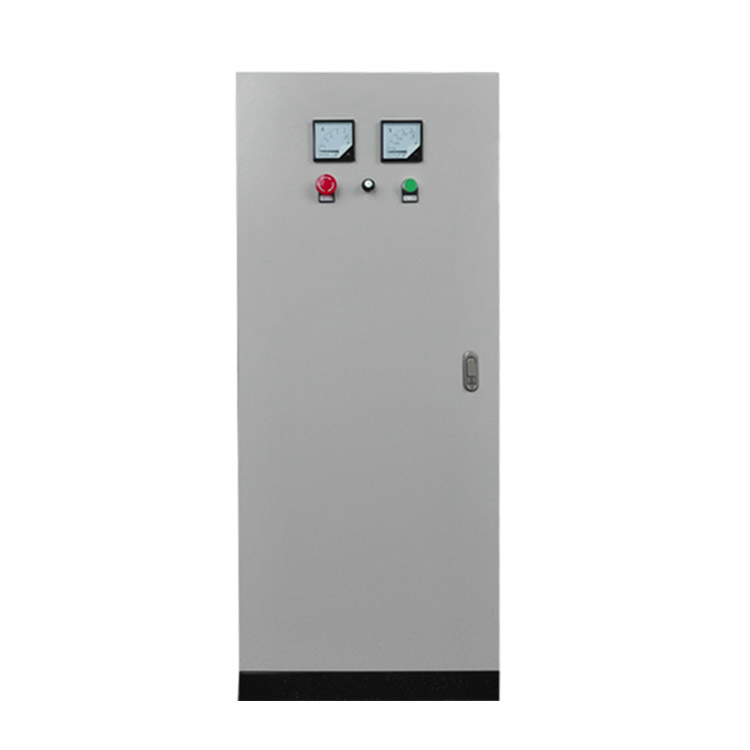

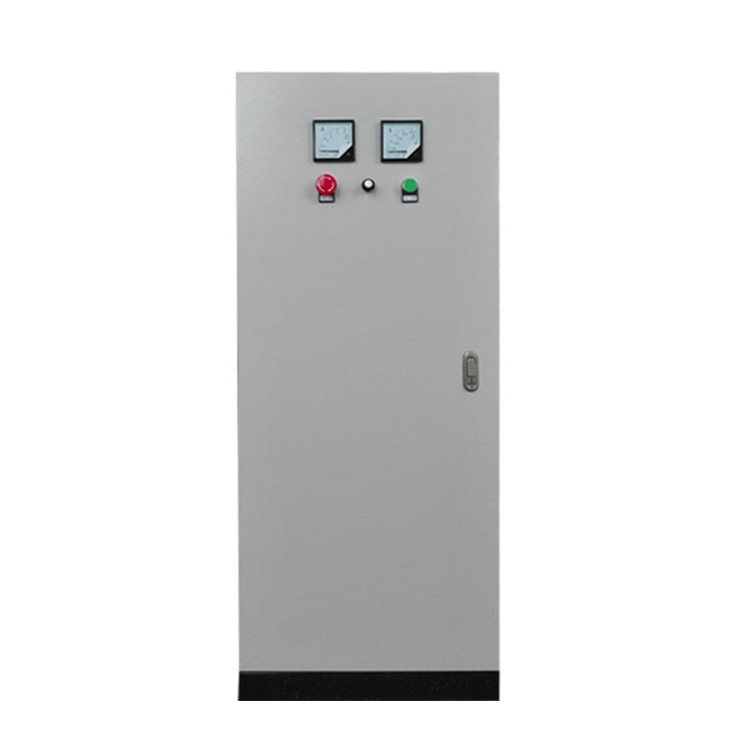
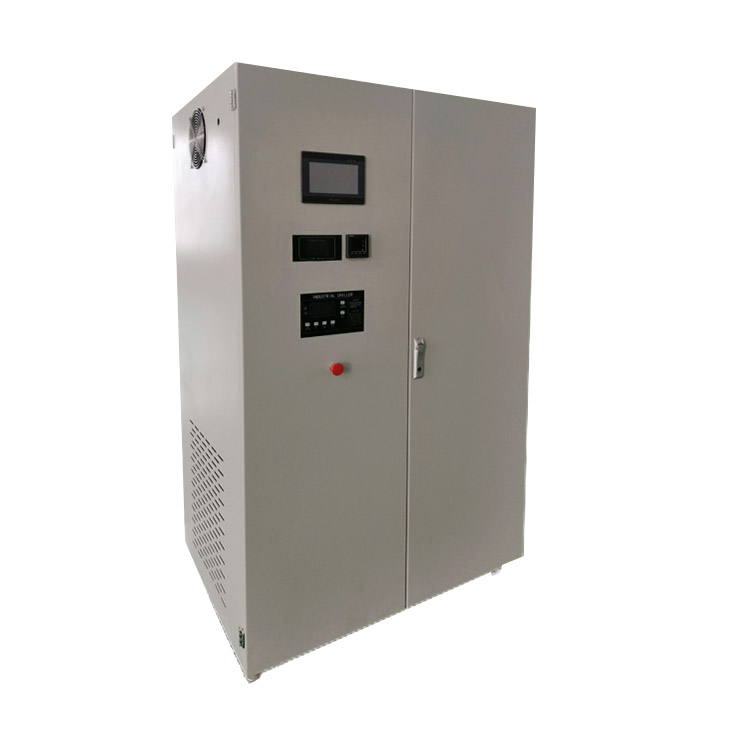
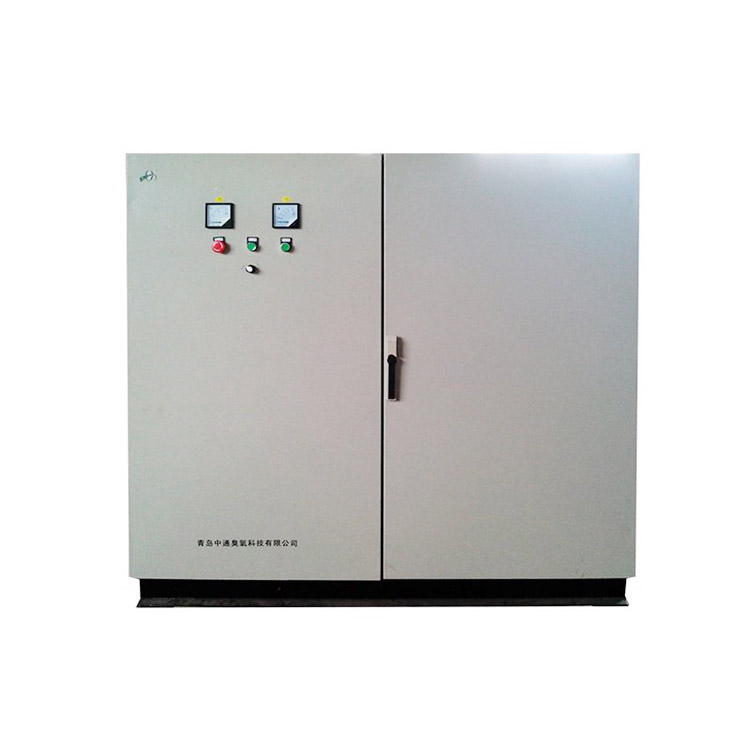


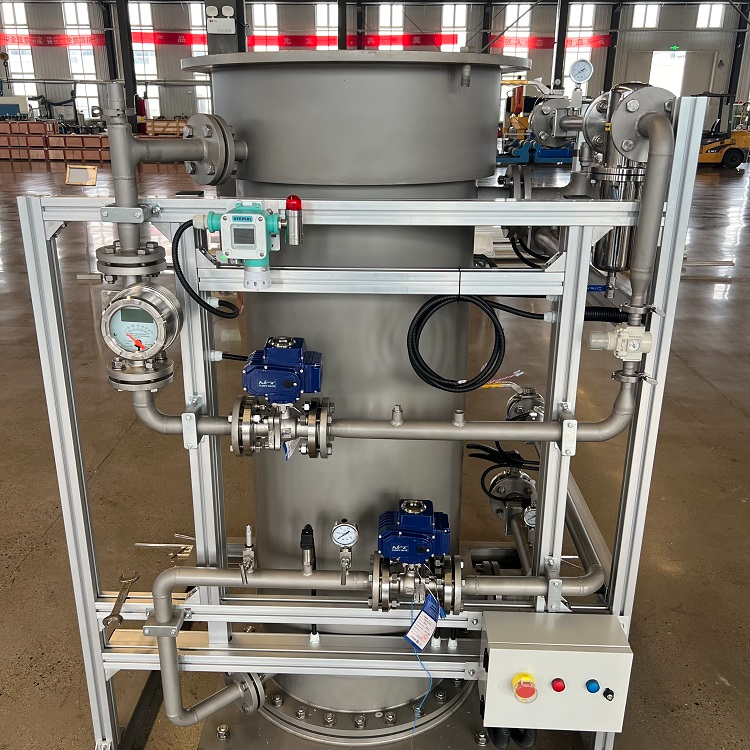
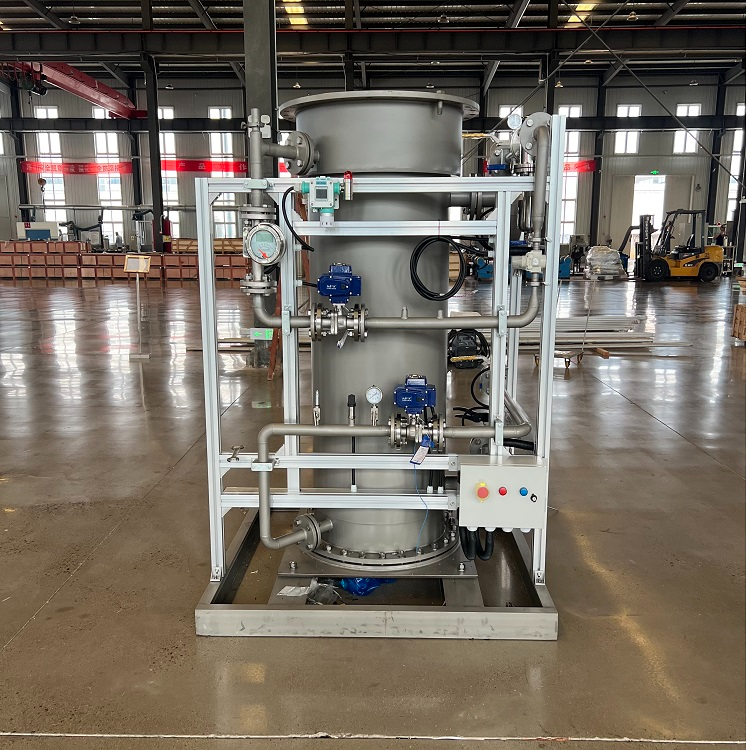
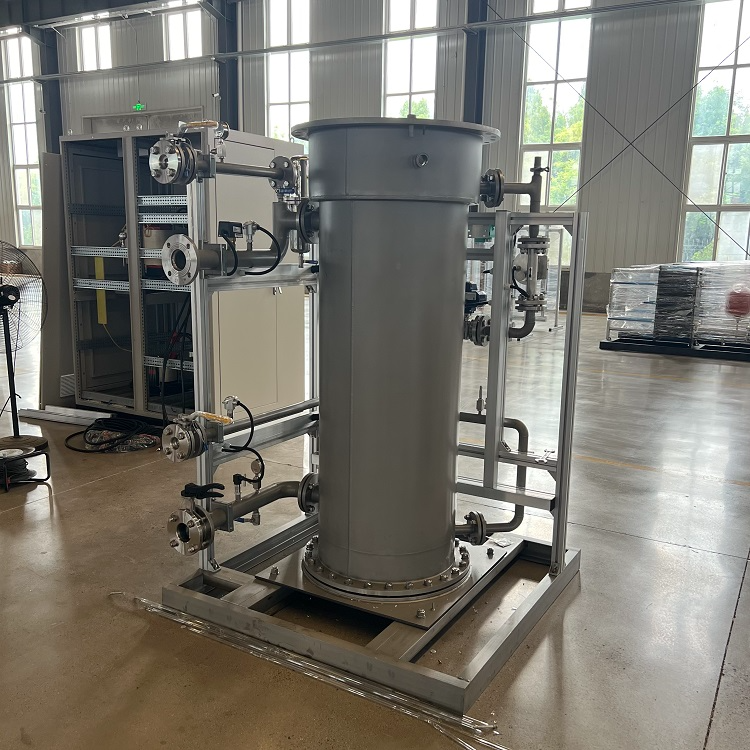
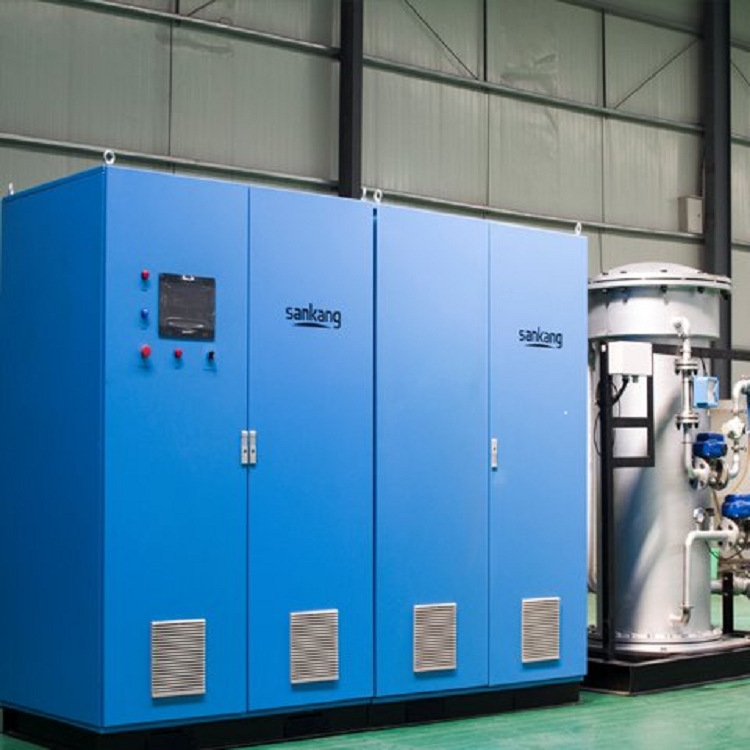
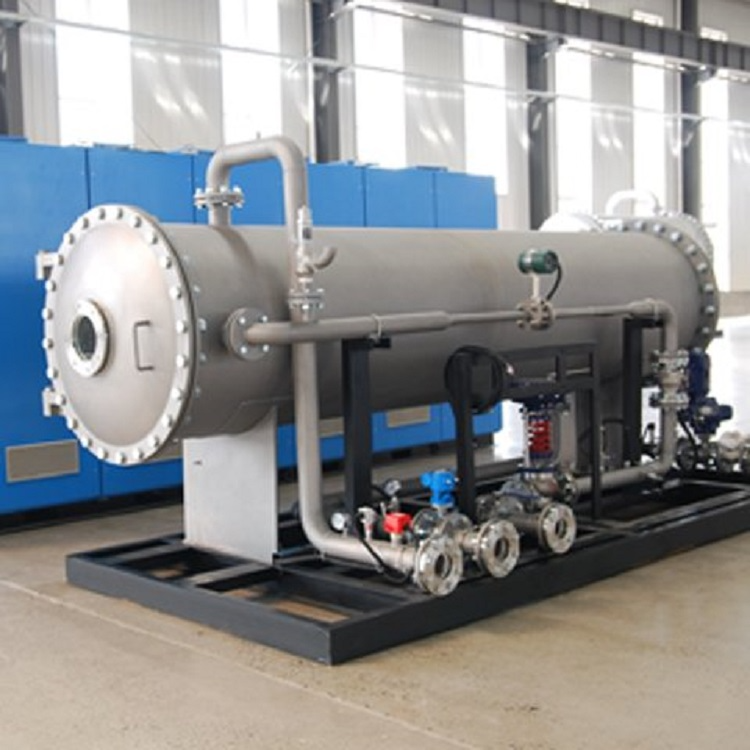





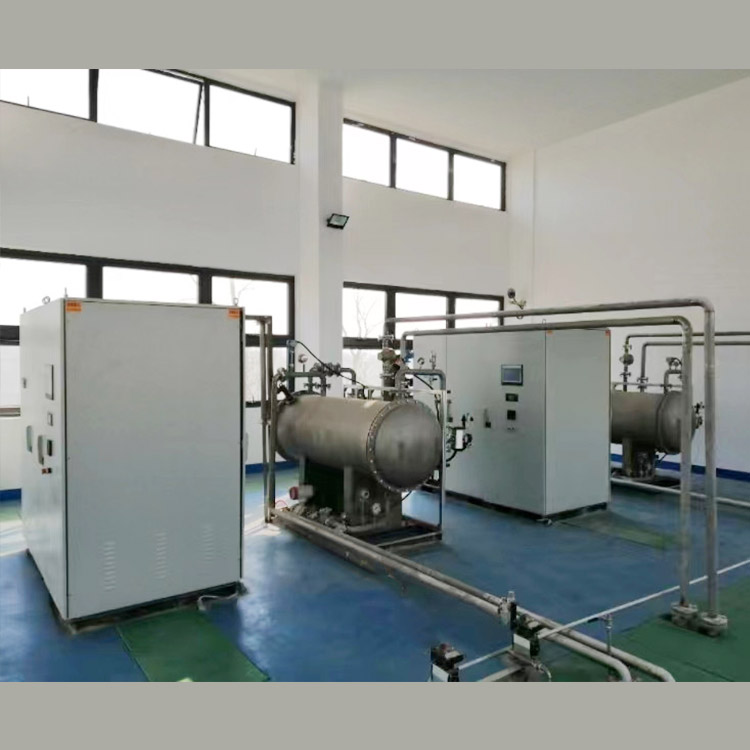
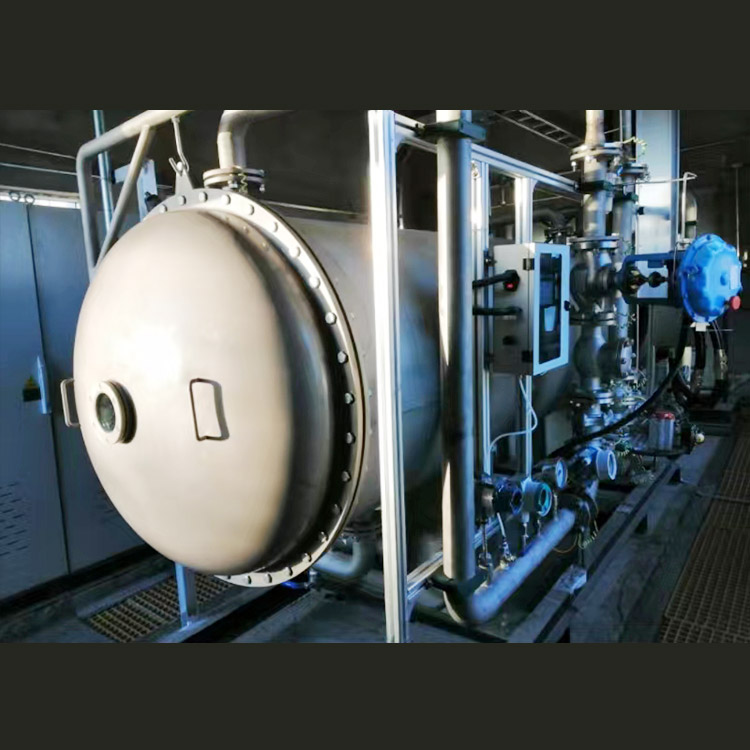
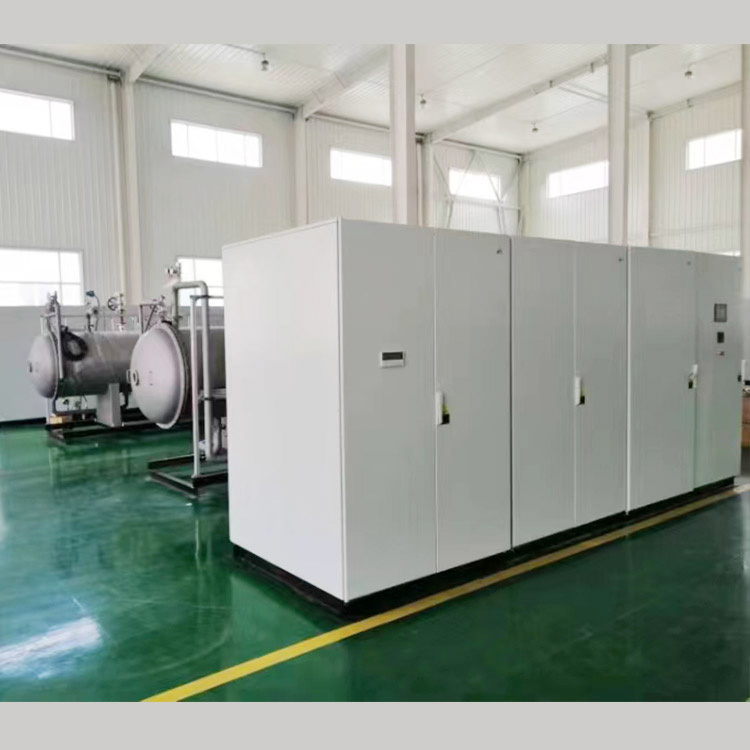
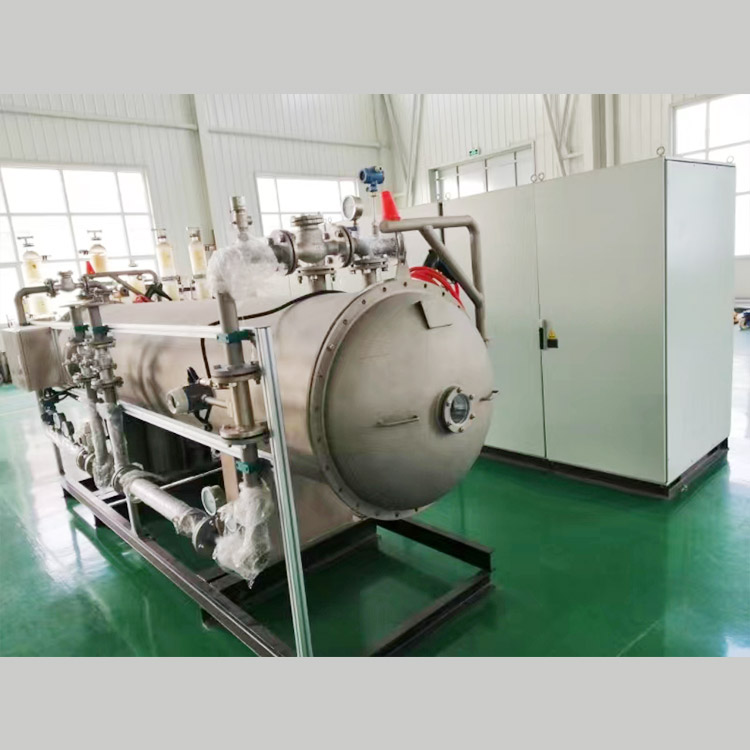

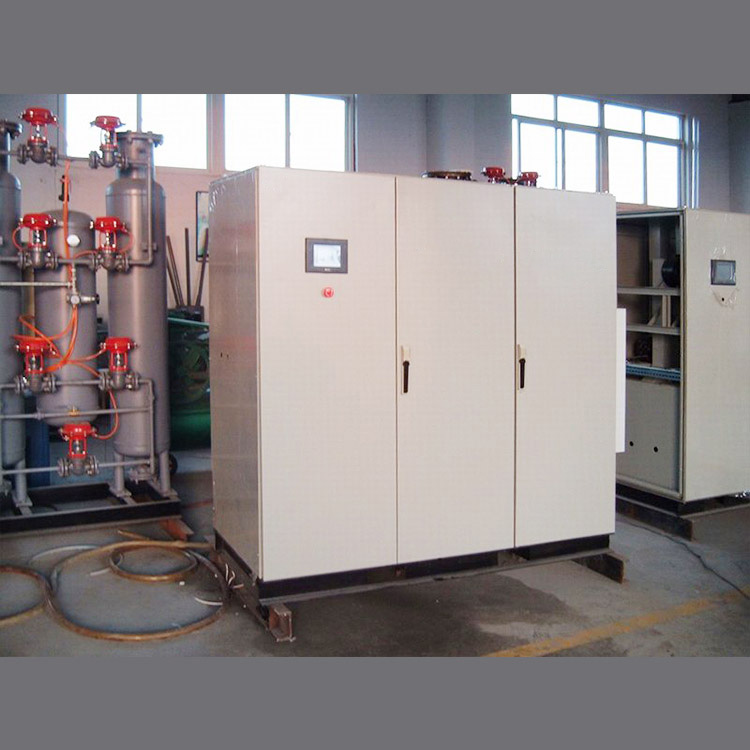
Medium-size ozone generators, common types:
By cooling method, there are water-cooled and air-cooled types. Ozone generators produce a large amount of heat during operation, requiring cooling to prevent the ozone from decomposing due to high temperatures. Water-cooled generators offer excellent cooling performance, stable operation, no ozone attenuation, and can work continuously for long periods. However, they have complex structures and slightly higher costs. Air-cooled generators do not provide ideal cooling and exhibit significant ozone attenuation. High-performance medium-sized ozone generators with stable overall performance are typically water-cooled. Air cooling is generally used only for low-to-medium-grade ozone generators with lower ozone output. When selecting a generator, it's best to opt for the water-cooled type.
Common types of dielectric materials include quartz tubes (a type of glass), ceramic plates, ceramic tubes, glass tubes, and enamel tubes. Ozone generators manufactured with various dielectric materials are available on the market, with different performance characteristics. Glass dielectrics, being cost-effective and stable, are among the earliest materials used for artificial ozone generation but have poor mechanical strength. Ceramics are similar to glass but are not suitable for processing, especially in large ozone machines, which limits their use. Enamel tubes are a new type of dielectric material that integrate the medium and electrodes, offering high mechanical strength and precision processing capabilities. They are widely used in medium to large ozone generators, although they are more expensive to manufacture.