










Product Introduction:
Solid-phase extraction instruments utilize solid adsorbents to adsorb target compounds from liquid samples, separating them from the sample matrix and interfering compounds. They are then eluted with a solvent or desorbed by heating to achieve the separation and enrichment of the target compounds (i.e., sample separation, purification, and enrichment). The purpose is to reduce matrix interference in the sample, enhance detection sensitivity, and are applied in various food safety inspections, agricultural residue monitoring, environmental protection, commodity inspections, and laboratory water and chemical production.
Key Features:
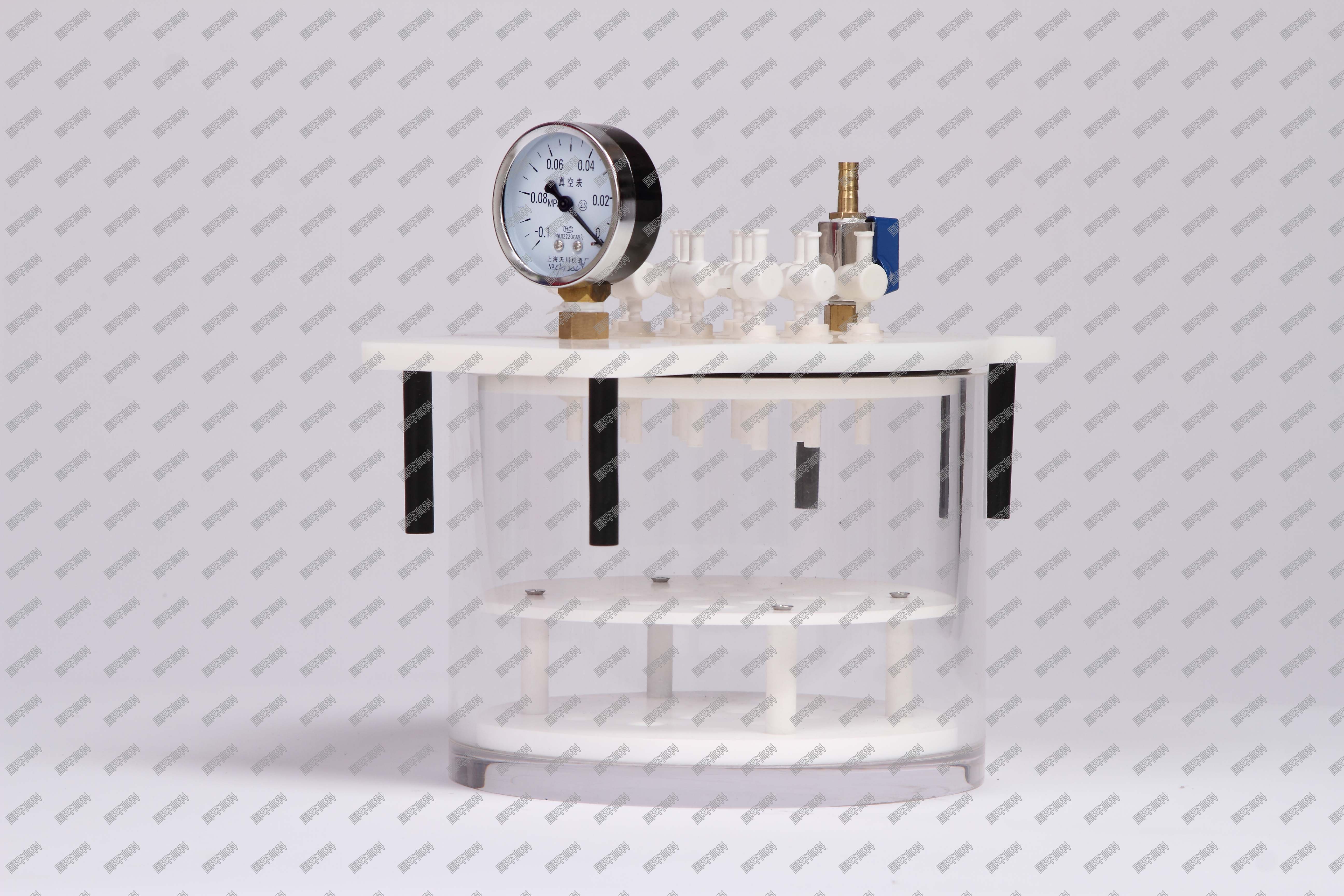
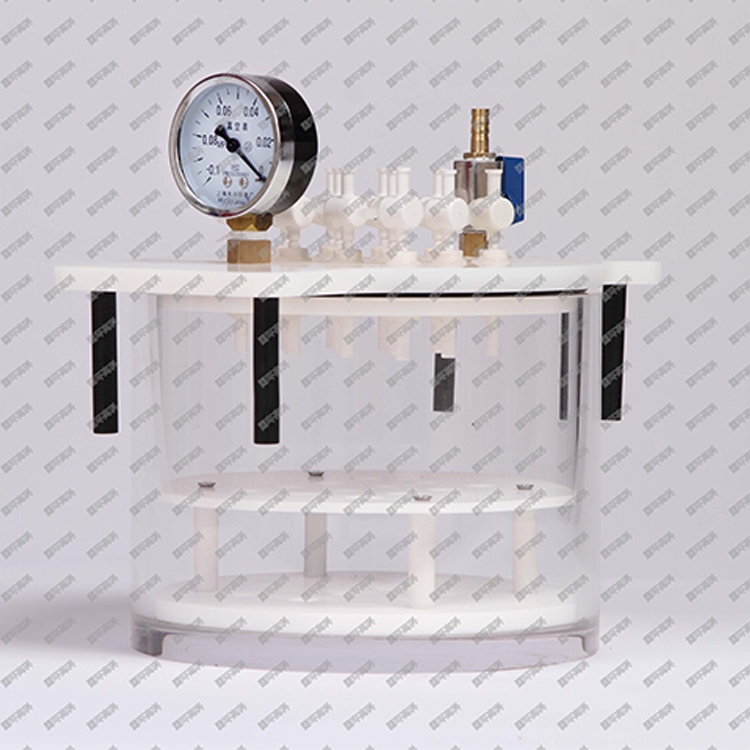
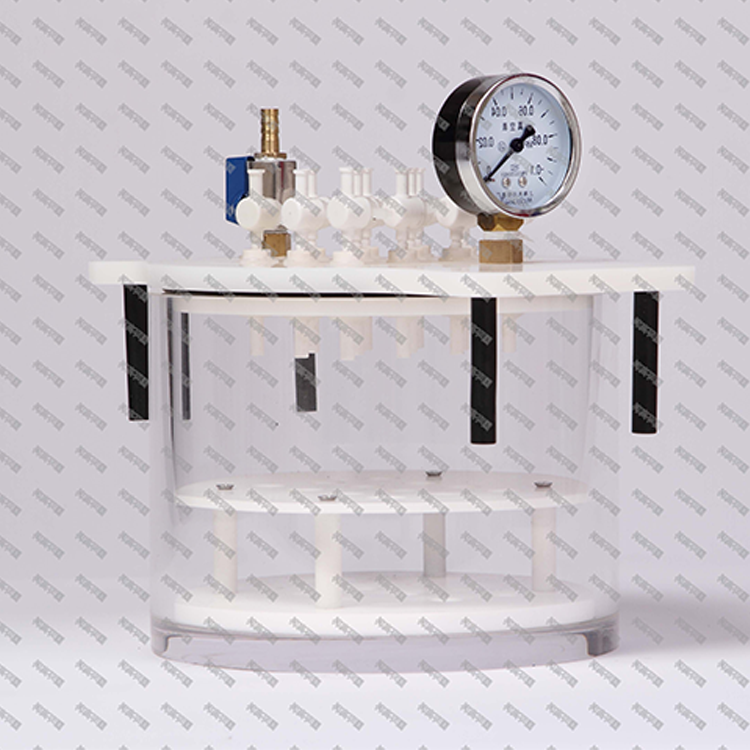
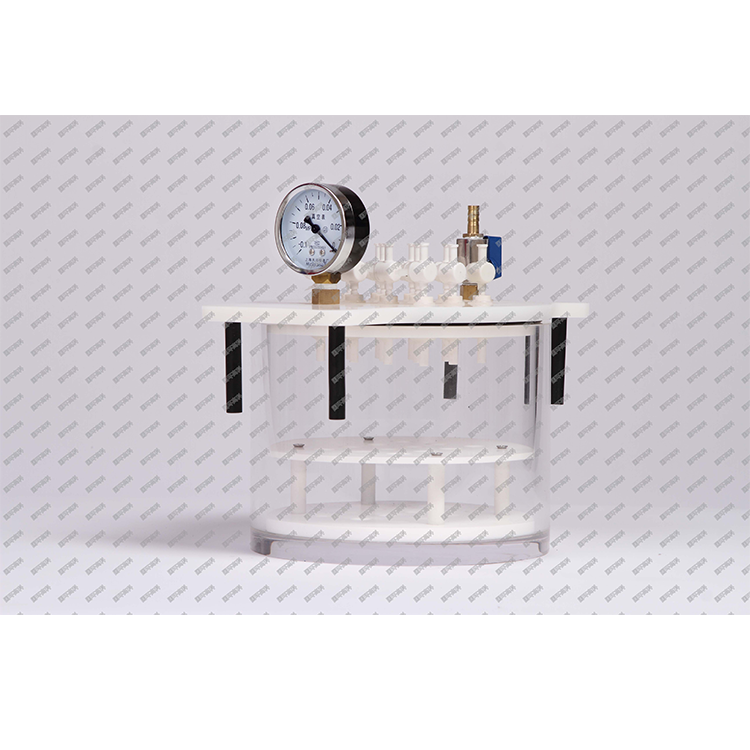
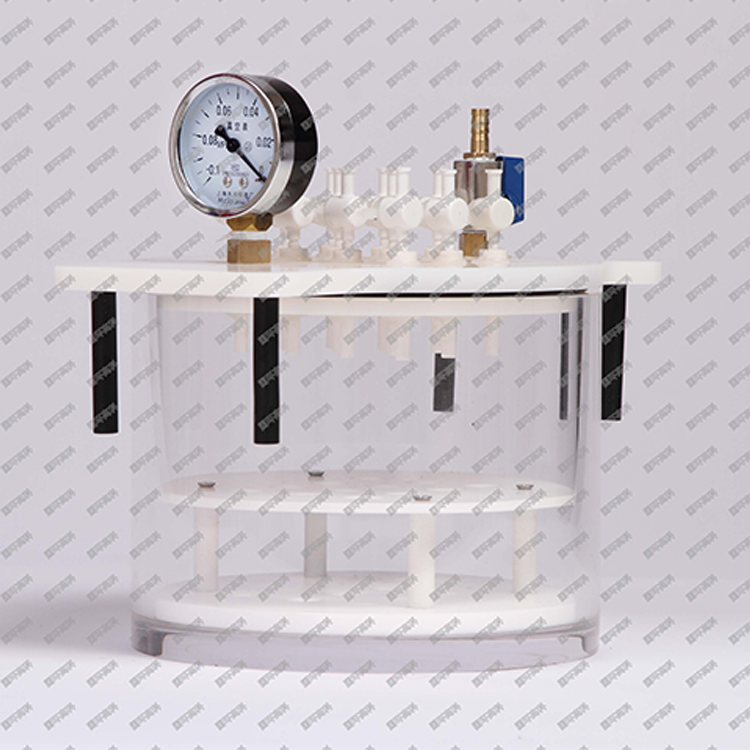
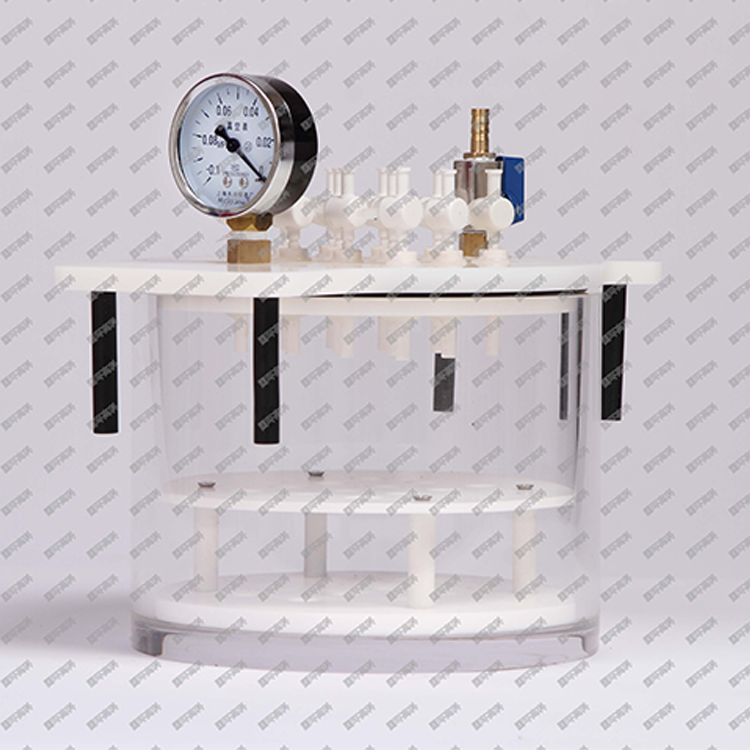
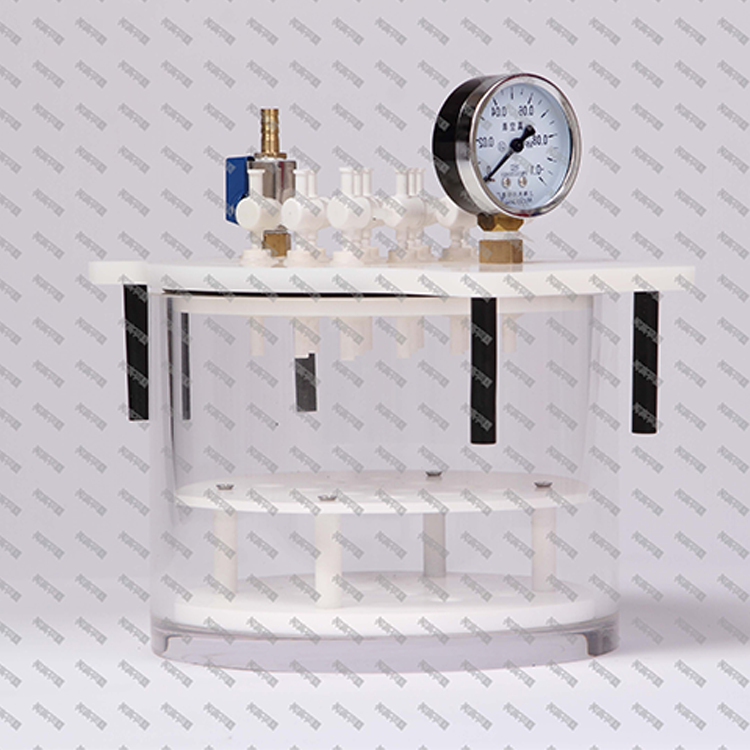
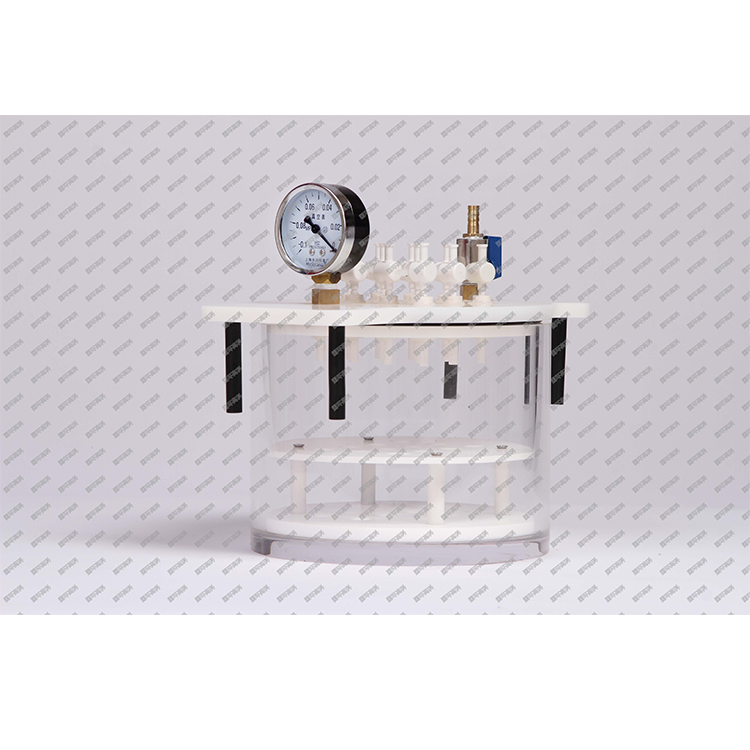
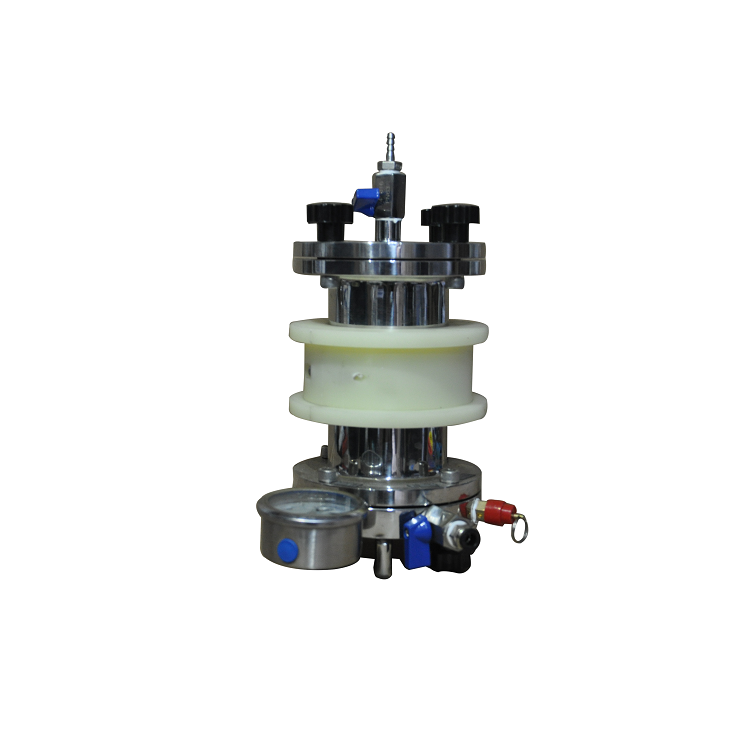
The whole unit of the solid-phase extraction instrument is made of transparent acrylic, featuring strong corrosion resistance.
The vacuum groove has uniform wall thickness, allowing it to withstand high negative pressure above -0.096 Mpa without deformation when used under long-term high pressure conditions.
Evenly distributed pressure, good airtightness, and strong stability.
Uniform extraction speed; easy control and adjustment.
Multiple channels with independent control, corrosion-resistant connectors.
The internal tube rack of the solid-phase extraction instrument is made of polytetrafluoroethylene, hence it boasts high corrosion resistance.
Technical Specifications:
| Model | Hole count | Gas Control Method | Work area dimensions | Pressure Gauge | Vacuum level | Traffic Control Valve |
| GH-12Y | 12 | Individually controlled per hole | ∮180x138 mm | Pressure Gauge | 0.098Mpa | 12 units |
| GH-24Y | 24 | Individual control over each hole | ∮240x138 mm | Pressure Gauge | 0.098Mpa | 24 |
| GH-36Y | 36 | Individual control over each hole | ∮280x138 mm | Pressure Gauge | 0.098Mpa | 36 |