










CCD Vision Inspection: Uncover the Unknown, Enhance Productivity
Introduction:
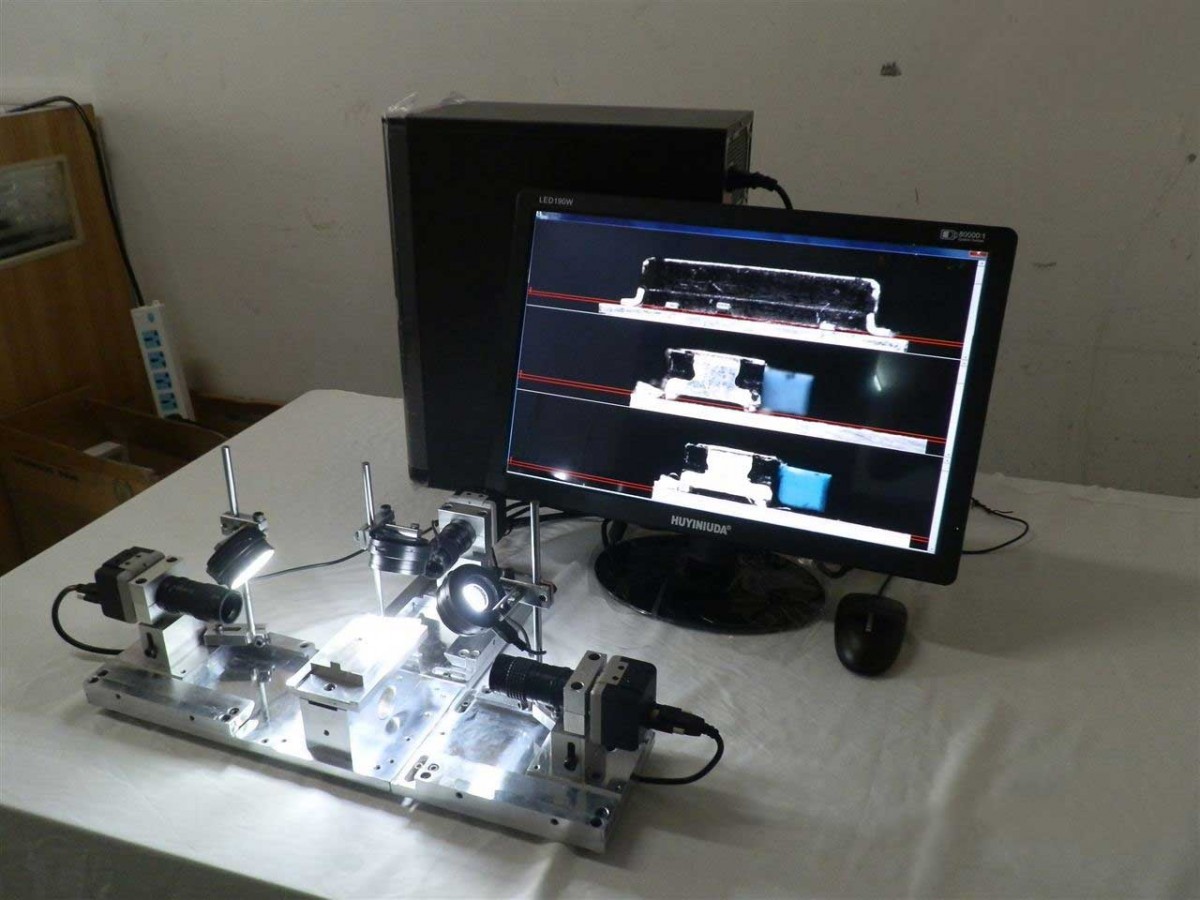
As technology advances and its application fields expand, the demand for automated detection technology is growing. Among these technologies, CCD (Charge-Coupled Device) vision detection has become an indispensable and crucial tool in the automation industry. This article will delve into four aspects of CCD vision detection, including its basic principles, application scope, advantages, and future development trends.
I. Basic Principle of CCD Visual Inspection: Accurately Capture Details
CCD vision detection showcases its unique advantages. Firstly, CCD sensors utilize the principle similar to image sensing, converting light signals into electrical signals and accurately capturing images through digital processing. Secondly, CCD modules can achieve high-quality image acquisition under various light conditions by employing multiple filtering, gain adjustment, and interference suppression functions. This high clarity provides an effective foundation for subsequent image processing and analysis.
Section 2: Application Scope of CCD Visual Inspection: Broadly covers multiple industries
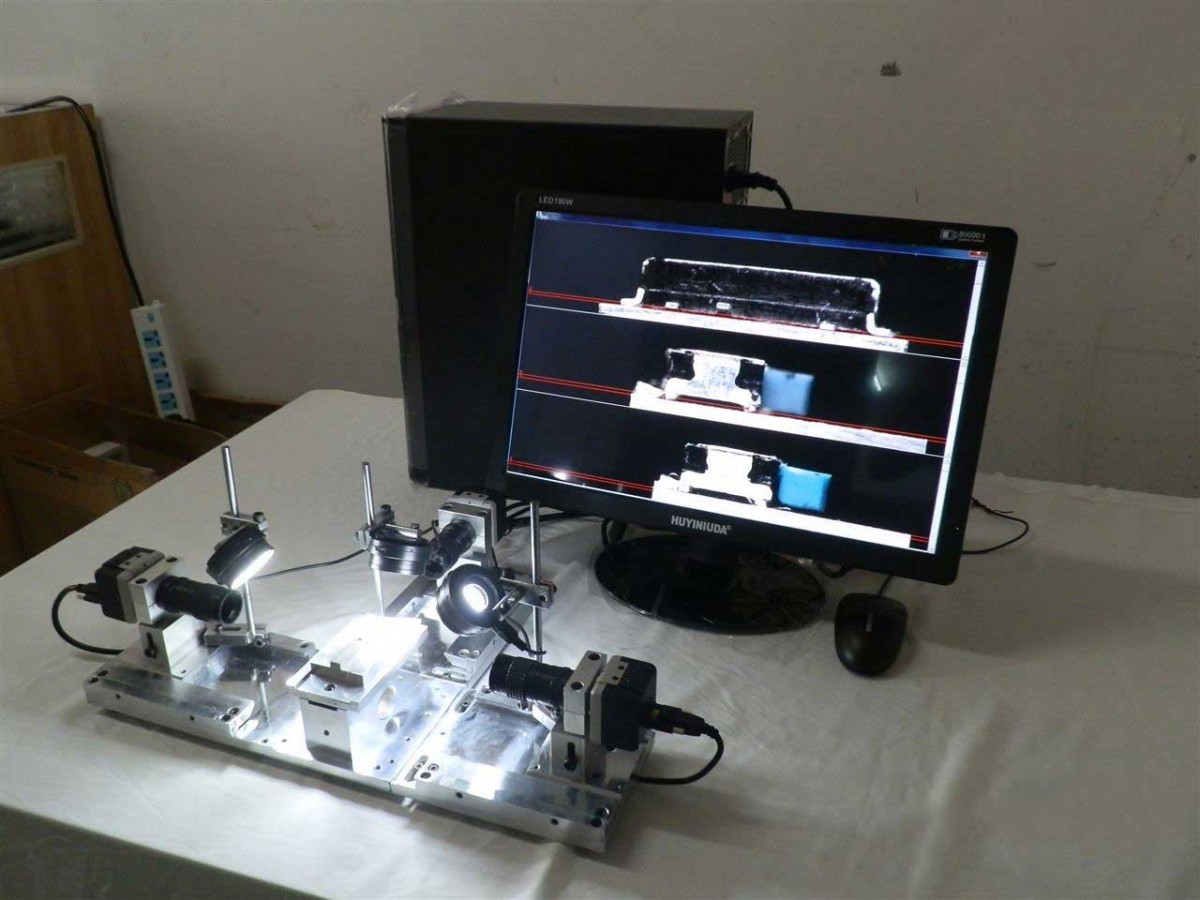
CCD vision inspection applications span various fields, with notable inclusion in industrial manufacturing, life sciences, and security monitoring. In industrial manufacturing, CCD vision inspection is utilized for quality control on automated production lines, such as detecting surface defects and ensuring dimensional accuracy. In the life sciences, it is applied to cell observation and drug development, enhancing the accuracy and efficiency of biological experiments through high-definition imaging and intelligent analysis. In security monitoring, CCD vision inspection can be integrated into video surveillance systems for real-time monitoring and analysis of abnormal events, providing increased safety and reliability.
Section 3: Advantages of CCD Vision Inspection: Accurate Cost Reduction
Compared to traditional manual inspection, CCD vision inspection boasts several distinct advantages. Firstly, it can perform round-the-clock, directional inspections without being affected by subjective factors or external conditions, significantly enhancing the accuracy of the inspection. Secondly, it enables rapid automated inspections, eliminating the繁琐 and repetitive operations associated with manual image output inspections, thereby improving work efficiency. Additionally, CCD vision inspection can accurately measure, analyze, and judge, greatly reducing waste and costs during the production process, and enhancing product quality and competitiveness.
IV. Future Trends in CCD Visual Inspection: Technological Innovation and Application Expansion
In the future, CCD vision inspection technology will continue to innovate and expand its applications. Firstly, with the rapid development of artificial intelligence and deep learning technologies, CCD vision inspection will become more intelligent, covering more industries and fields such as smart retail and traffic safety. Additionally, the hardware technology of CCD vision inspection will also undergo improvements, enhancing pixel density and image data acquisition speed, providing a better foundation for obtaining and analyzing high-quality images.
Conclusion:
CCD vision inspection stands out as an indispensable tool in the automation industry, thanks to its precise detail capture, wide application, cost reduction, and promising future trends. With the continuous innovation of technology and the expansion of its applications, CCD vision inspection is set to become more intelligent and diverse, playing a crucial role in numerous industries and making significant contributions to enhancing productivity and product quality. Complex target recognition, classification, and localization are some of its applications. Moreover, the application of CCD vision inspection will further broaden.