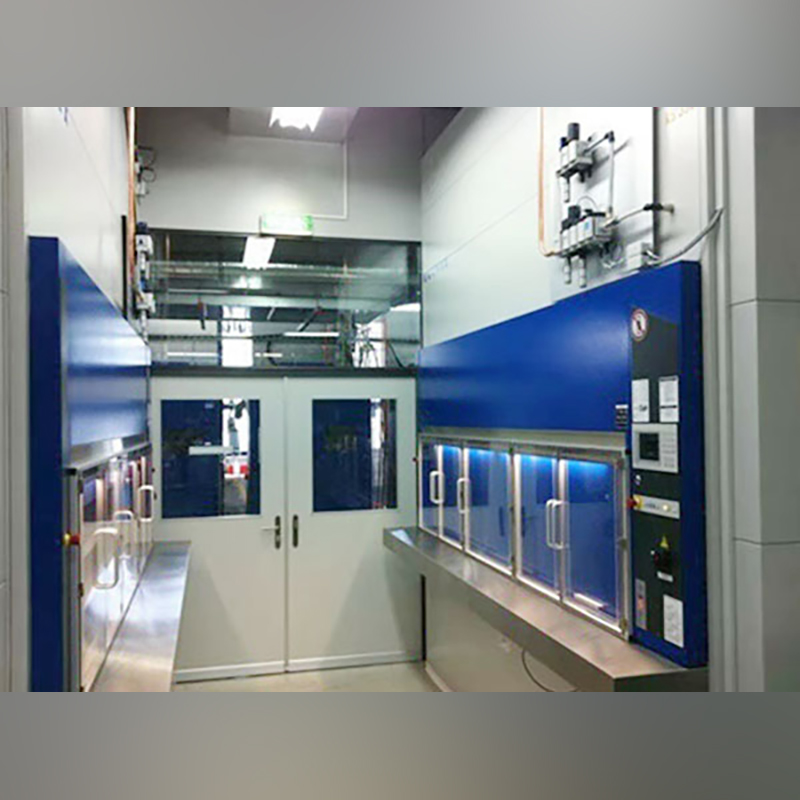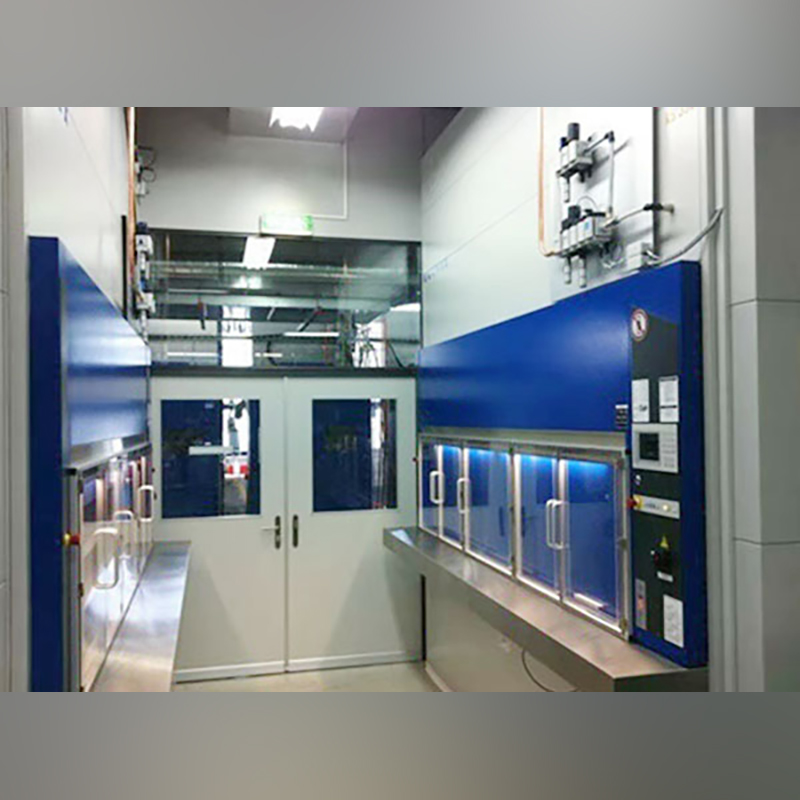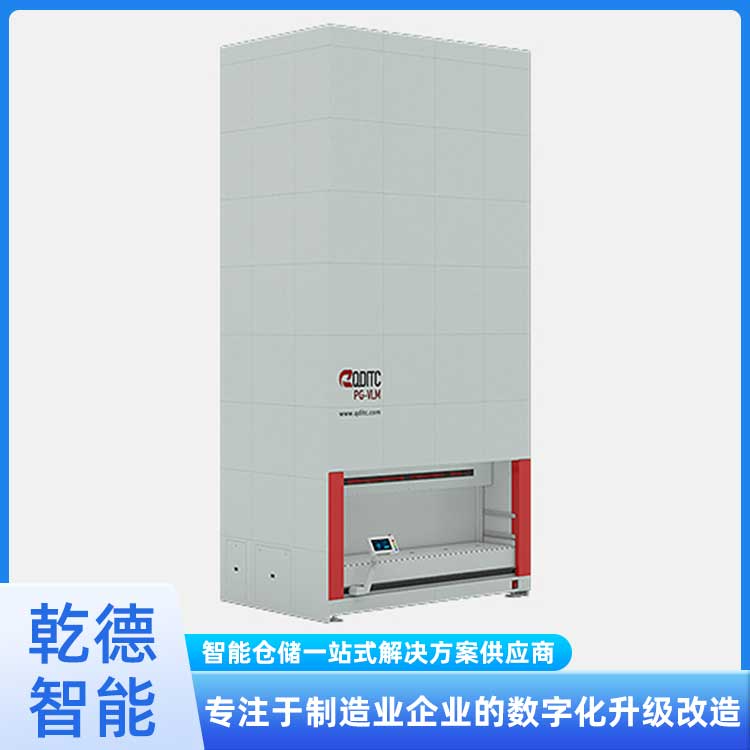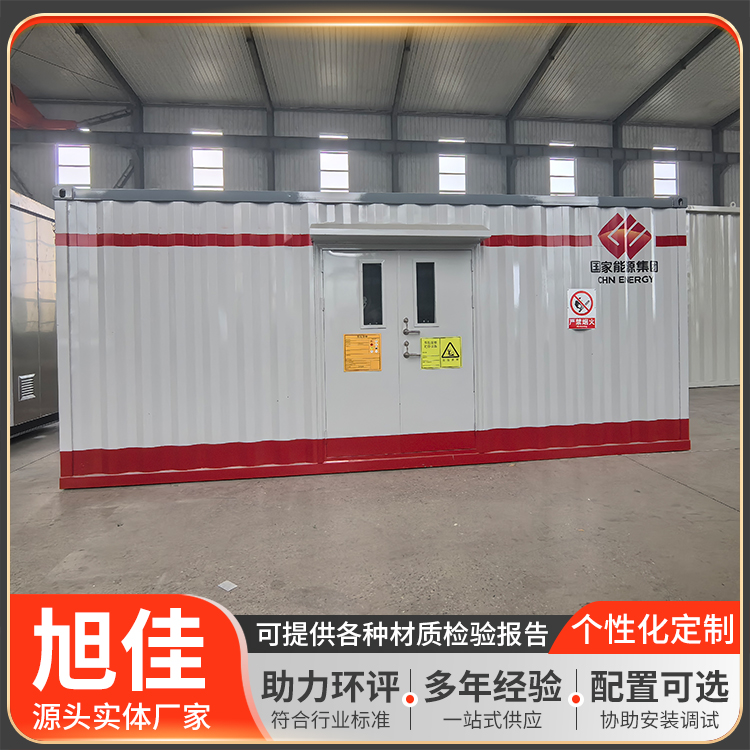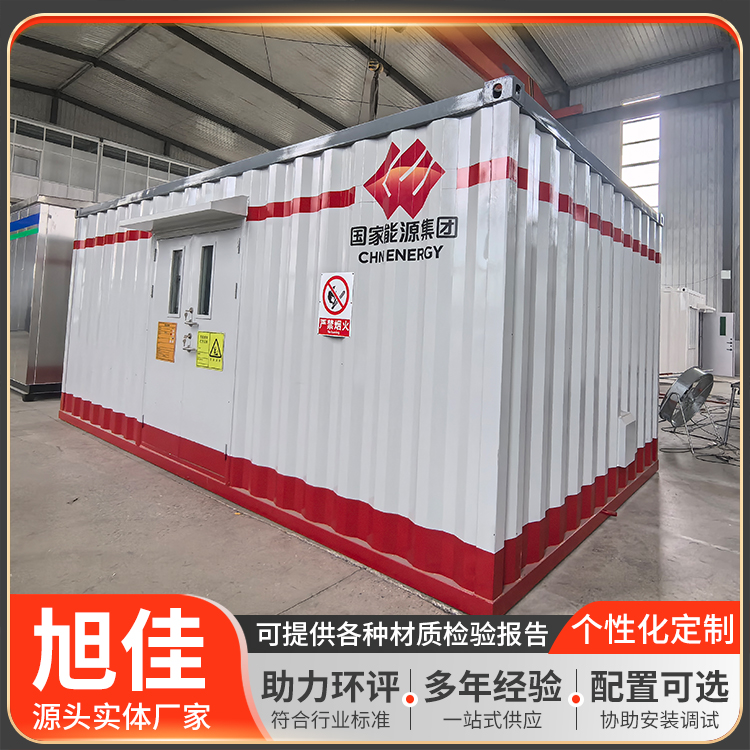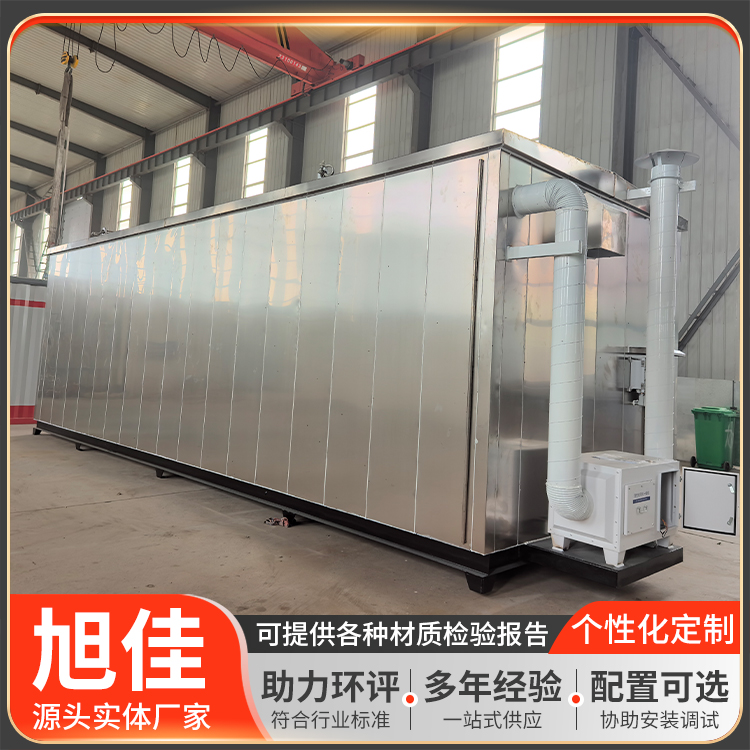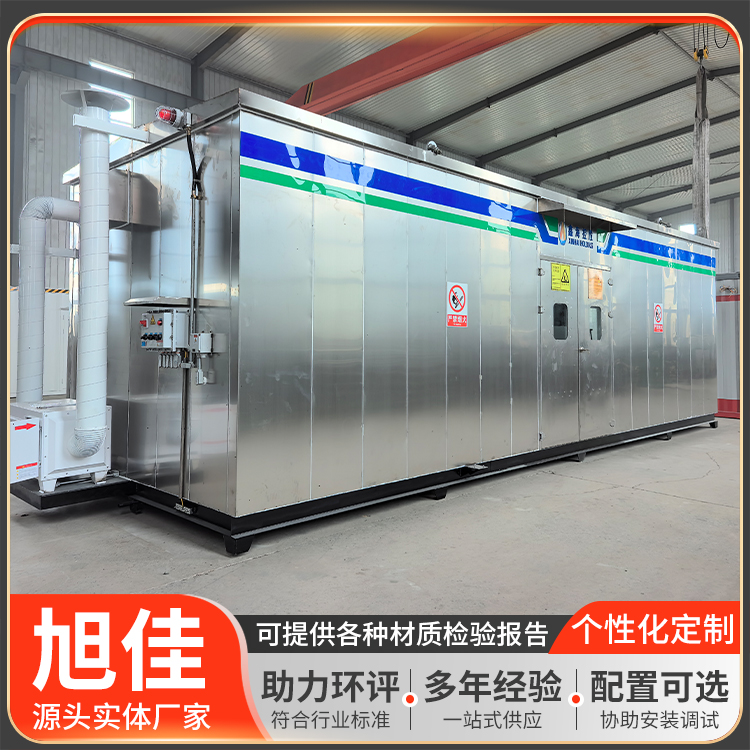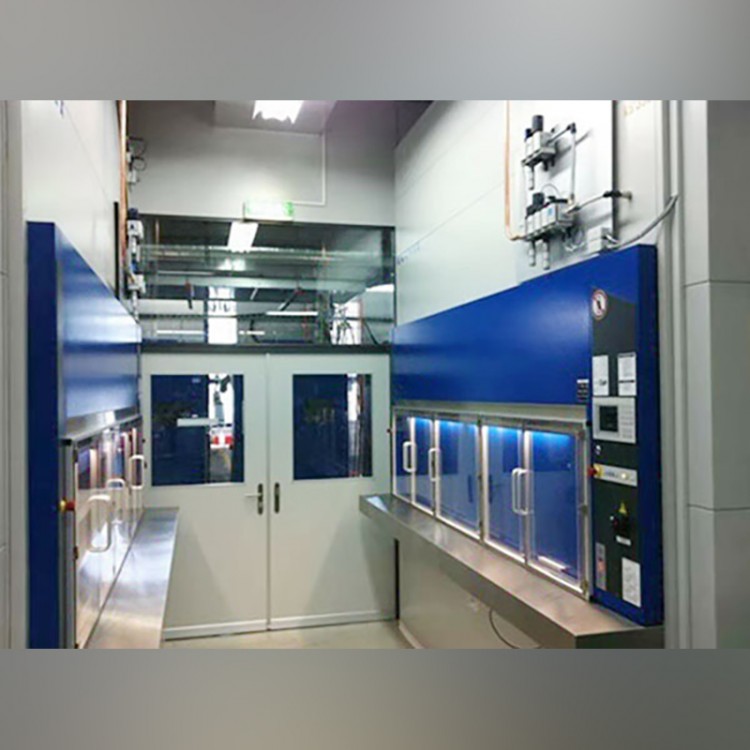

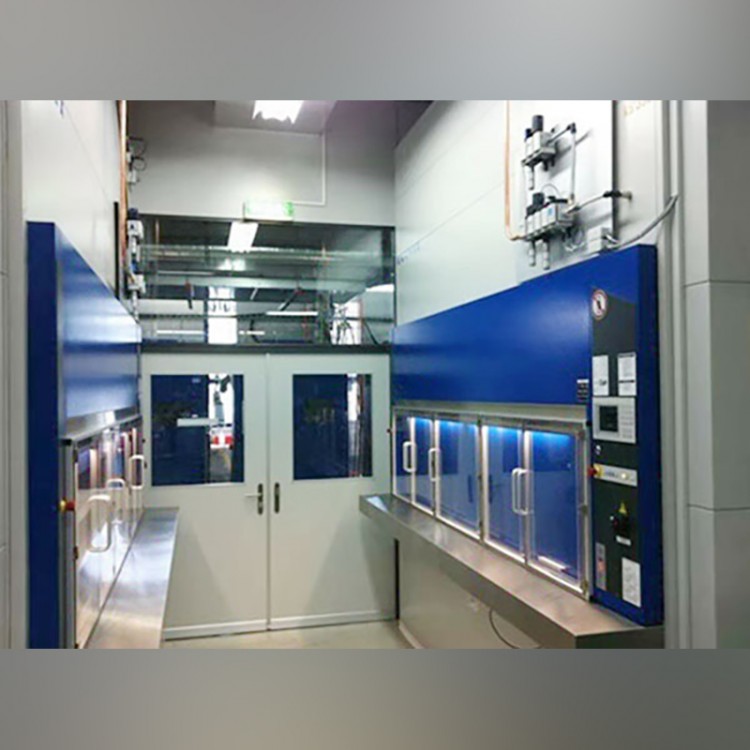
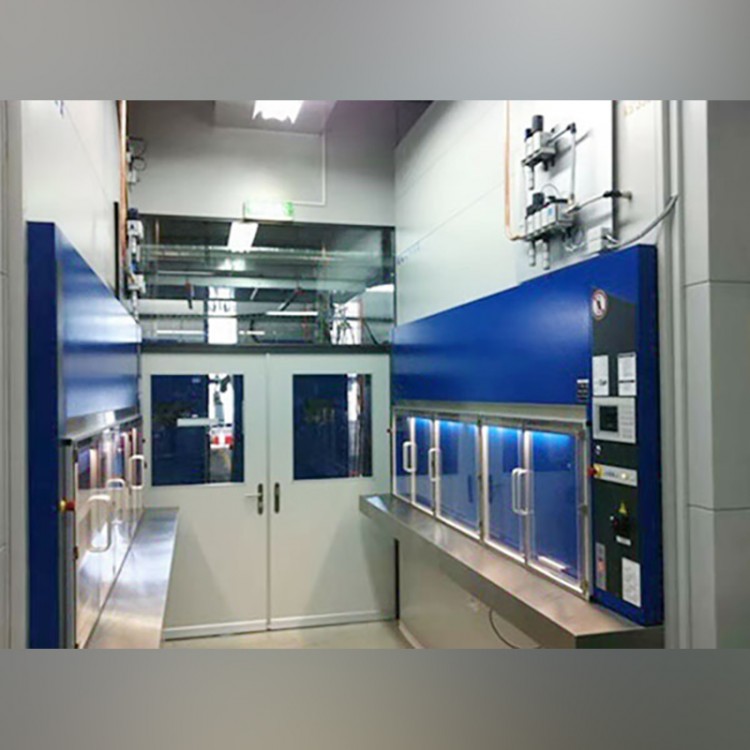
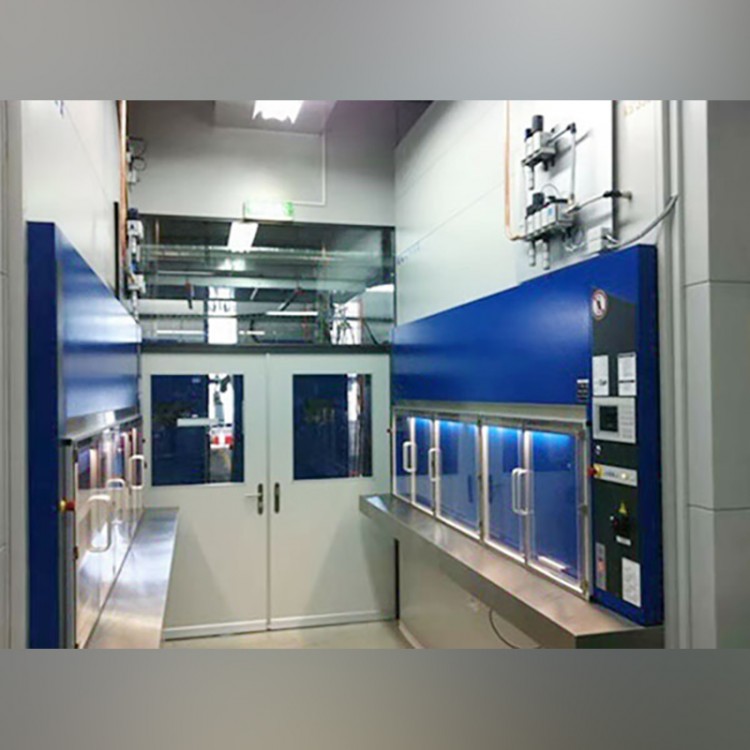


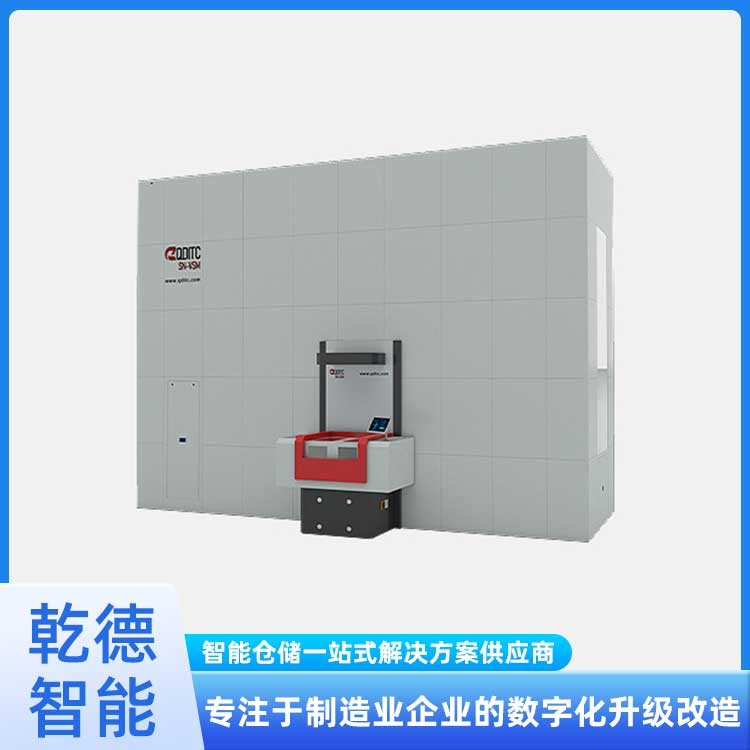





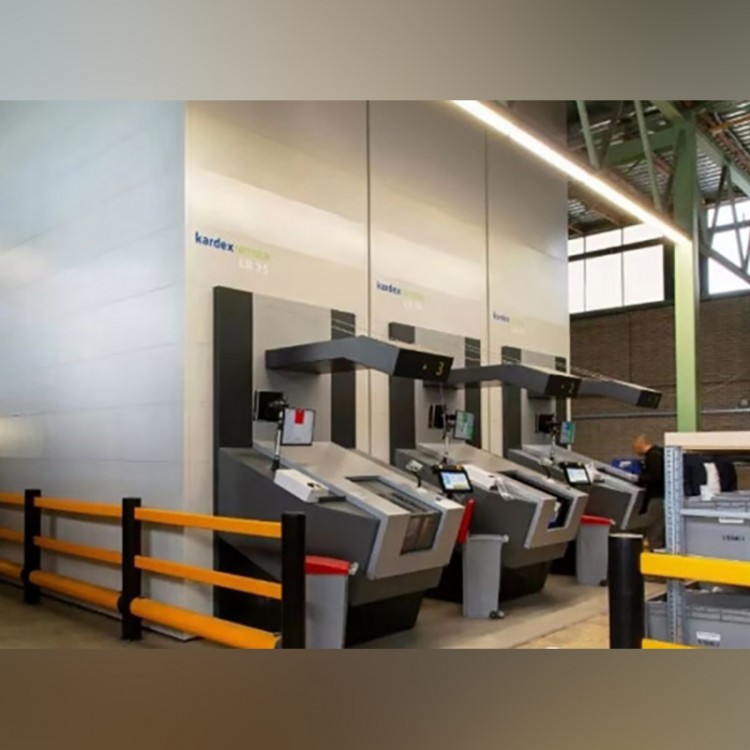
Cleanroom Nitrogen ContainerA specialized container designed for storing items with high cleanliness requirements, its main feature is the use of nitrogen to evacuate the container space, thereby controlling environmental pollution.
Cleanroom nitrogen containers are designed to ensure items are not contaminated and maintain the cleanliness of the environment, thereby guaranteeing the quality of products in industries such as biopharmaceuticals, medical equipment, food, and semiconductors. Generally, stainless steel is used as the container material, and devices like HEPA filters are employed for air purification and drying. Additionally, technologies such as blowers and infrared ray sterilization are incorporated to ensure the storage of goods in a clean environment.
Nitrogen, being an easily accessible inert gas, is not prone to chemical reactions with other substances. During the evacuation process of nitrogen containers in cleanrooms, it can effectively reduce pollutants such as oxygen, moisture, and microorganisms in the environment, lowering the concentration of particulate matter in the cleanroom atmosphere, thereby ensuring product quality.
Due to varying cleanliness requirements across industries, cleanroom nitrogen container specifications, structures, and equipment, such as filters, also differ. For instance, in the semiconductor industry, strict control over airborne dust, bacteria, and chemicals is necessary. To ensure cleanliness reaches ISO Class 8 or higher, high-efficiency filters, activated carbon, and UV radiation are added during nitrogen evacuation processes.
In the bioproduct industry, it is essential that containers maintain sterility and preserve product activity. Therefore, adsorption of organic matter is required, along with techniques such as UV-C sterilization and air circulation disinfection to ensure product certification.
In summary, cleanroom nitrogen containers play a crucial role in the high-tech industry. Due to their complex structure, high technical requirements, and high costs, their design, manufacturing, and maintenance necessitate a high level of technical expertise and professionalism. These are all essential guarantees for their functionality and performance.