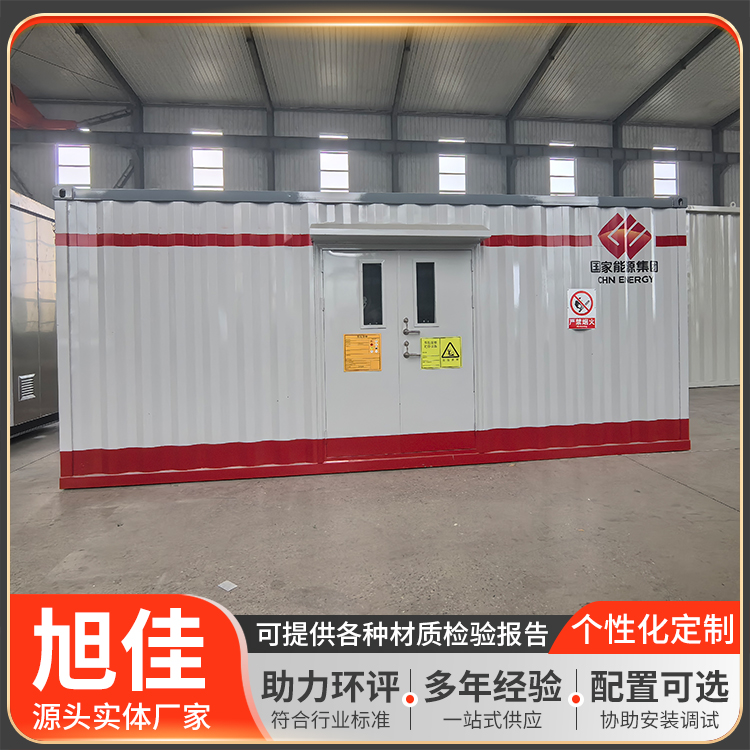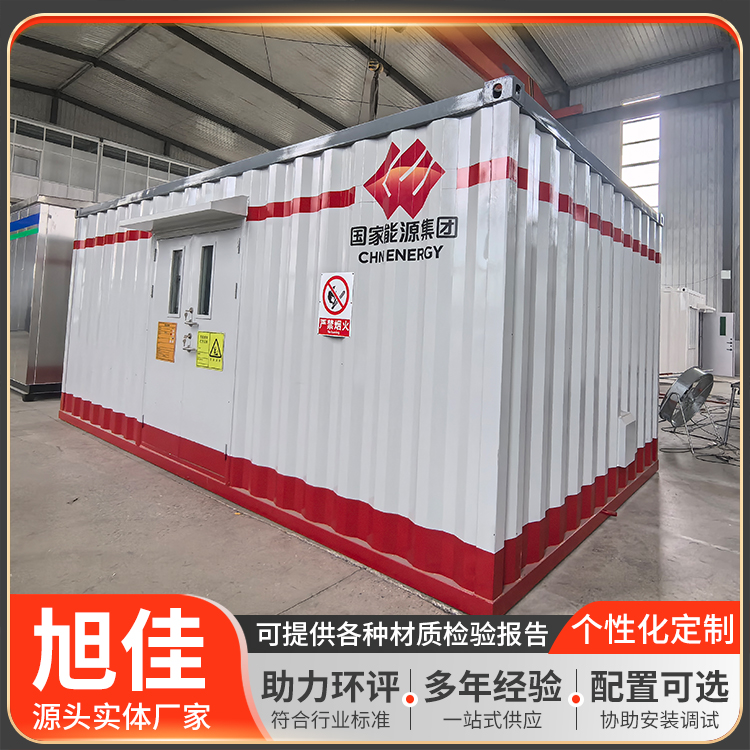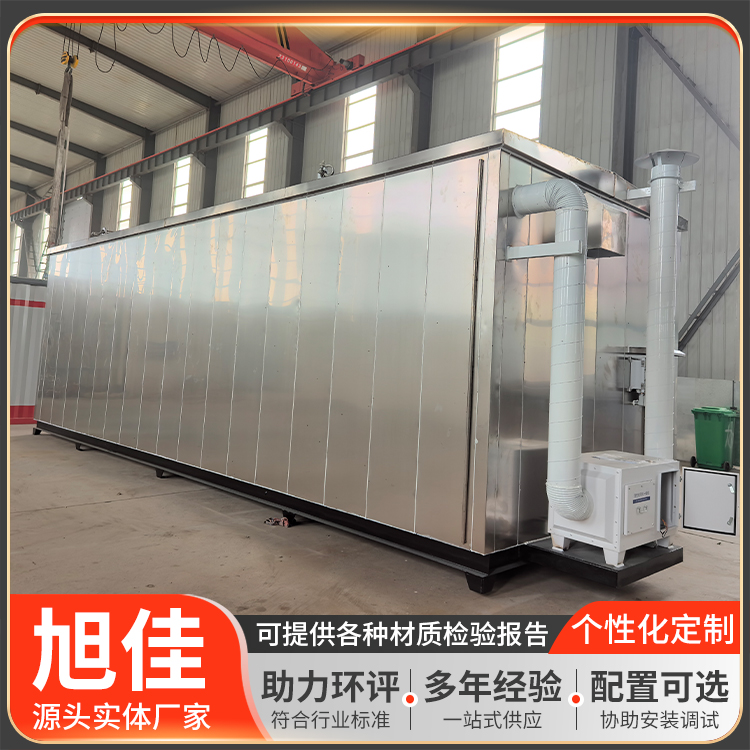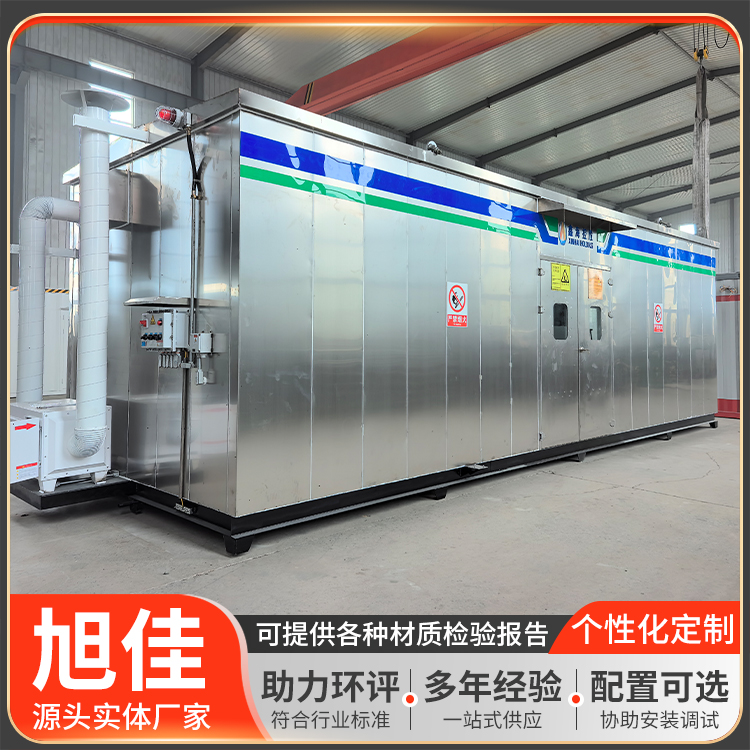








A buffer container is a specialized type of container featuring insulation, moisture-proof, and shockproof properties, providing enhanced protection for goods during transportation. Typically, a buffer container consists of two main parts: the shell and the lining. The shell is made of high-strength steel, while the lining is composed of multi-layer energy-saving insulation materials, together creating a sealed, waterproof, and insulated space.
Buffered containers appear like standard containers, typically 20 or 40 feet in length, with weights similar to standard containers. However, their internal structure differs significantly. The interior space of buffered containers is usually smaller than that of standard containers, as their inner walls are thicker for the same area. The number of units in a buffered container is generally fewer than in a standard container of the same area.
The primary advantage of buffer containers is their ability to provide enhanced protection for the goods being transported. The internal structure of buffer containers effectively mitigates vibrations and impacts during transit, thereby reducing the rate of damage to the goods. Additionally, buffer containers have excellent sealing properties, effectively preventing moisture and rain from entering the container, thus avoiding spoilage and rust due to dampness. Furthermore, buffer containers offer good thermal insulation, preventing damage to goods from temperature fluctuations during transport.
Buffering containers are widely used in shipping, land transport, and rail transportation sectors. In maritime transport, buffering containers are commonly employed for the transportation of fragile goods, electronics, chemicals, medical supplies, and other high-value commodities. On land, these containers are typically used for long-distance shipping, particularly in adverse weather conditions and poor road conditions, where they provide additional protection for the transportation process.
In the industrial and commercial sectors, buffer containers are widely utilized. In the industrial field, buffer containers are sometimes used to transport critical components and machinery. In the commercial realm, they are often employed for the shipment of fragile art pieces and high-value furniture. Buffer containers play a positive role in these areas, providing a more reliable safeguard for the transportation process.
In summary, buffer containers offer multiple protective features such as moisture-proof, shockproof, and thermal insulation, providing high-quality transportation environments for goods. Although buffer containers may impact transportation efficiency and costs, their high-quality transport often attracts more consumers and businesses. Therefore, buffer containers have become an indispensable part of modern transportation systems.