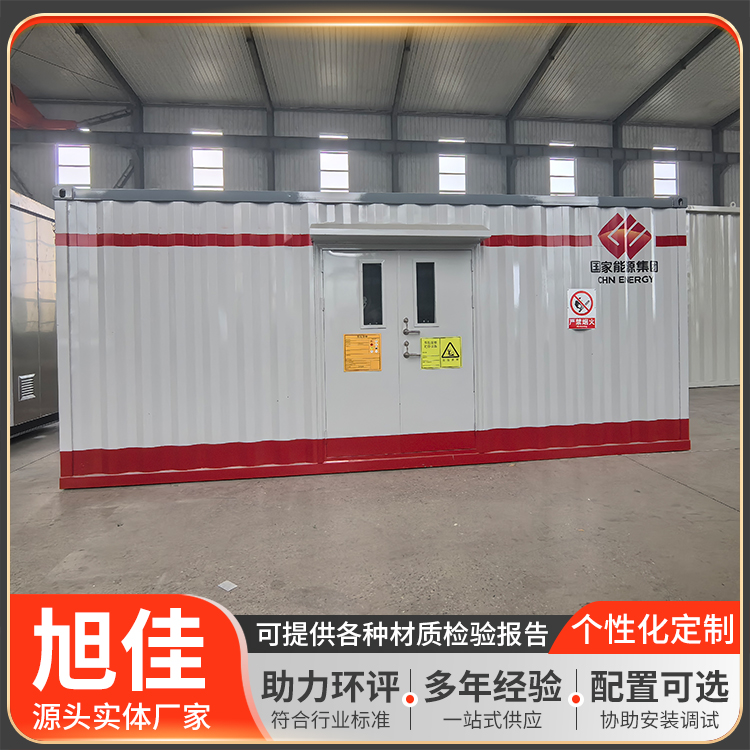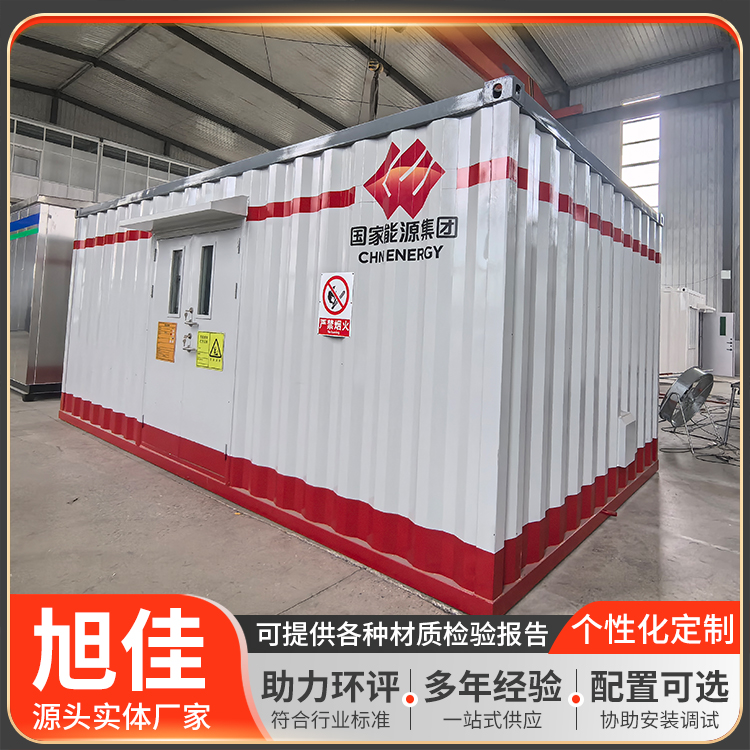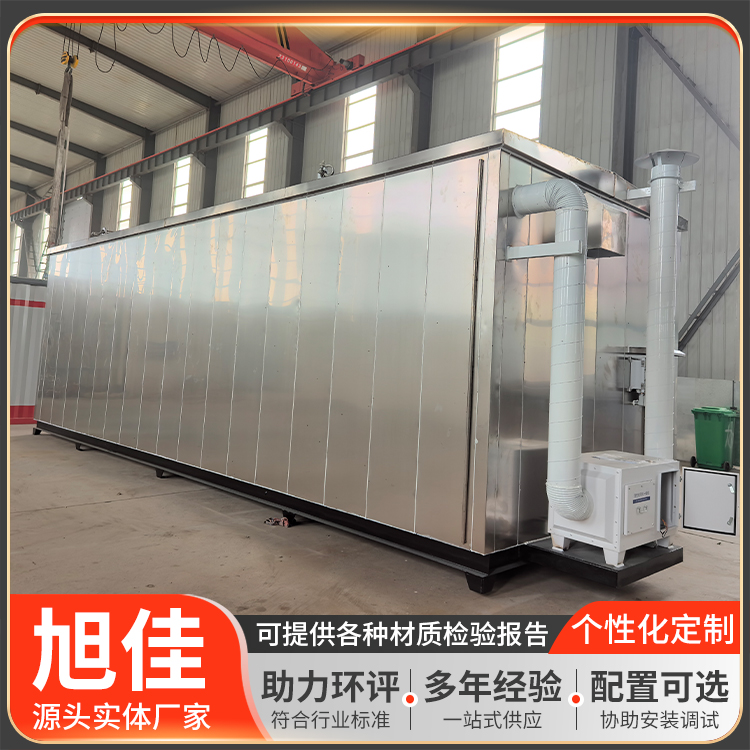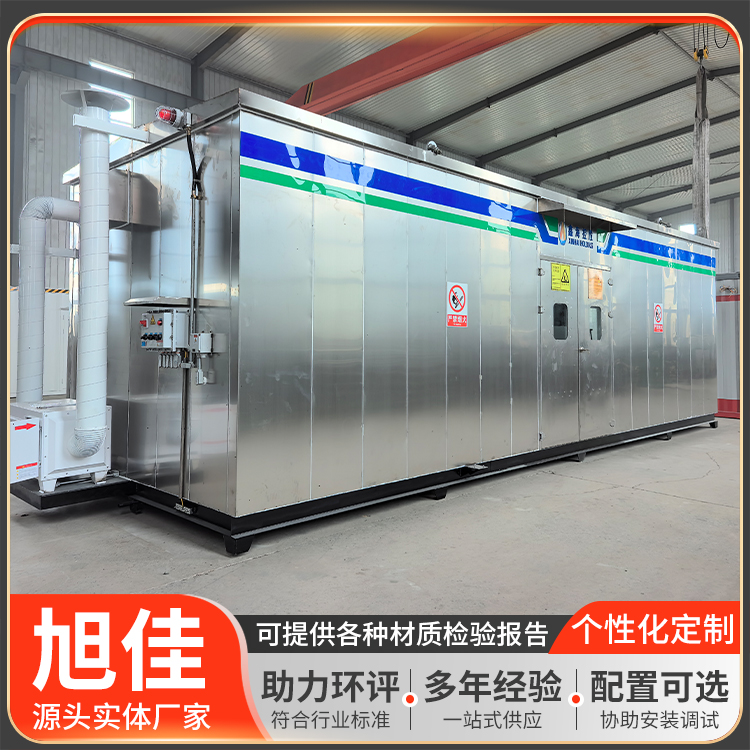

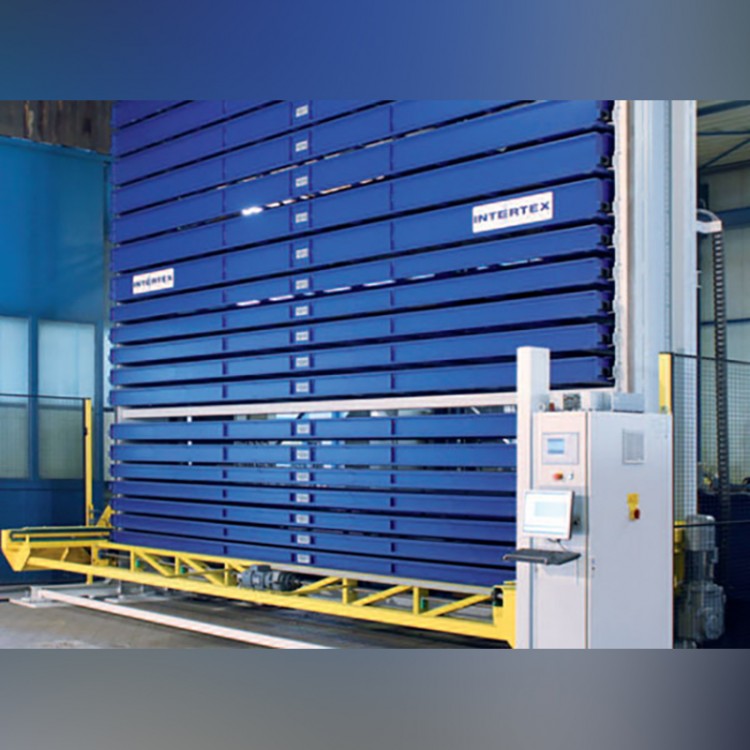
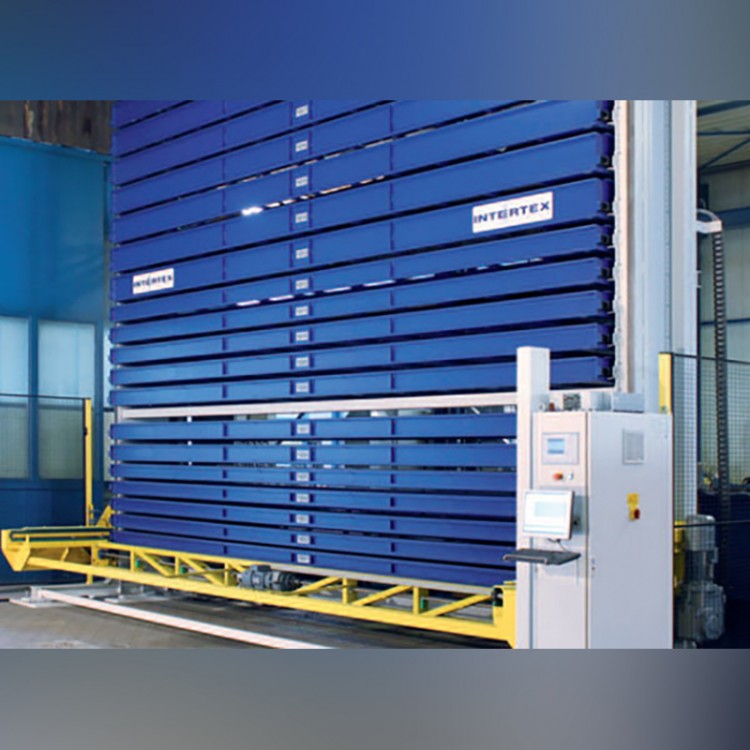
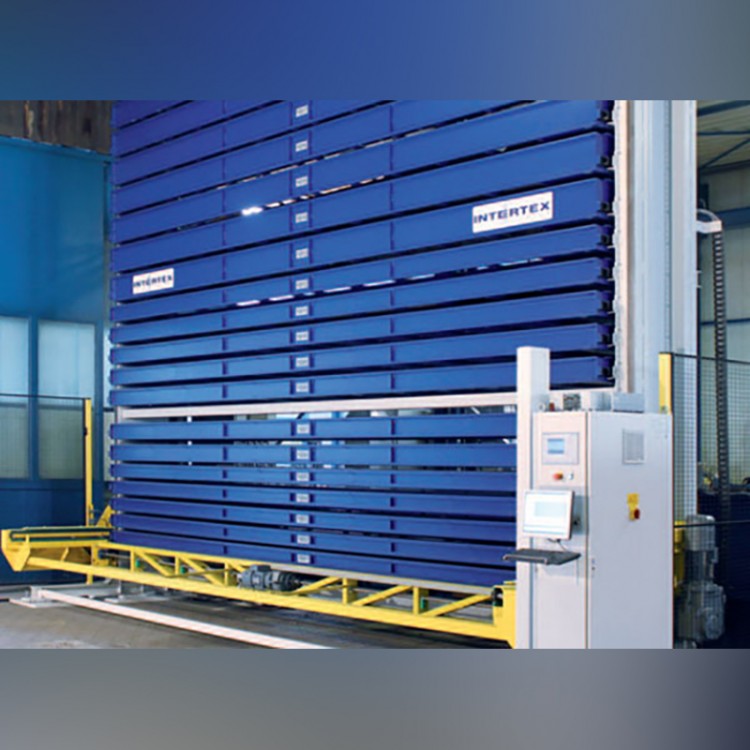


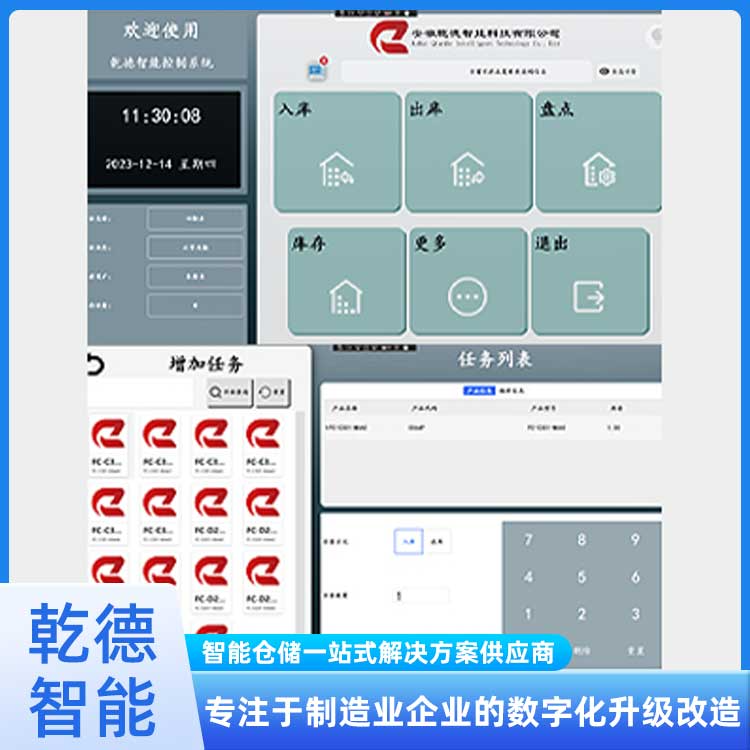





Container units are an indispensable part of modern logistics transportation, playing a crucial role in international trade. As the global economy continues to develop, the types of containers have become increasingly diversified, includingSheet material heavy-duty containerIt is one of them.
Heavy-duty cargo containers made of steel, copper, and aluminum plates are commonly used for transporting heavy goods. They are suitable for various modes of transportation, including land, sea, and rail. Their main features include a robust structure that can withstand significant weight and external forces and pressures, ensuring goods are not damaged during transit. Additionally, they offer excellent sealing and moisture resistance, protecting the quality and safety of the goods in different climatic conditions.
The dimensions of heavy-duty cargo containers are varied, typically including 20 feet, 40 feet, and 45 feet options. The 20-foot container is suitable for general heavy goods, while the 40-foot and 45-foot containers are ideal for larger-sized cargo, maximizing space utilization and reducing transportation costs.
The structural design of heavy-duty plywood shipping containers is also crucial. Due to vibrations and external forces during transportation, the containers must possess robust seismic resistance and stability. These containers are made from high-strength steel and thick steel plates, designed and manufactured with precision to ensure that goods in relative静止 do not shift or tilt during transit, maintaining the best condition of the goods at all times.
Then, the quality and safety concerns for heavy-duty sheet material containers during transportation must be addressed. Therefore, when selecting containers, buyers need to consider factors such as the quality and safety features of the containers, as well as the manufacturer's reputation and after-sales service.
In summary, a heavy-duty sheet material container is a sturdy, practical, and reliable type of container suitable for various transportation methods and shipping needs. Its features, such as sealing, moisture resistance, stability, and shock resistance, ensure the safety and quality of goods during transit, providing crucial support and assurance for modern logistics transportation.