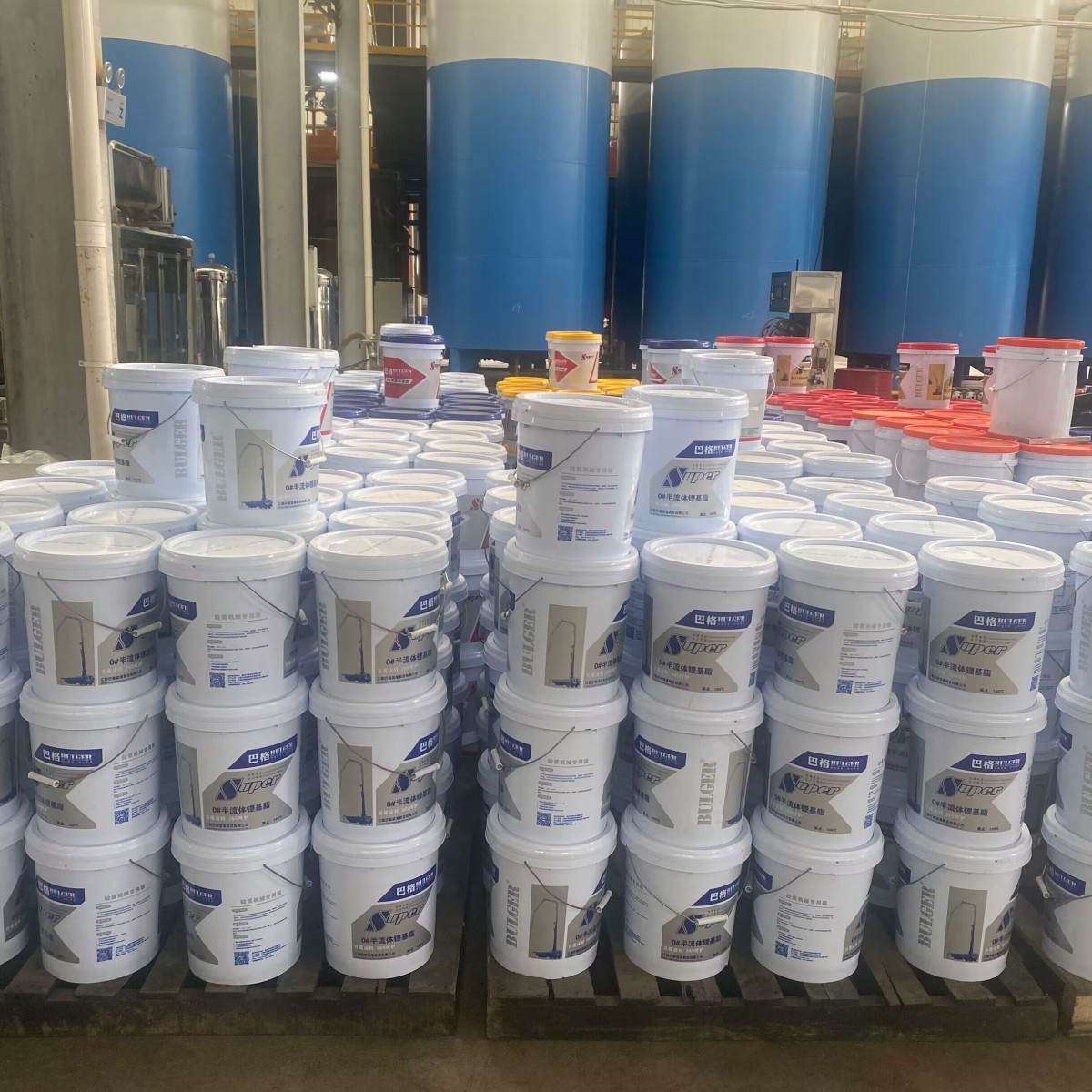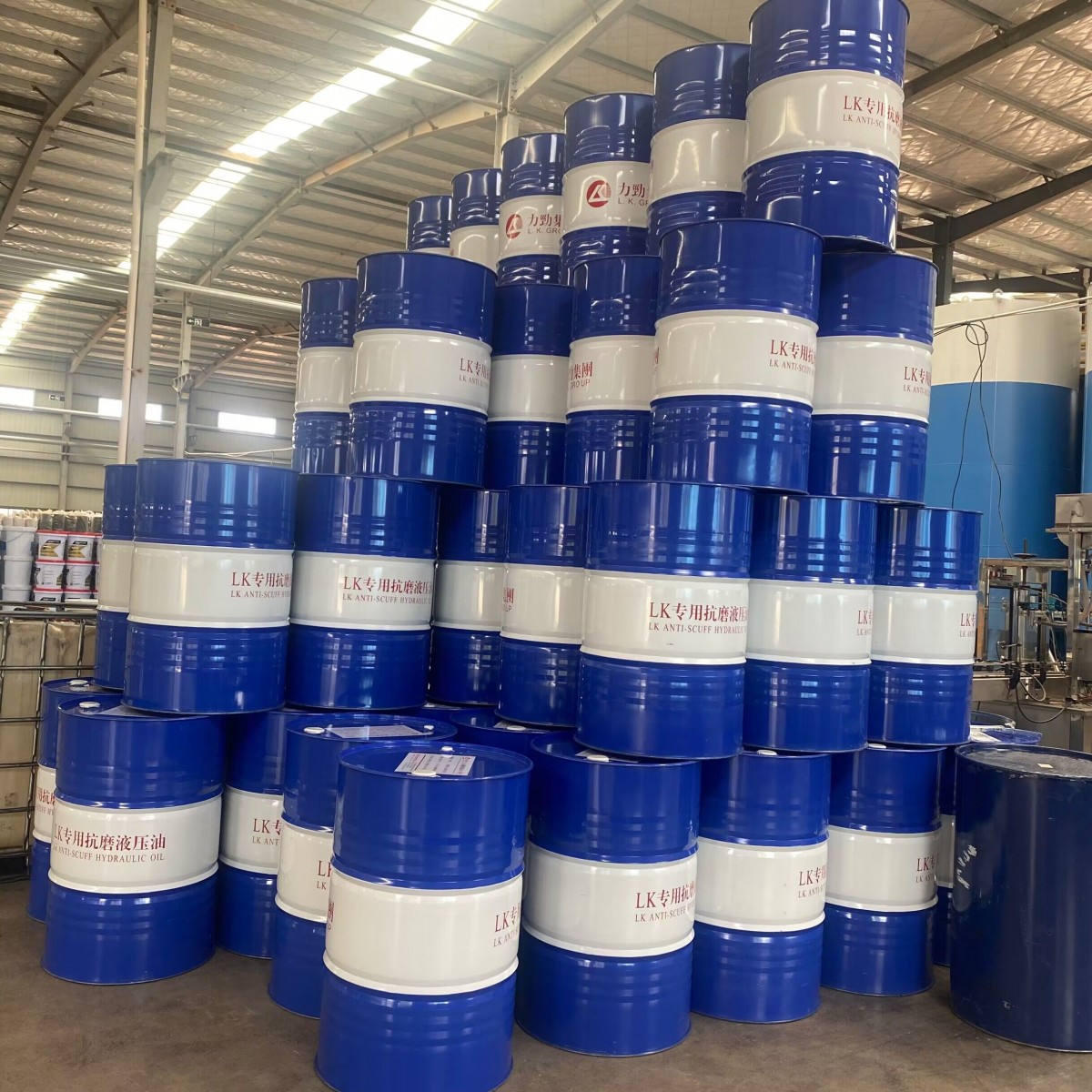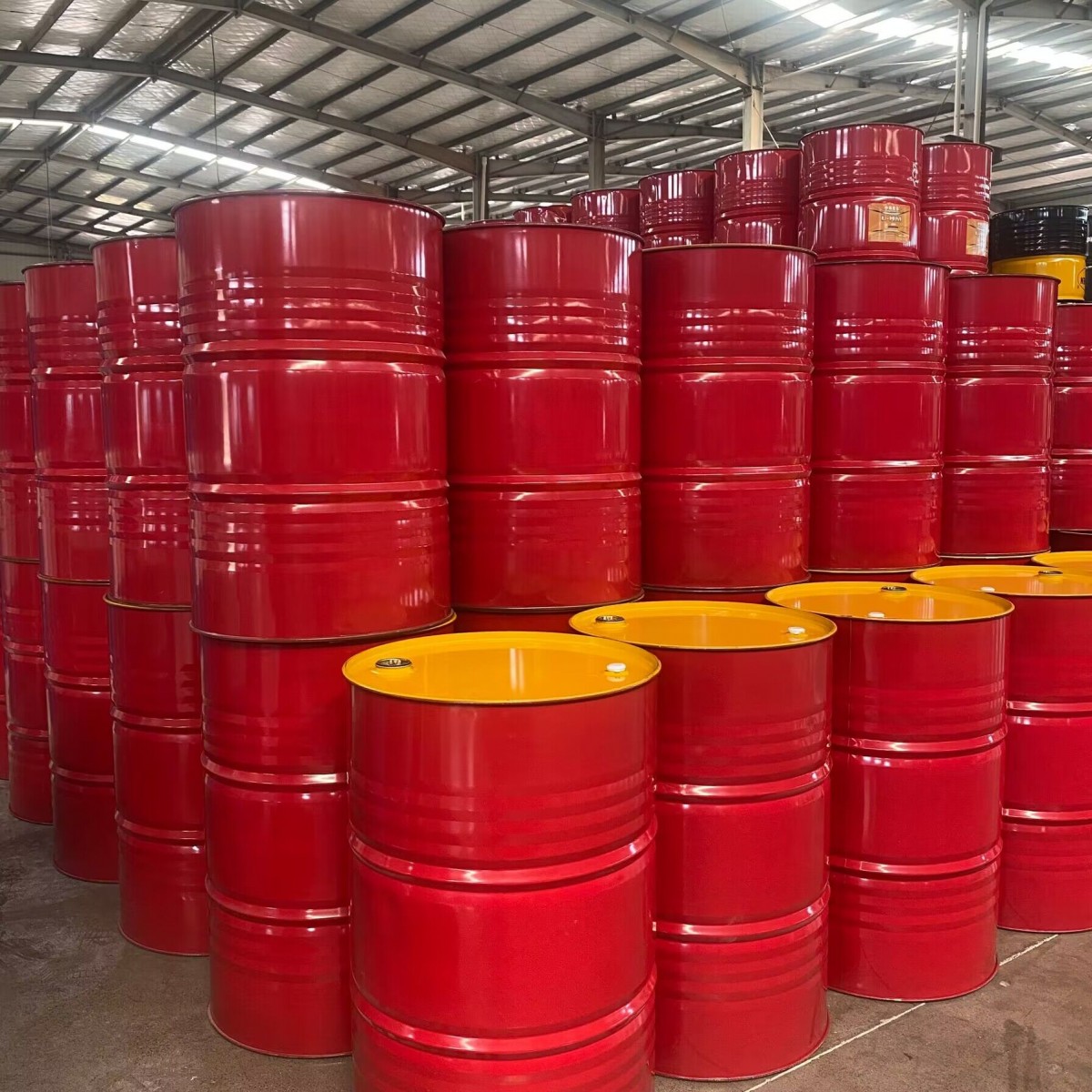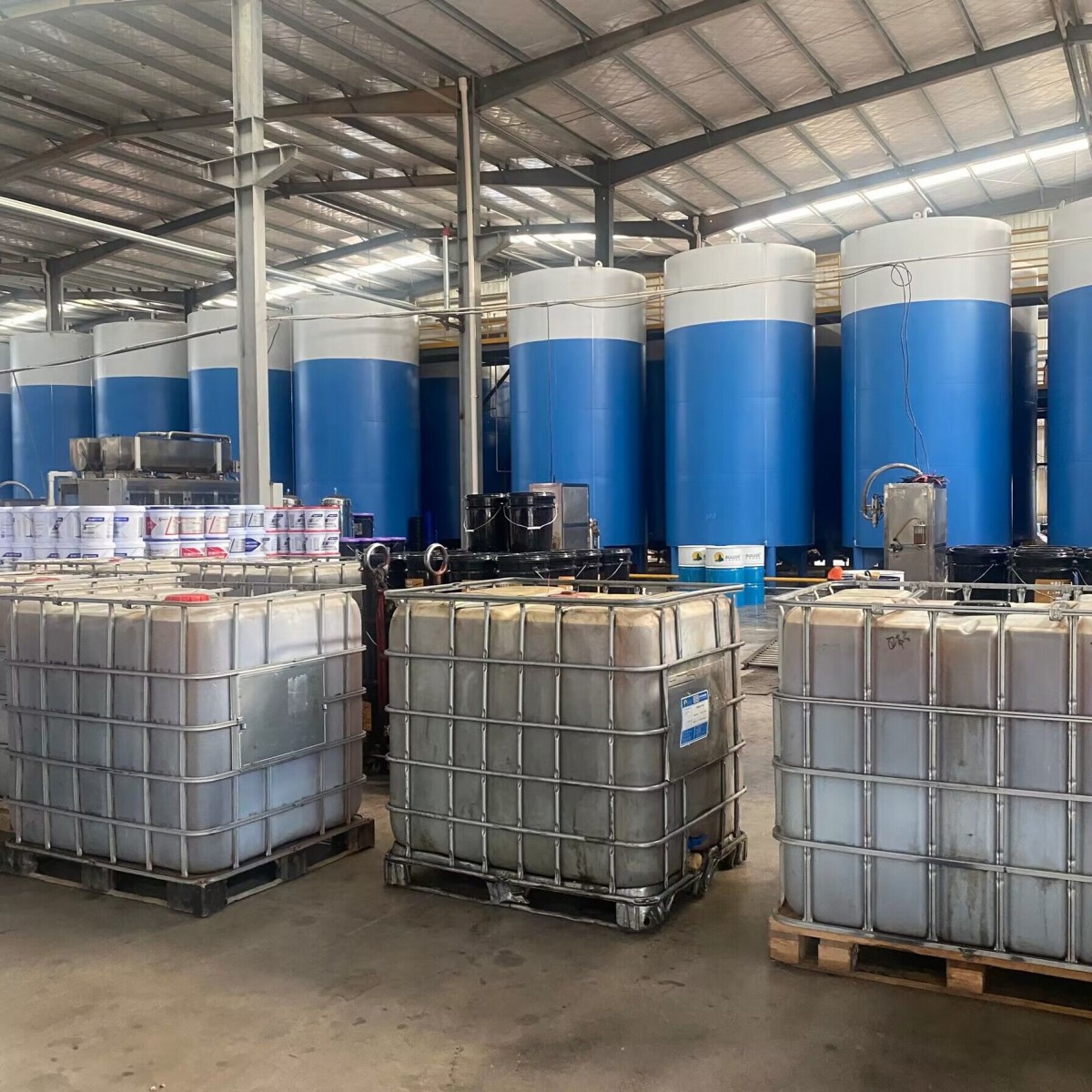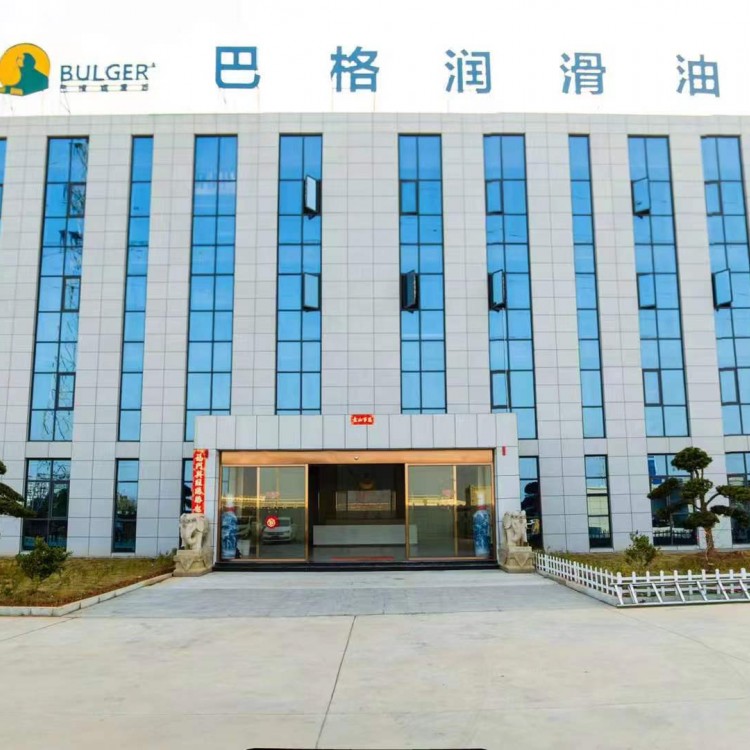


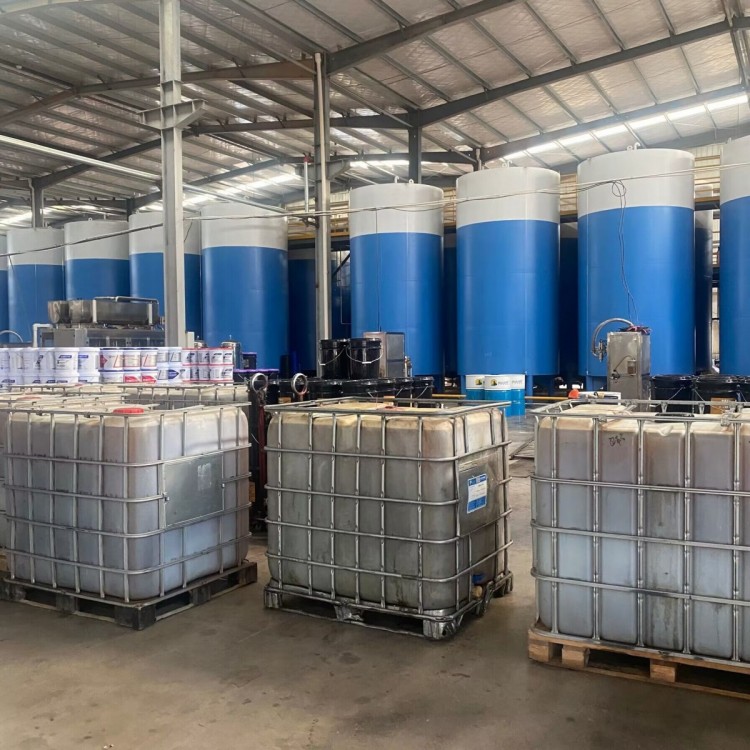






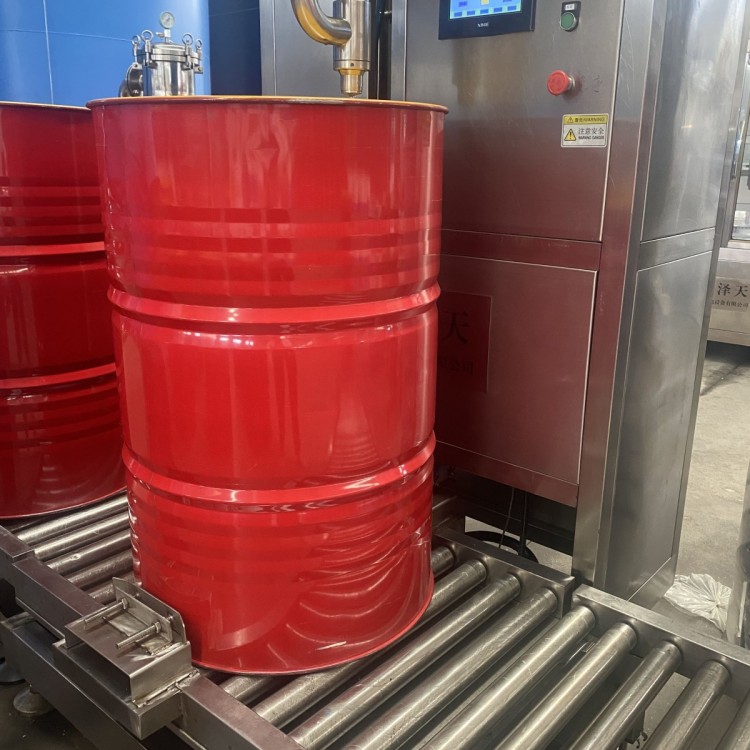
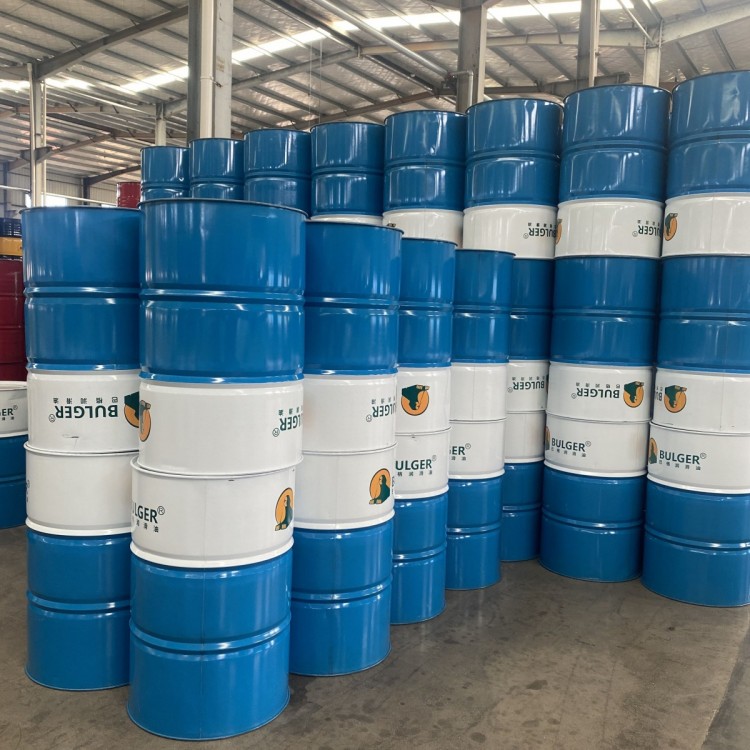

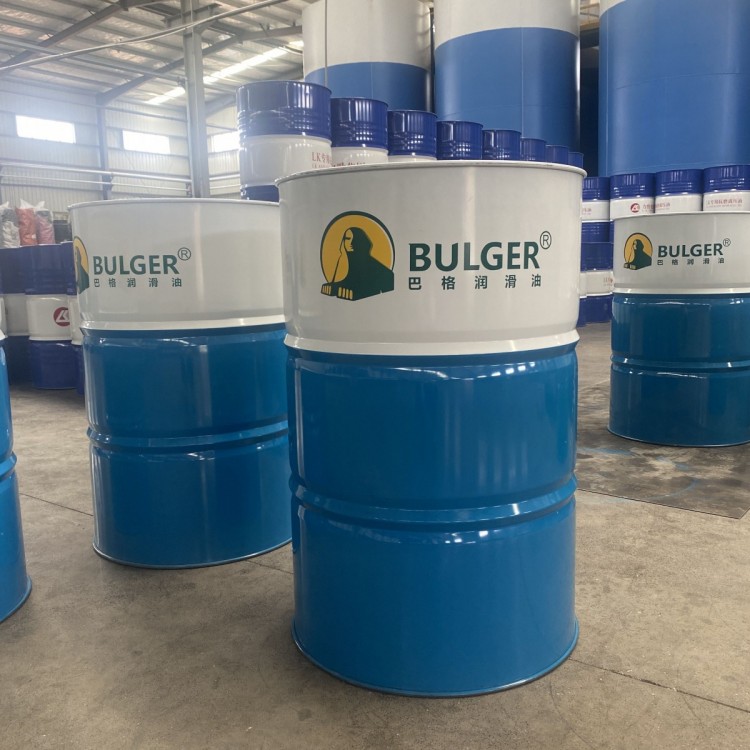

Headquartered in Germany, the Bag Group Co., Ltd., with the domestic manufacturer Jiangxi Bag Lubrication Technology Co., Ltd., located at No. 169 South Ring City Avenue, Fengxin Economic Development Zone, Yichun City, Jiangxi Province; the group also includes Chongqing Bag Technology Co., Ltd. and Jiangxi Gesar New Material Co., Ltd.
The company initially established a research and development lab in Shanghai, providing technical support to numerous lubricant suppliers. Over time, it evolved from a single R&D model to a multi-faceted business model encompassing technology, production, and sales, with the lab as its solid foundation. Gradually expanding its business scope, it founded Chongqing Bagu Technology Co., Ltd. in 2013, Jiangxi Bagu Lubricating Technology Co., Ltd. production base in 2016, and Jiangxi Gesar New Material Co., Ltd. in 2020.
Jiangxi Bagu Lubrication Technology Co., Ltd. has established partnerships with over 50 strategic customers, including Beijing Auto Group, Wugang Group, Dongbei Group, Hanjiang Group, Jiangte Group, Pinggang, Fangda Special Steel, Jiugang, and more. We serve over 500 OEM clients.
Quality Assurance: Every lubricant product from our company has undergone rigorous product inspections and been evaluated by authorized third-party laboratories. All technical and physical-chemical indicators of our lubricant products have been fully verified.
Established in the early stages, the company sets sail with a forward-thinking mindset and a high starting point. Committed to collaborating with all partners, we strive to advance the lubricant industry together, build a platform rich in cultural heritage and influence, and create a beautiful home for Bagu. Let's march forward hand in hand, and jointly forge a brilliant tomorrow!


Use and Precautions for Rust Inhibiting Oil:
1. Immersion Method: The advantage is that it can form a uniform anti-rust film on the surface, ensuring complete coverage of the product, with lower cost. The disadvantage is that it is only suitable for small products, requiring low-viscosity anti-rust oil, and the immersion tank must have an excellent drainage system.
2. Spray Method: Suitable for large and complexly structured products, requires the use of a high-pressure sprayer. It may result in incomplete formation of the rust-preventive film on the product. The working environment should have good ventilation when in use.
3. Brush painting method: This method is simple to use, but it's essential to ensure that every part of the workpiece is brushed. The brush must be kept clean before use.
4. Rinse Method: High efficiency, reusable, and cost-saving. However, it requires regular draining of products within the tank and periodic replacement to prevent excessive moisture and other substances from affecting the rust prevention effect.
What are the main quality requirements for anti-wear hydraulic oil?
1. Excellent antioxidant, hydrolytic, and thermal stability to resist the effects or actions of factors like air, moisture, high temperature, and high pressure, making it less prone to aging and deterioration, thus extending its service life.
2. Excellent anti-foaming properties, capable of quickly separating from water mixed with oil to prevent the formation of emulsions, thereby avoiding metal corrosion in the hydraulic system and reducing performance.
3. Appropriate viscosity and good viscosity-temperature properties to ensure that hydraulic components receive proper lubrication, cooling, and sealing under varying working pressures and temperatures.
4. Excellent extreme pressure and wear resistance to ensure normal lubrication of friction pairs in oil pumps, hydraulic motors, control valves, and cylinders under high pressure and high-speed demanding conditions, reducing wear.
5. Excellent anti-foaming properties and air release values to ensure no foam is produced under conditions of intense mechanical stirring during operation.
6. Rapidly dissipates; and can release air mixed with oil in a short period of time, to achieve accurate, sensitive, and stable transmission of static pressure.
7. Excellent corrosion resistance to prevent rust on metal surfaces.