













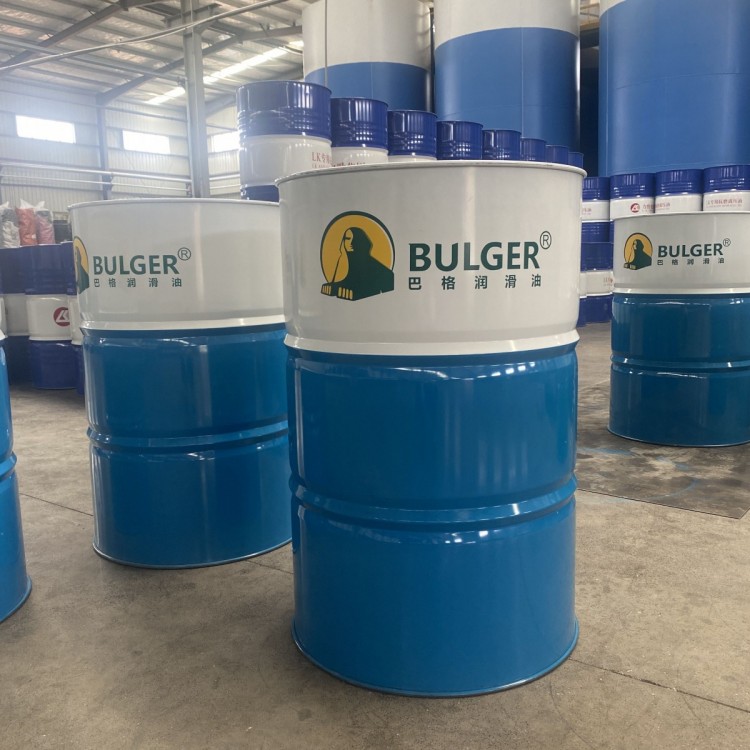

Selection of hydraulic oil viscosity
The selection of viscosity grade is crucial, as viscosity significantly affects the stability, reliability, efficiency, temperature rise, and wear of the hydraulic system. High viscosity hydraulic oil generates more resistance during flow, consuming more power to overcome this resistance, which is then converted into heat, causing the oil temperature to rise; too low viscosity can increase leakage, reduce the system's volumetric efficiency, and accelerate the system's temperature rise.
Hydraulic oil must meet the following requirements
1. Appropriate viscosity grades. Mainly consider the working pressure, environmental temperature, and movement speed of the hydraulic system.
2. The oil is relatively pure with minimal impurities.
3. Hydraulic oil offers excellent lubricity, compatibility, and stability.
4. Excellent anti-foaming, anti-oxidation, anti-corrosion, and rust-proof properties.
5. Low coefficient of thermal expansion, high specific heat capacity.
6. Low melting and boiling points, high ignition and flash points.
7. Excellent cost-performance ratio. Low toxicity to the human body.
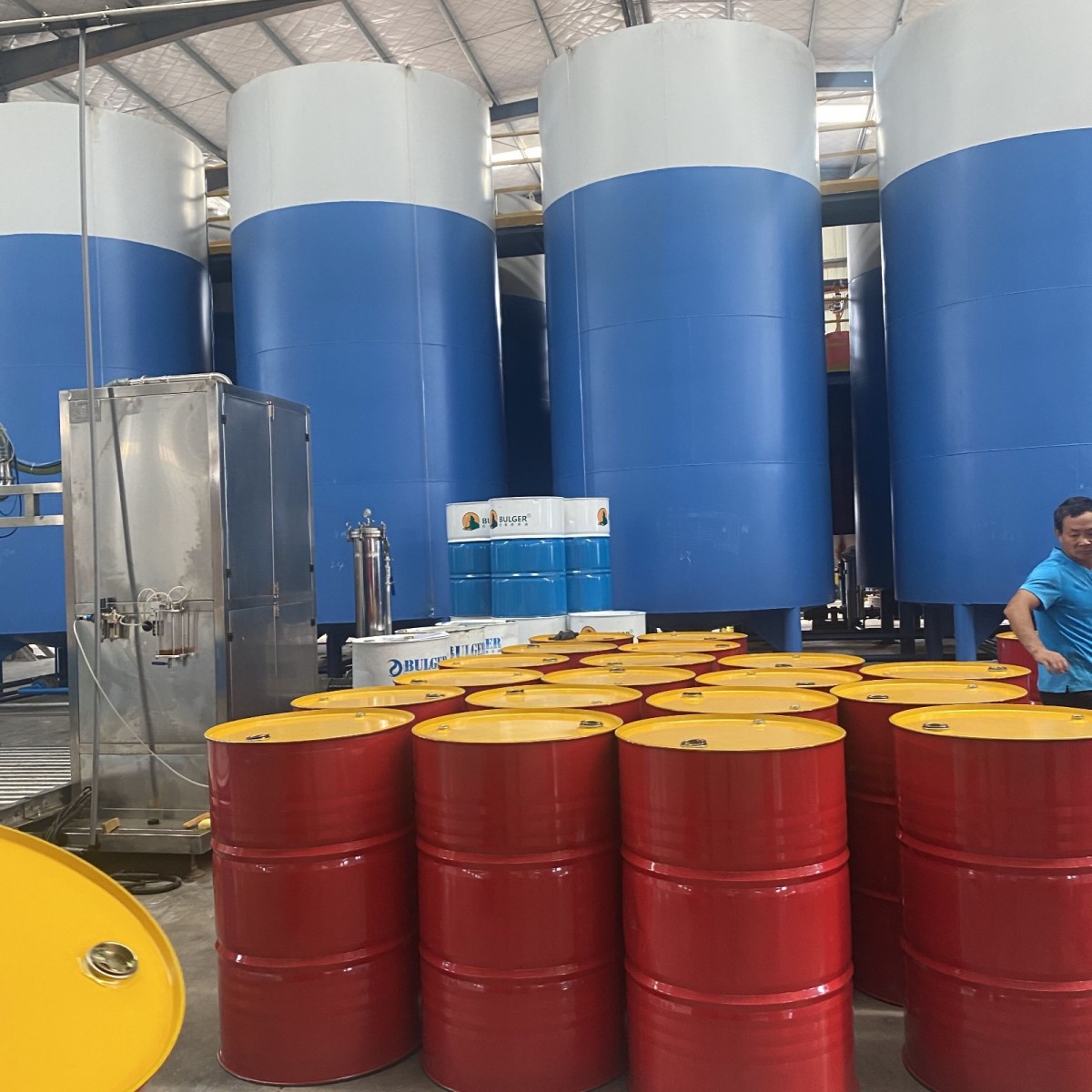
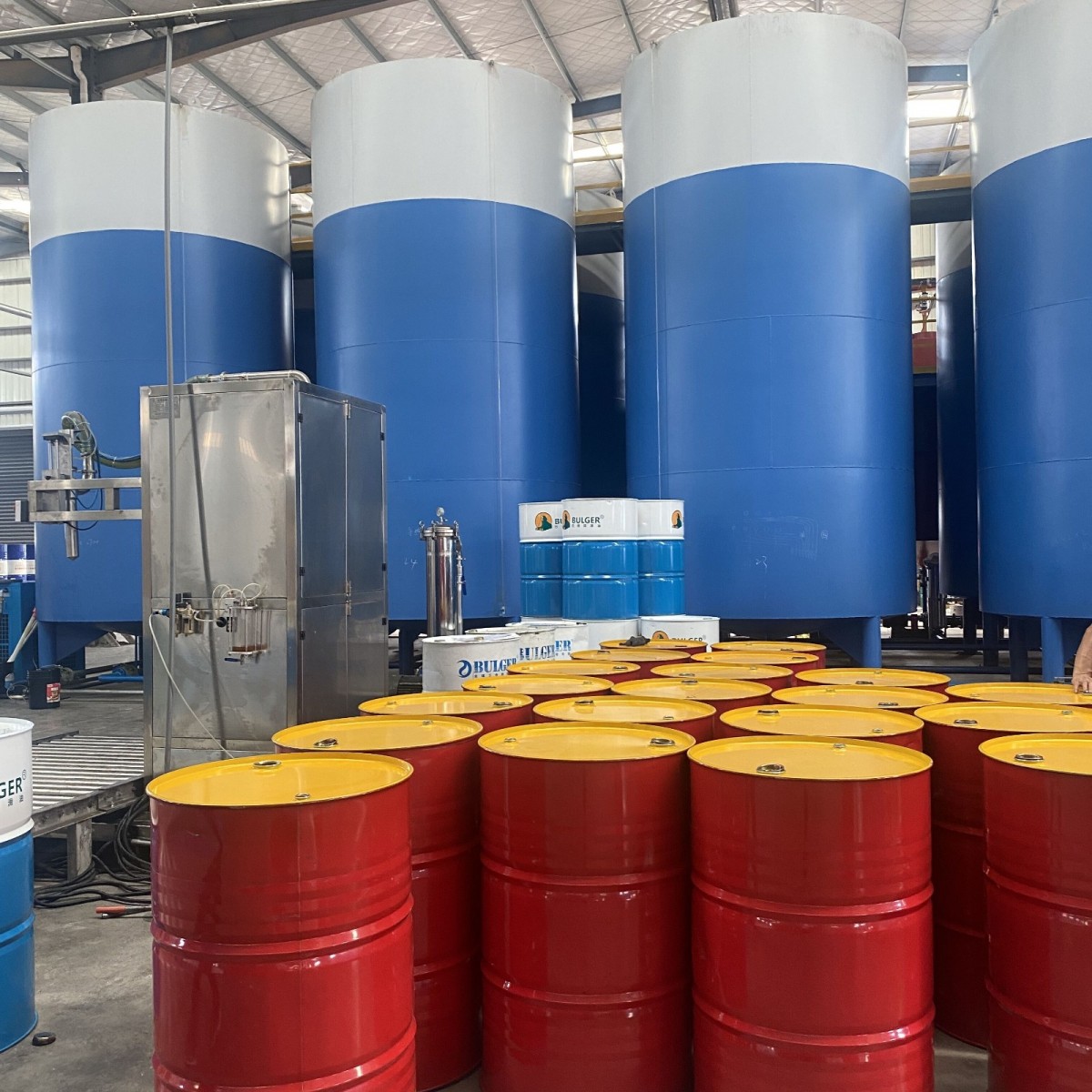
Lubricating oil is composed of two parts: base oil and additives. Base oil alone cannot meet the numerous performance requirements of engine oil. Base oil is a refined component extracted from crude oil, featuring basic viscosity characteristics, while additives are chemical substances used to improve and enhance the quality of the oil.
Base Oil for Lubricants
Lubricating oil base oils are primarily categorized into two main types: mineral base oils and synthetic base oils. Mineral base oils are widely used and consumed in large quantities (over 95%), but in certain applications, products formulated with synthetic base oils are required, thus leading to the rapid development of synthetic base oils.
Mineral oil refers to substances directly refined from crude oil for lubricant production. Synthetic oil, on the other hand, is created by cracking lighter alkanes from oil or coal into ethylene, and then recombining them through complex chemical transformations. It boasts stable physical and chemical properties, is free of impurities, and has many natural advantages over mineral oil.
(2) Additives
Additives can improve the physical and chemical properties of lubricants according to their quality and performance requirements, endow them with new special properties, or enhance certain existing properties to meet higher standards. Careful selection, precise balancing, and rational blending of additives are crucial for ensuring lubricant quality. In fact, high-quality lubricants demonstrate a comprehensive performance.
Generally, engine oil must meet the following requirements to ensure normal engine operation: appropriate viscosity; good low-temperature flow properties; antioxidant properties; thermal stability; cleanliness and dispersancy; anti-wear properties; corrosion and rust prevention.