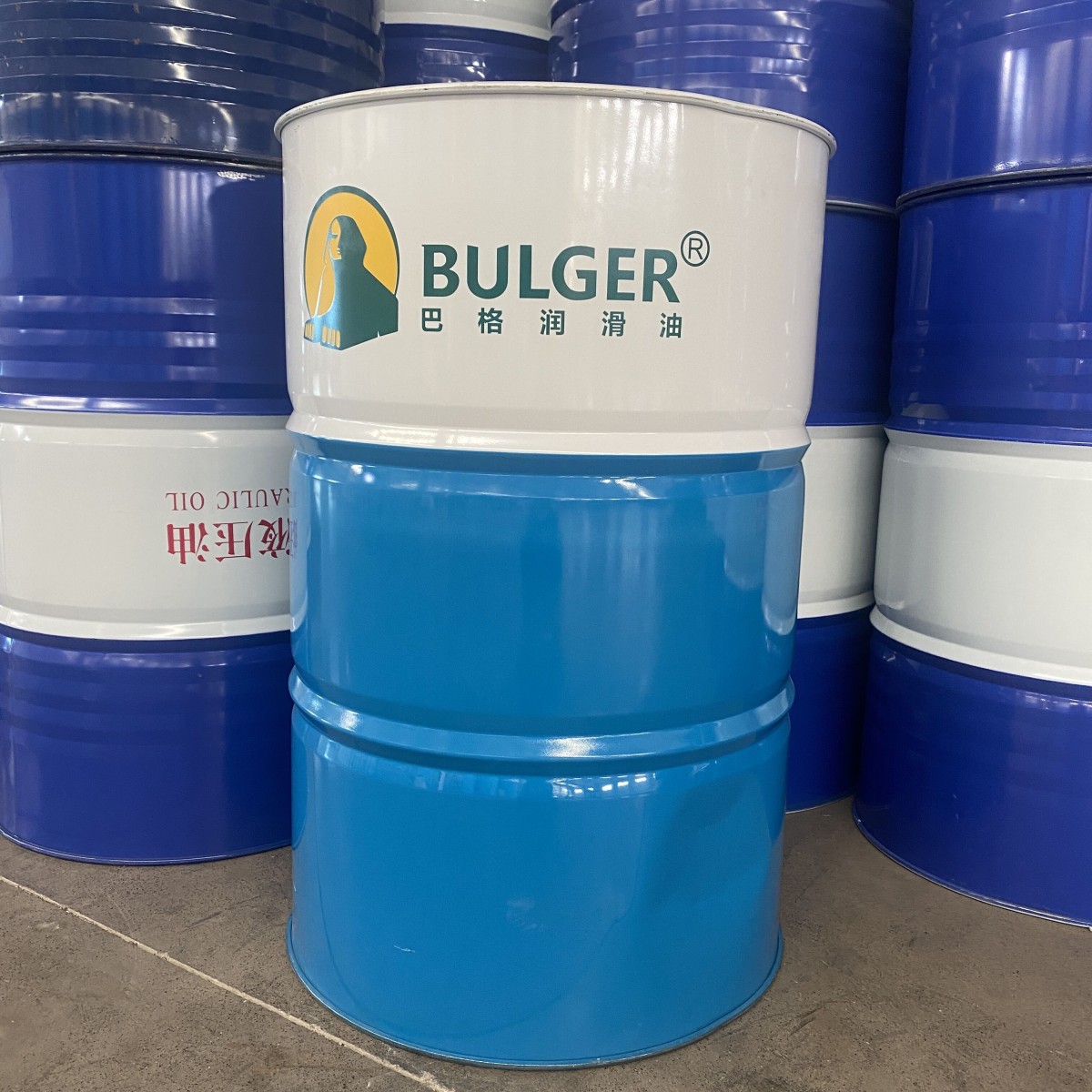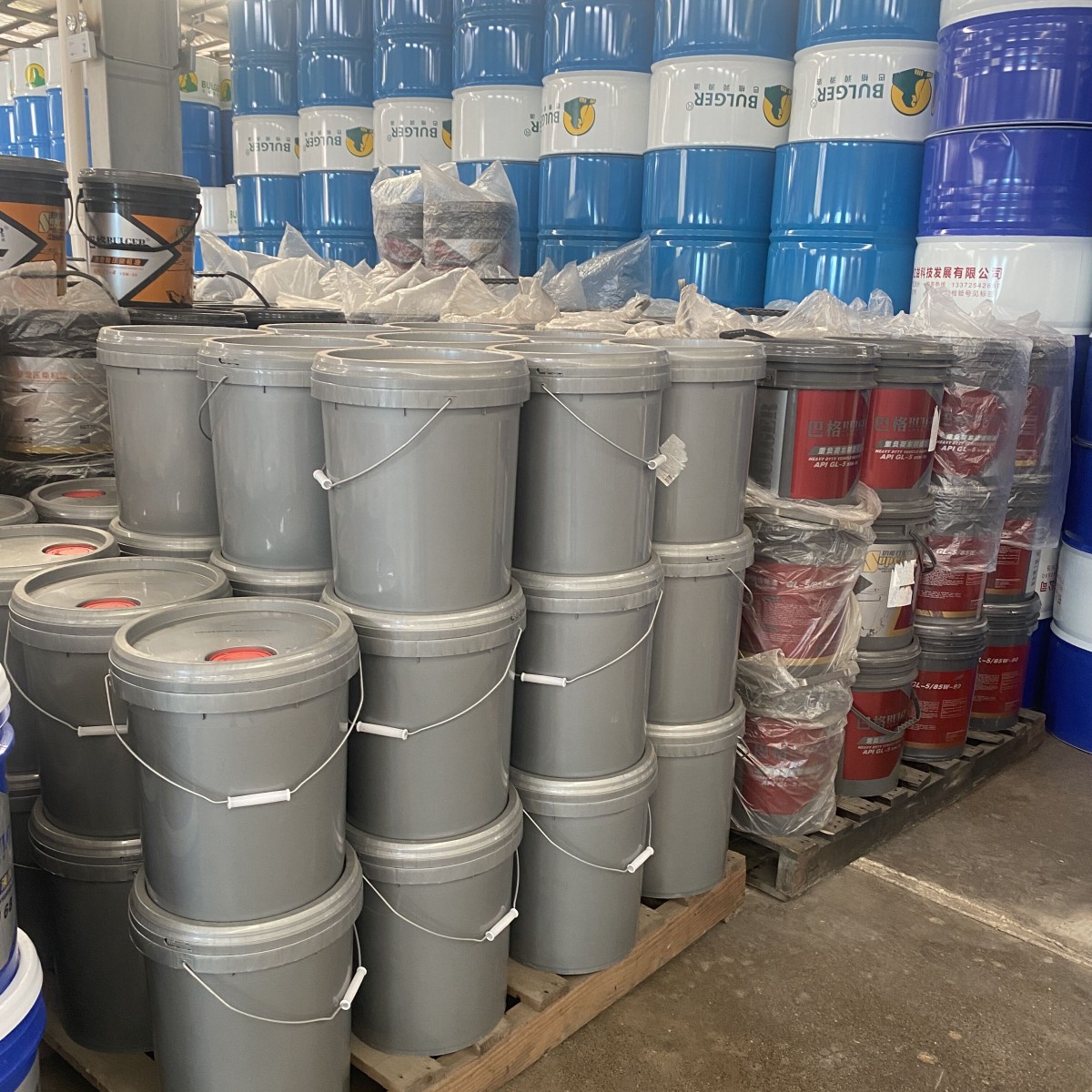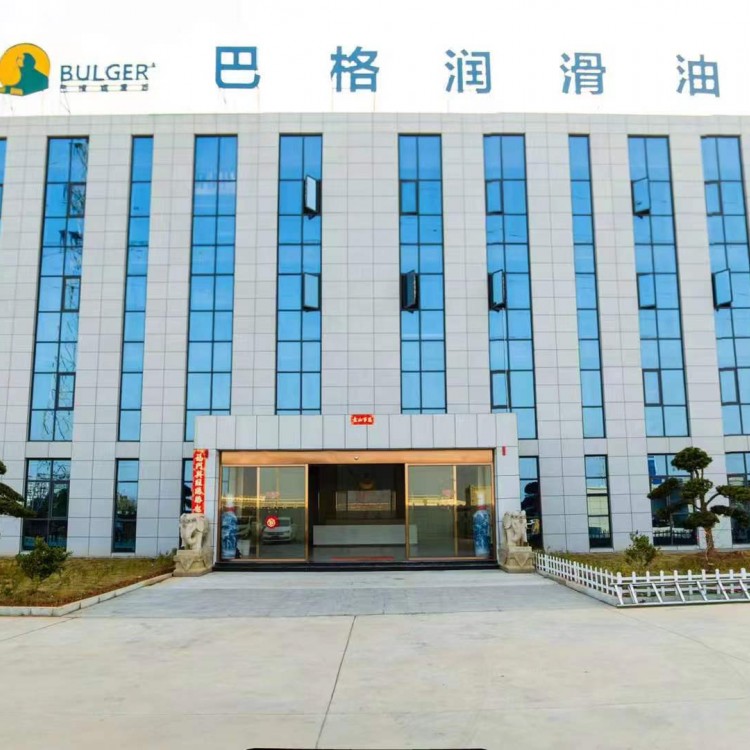


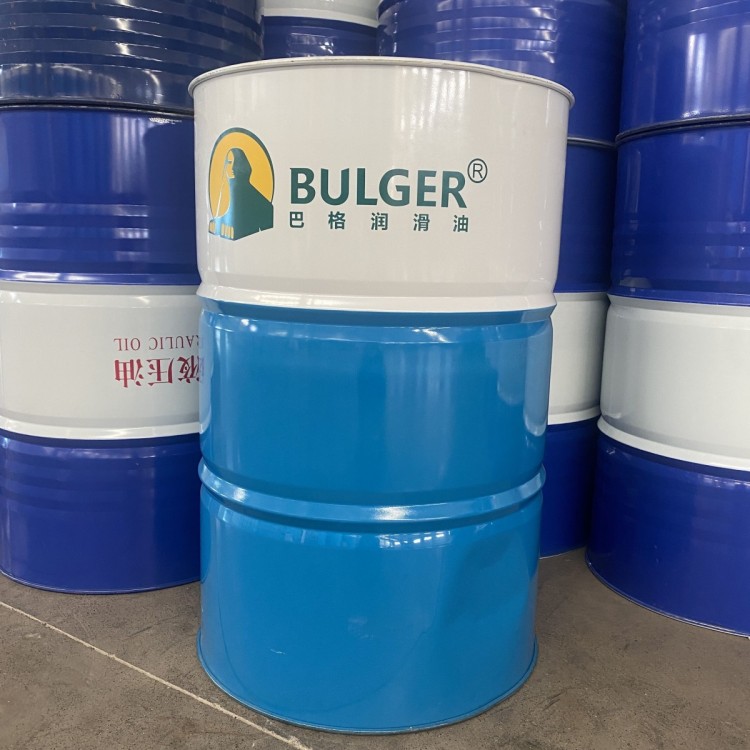

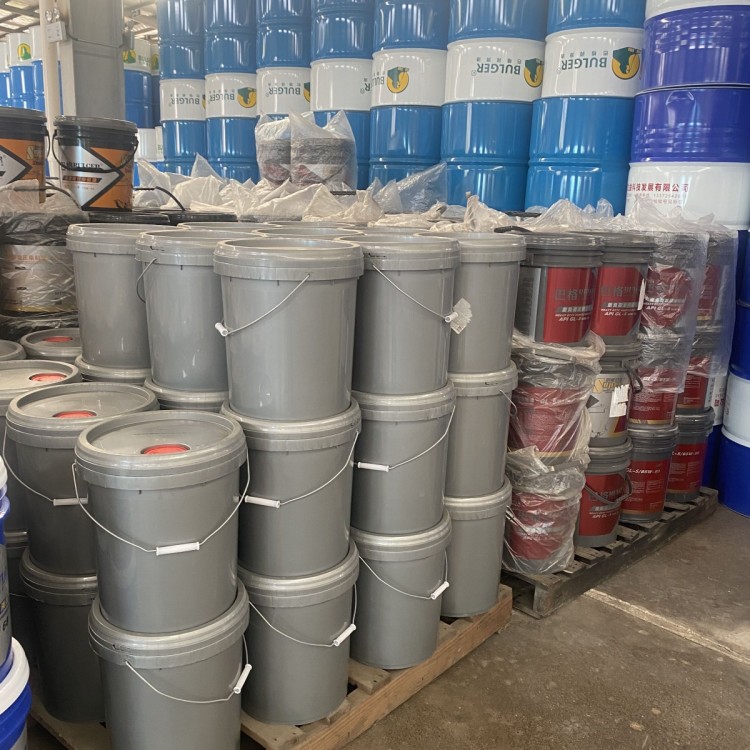








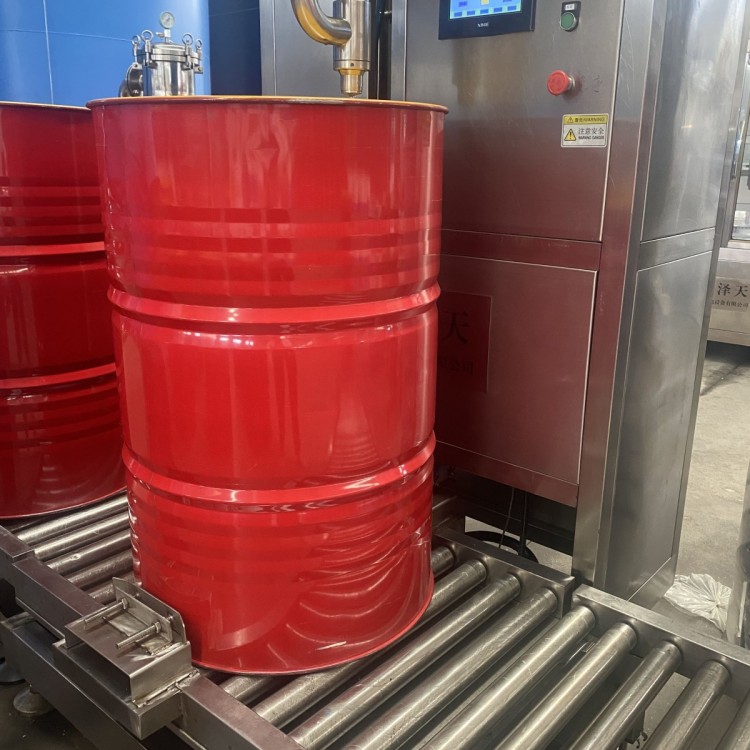
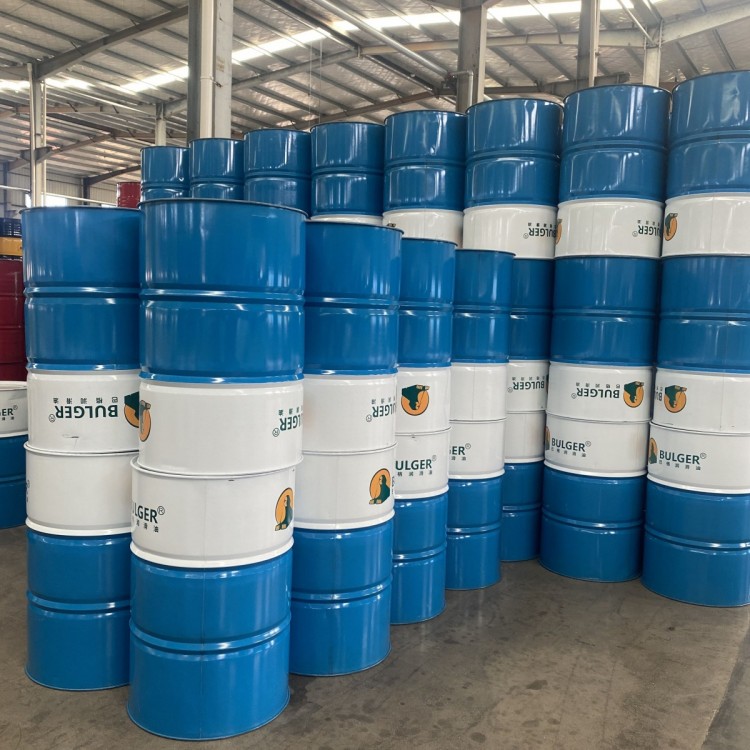

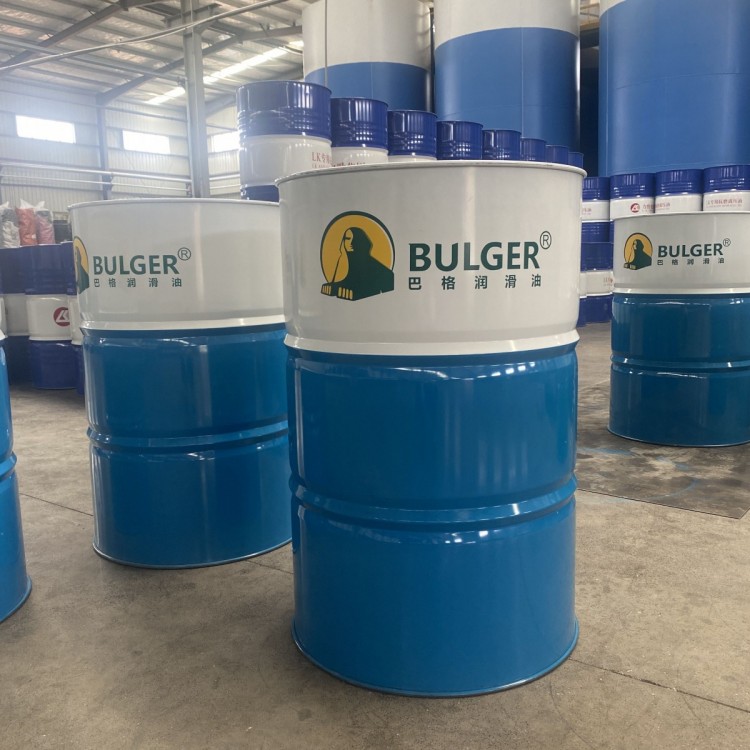

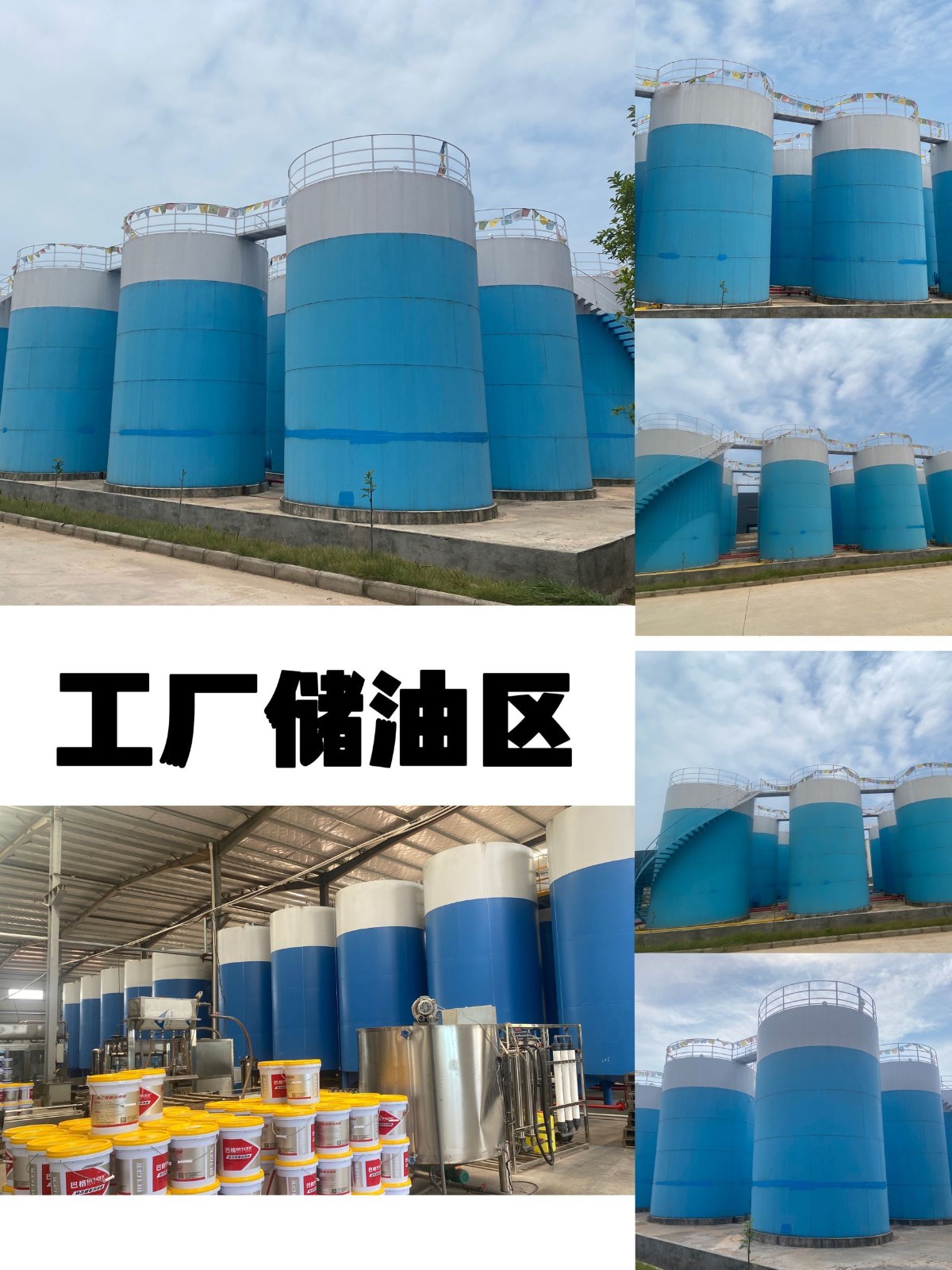
Headquarters: Bag Lubrication Technology Group Co., Ltd., Germany; Domestic manufacturer: Jiangxi Bag Lubrication Technology Co., Ltd., Address: No. 169 South Ring City Road, Fengxin Economic Development Zone, Yichun City, Jiangxi Province; Affiliates include Chongqing Bag Technology Co., Ltd. and Jiangxi Gesar New Material Co., Ltd.
The company initially established a working laboratory in Shanghai, providing technical support to numerous lubricant suppliers. It then evolved from a single R&D model to a multi-faceted business model encompassing technology, production, and sales, with the laboratory as its robust foundation. Gradually expanding its commercial scope, the company founded Chongqing Bagu Technology Co., Ltd. in 2013, Jiangxi Bagu Lubrication Technology Co., Ltd. production base in 2016, and Jiangxi Gesar New Material Co., Ltd. in 2020.
Jiangxi Bagu Lubrication Technology Co., Ltd. boasts an independent R&D team consisting of 1 postdoctoral fellow, 2 doctors, and 5 masters. We use additives and base oils from international brands such as Chevron in the U.S. and GS in South Korea, developing specialized lubricating oils for Bagu's brand that cater to various market needs. Since its inception, the company has focused on lubrication solutions for industrial manufacturing, on-site lubrication management, and whole-plant lubrication contracting projects, rapidly growing into a high-tech enterprise. Additionally, we have a professional after-sales service team that adheres to the market service philosophy of "concerning customer worries before our own, and sharing customer joys after their own." With professional technology and knowledge, we alleviate customer concerns and provide end-to-end services, ensuring the safety and protection of our customers.




Thermal oil application scope:
1. Industrial Sector: Industrial and equipment rubber and plastic applications: hot pressing, calendering, extrusion, vulcanization, artificial leather processing, film processing.
2. Fine Chemicals: pharmaceutical intermediates, agricultural pesticide intermediates, antioxidants, surfactants, fragrances, etc. synthesis
3. Fats and Chemicals: Fatty Acid Distillation, Fat Splitting, Distillation, Concentration, Nitration
4. Textile Industry: polymerization reactions, melt spinning, thermal setting, fiber finishing.
5. Paper Industry: Thermal Melt Extruders, Corrugated Plate Processing Machines, Dryers
6. Wood Processing: Composite Panel Pressing, Drying Machines
7. Electrical Processing: Wire and Cable Manufacturing
8. Energy Industry: Waste Heat Recovery, Solar Energy Utilization, Reactor Heat Extraction
9. Food Industry: Grain Drying, Food Baking
10. Air Conditioning Industry: Residential heating, chemical, and industrial;
11. Petrochemicals:聚合,分解,蒸馏,浓缩,蒸发,熔融设备, etc.
12. Construction Materials Industry: Asphalt Melting, Insulation, Gypsum Board Drying
13. Textile Dyeing and Finishing Industry: Hot Melt Dyeing, Heat Setting, Drying Equipment.
Thermal oil possesses anti-thermal cracking and chemical oxidation properties, with excellent heat transfer efficiency, rapid heat dissipation, and good thermal stability. As a heat transfer medium in industrial oils, thermal oil features the following characteristics: it can achieve high operating temperatures under nearly atmospheric pressure conditions, significantly reducing the operational pressure and safety requirements of high-temperature heating systems, thereby enhancing the reliability of the system and equipment. It can meet different temperature heating and cooling process requirements over a wider temperature range, or simultaneously achieve both high-temperature heating and low-temperature cooling within the same system using the same thermal oil, simplifying system and operational complexity. It eliminates the need for water treatment systems and equipment, improving system thermal efficiency and reducing maintenance work for equipment and pipelines, thereby cutting initial investment and operational costs for the heating system. However, in the event of system leakage due to accident causes, combustion may occur upon contact with open flame, which is an issue compared to steam systems. Nevertheless, under non-leakage conditions, the operational safety of the thermal oil system is higher than that of water and steam systems due to its operation under low-pressure conditions.