













The Difference Between Flame Retardant Hydraulic Oil and Ordinary Hydraulic Oil
Anti-flame hydraulic oil is a base oil made of organic esters with automatic flame extinction capabilities and strong biodegradability. It not only offers excellent antioxidant, anti-wear, anti-corrosion, and anti-foaming properties but also reduces the risk of fire and explosion when the oil comes into contact with flames or hot surfaces.
The standard hydraulic oil is a hydraulic medium used in hydraulic systems that utilize liquid pressure, serving functions such as energy transfer, anti-friction, system lubrication, corrosion and rust prevention, and cooling. For hydraulic oils, the primary requirement is to meet the viscosity demands of hydraulic devices at both working and start-up temperatures. Since the viscosity of lubricating oils is directly related to hydraulic action, transfer efficiency, and precision, the oil's viscosity-temperature performance and shear stability must also meet the varied demands of different applications. Any hydraulic oil is composed of two main parts: the base oil and additives. The performance of hydraulic oil primarily depends on the properties of the base oil and additives, with the base oil playing a leading role, as is the case with fire-resistant hydraulic oils. Due to the different base components and additives used in various hydraulic oils, their performance necessarily differs. Therefore, the fundamental difference between standard hydraulic oil and fire-resistant hydraulic oil lies in the composition of their base oil and additives. The term "fire-resistant hydraulic oil" refers to the oil's fire-resistant property, which is one of its key performance characteristics and a distinctive feature of this type of product.
注意事项 for Abrasion-Resistant Hydraulic Oil:
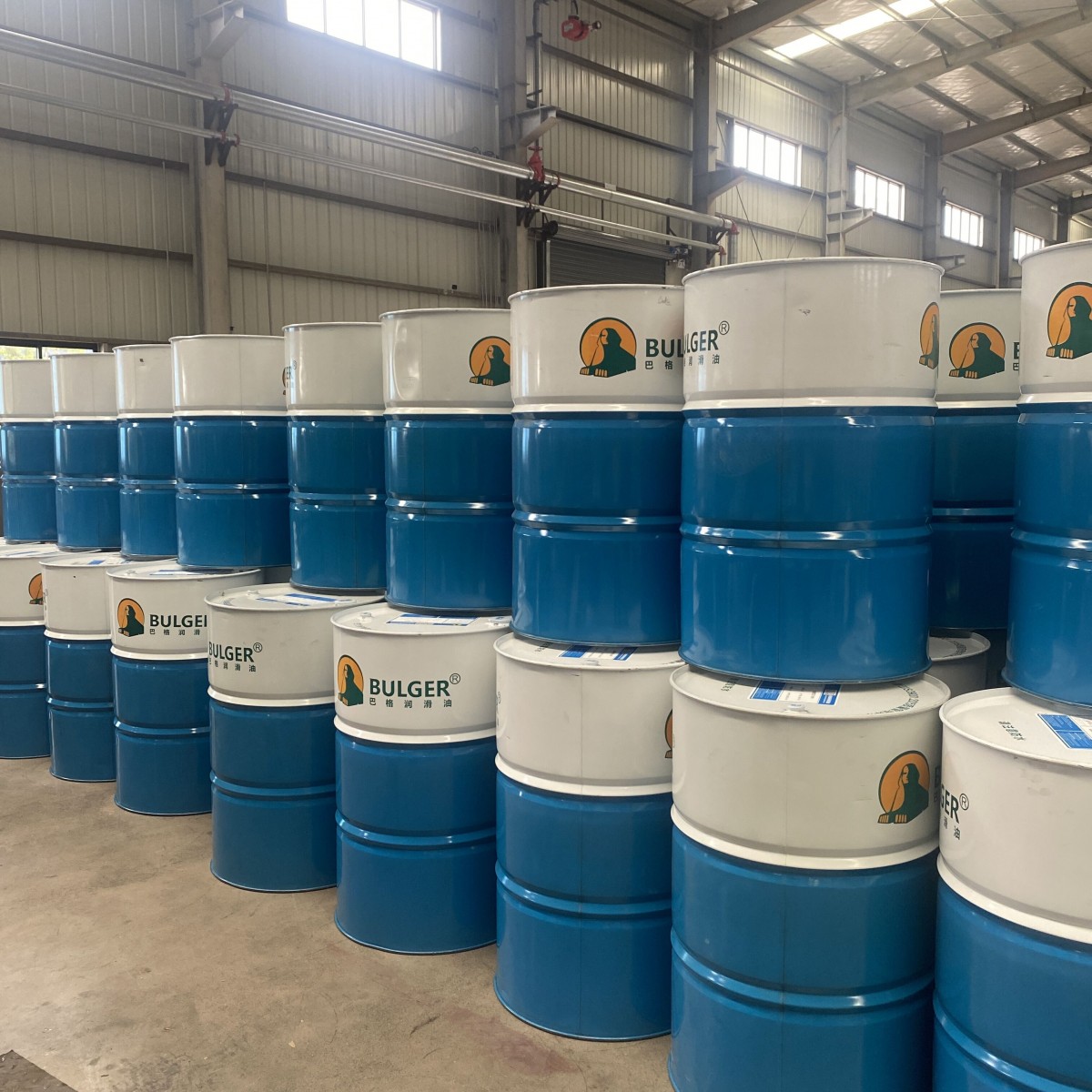
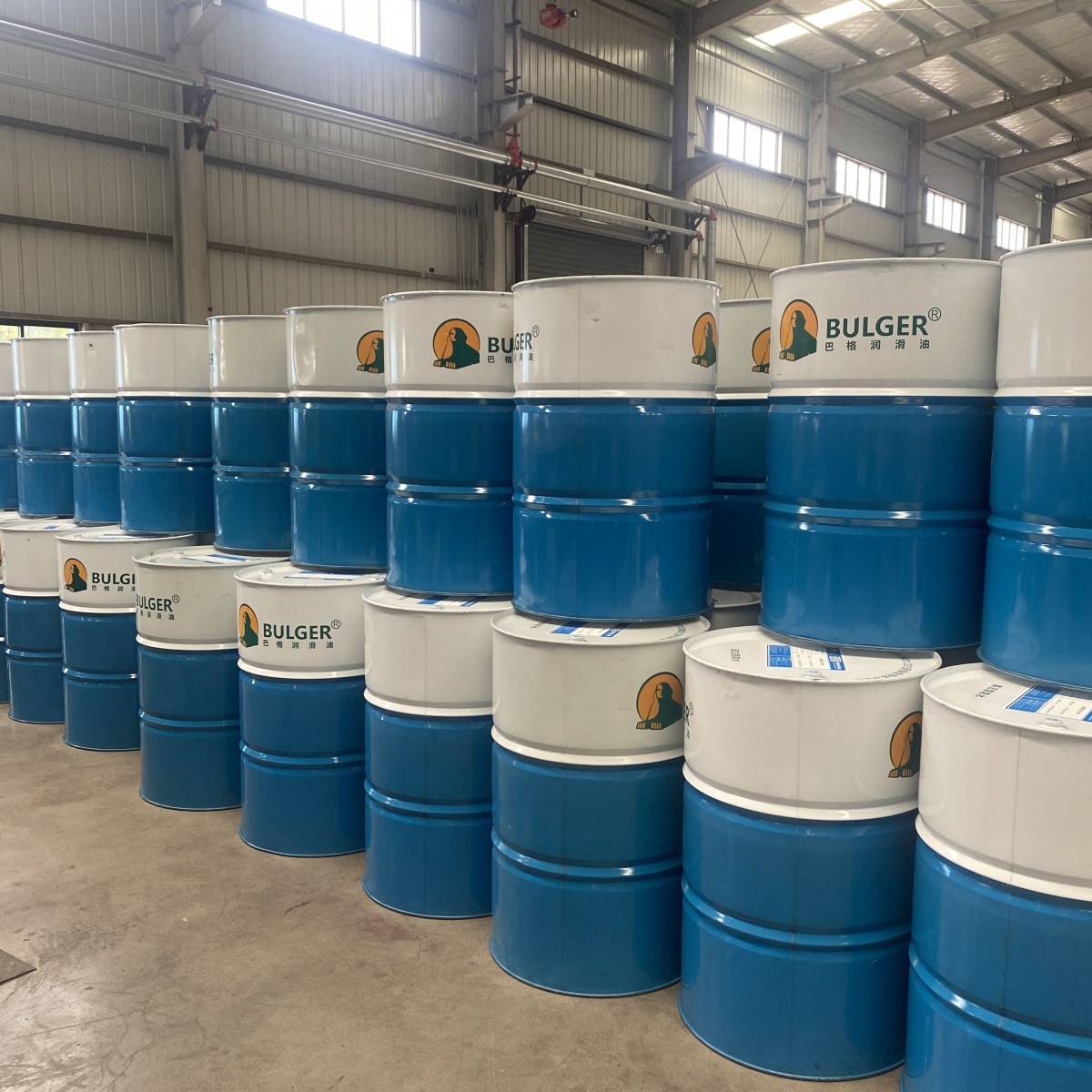
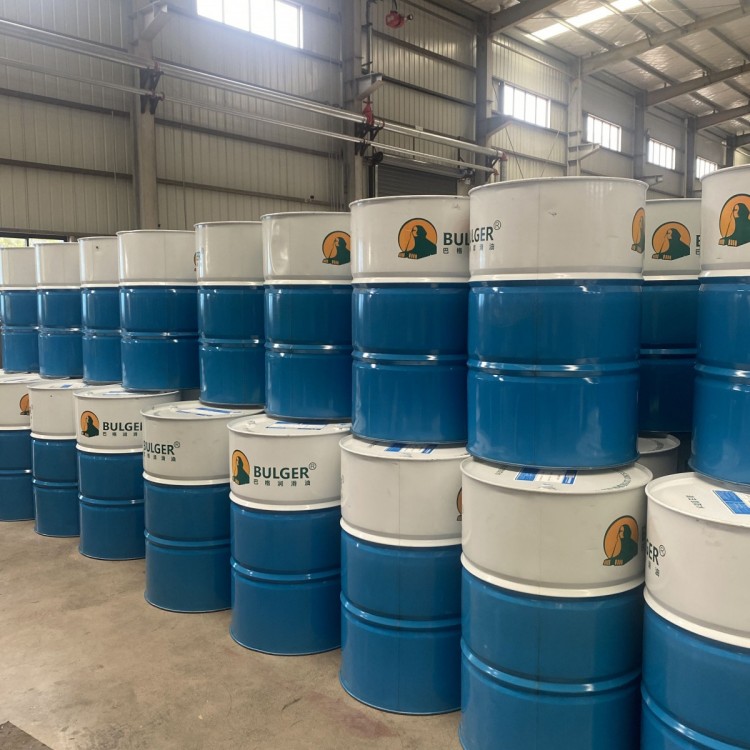
1. Store indoors; if outdoors, lay the barrels flat to prevent water immersion and to keep the labels legible.
2. This product must not be mixed with water or contaminated by foreign matter; otherwise, it may cause the oil to emulsify, deteriorate, and become ineffective.
Do not mix with other oils to prevent performance degradation.
4. Select oil products with appropriate viscosity according to the equipment's oil specifications.
5. Maintain the cleanliness of the hydraulic system by promptly removing sludge and metal shavings from the oil tank.
6. Change the oil based on the oil change reference indicators. During the oil change, clean all parts of the equipment to prevent impurities from mixing into the oil, which may affect the performance.
7. During storage and use, containers and fueling tools must be clean to prevent contamination of the oil.
8. This oil is primarily suitable for hydraulic pumps for steel friction pairs. For hydraulic pumps for friction pairs of other materials, the manufacturer of the pump or the oil supply unit must be involved.

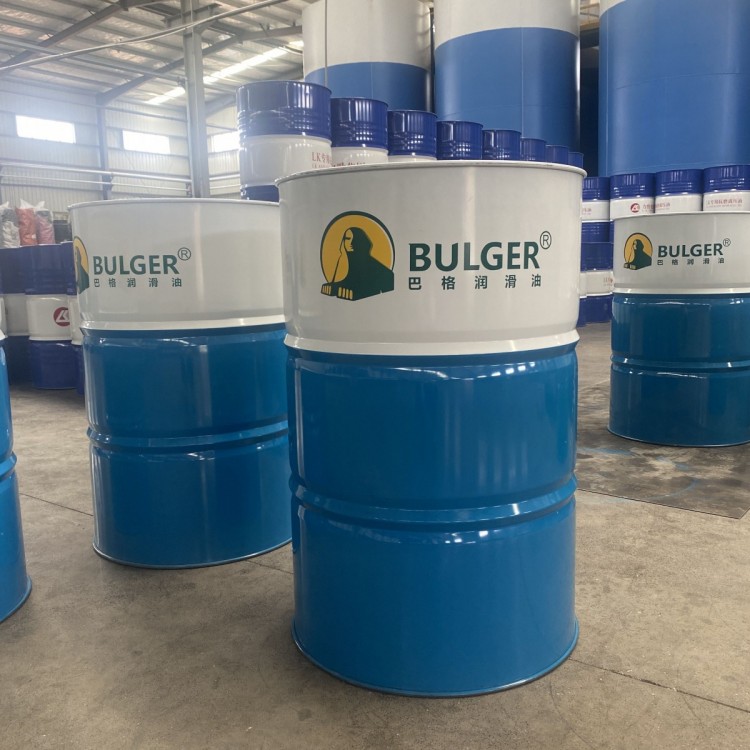
Headquarters: Bag Lube Technology Group Co., Ltd., Germany; domestic manufacturer: Jiangxi Bag Lube Technology Co., Ltd., Address: No. 169, South Huicheng Road, Fengxin Economic Development Zone, Yichun City, Jiangxi Province; subsidiaries include Chongqing Bag Technology Co., Ltd. and Jiangxi Gesar New Materials Co., Ltd.
The company initially established a research and development lab in Shanghai, providing technical support to numerous lubricant suppliers. It then evolved from a single R&D model to a multi-functional business model encompassing technology, production, and sales, with the lab as a robust foundation. Gradually expanding its business scope, it founded Chongqing Bagu Technology Co., Ltd. in 2013, Jiangxi Bagu Lubrication Technology Co., Ltd. production base in 2016, and Jiangxi Gesar New Materials Co., Ltd. in 2020.
Jiangxi Bagu Lubrication Technology Co., Ltd. boasts an independent R&D team: 1 post-doctorate, 2 doctors, and 5 masters. We use additives and base oils from international brands like Chevron USA and GS Korea to independently develop lubricants under the Bagu brand that meet various market demands. Since its establishment, the company has focused on lubrication solutions for industrial manufacturing, on-site lubrication management, and whole-plant lubrication contracting projects, growing rapidly. Additionally, we have a dedicated after-sales service team that adheres to the service philosophy of "worrying about the customer's concerns before our own, and rejoicing in the customer's joy." With our technology and expertise, we alleviate customer troubles, providing truly comprehensive and end-to-end service to safeguard our clients.


Factors to consider when choosing grease include:
Firstly, it is crucial to clarify the purpose of using lubricating grease based on its primary function, and choose the grease accordingly. Lubricating greases can be roughly categorized into three main types: friction reduction, protection, and sealing. The selection of grease depends on the main role it needs to play in the application area.
2. The operating temperature of the lubricated area is a crucial factor in selecting the lubricant. The temperature of the mechanical friction area and its variations significantly affect the lubricating effect and service life of the lubricant, considering the operating temperature of the lubricated area.
3. Consider the load on the lubrication area for grease lubrication
4. Similar viscosity changes with shear rate. Therefore, the speed of the lubricating part should be considered, as grease belongs to a rheological system. The physical state and lubricating effect of the grease are particularly sensitive to the operating speed of the lubricated components, which differs from that of lubricating oils.
5. Therefore, consider the environment and the medium the lubrication part is in and comes into contact with. The environment and medium the lubrication part is in greatly affect the performance of the lubricating grease. Careful consideration should be given when selecting the lubricating grease.
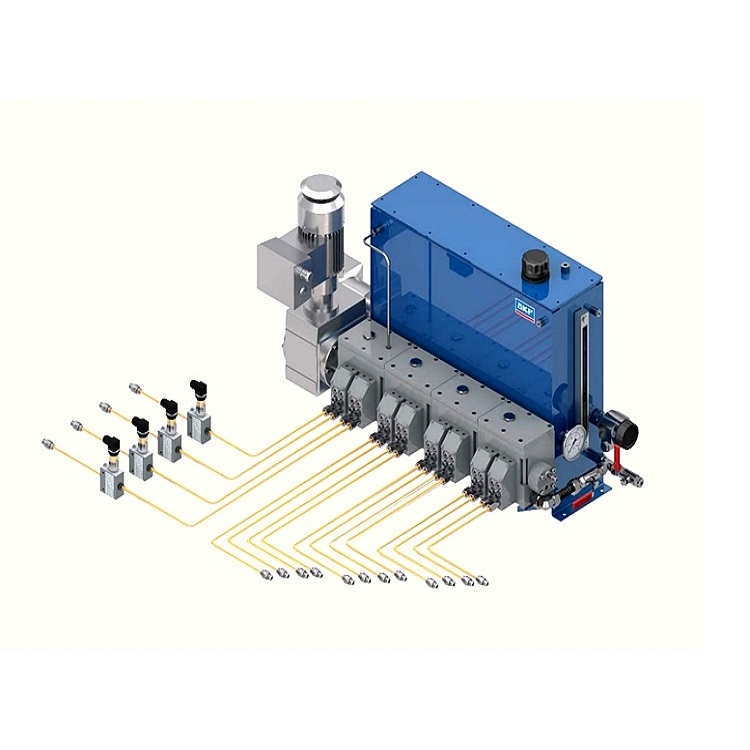
6. Consider the lubricant filling method. Lubricant filling methods include manual filling and pump centralized filling. Applying, filling, grease gun filling, and grease cup filling all fall under manual filling.
7. When selecting lubricants, consider the overall benefits. There are various types of lubricants that meet the mechanical usage requirements. Don't just focus on the price; also look at factors like extended lubrication cycles and reduced maintenance costs. Only lubricants with exceptional overall benefits are appropriate.
Long-term rust prevention oil product application:
Long-term rust preventative oil is primarily used for the long-term rust prevention of products made from carbon steel, silicon steel, cast iron, alloy steel, brass, low-quality stainless steel, and galvanized plate, etc., which are black metal products.
2. Long-term rust preventive oil is particularly suitable for storage and rust prevention during ocean transportation and in salt fog environments.
3. Long-lasting anti-rust oil for the ultra-long-term rust prevention of equipment, precision parts, electroplated parts, hardware, molds, mechanical components, and various metal products.
4. For applications requiring salt spray resistance.
Performance Features
Superior lubrication and cooling properties, reducing tool clogging and improving workpiece accuracy, while minimizing tool wear
Excellent rust and corrosion resistance, low alkalinity, non-irritating to skin and eyes.
High concentrate content, low usage ratio, excellent antimicrobial properties, and long working fluid lifespan.
Good penetration and cleaning during processing, without affecting machine tool paint.
Application Scope
Ideal for heavy-duty turning, milling, grinding, drilling, threading, and other metalworking operations. Capable of handling complex scenarios involving multi-tool machining centers and mixed metal processing. Provides lubrication, cooling, and rust prevention.
Recommended concentration: 3% to 10%
But the variety is far from the same. Can two mineral hydraulic oils with the same viscosity be used interchangeably in high-pressure systems requiring anti-wear hydraulic oil? No. Although they have the same viscosity, L-HH or L-HL oils cannot be substituted; otherwise, it would lead to premature wear and operational failures of the equipment's oil pumps. Similarly, the L-HV and L-HS oils required for hydraulic systems in cold regions cannot be replaced with oils of the same viscosity grade as L-HM, as this could result in difficulties with cold starts and other issues.
Section II: Gear Oil Issues and Solutions
What are the main forms of gear failure? The main forms of gear failure include broken teeth, wear, pitting, and bonding.
What factors lead to the degradation of industrial gear oil over storage? Internal reasons include the limited stability of the base oil. Over time, as the oil degrades, various additives added to improve the overall performance of the oil are gradually consumed and degrade. Generally, this degradation is slow and often requires 2 years or more.
Mechanical impurities and oil sludge. ②Viscosity changes - In oils containing viscosity index improvers, what are the phenomena of industrial gear oil deterioration? ①Changes in appearance - Color deepens and becomes turbid. Emulsification occurs with noticeable particles. Viscosity decreases due to mechanical shearing, while oxidation of the oil and emulsified sludge cause viscosity to rise. ③Acid value changes - In oil products containing high acid value additives, an initial decrease in acid value indicates the consumption of the additive, while a later increase in acid value is the result of oxidation producing acidic substances. ④Increase in moisture - Poorer anti-foaming performance, hydrolysis of extreme pressure agents affects lubrication, and pitting and sticking of gear surfaces may occur. ⑤Increased benzene sulfonate()insolubles - This is the result of oxidation products and metal shavings, dust, etc., in the temporary use of the oil under high temperatures.
III. Solutions for Turbine Oil Usage Issues
If both L_TSA turbine oil and L-TCD turbine oil cannot be mixed. 2 Why measure the emulsification resistance of turbine units? The emulsification resistance is an important indicator for steam turbine lubricating oil. It measures the time it takes for oil and water to separate under specified conditions. Can different types of turbine oil be mixed? Different types of turbine oil cannot be mixed. During the operation of steam turbines or hydro turbines, abnormal conditions in the system may lead to the entry of water or steam, causing the oil to emulsify. To resist the emulsifying effect of water on the oil, turbine oil must have a certain degree of emulsification resistance to ensure long-term use in equipment. A shorter emulsification time indicates that the emulsion can break down quickly, separating oil and water, whereas the opposite scenario is undesirable. Therefore, the shorter the emulsification time of the oil, the better.
Section 4: Compressor Oil Issues and Solutions
If the cause is oil-related, is the flash point of the lubricating oil related to the cause of explosion? Apart from mechanical factors, compressor explosions are often due to severe carbon buildup in the oil, which blocks the compressor exhaust port, leading to a dramatic increase in internal pressure. Studies suggest that the flash point of the lubricant is not related to the cause of explosion, as oil mist and vapor must reach temperatures 2-3 times the flash point to ignite spontaneously.
For oil-lubricated compressors, the following points should be noted: ① Choose the appropriate lubricating oil; ② Regularly clean the exhaust system; ③ Pay attention to operating methods; ④ Maintain and care for the compressor strictly; ⑤ Use an appropriate oil mist separation method; ⑥ Utilize a high-performance aftercooler for air cooling, which is an easy and effective fire and explosion prevention method. How to prevent fire and explosion in 2 compressors? Prevent the compressor from catching fire and exploding. Regular maintenance; ⑥ Employ an appropriate oil mist separation method; ⑥ Use a high-performance aftercooler for air cooling, an easy and effective fire and explosion prevention method.