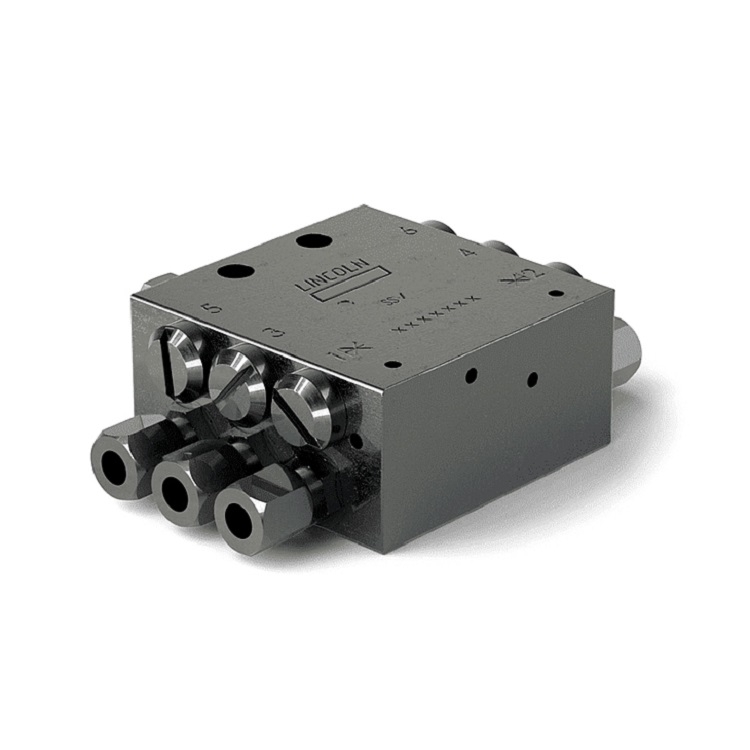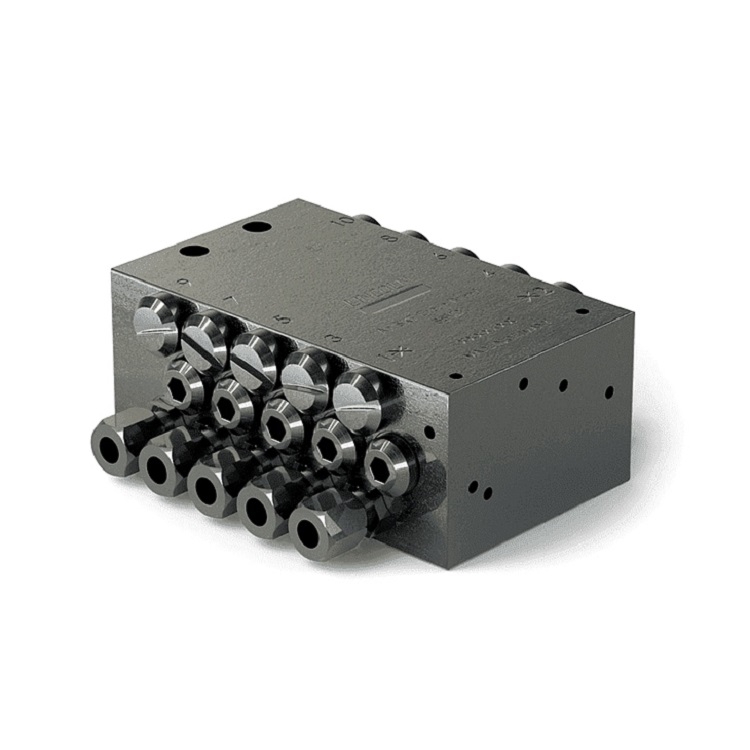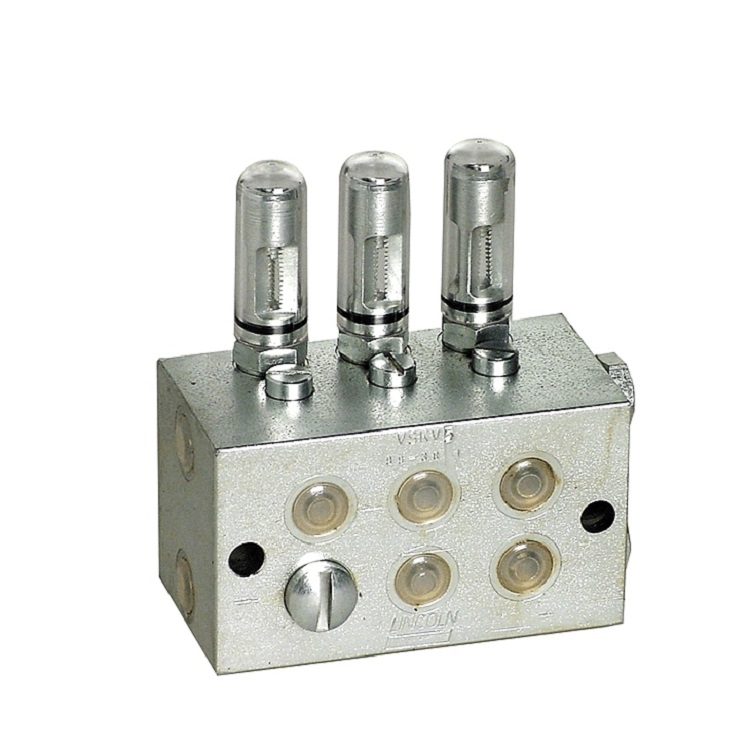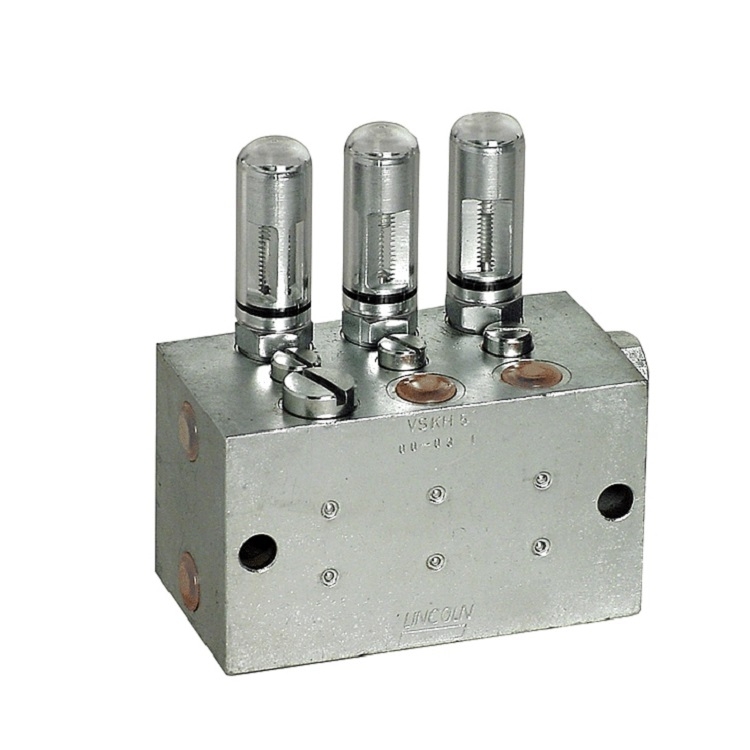








Precision lubrication, minimize waste
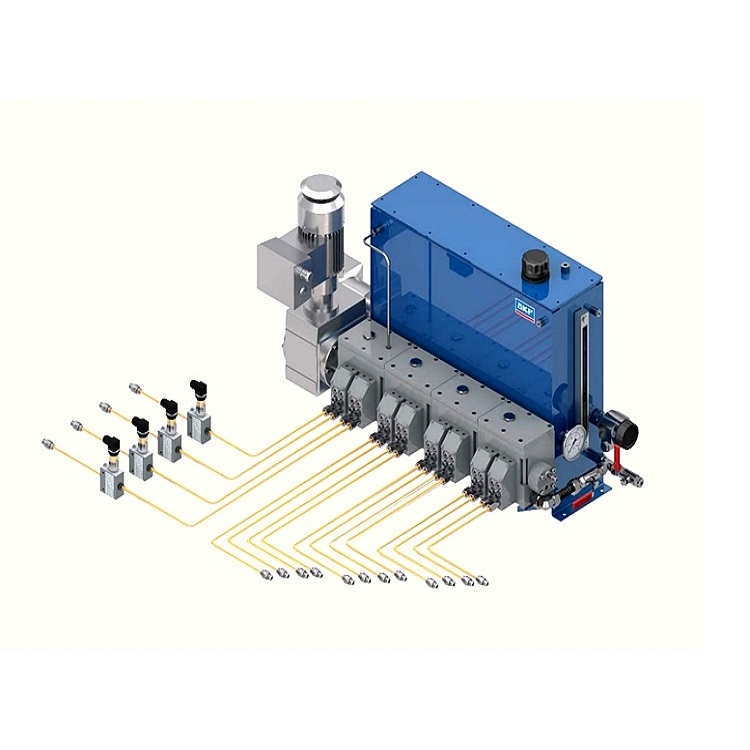
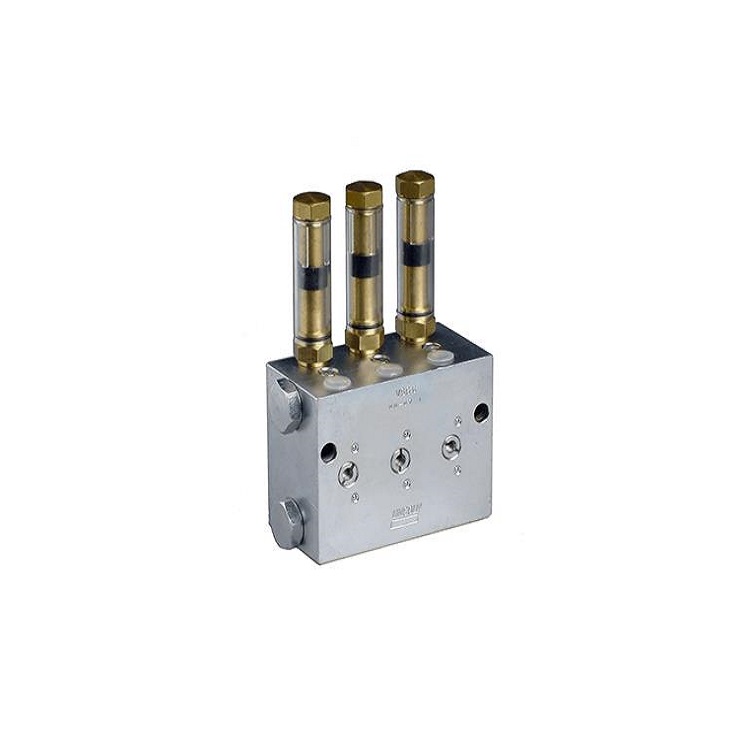
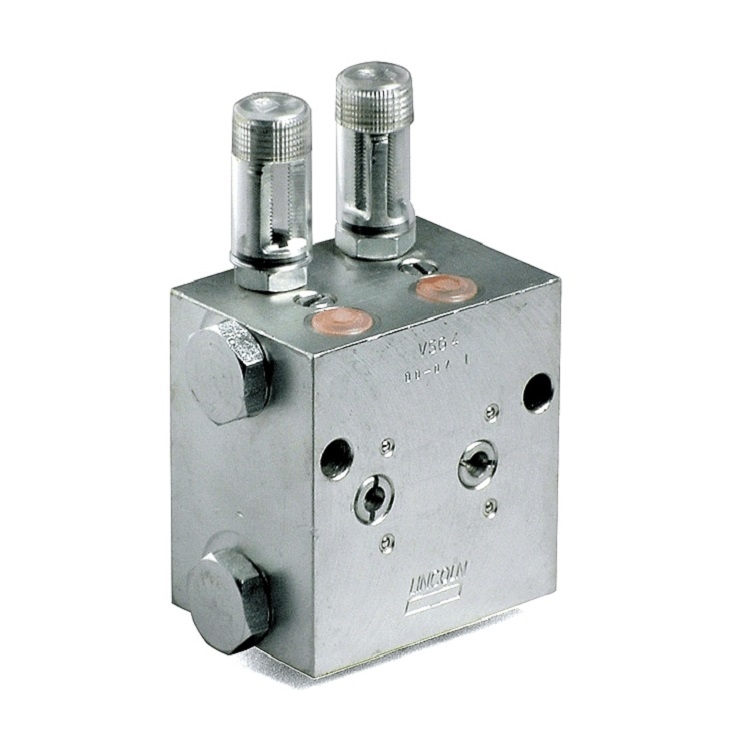
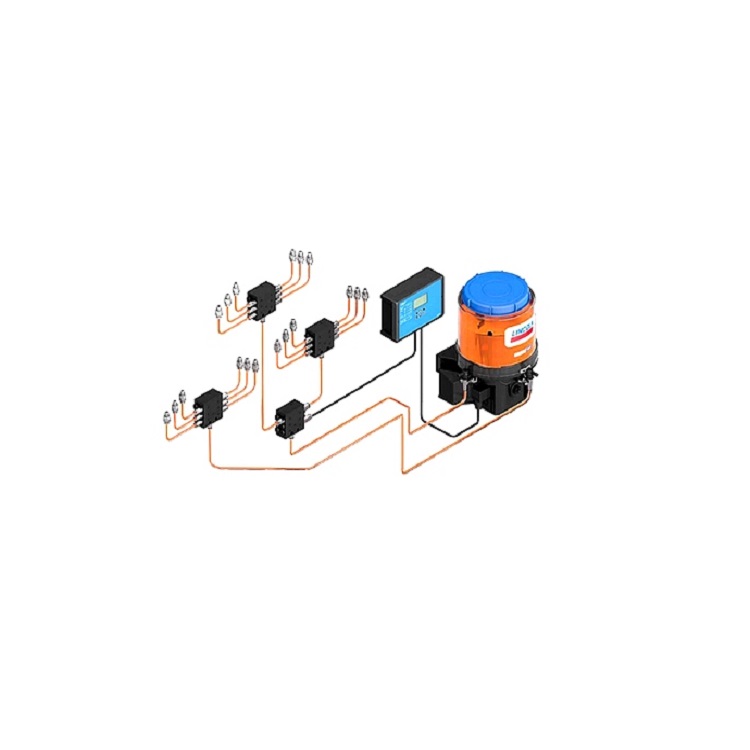
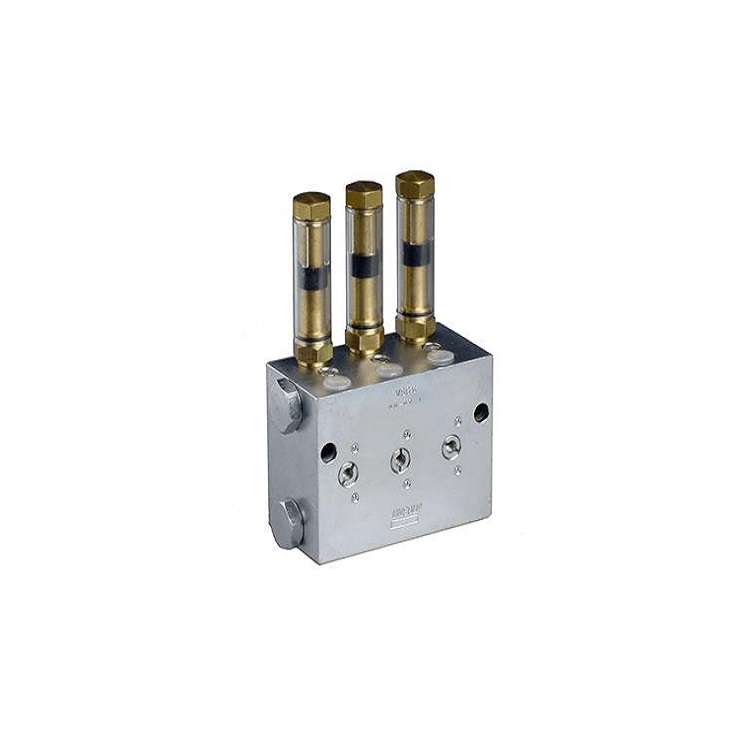
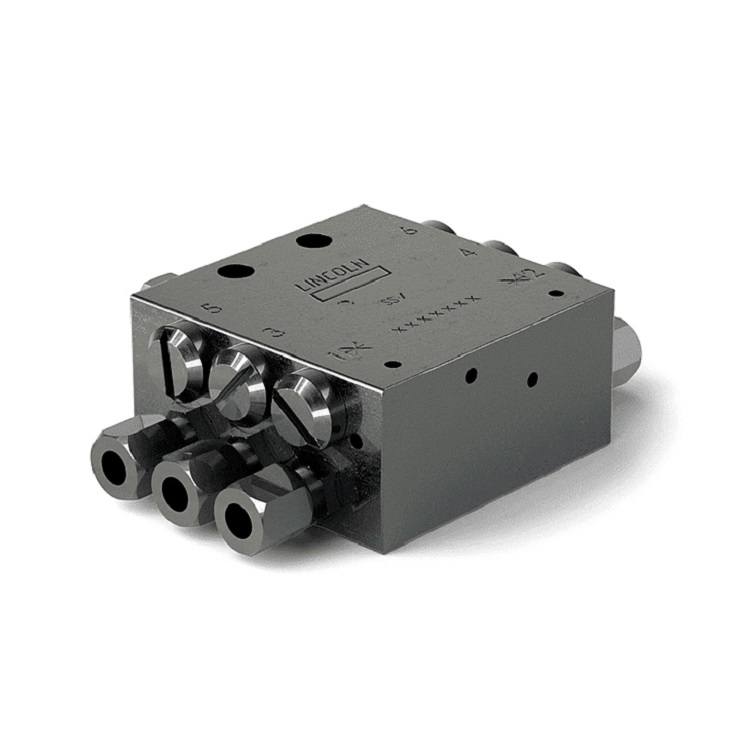
Quantitative Control: Utilizing advanced progressive or single-point lubrication technology, ensures each lubrication point receives the required amount of oil/grease, preventing over or under lubrication.
Customized Solutions: Adjust lubrication volume and frequency according to equipment type (e.g., bearings, chains, gears, etc.) to optimize lubrication effects.
2. Automation and Intelligentization
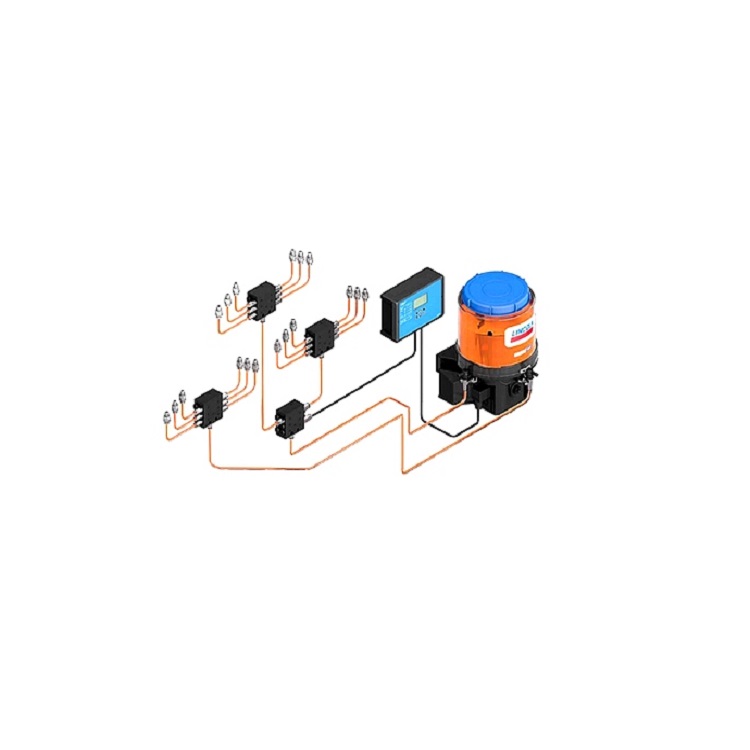
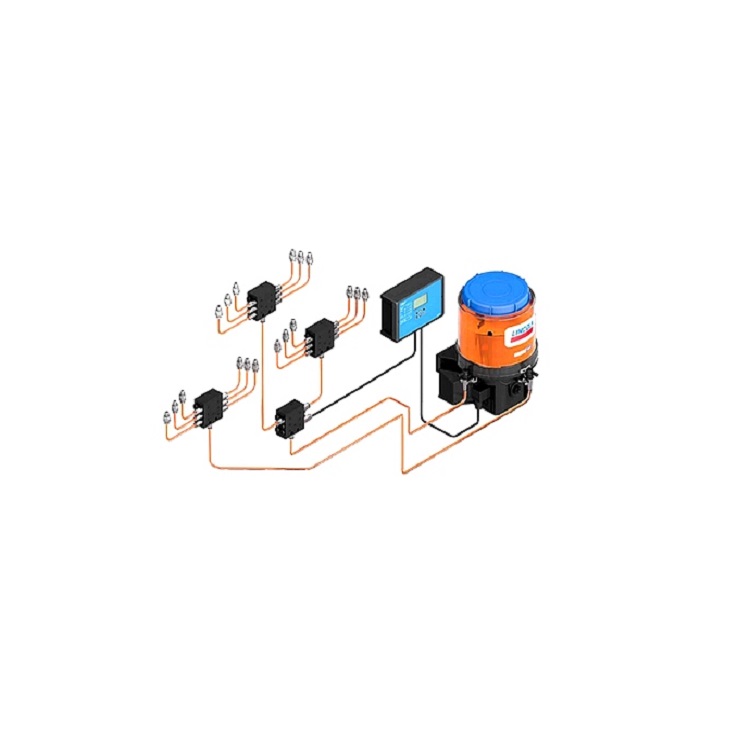
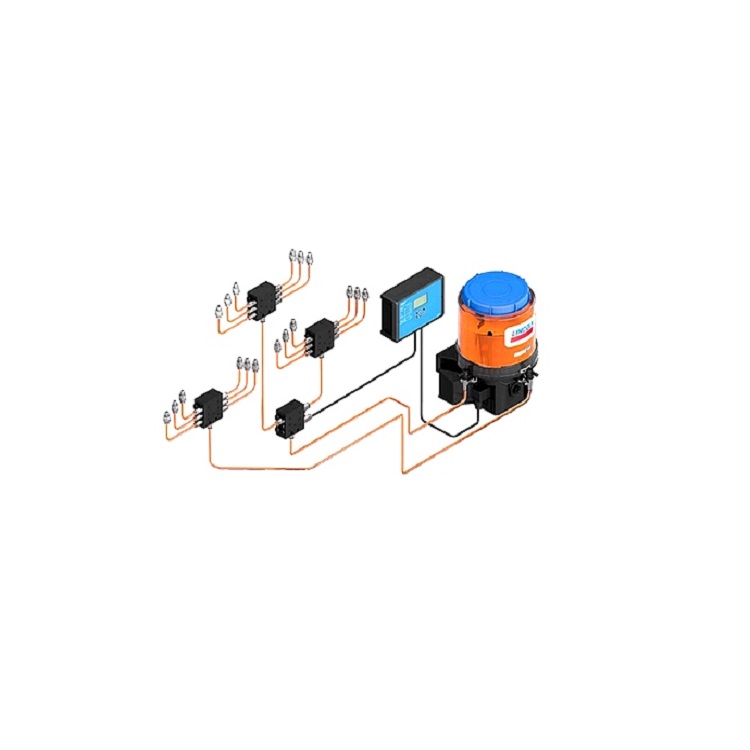
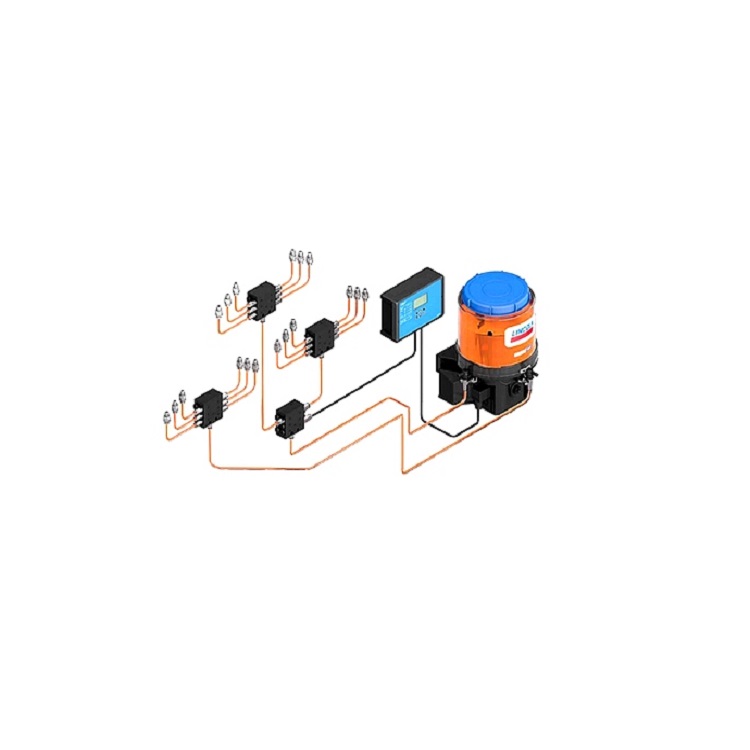
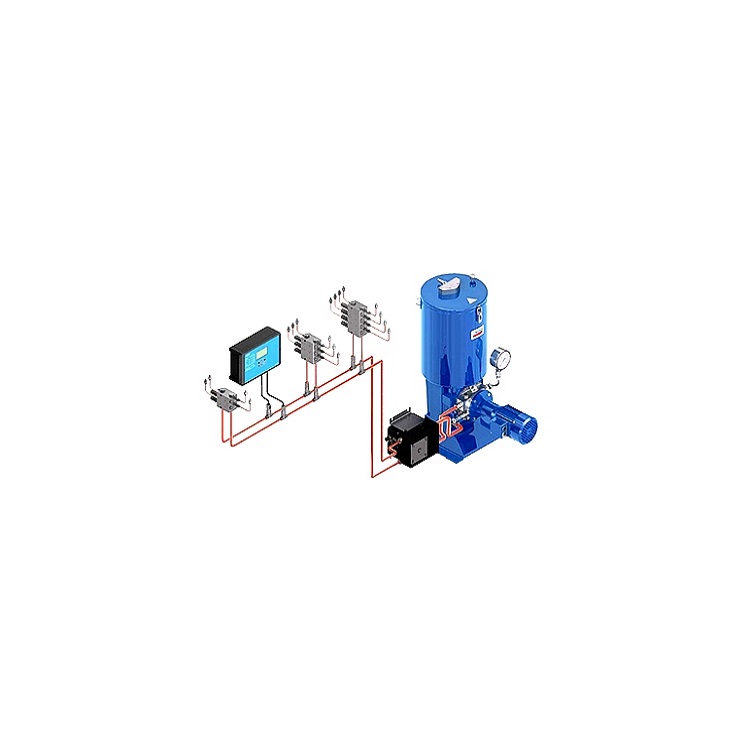
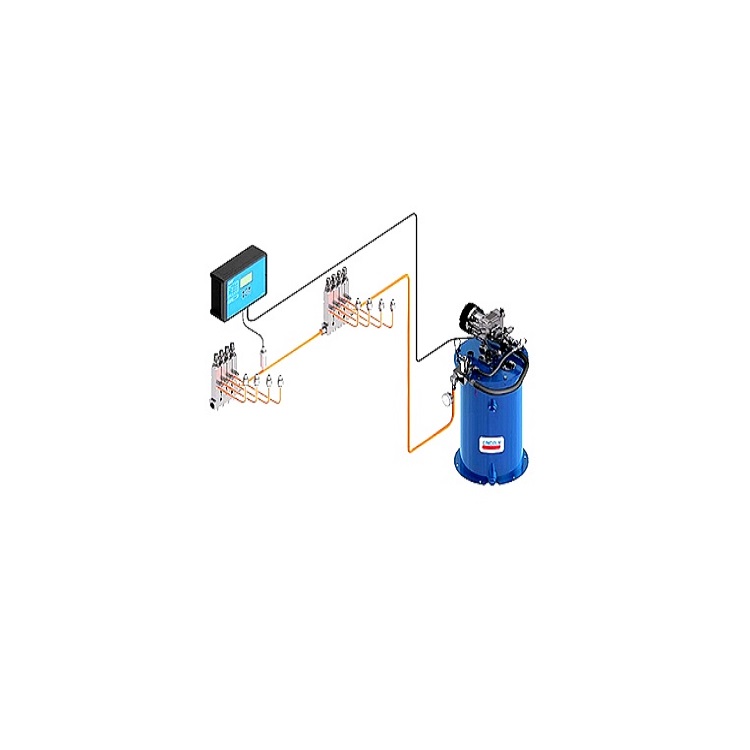
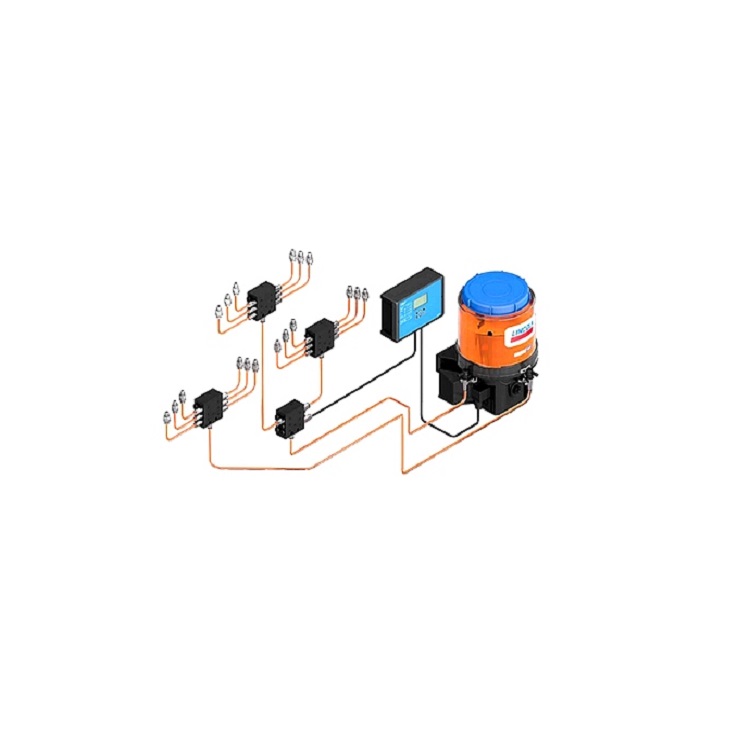
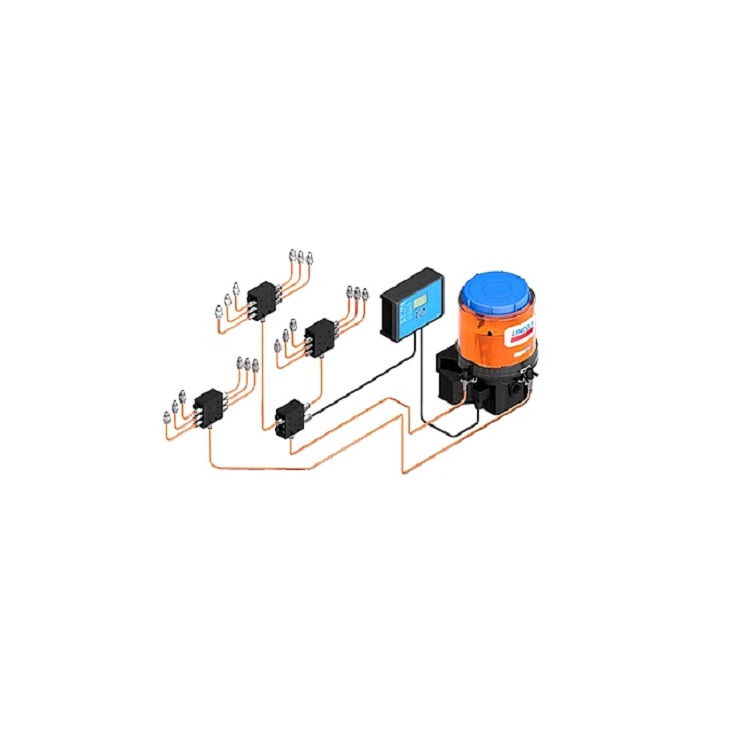
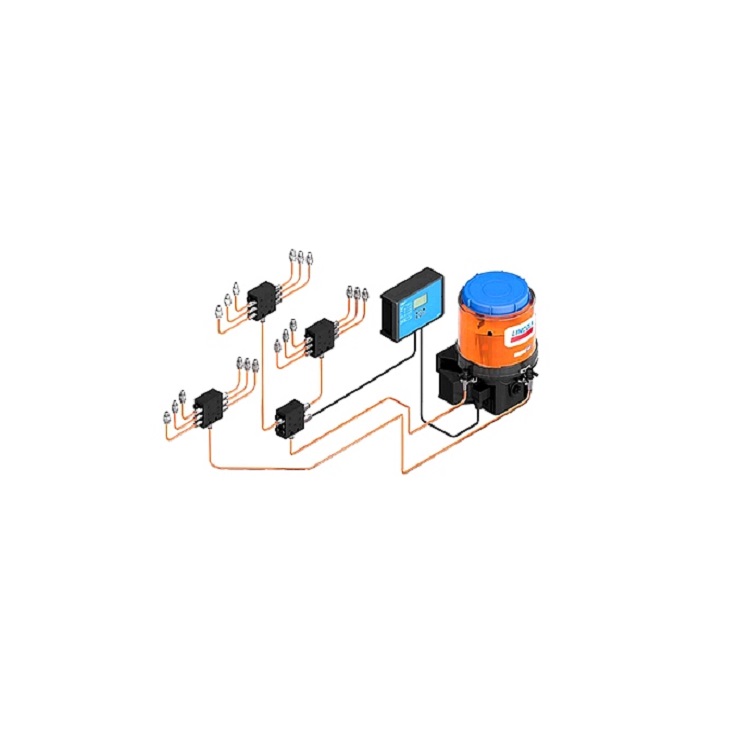
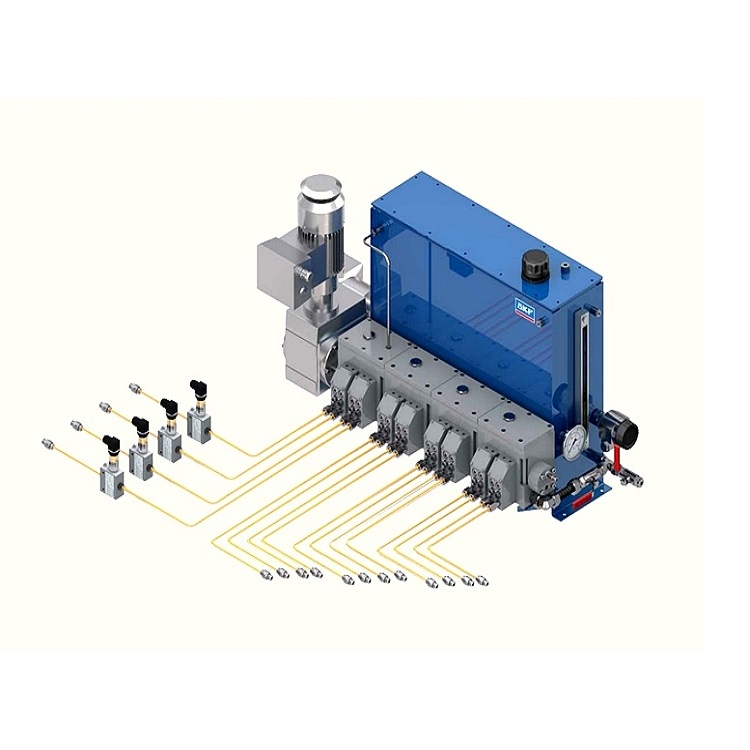
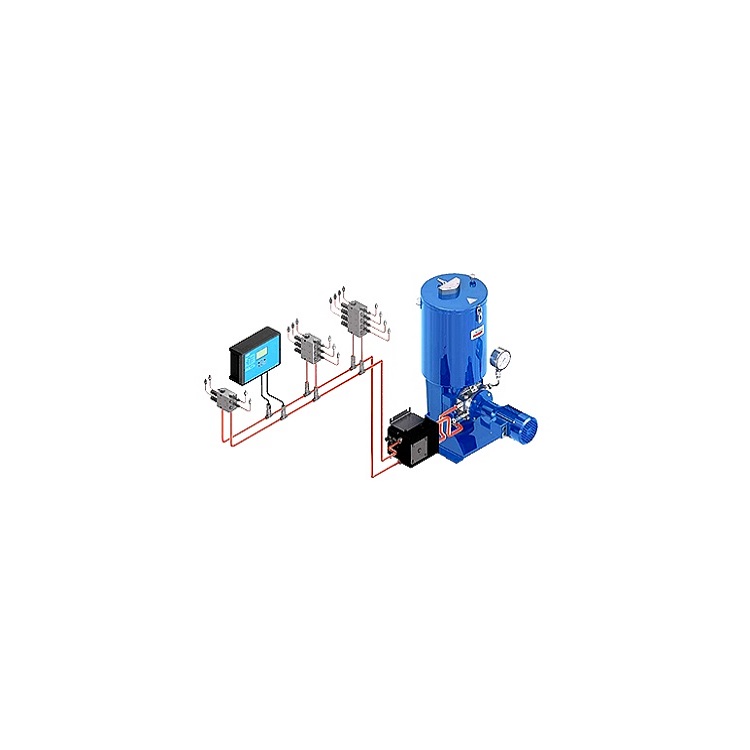
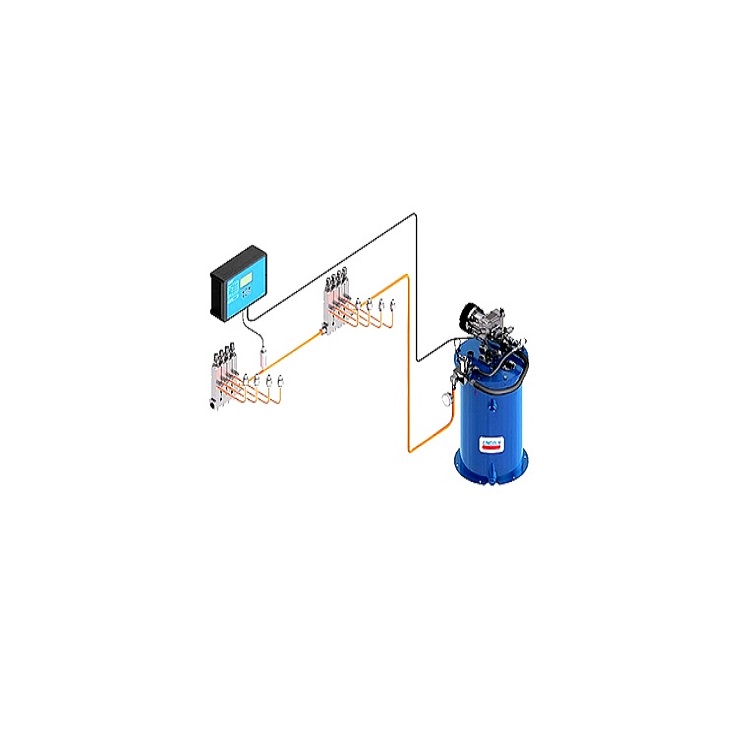
Centralized Lubrication System: Automatically distributes lubricants through a central control unit, minimizing manual intervention, suitable for large equipment or complex production lines.
Intelligent Monitoring: Some systems are equipped with sensors and remote monitoring capabilities, real-time detecting oil pressure, flow rate, and clogging conditions, and providing early warnings for malfunctions (such as the Lincoln Quicklub® system).
Enhance equipment lifespan and reliability
Reduce Friction Wear: Continuous and even lubrication reduces mechanical wear on critical components, extending the service life of the equipment.
Anti-pollution design: Sealed lubrication minimizes dust and moisture intrusion, protecting equipment from operation in harsh environments (such as mines and metallurgy).
4. Energy-saving and environmentally friendly
Reduce Energy Consumption: Optimize lubrication to decrease equipment operating resistance, indirectly saving energy.
Reduce Leaks: High-sealing design and precise delivery minimize lubricant leakage, meeting environmental protection standards.
5. Versatile
Multi-industry Applications: Suitable for diverse working conditions in wind power, construction machinery, food processing, papermaking, and more.
Compatible with various mediums: supports lubricants of different viscosities such as oils and greases.
6. Easy maintenance
Modular design: Facilitates quick component replacement, reducing downtime.
Visual Indications: Some systems are equipped with pressure gauges or electronic alarms for ease of troubleshooting by maintenance personnel.
Typical Application Scenarios
Wind Power Industry: Provides stable lubrication for wind turbine bearings to withstand temperature fluctuations.
Steel mill: Protect rolling machines, conveyors, and other equipment in high-temperature, dusty environments.
Food Packaging: Utilizes food-grade lubricants, meets hygiene standards.
Summary
The core value of Lincoln's lubrication system lies in its precise, automated, and reliable lubrication management, which helps users reduce maintenance costs, improve equipment efficiency, and adapt to harsh industrial environments. Its technical advantages are particularly prominent in industries requiring long-term continuous operation. For specific model details (such as the Lincoln SKF cooperative series), please provide further clarification.