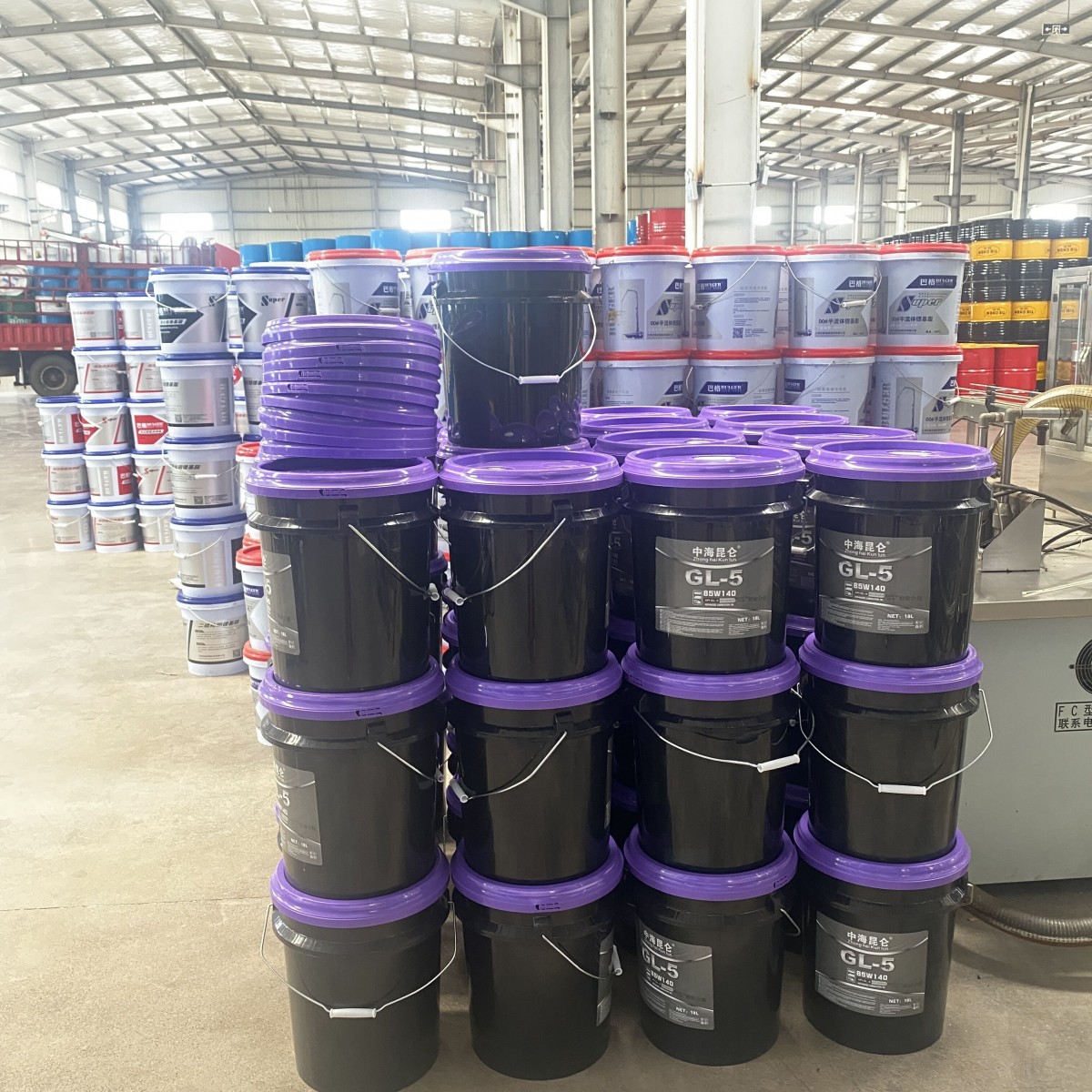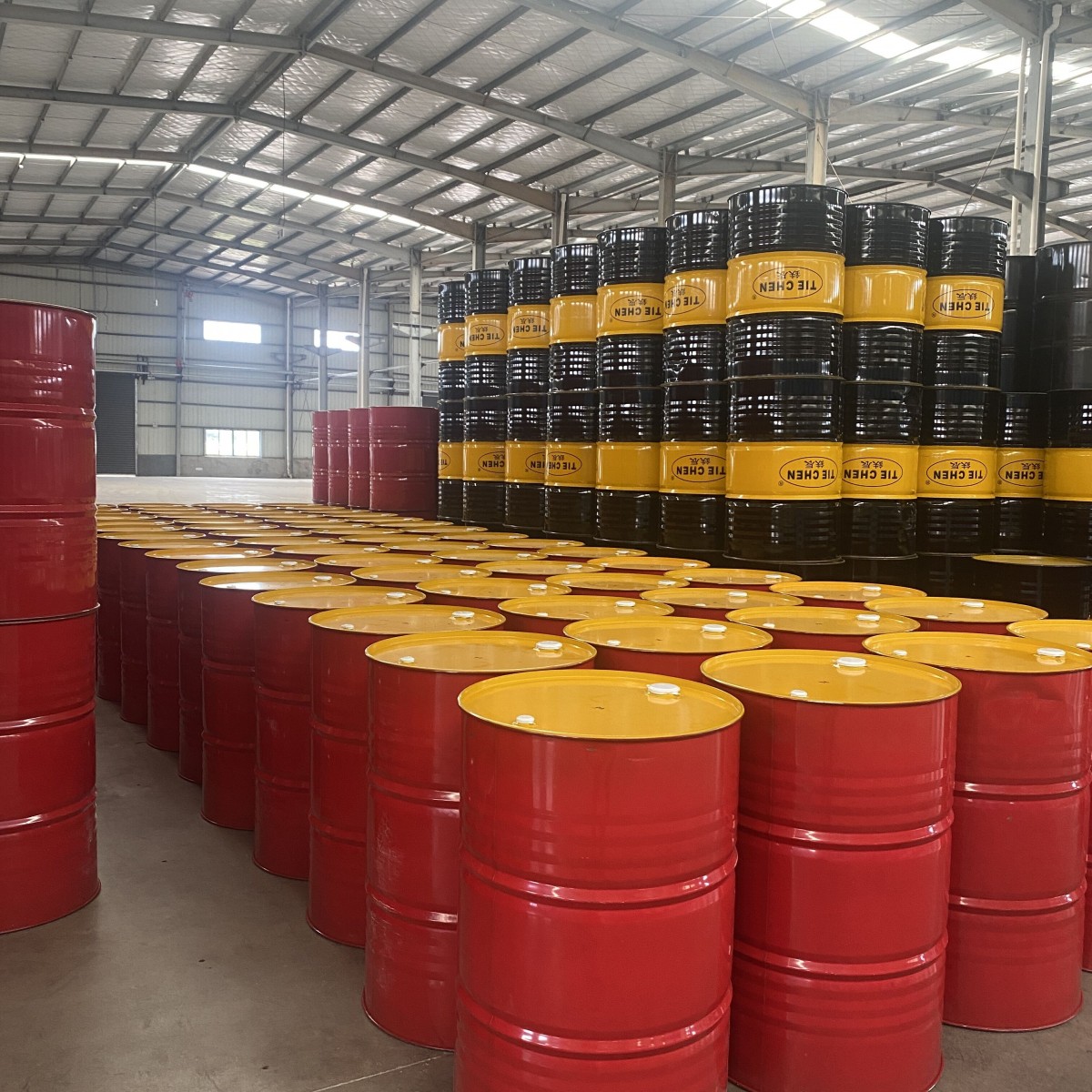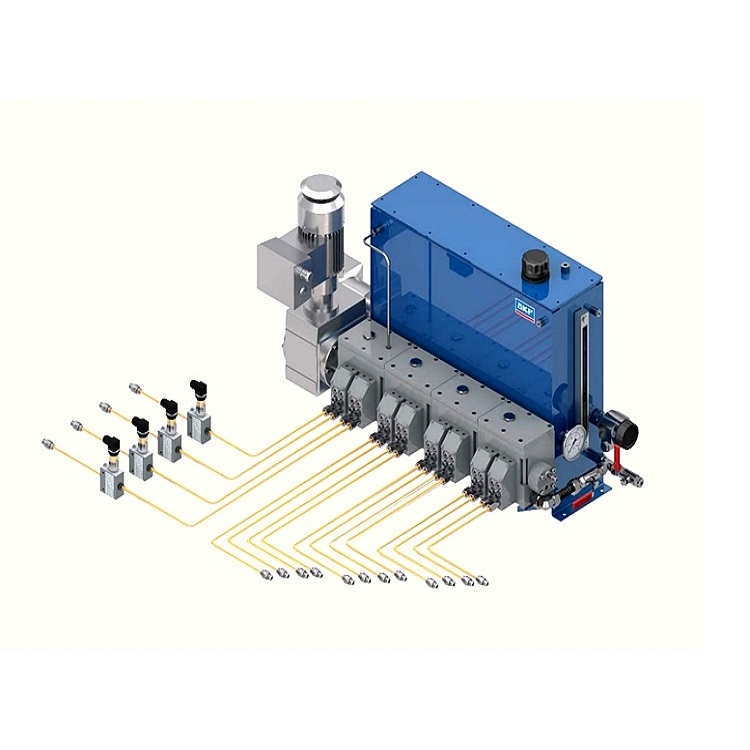










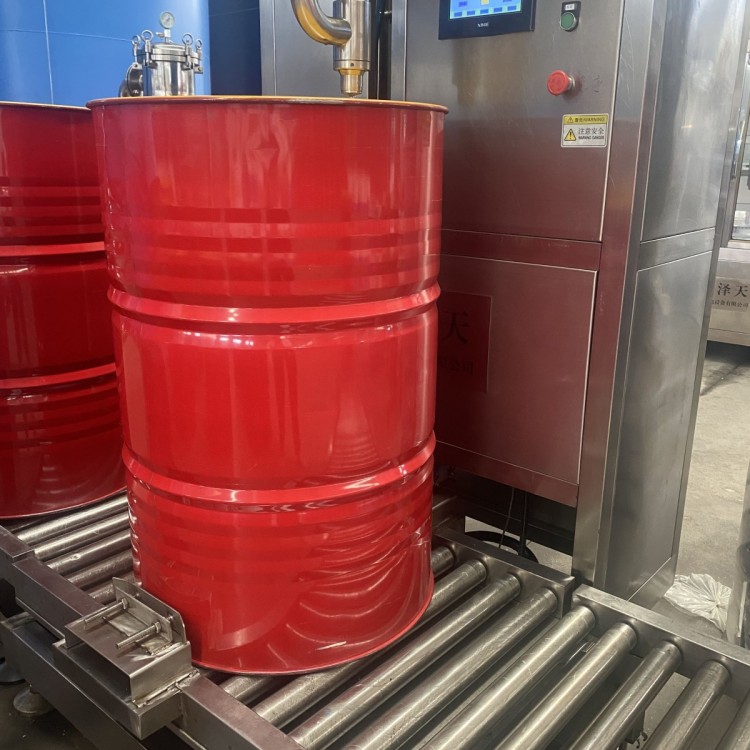
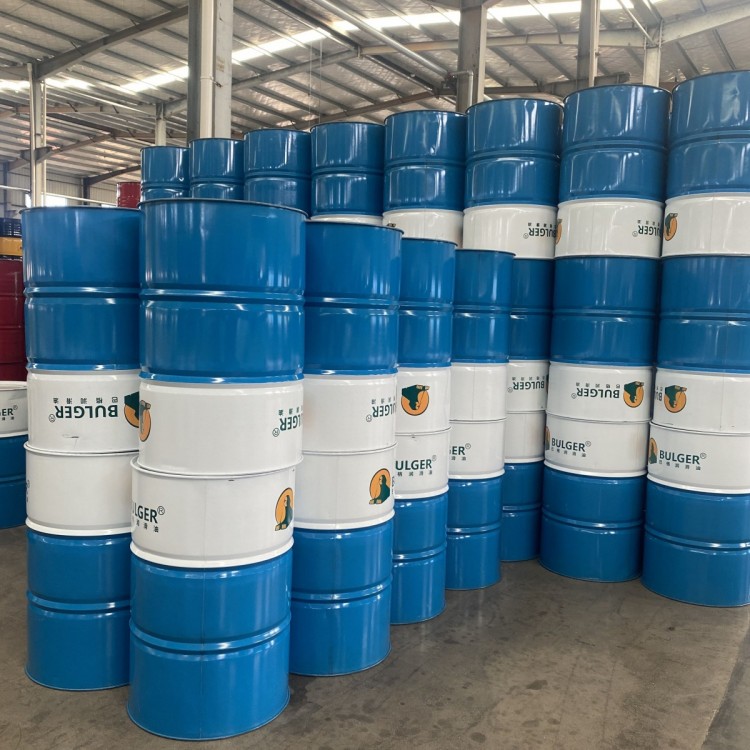

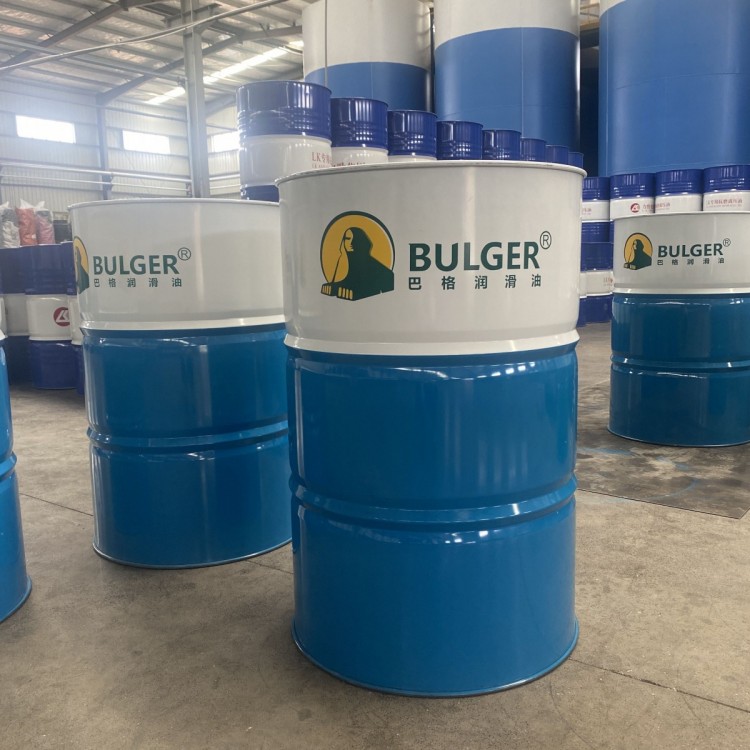

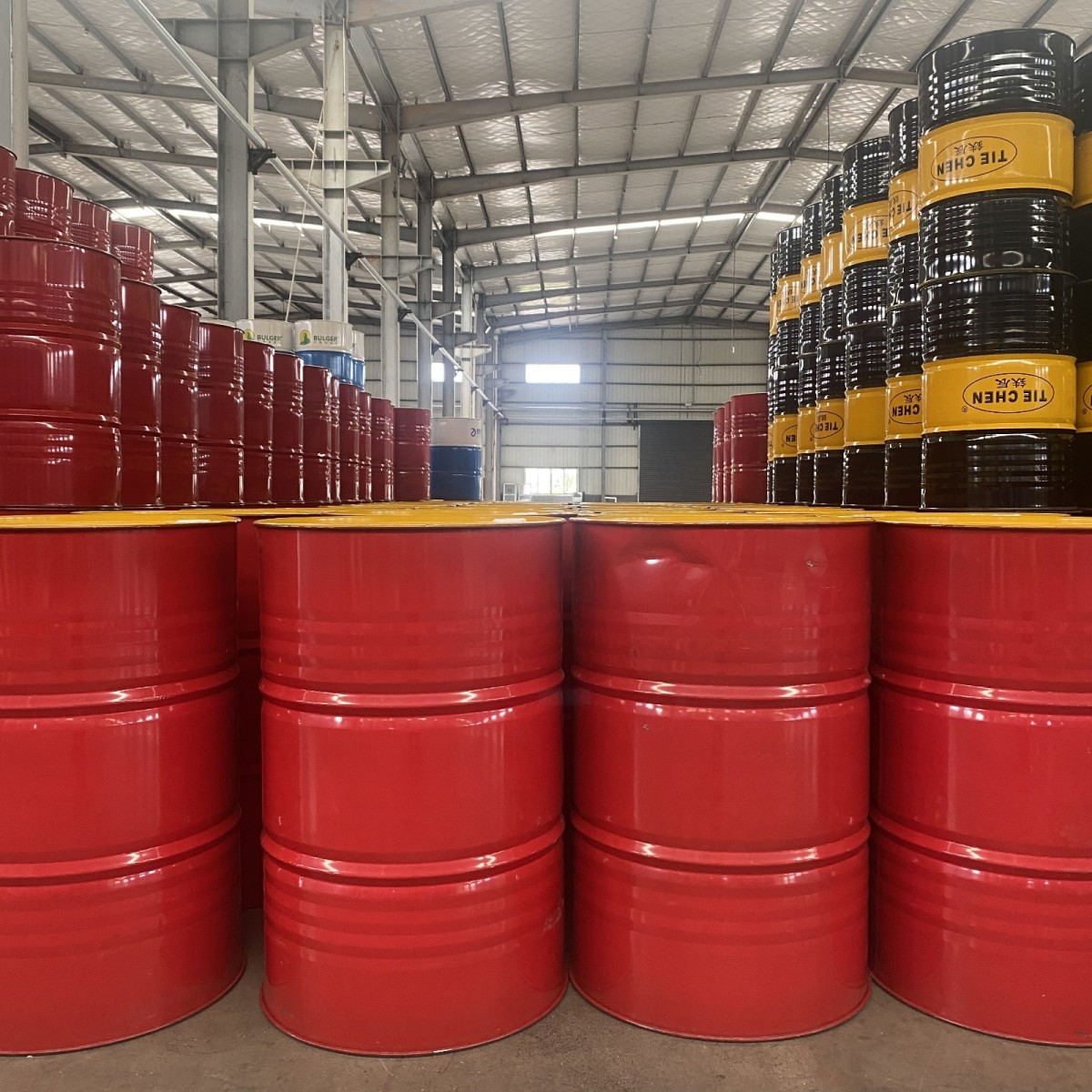
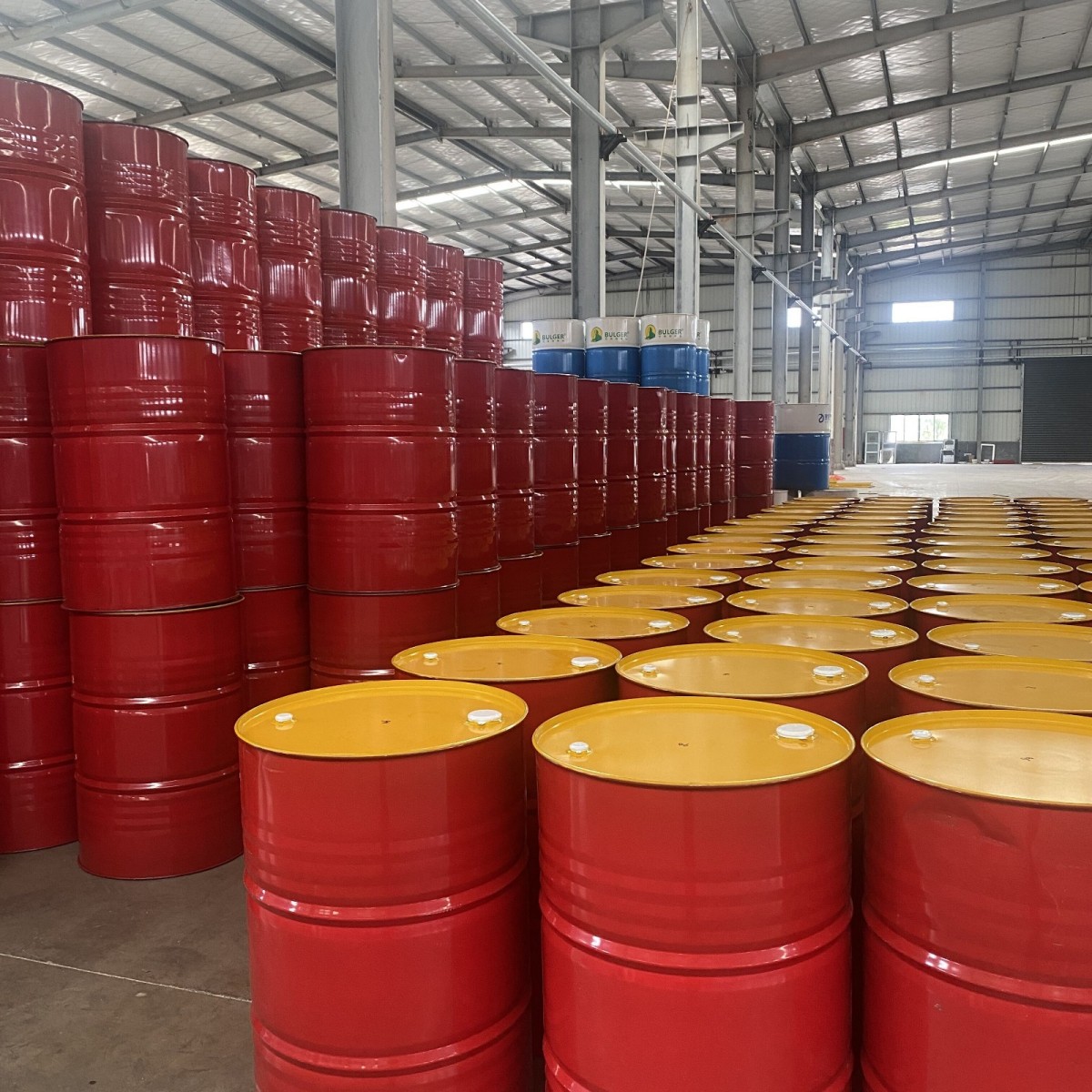
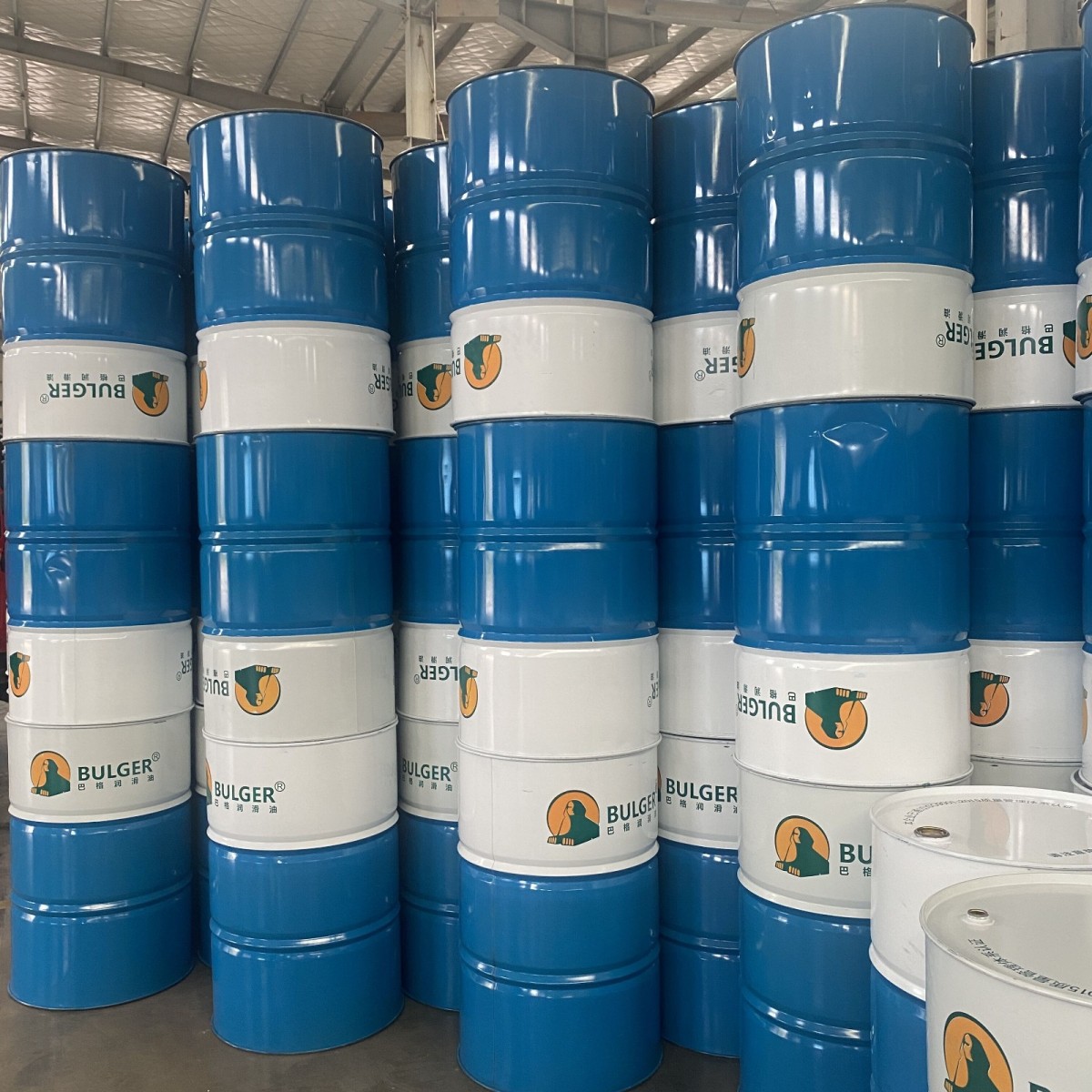
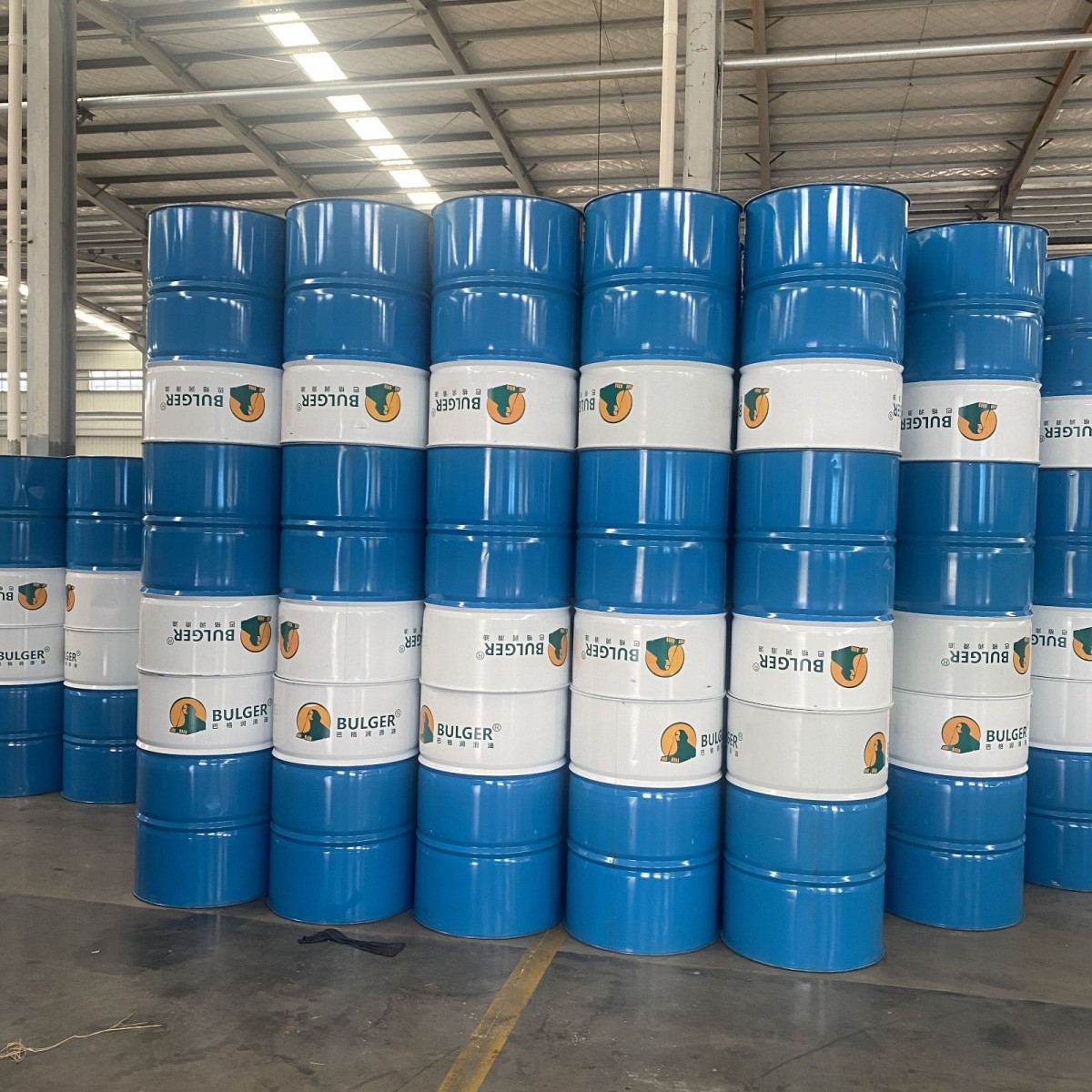
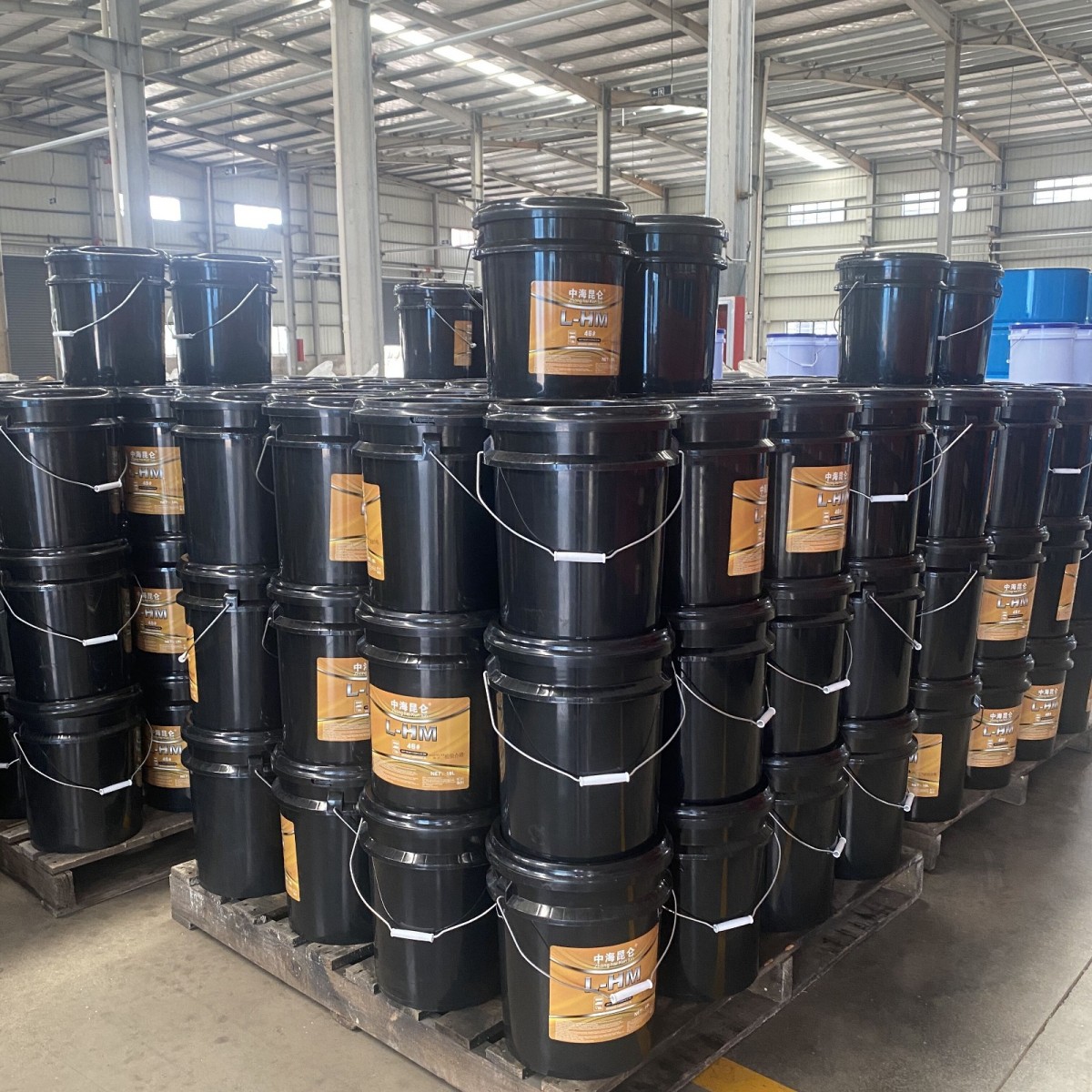
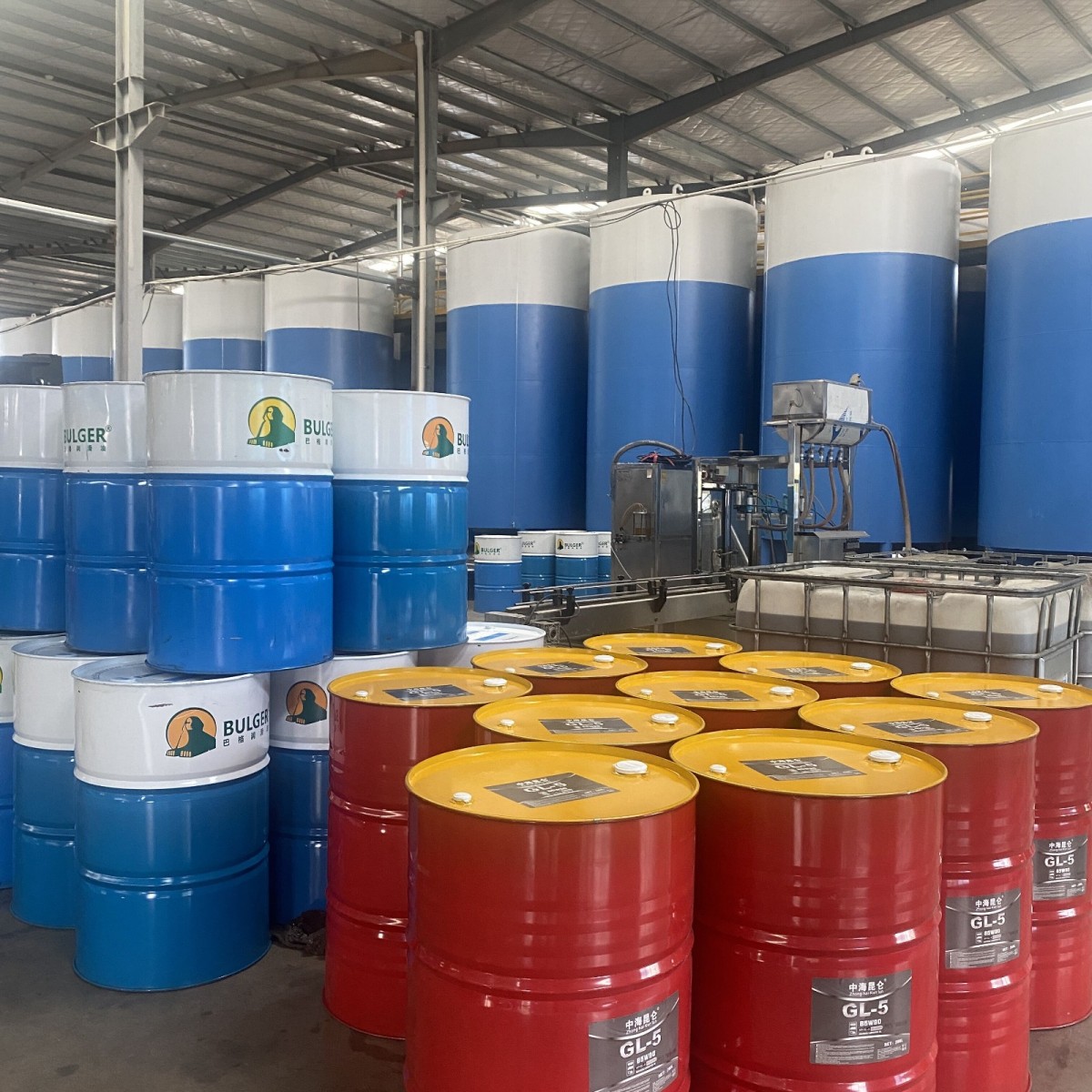
Jiangxi Bagu Lubricating Oil Technology Co., Ltd. is a professional manufacturer of anti-wear hydraulic oils. This series of products is formulated using world patented technology—refined paraffin base oil through isomer dewaxing and supplemented with a variety of high-performance additives. Its quality exceeds international L-HM grade quality standards and the stringent requirements of hydraulic systems—German DIN 5124 PART 2-HLP level, making it a long-life super anti-wear hydraulic oil.
Key Advantages: 1. Reduced Equipment Maintenance Costs: Contains high-efficiency extreme pressure anti-wear additives, effectively controlling gear and bearing wear under heavy load conditions for long-term use, providing a long service life for hydraulic pumps, and reducing the frequency of maintenance. 2. Stable Hydraulic System Pressure: Excellent anti-foaming and air release properties better meet the lubricating oil circulation requirements, ensuring accurate power transmission, minimizing micro-vibrations, and avoiding surface wear due to lubricating film defects. 3. Excellent Anti-Emulsification and Hydrolytic Stability: Rapidly separates water, making it suitable for lubricating hydraulic equipment operating in damp conditions. 4. Excellent Rust and Corrosion Resistance: Provides surface protection for bearings, circulating pipelines, and oil tanks, preventing rust or corrosion, with zero copper sheet weight loss, suitable for use in vane pumps or steel-copper friction pairs in axial piston pumps. 5. Long Service Life: Excellent oxidation stability ensures no oil sludge under long-term high-temperature operation, preventing filter blockage and better protecting the system's cleanliness, smooth operation, and performance. Mainly used in heavy-duty, high-temperature, and high-pressure hydraulic systems, widely used in large-scale injection molding machines, forming machines, die casting machines, high-tonnage press brakes, and the use of vane pumps and piston pumps with steel-copper friction pairs.




Basics of Industrial Lubricating Oils
There are lubricants based on base oils, with industrial lubricants including hydraulic oil, gear oil, turbine oil, compressor oil, refrigerating oil, transformer oil, vacuum pump oil, bearing oil, metalworking oil (liquid), rust-proofing lubricants, cylinder oil, heat treatment oil, and heat-conducting oil, among others. Additionally, lubricating greases containing thickeners are also included. Users of industrial lubricants are businesses across various industries, typically requiring a wide variety of types and large quantities. The choice is not solely based on product price but also on quality and technical characteristics, as well as the quality of technical services. Therefore, technical marketing of industrial lubricants is even more crucial.
Equipment and machinery configurations are relatively concentrated among businesses that use industrial lubricants. Therefore, targeted technical seminars are more necessary. This is also the primary form of pre-sales technical service.
Hydraulic oil, as a medium for energy transmission, can transfer power in hydraulic drive systems. It reduces friction, prevents wear on surfaces, suspends contaminants, controls oxidation of components, and has a cooling effect. Different hydraulic systems have varying types of structures and operating conditions. To meet the requirements of various systems, hydraulic oil must possess certain properties, such as viscosity, viscosity index, relative density, wear resistance, low-temperature performance, acidity, flash point, oxidation stability, emulsification resistance, hydrolysis stability, foaming tendency, air release properties, shear stability, rust prevention, and filterability. According to GB11118.1-94, hydraulic oils are categorized based on composition and application into the following types, each with different viscosity grades.
HL hydraulic oil is formulated from highly refined, neutral base oil with antioxidant and rust preventative additives for general machine tool hydraulic equipment. It is designed to reduce component wear, lower temperature rise, and prevent rust. HM hydraulic oil, made from highly refined base oil with a viscosity index greater than 95 and added antioxidant, rust preventative, and anti-wear agents, offers excellent anti-wear properties and is suitable for high-speed, high-pressure hydraulic systems.
Industrial Lubricant Usage: Problems and Solutions I. Hydraulic Oil Issues and Solutions
What are the causes of hydraulic oil particle contamination? What are the hazards? What are the prevention methods?
Powder 1 Cause: The reasons for hydraulic oil particle contamination are twofold: one is from external introduction, and the other is generated during the working process. 1 Dust from the atmosphere is introduced through the oil tank breathing hole, and 1 metal particles are produced due to wear on moving parts.
2 Sludge and sediments caused by chemical changes of hydraulic oil mixed during transportation and storage processes 3 Presence of hydraulic system components
Clog Filters, 2 Hazards caused by 3 Incompatibility between seals, gaskets, and hydraulic oil: A Adhesion. Servo Valve: B Increase wear on pumps and moving parts; C Accelerate the aging and degradation of oil; D Clog the suction coarse filter, causing cavitation in the pump. 3 Prevention Methods: A Ensure the oil tank is sealed and dust-proof, or install breathing holes with air filters; B During the storage and transportation of waste oil, always prevent dust and water; C The system must have a filter to remove contaminants in a timely manner, preferably with a filter with an indicator signal, and the oil tank bottom should be equipped with a magnetic trap. D Install and regularly inspect and clean the coarse filter at the pump intake. E Add a protective cover to the cylinder and rod sealing area, or use blowing to prevent dust.
But there is a significant difference in types. Can two mineral hydraulic oils of the same viscosity be used interchangeably in a high-pressure system requiring wear-resistant hydraulic oil? No. Although they have the same viscosity, L-HH or L-HL oils cannot be used as substitutes; otherwise, it will lead to premature failure of the equipment oil pump and operational malfunctions. Similarly, the L-HV and L-HS oils required for hydraulic systems in cold regions cannot be replaced with oils of the same viscosity grade, L-HM, as this may cause difficulties in cold starts and other issues.