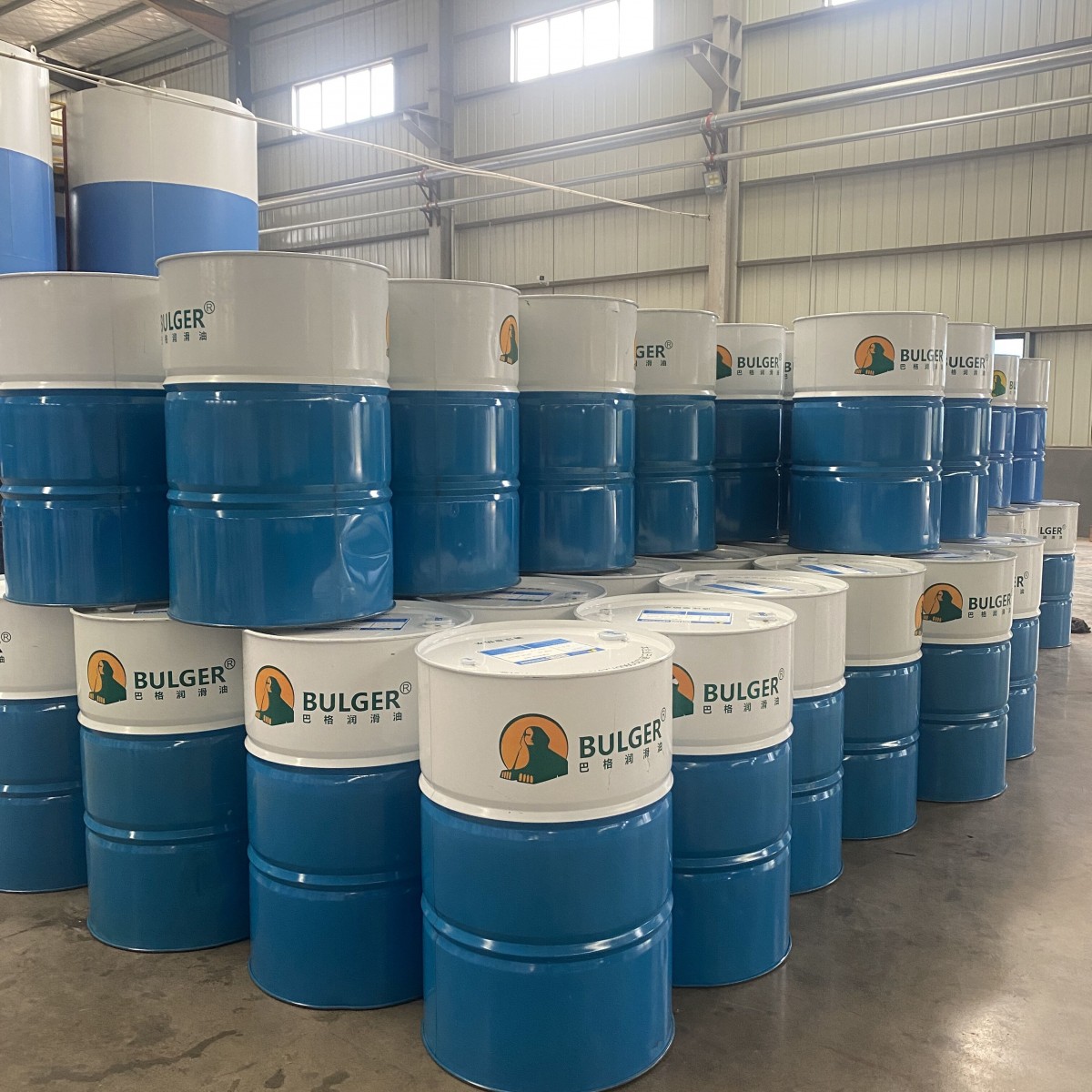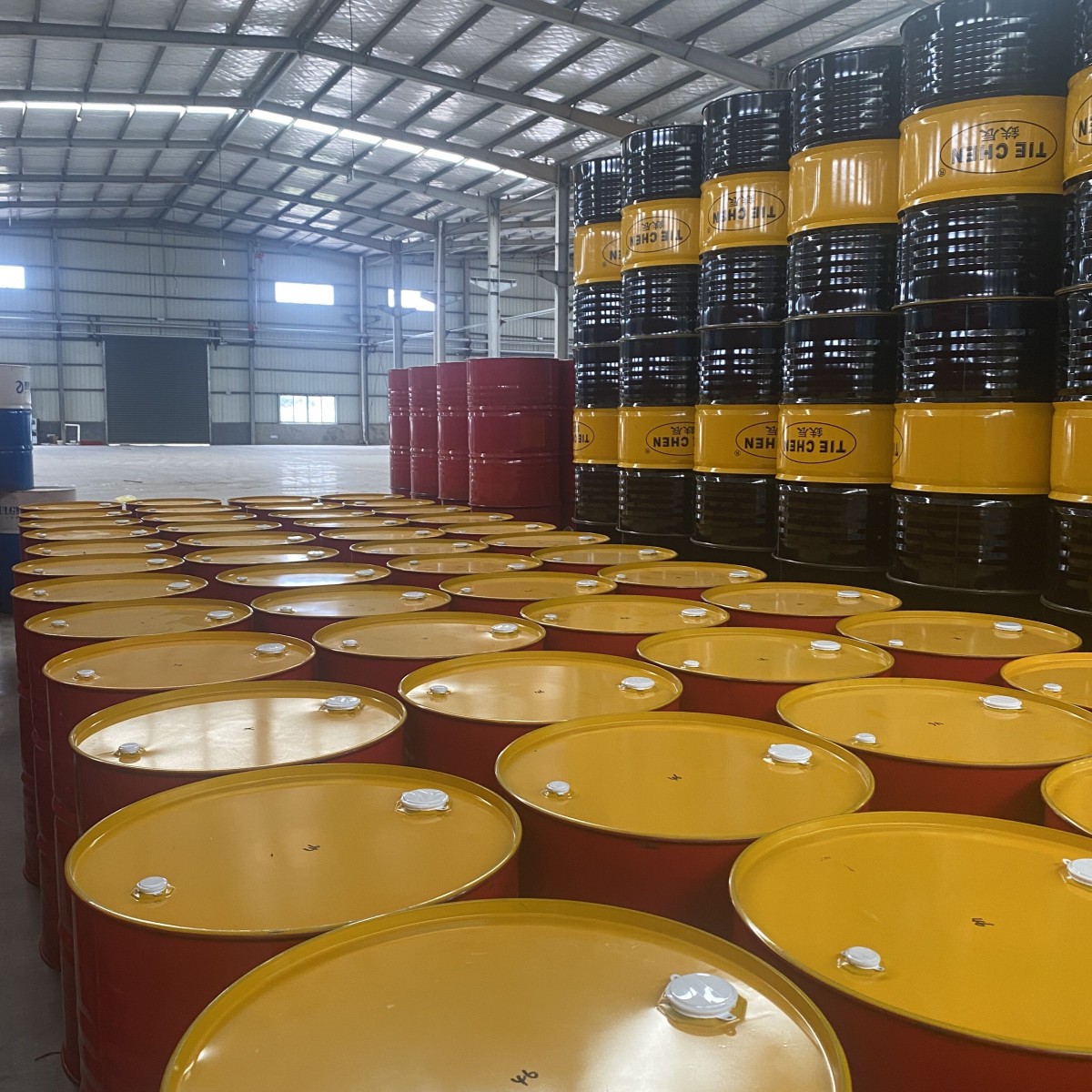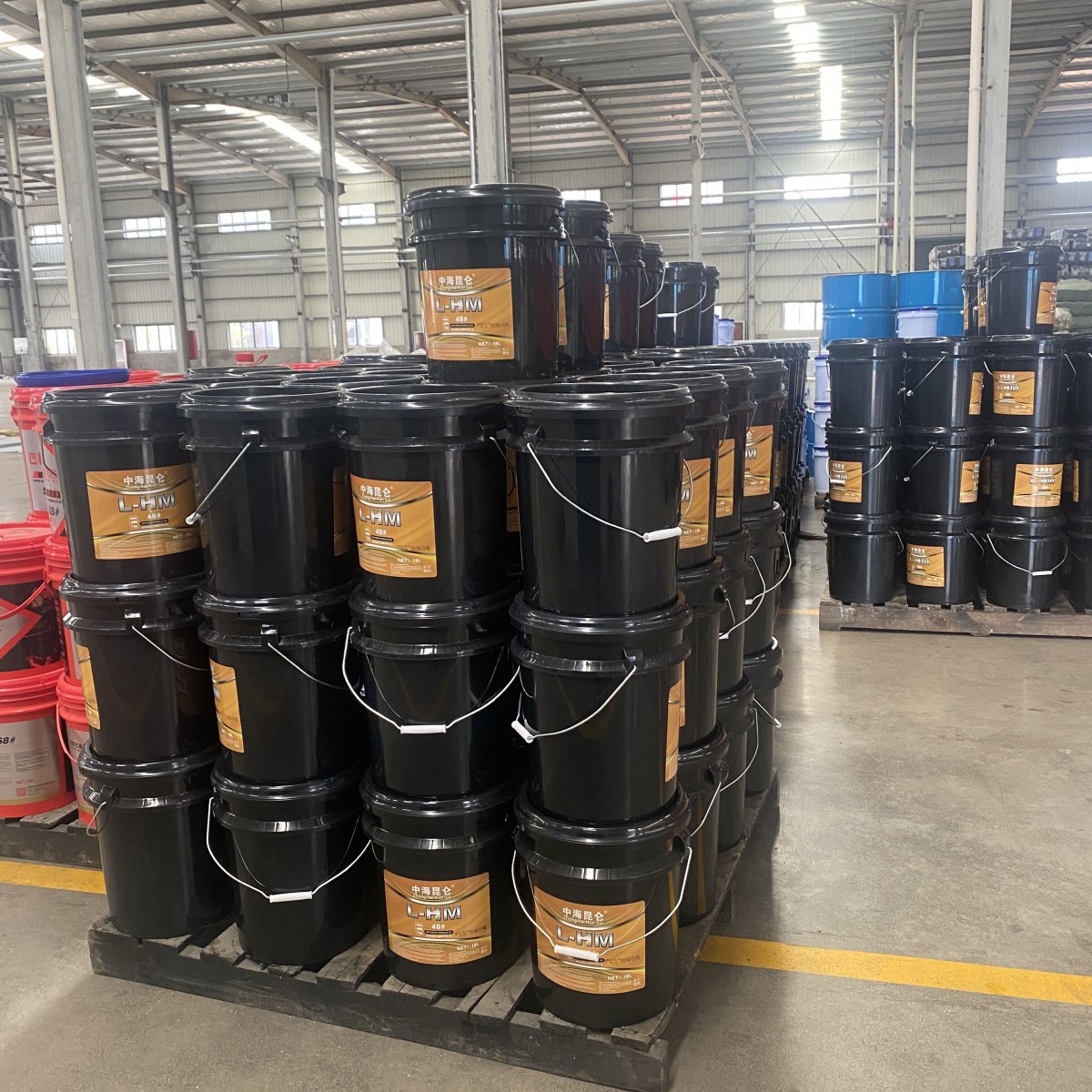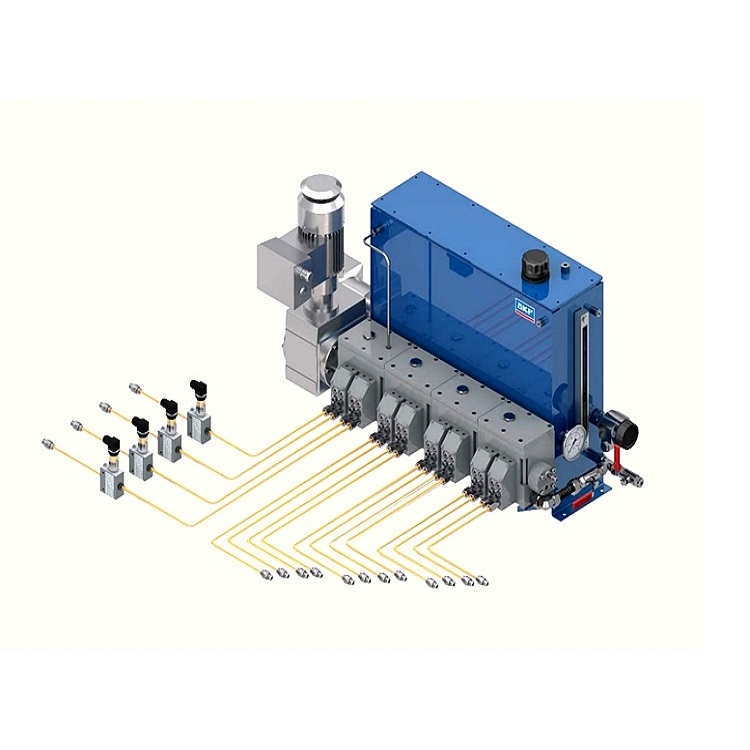

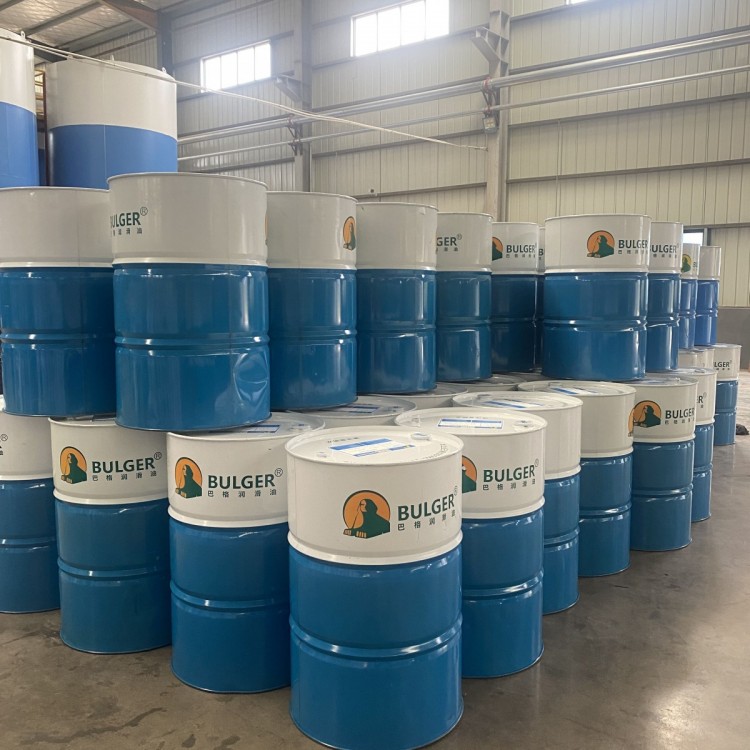

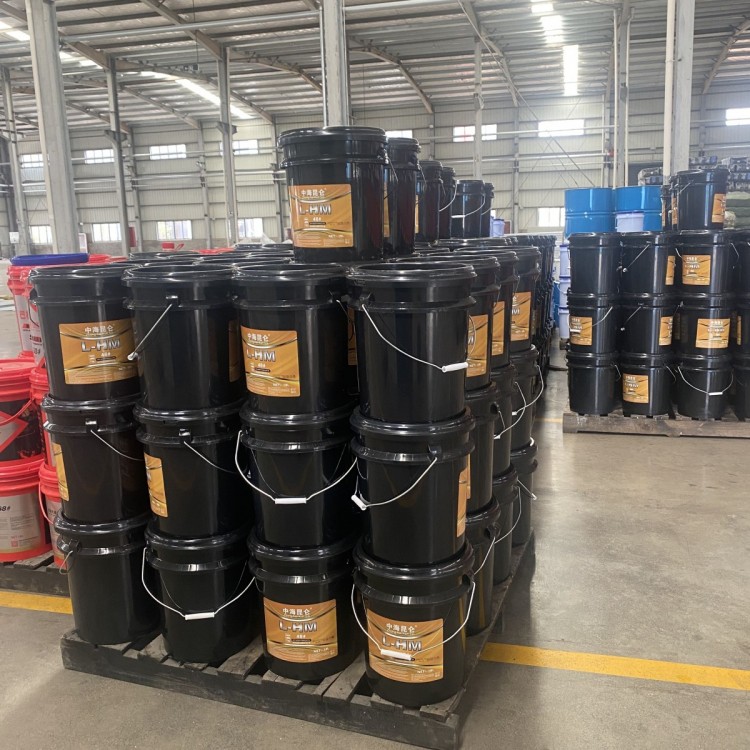








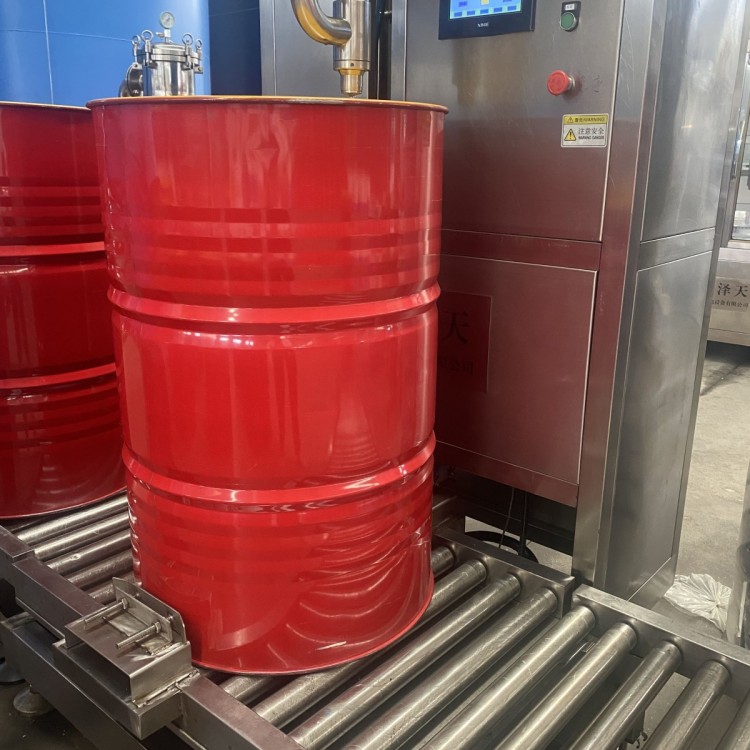
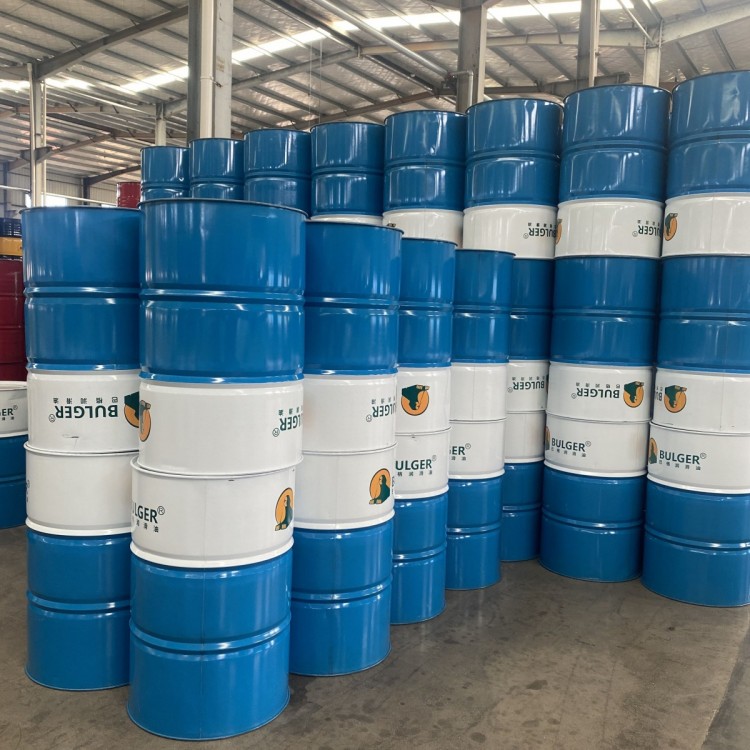

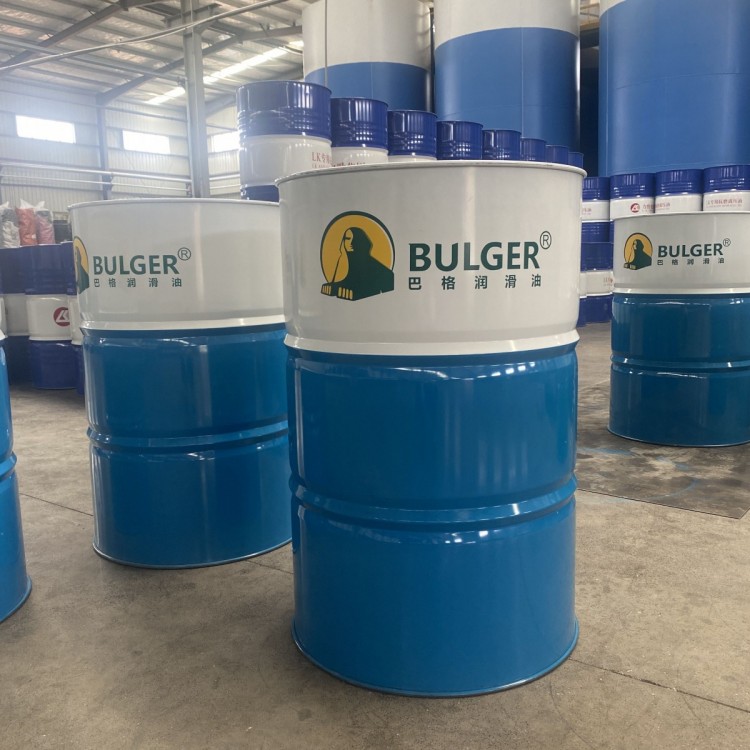

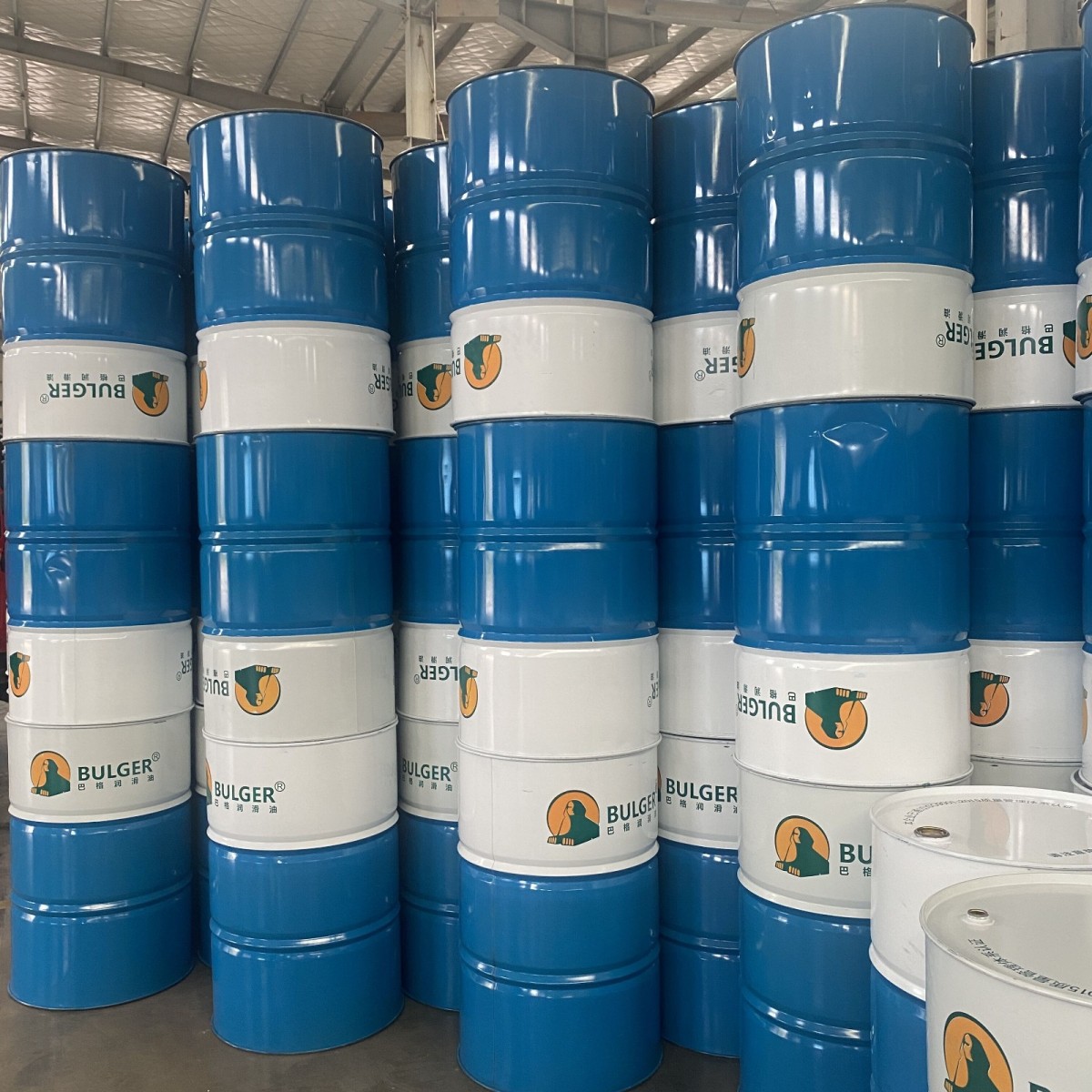
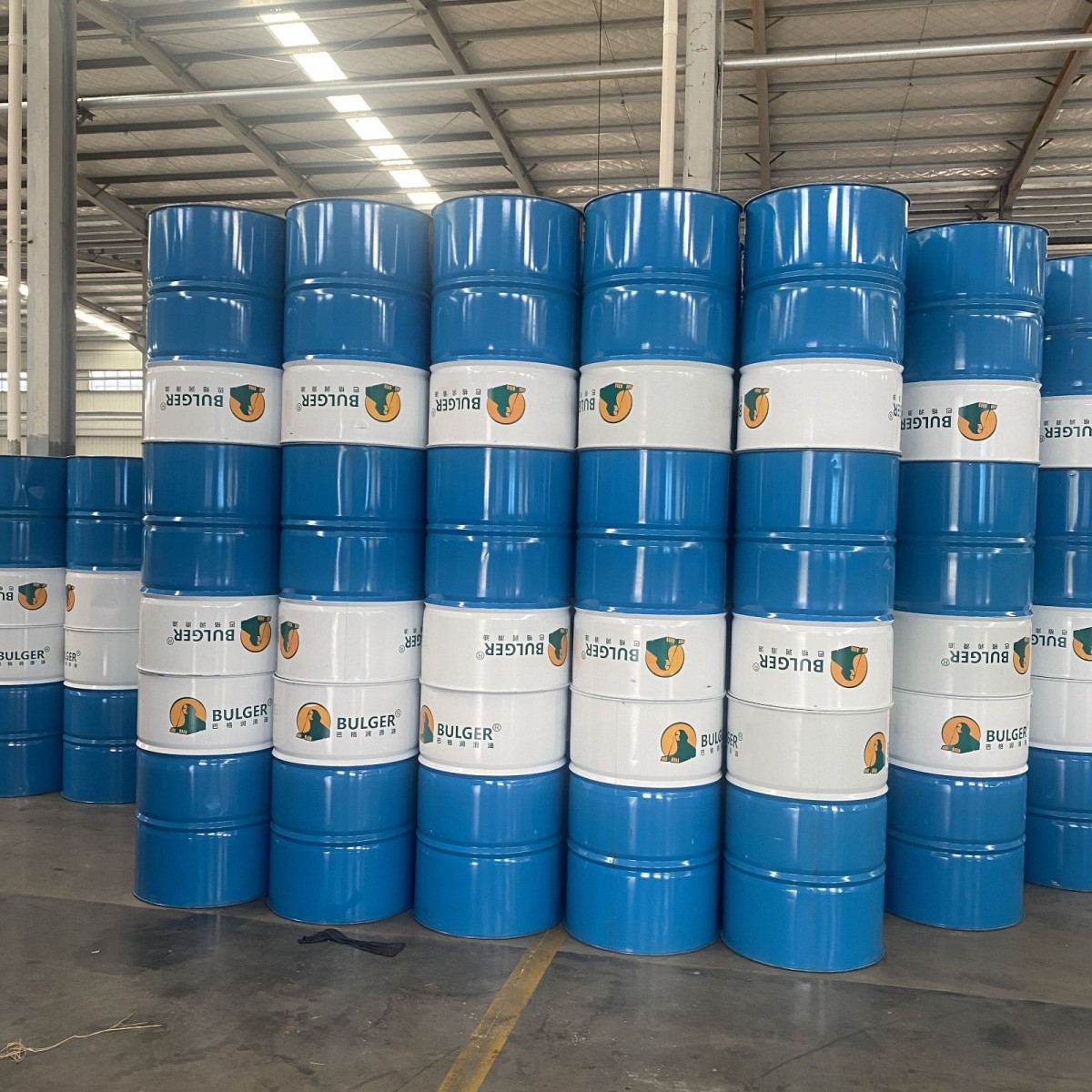
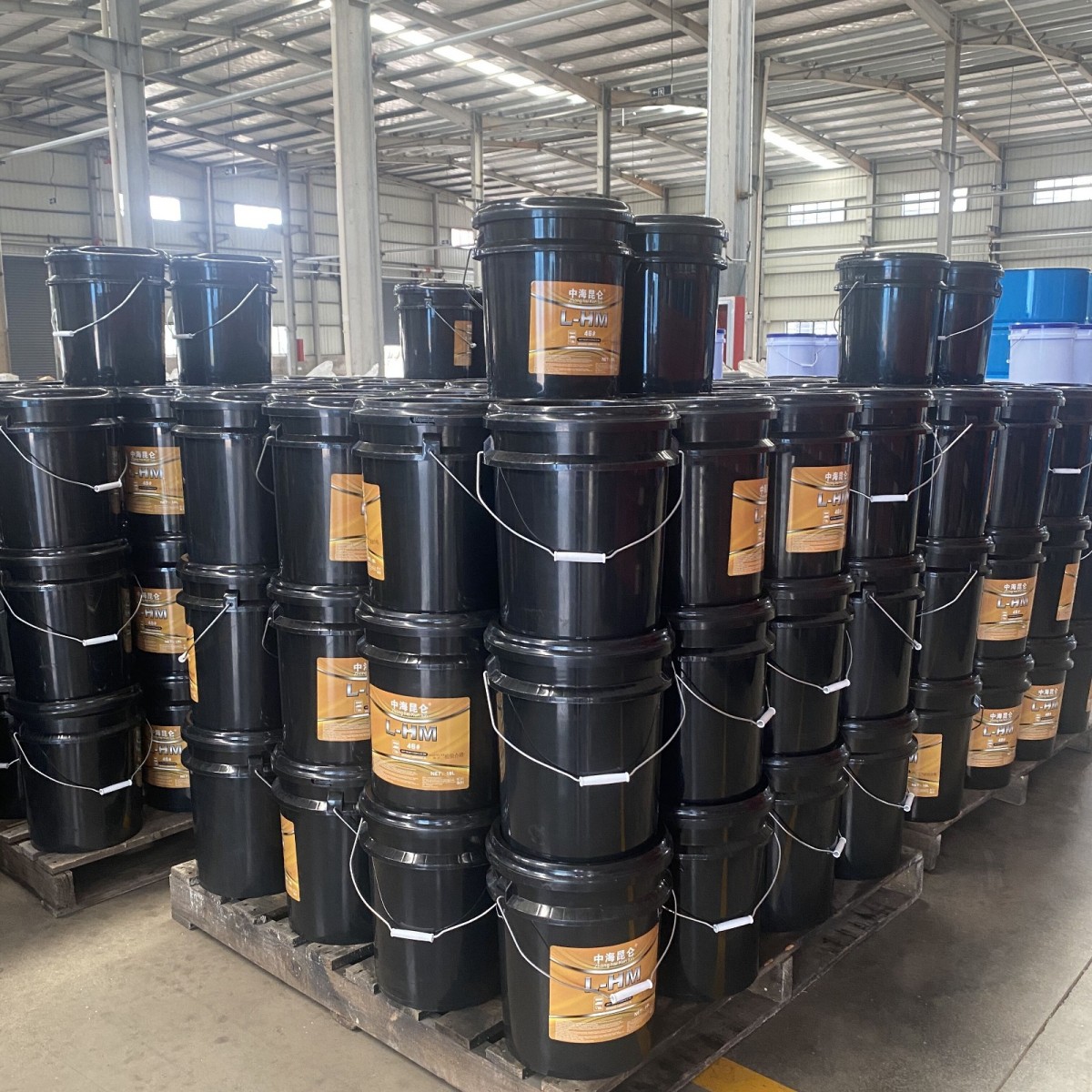
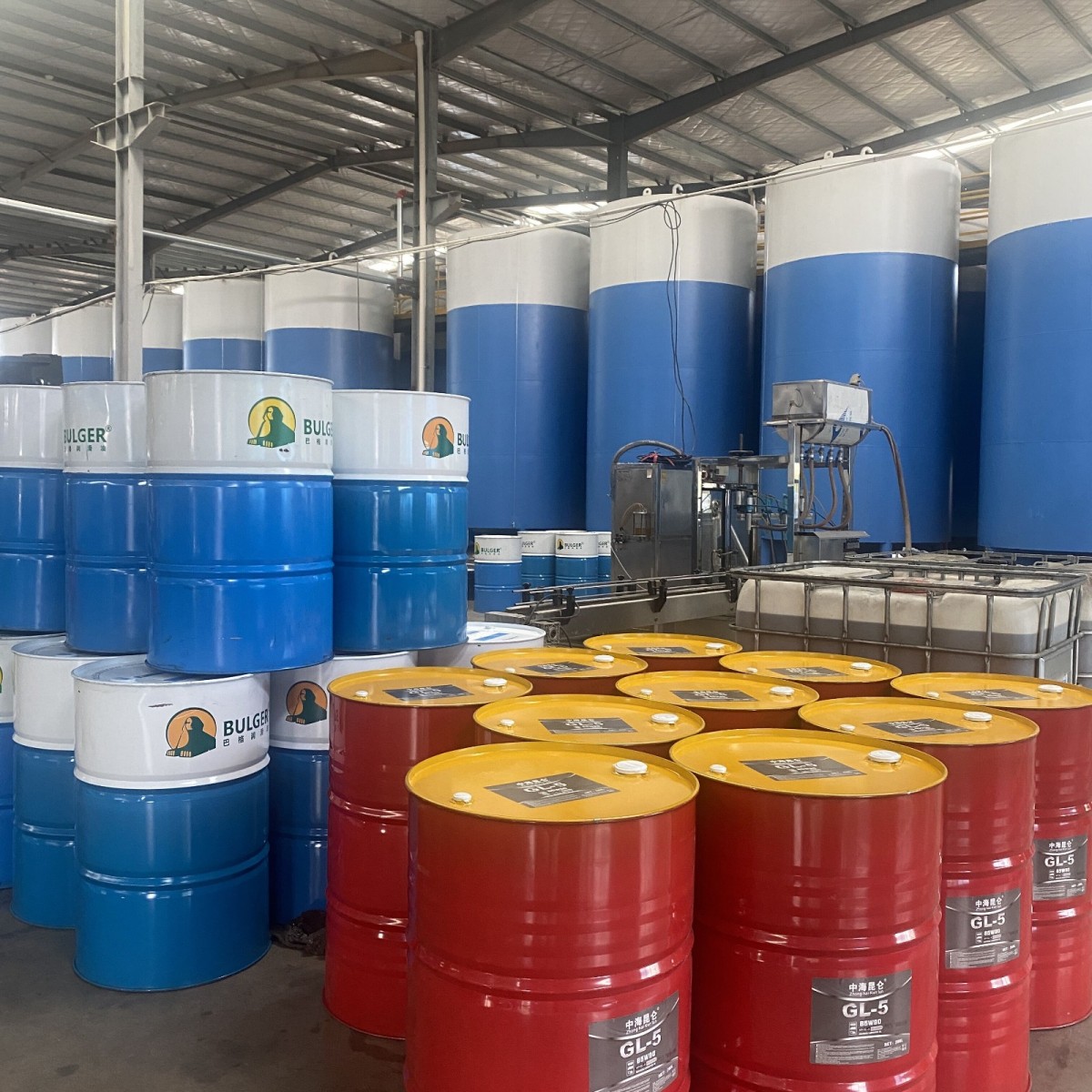
Jiangxi Bagu Lubricating Oil Technology Co., Ltd. is a professional manufacturer of anti-wear hydraulic oils. Our product series is formulated with world patented technology—refined paraffin base oil through isomer dewaxing, enhanced with a variety of high-performance additives. Its quality exceeds international L-HM quality standards and stringent requirements of hydraulic systems—German DIN 5124 PART 2 - HLP grade, making it a long-life super anti-wear hydraulic oil.
Key Advantages: 1. Reduced Equipment Maintenance Costs: Contains high-efficiency extreme pressure anti-wear additives, effectively controlling gear and bearing wear under heavy load conditions for extended life, and providing long-lasting hydraulic pump operation with fewer maintenance needs. 2. Stable Hydraulic System Pressure: Excellent anti-foaming and air release properties better meet the lubricating oil circulation requirements, ensuring accurate power transmission, minimizing micro-vibrations, and avoiding surface wear due to lubricating film defects. 3. Excellent Anti-Emulsifying and Hydrolytic Stability: Rapidly separates water, making it suitable for lubrication of hydraulic equipment operating in humid conditions. 4. Excellent Rust and Corrosion Prevention: Offers surface protection to bearings, circulating pipelines, and oil tanks, preventing rust or corrosion, with zero weight loss of copper sheets, suitable for use in vane pumps or axial piston pumps with steel-copper friction pairs. 5. Long Service Life: Excellent oxidation stability ensures no oil sludge formation under long-term high-temperature operation, preventing filter clogging and better protecting system cleanliness and smooth operation. Mainly used for heavy-duty, high-temperature, and high-pressure hydraulic systems, widely applied in large-scale injection molding machines, forming machines, die casting machines, high-tonnage press brakes, and the use of vane pumps and piston pumps with steel-copper friction pairs.
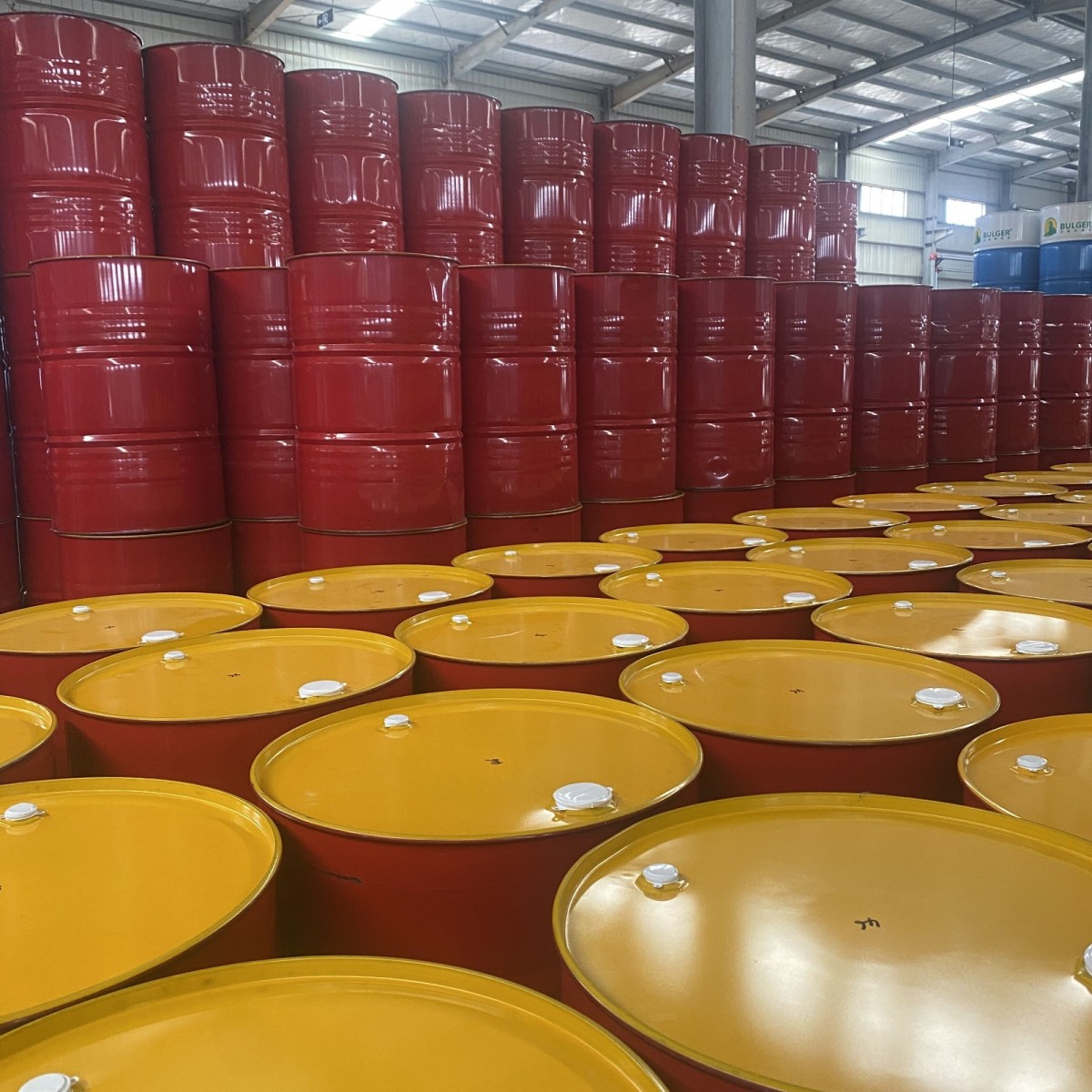
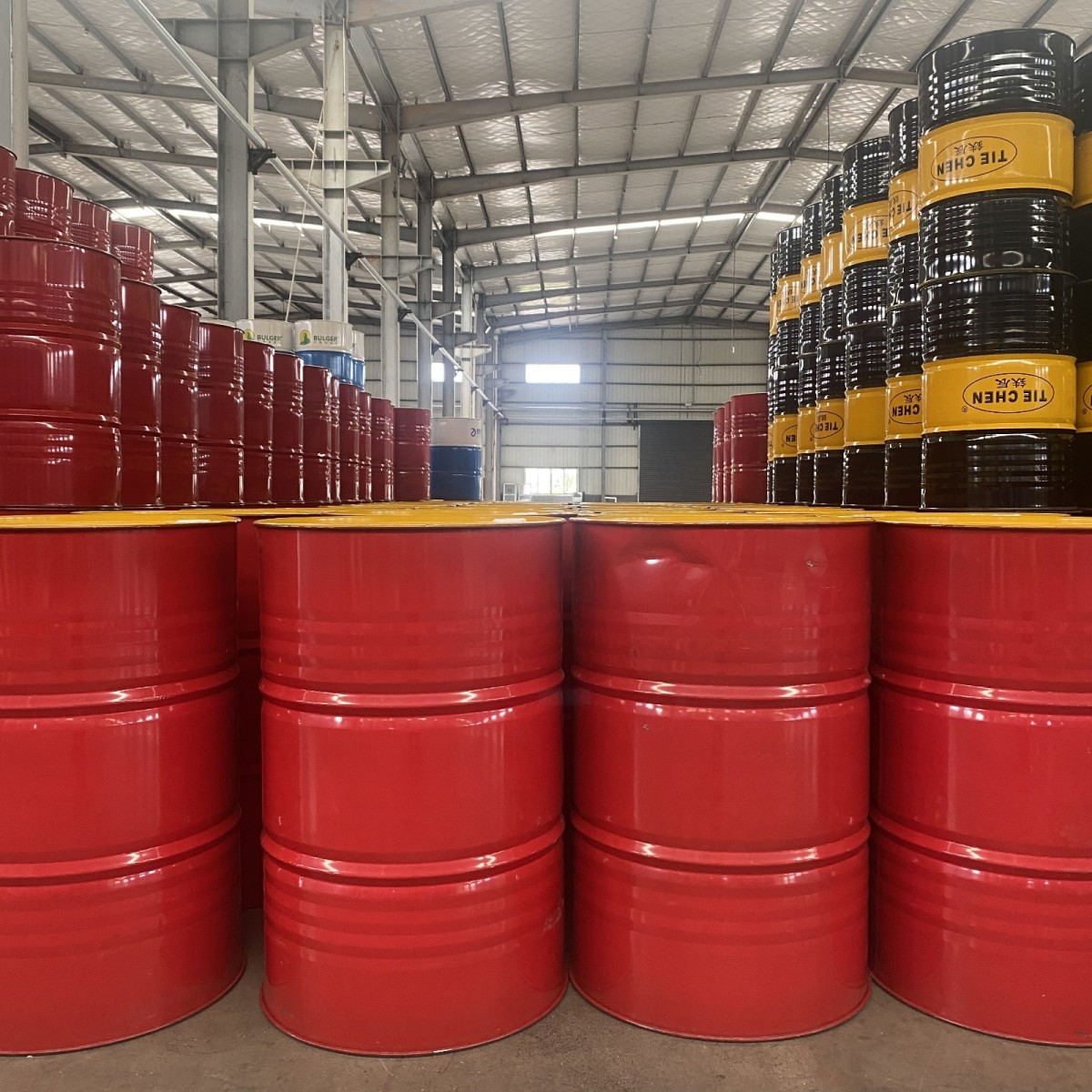
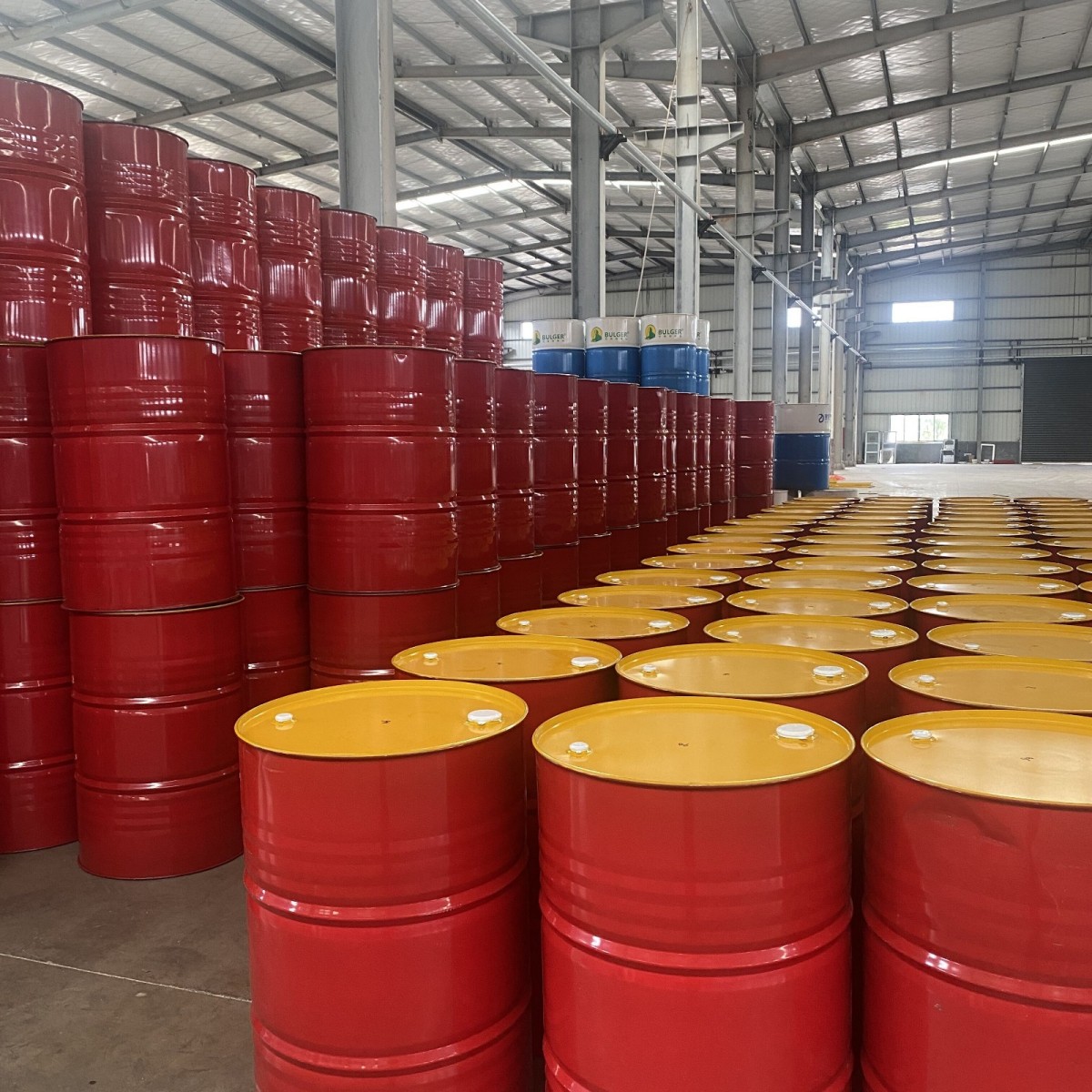




To properly select and use hydraulic oil, it is necessary to understand the usage requirements, be familiar with the types and properties of hydraulic oil, and master the selection methods.
Hydraulic equipment comes in various types, and hydraulic oils have multiple varieties, each with its specific application range. Choosing the right hydraulic oil is crucial for ensuring reliable equipment operation, preventing accidents, and extending the equipment's lifespan. Generally, the selection should be made by comprehensively considering and judging from the following aspects.
I. Classification of Hydraulic Oils
There are many types of hydraulic oil, mainly divided into three categories: mineral oil, emulsion, and synthetic. According to national standards, lubricants and related products are classified as type 1, with group H being hydraulic fluids for hydraulic systems (excluding automotive brake fluids and aviation hydraulic fluids temporarily). Further classification is then based on the composition and characteristics of the products, such as a specific product being named L-HM32 (where 32 represents the viscosity grade of the liquid). The hydraulic transmission system of fire trucks commonly uses mineral oil hydraulic fluid.
Mineral oil hydraulic oils offer excellent lubricity and rust prevention, with a wide viscosity grade range, making them widely used in hydraulic systems. Statistics show that over 90% of hydraulic systems currently use mineral oil hydraulic oils as the working medium.
Section II: Selection of Hydraulic Oil Types
When selecting oil types, prioritize the hydraulic oil recommended by the product, as this is crucial for ensuring equipment reliability and lifespan. If a specific hydraulic oil is unavailable, consider factors such as working pressure and temperature range. For garbage truck hydraulic systems, it is recommended to choose L-HM or L-HV oil first. For low-pressure hydraulic systems without valuable hydraulic components (such as standard dump trucks) where the aforementioned hydraulic oils cannot be obtained, L-HL general hydraulic oil can be used, and L-HH oil (for full-loss systems) should be avoided as much as possible.
Section 3: Selection of Hydraulic Oil Viscosity
The selection of viscosity grade is crucial, as viscosity significantly affects the stability, reliability, efficiency, temperature rise, and wear of hydraulic systems. High viscosity hydraulic oil generates more resistance during flow, consuming more power to overcome this resistance, which in turn converts to heat, causing the oil temperature to rise; too low viscosity can increase leakage, reduce the system's volumetric efficiency, and accelerate the system's temperature rise.
Section 4: Requirements for Hydraulic Oils
1. Appropriate viscosity grade. Mainly consider the working pressure of the hydraulic system, environmental temperature, and movement speed.
2. The oil is relatively pure with minimal impurities.
3. Hydraulic oil boasts excellent lubricity, compatibility, and stability.
4. Excellent anti-foaming, anti-oxidation, corrosion resistance, and rust prevention properties.
5. Low coefficient of thermal expansion, high specific heat capacity.
6. Low melting and boiling points, high ignition and flash points.
7. High cost-performance ratio. Low toxicity to humans.