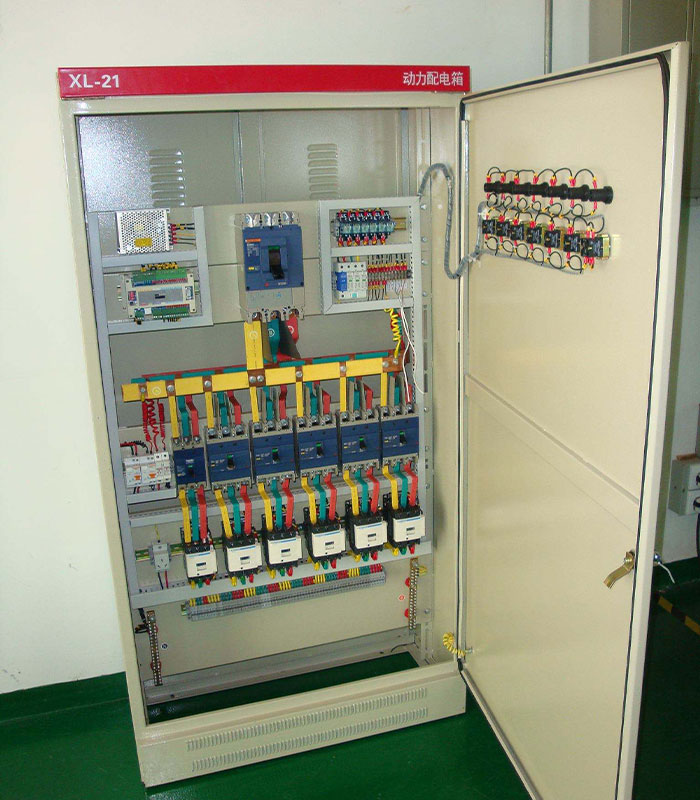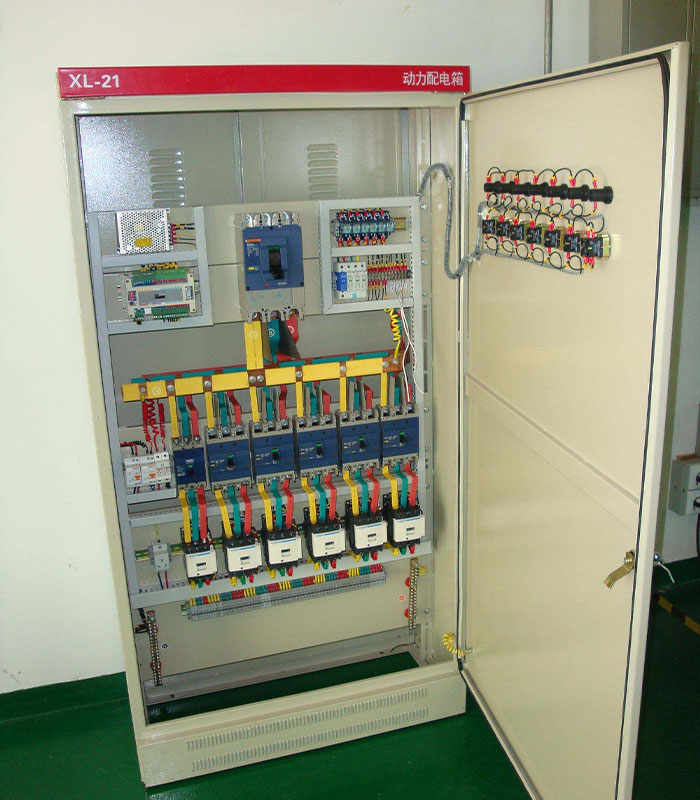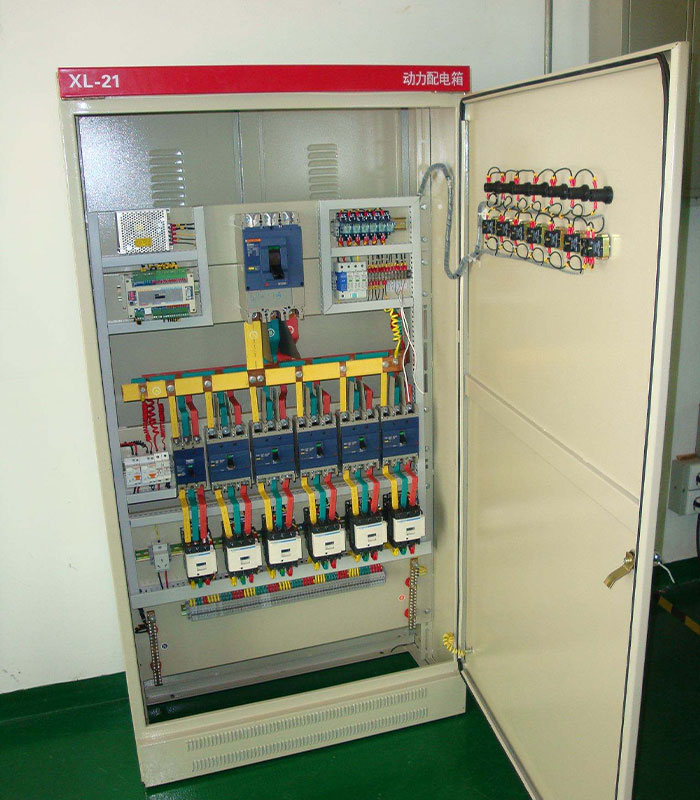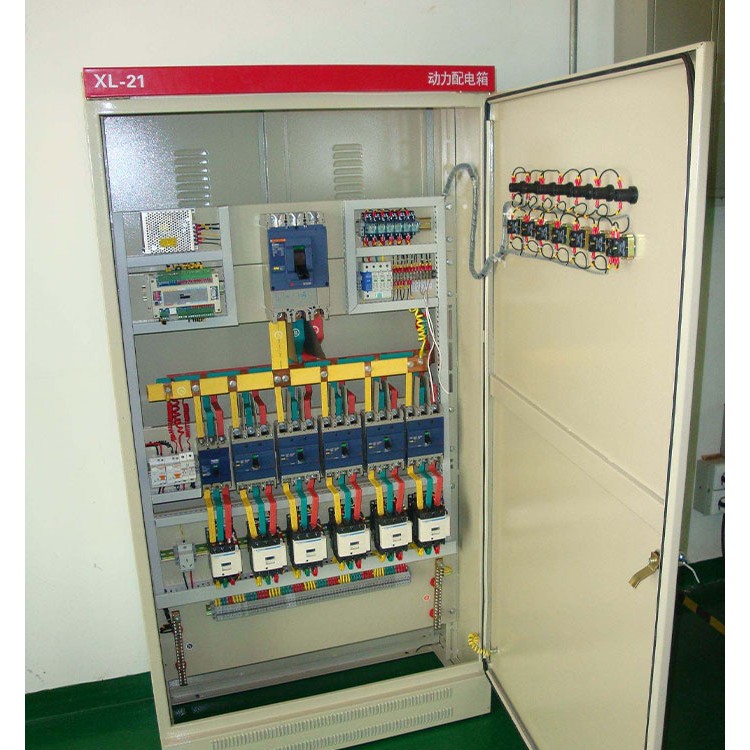

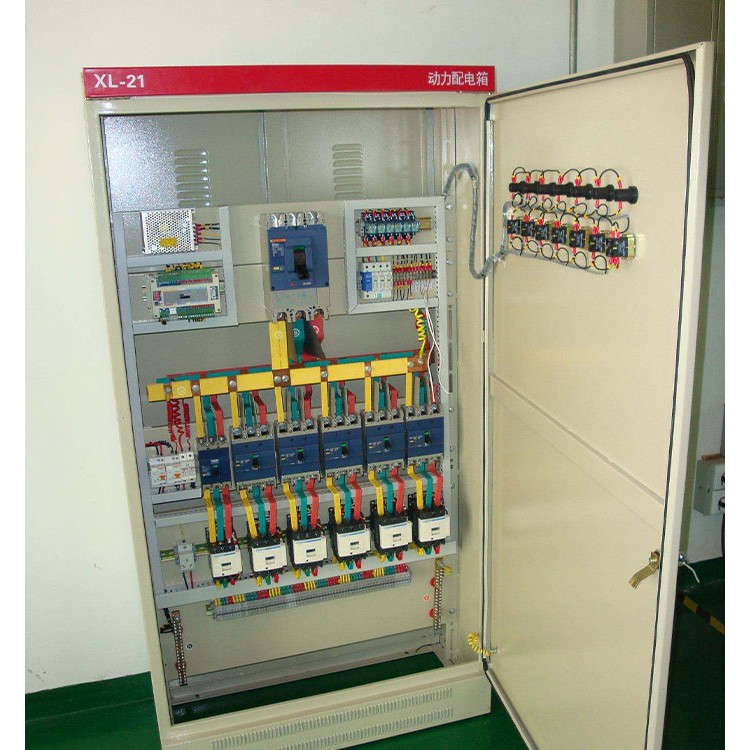
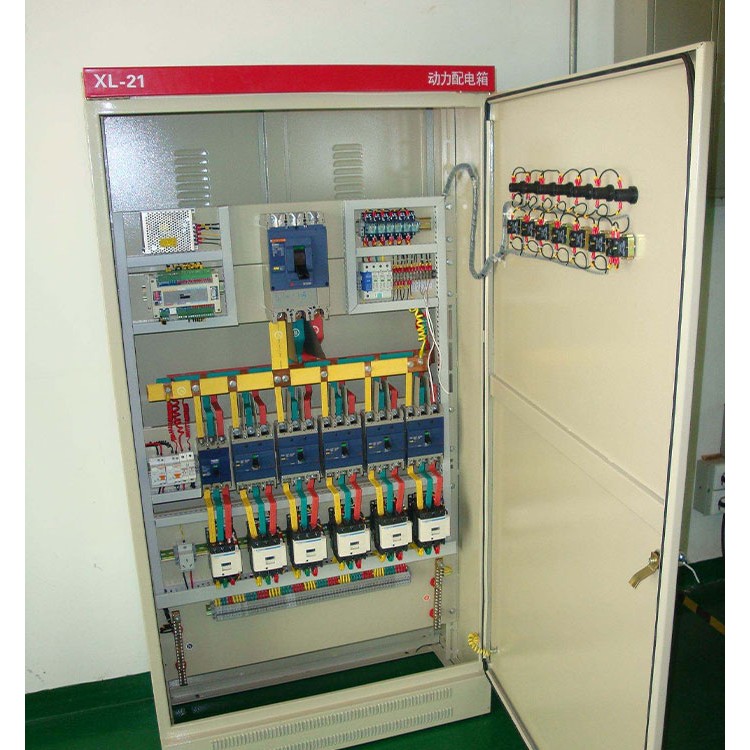
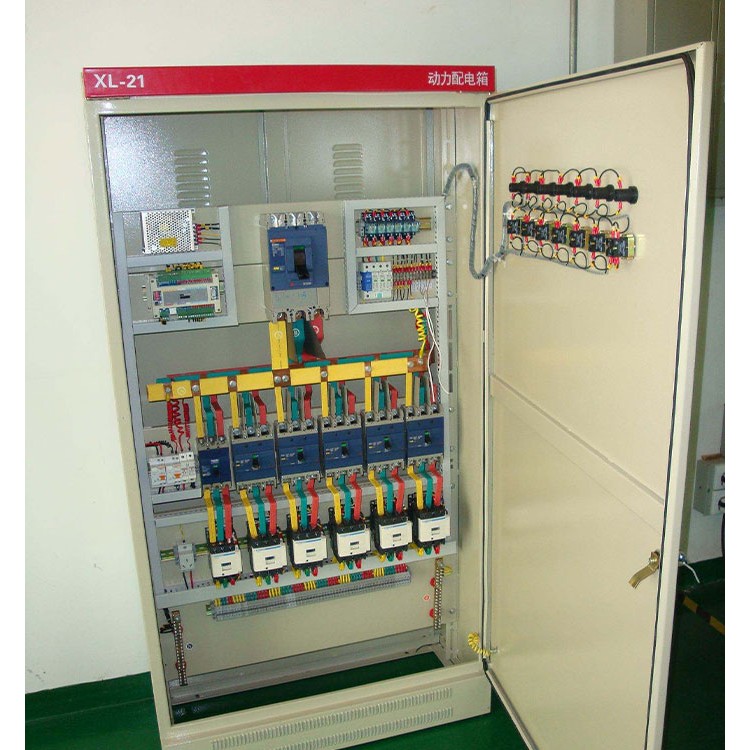


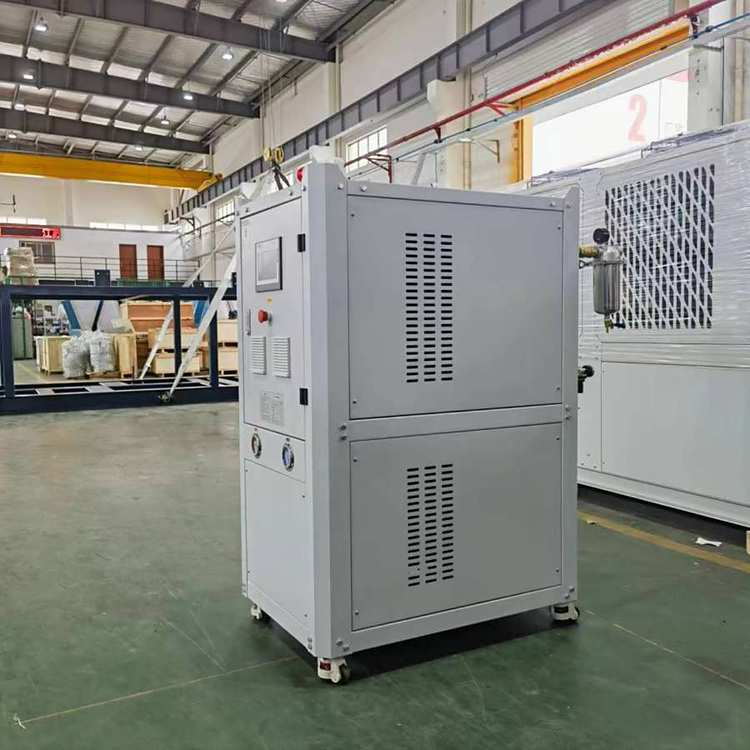





Distribution boards (cabinets) are divided into power distribution boards (cabinets) and lighting distribution boards (cabinets), as well as metering cabinets (cabinets), which are the terminal equipment of the power distribution system. Distribution boards are a general term for motor control centers. They are used in situations with scattered loads and fewer circuits; motor control centers are used in situations with concentrated loads and more circuits. They distribute electrical energy from a specific circuit of the upper-level power distribution equipment to the nearest loads. This level of equipment should provide protection, monitoring, and control for the loads.
(1) Tier 1 power distribution equipment, commonly referred to as power distribution centers. They are centrally installed in the enterprise's substation, distributing electrical power to lower-level distribution equipment at various locations. Located close to the step-down transformer, these equipment require higher electrical parameters and have a larger output circuit capacity.
(2) Secondary power distribution equipment, a general term for power distribution cabinets and motor control centers. Power distribution cabinets are used in scenarios with scattered loads and fewer circuits; motor control centers are for areas with concentrated loads and more circuits. They distribute electrical power from a specific circuit of the distribution equipment to nearby loads. This level of equipment is responsible for providing protection, monitoring, and control for the loads.
(3) The lowest-level power distribution equipment is collectively termed as the lighting and power distribution box. These are located away from the power supply center and are decentralized, low-capacity distribution equipment.