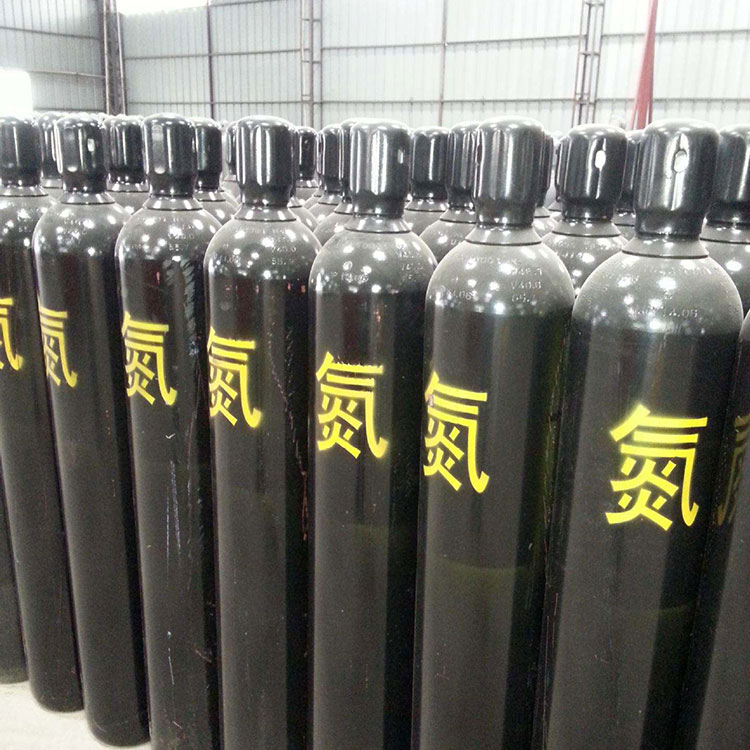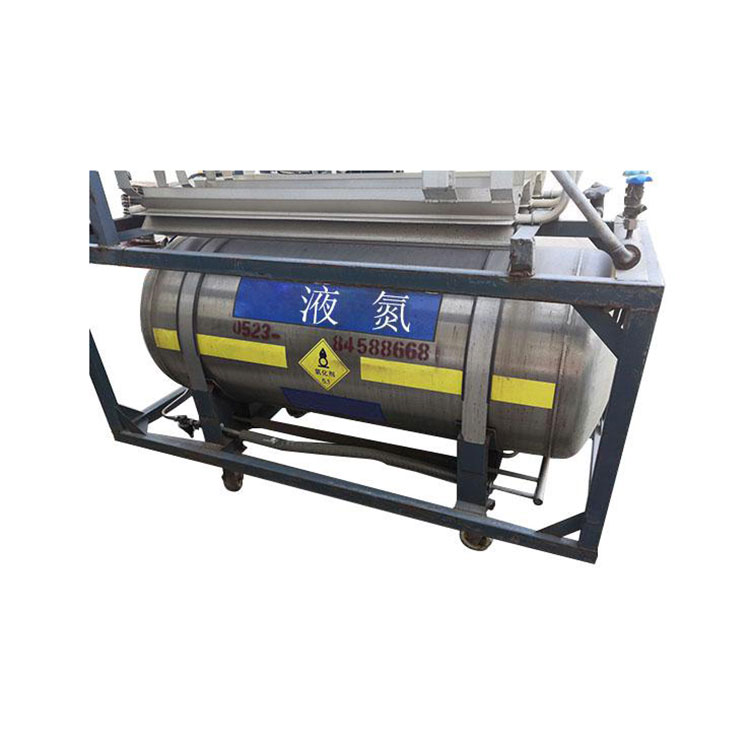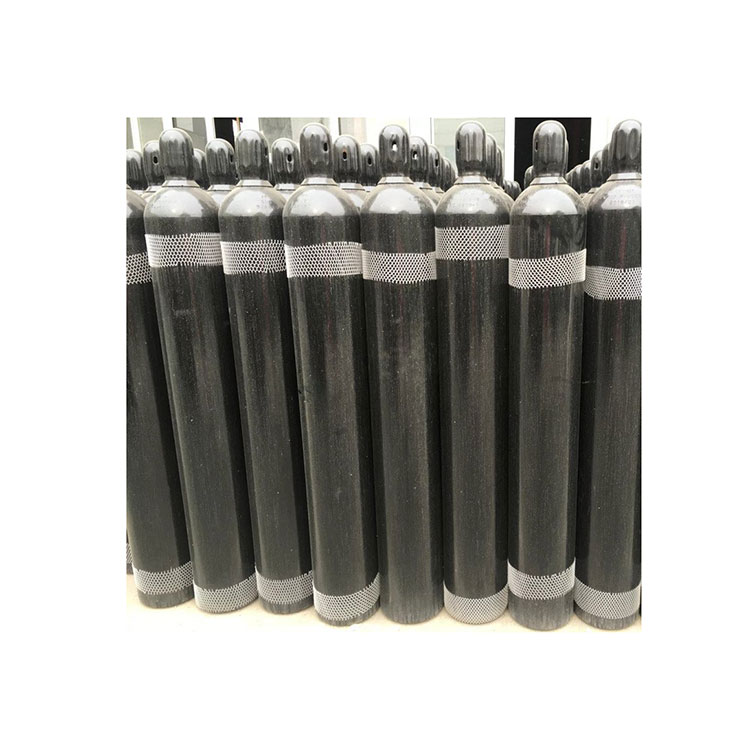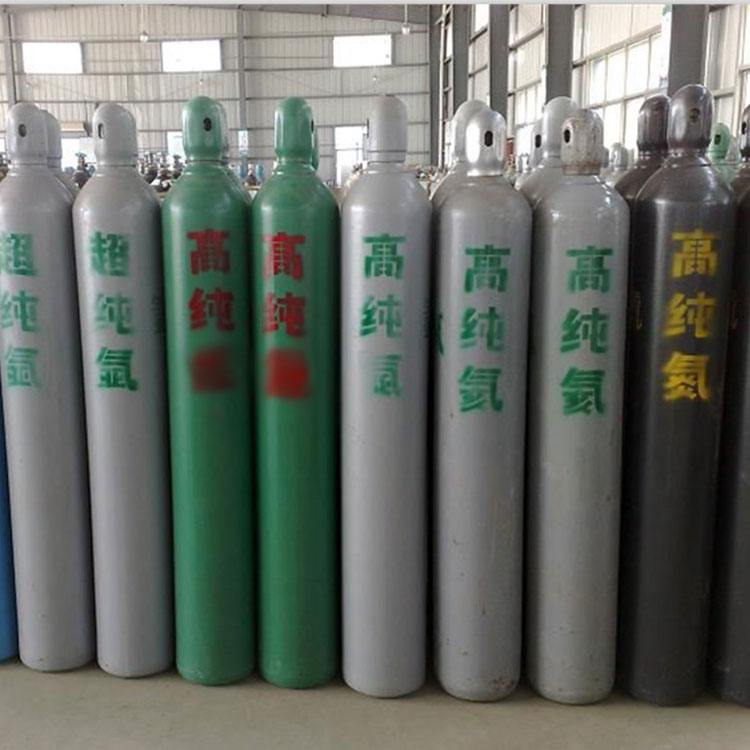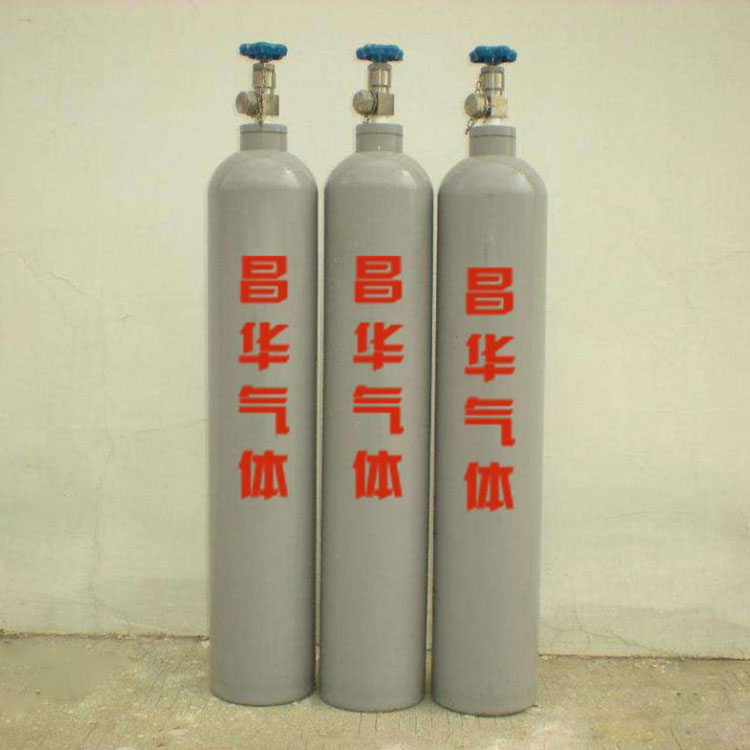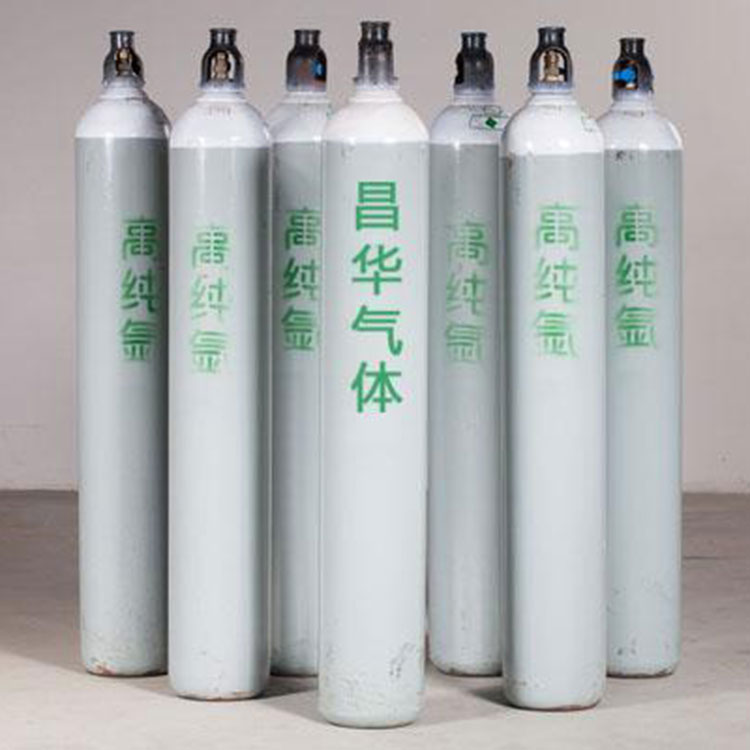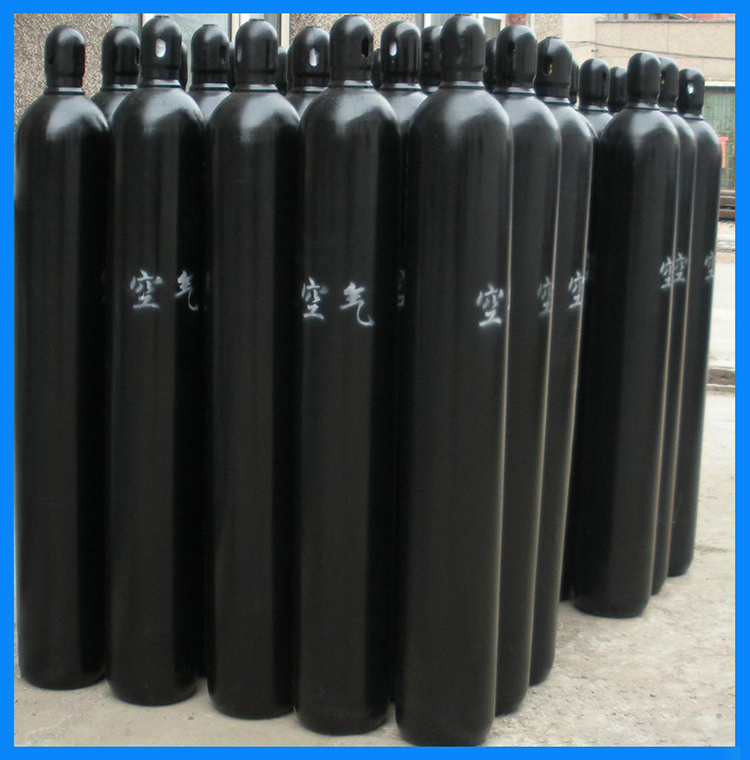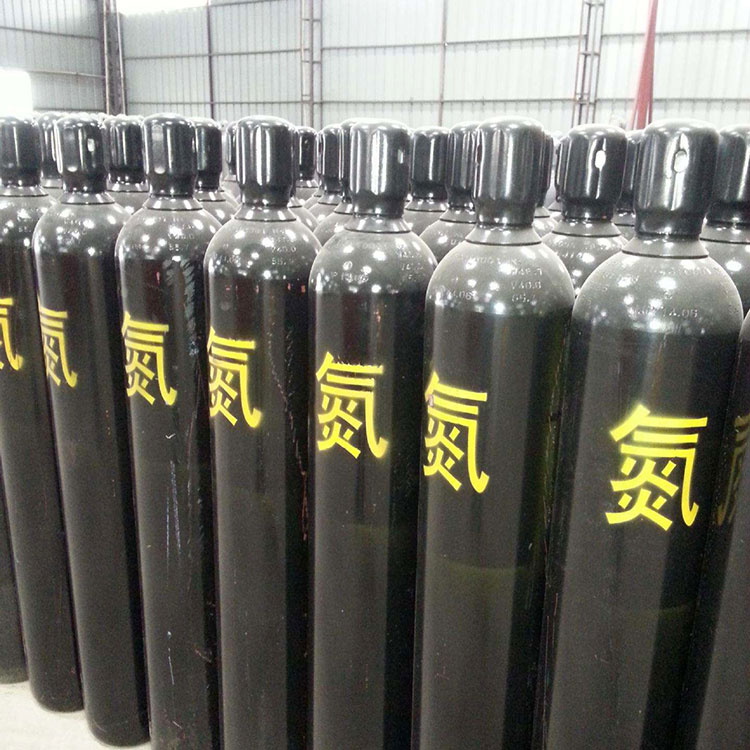

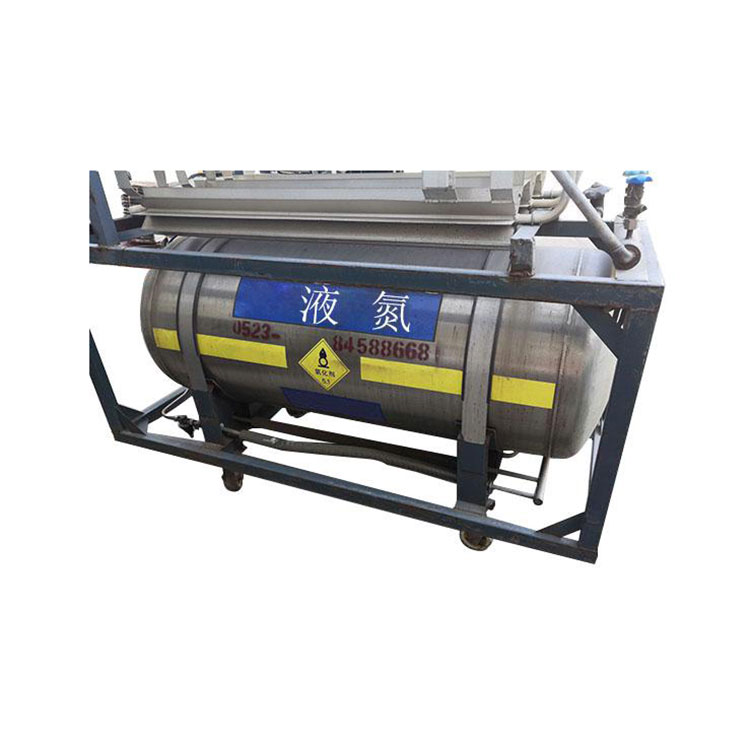
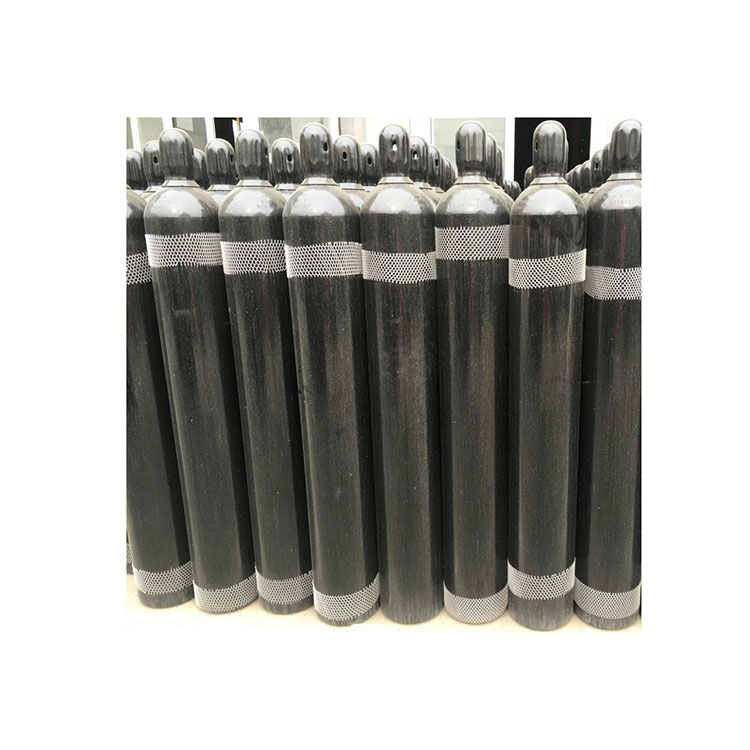


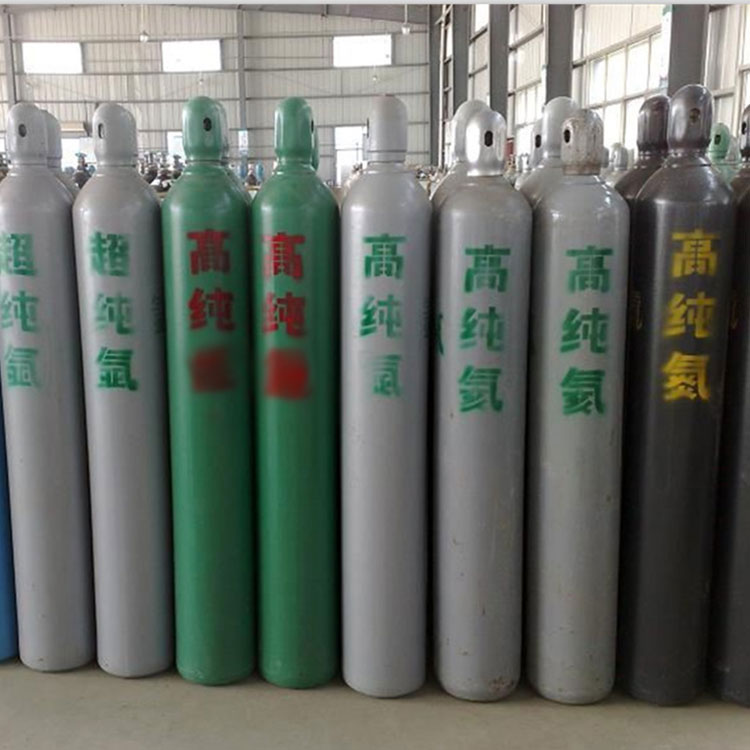
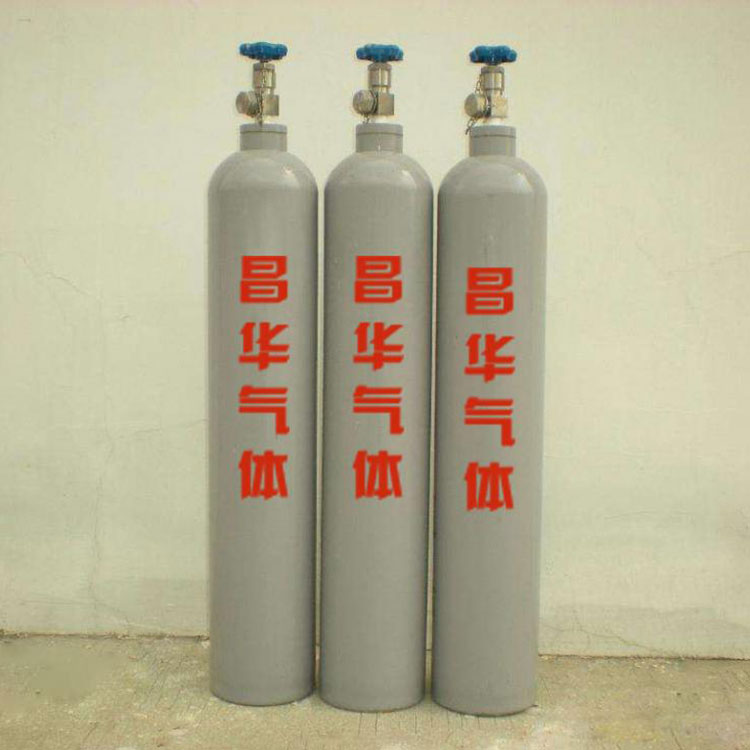
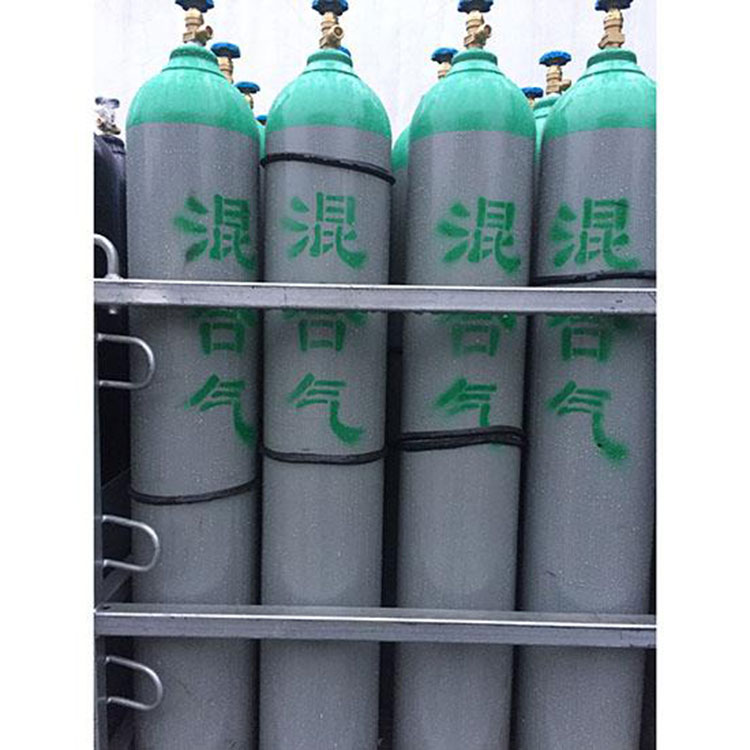
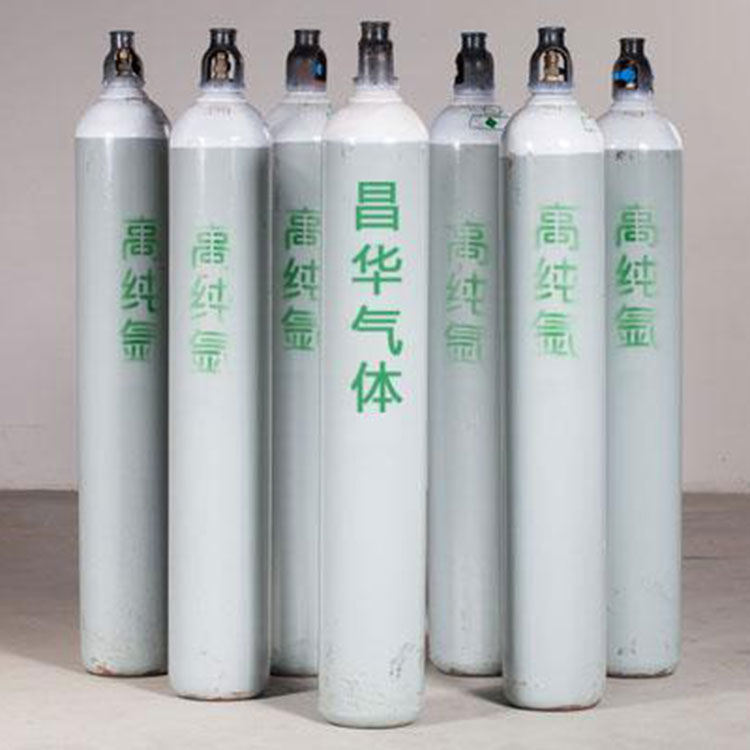





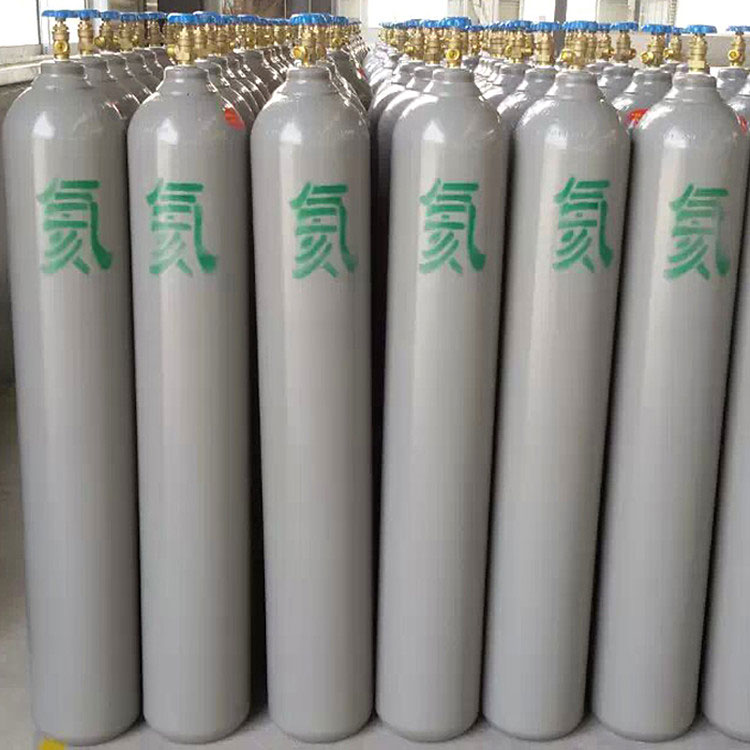
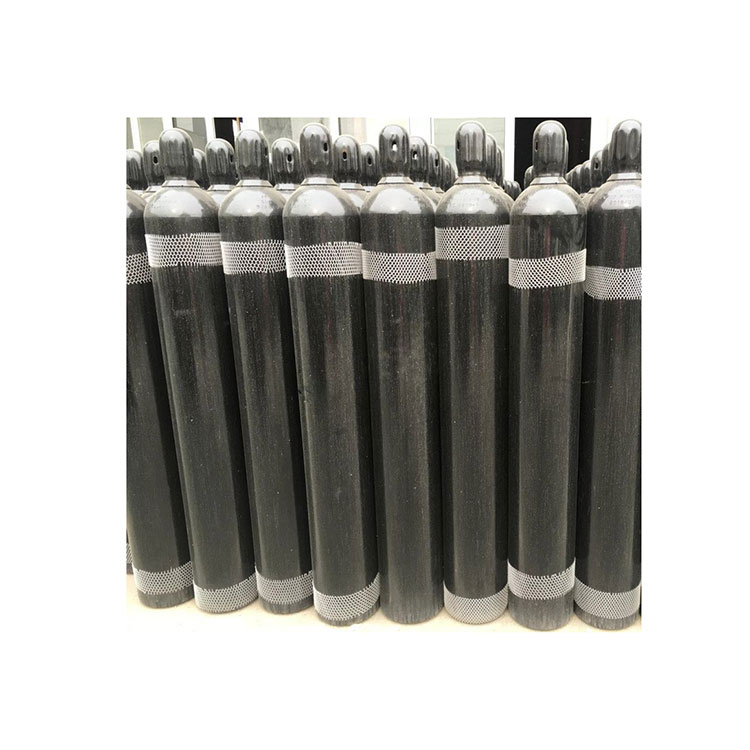
In the gas industry, nitrogen is commonly stored in black seamless carbon steel cylinders, categorized by purity into pure nitrogen, high-purity nitrogen, and ultra-pure nitrogen. For bulk usage, options include liquid nitrogen dewars, liquid nitrogen storage tanks, PSA nitrogen generators, membrane nitrogen separators, and low-temperature separation nitrogen generators.
Applications of Nitrogen:
Nitrogen is used as the filling gas for car tires.
High-purity nitrogen gas is used as a carrier gas for chromatographs and other instruments.
Bright Annealing Protective Gas for Copper Tubes
Helium and high-purity carbon dioxide, used together as laser gas for laser cutting machines
Nitrogen is also used as a food preservation protective gas.
For synthetic ammonia, synthetic fibers (nylon, acrylic), synthetic resins, synthetic rubber, etc.
In the manufacturing of the electronics industry, such as automation system semiconductors and electronic components, nitrogen is used as a protective gas, diluent, and carrier gas.
In the chemical industry, nitrogen is primarily used as a protective gas, displacement gas, cleaning gas, and safety gas.
Protective gas for aluminum products, aluminum profile processing, and aluminum foil rolling
Protective gas for use with reflow and wave soldering to enhance soldering quality
Used as a protective gas in the float glass production process, preventing tin bath oxidation.
Cautionary Notes
Nitrogen is a colorless, odorless, non-toxic, non-flammable high-pressure gas stored in cylinders.
Prior to use, test the nitrogen pipeline for pressure and leakage. Strictly prohibit any leakage of nitrogen pipeline. Maintain good ventilation in the operating environment. Inhaling an increased amount of nitrogen in the air, which reduces oxygen content below 19.5%, may cause asphyxiation.
Bottled nitrogen is a high-pressure filled gas. It should be depressurized using a nitrogen reducer before use. When moving nitrogen cylinders, a hand truck should be used.
Nitrogen cylinders with packaging all carry their service life, typically requiring inspection after 5 years and mandatory retirement after 30 years. Any expired cylinders must be sent to a department for safety inspection before they can be used again.
Each nitrogen cylinder should maintain an internal residual pressure of 0.5 MPa when the gas is depleted, with the pressure not falling below 0.25 MPa. The cylinder valve should be closed to ensure gas quality and usage safety.
Bottled nitrogen products should be classified and stacked during transportation, storage, and use. It is strictly prohibited to stack flammable gases with oxidizing gases together. They must not be near open flames or heat sources. Ensure no contact with fire, oil, or wax, no exposure to direct sunlight, no heavy drops, and no impacts. It is strictly forbidden to perform arc or electric arc operations on the gas cylinders and to handle them roughly.
Liquid nitrogen temperatures can drop to -196°C, and contact with the skin can cause severe frostbite.
An increase in volume may cause oxygen levels to drop below 19.5%, potentially leading to asphyxiation.
Bottled nitrogen is a high-pressure filled gas. It should be depressurized using a nitrogen reducer before use. When moving nitrogen cylinders, a hand truck should be used.
Nitrogen cylinders with packaging all carry a service life, typically requiring inspection every 5 years and mandatory scrapping after 30 years. Bottles due for expiration must be sent to a department for safety inspection before they can be used again.
Each nitrogen cylinder should maintain an internal residual pressure of 0.5 MPa when the gas is nearly depleted, with the pressure not falling below 0.25 MPa. The cylinder valve should be closed to ensure gas quality and usage safety.