



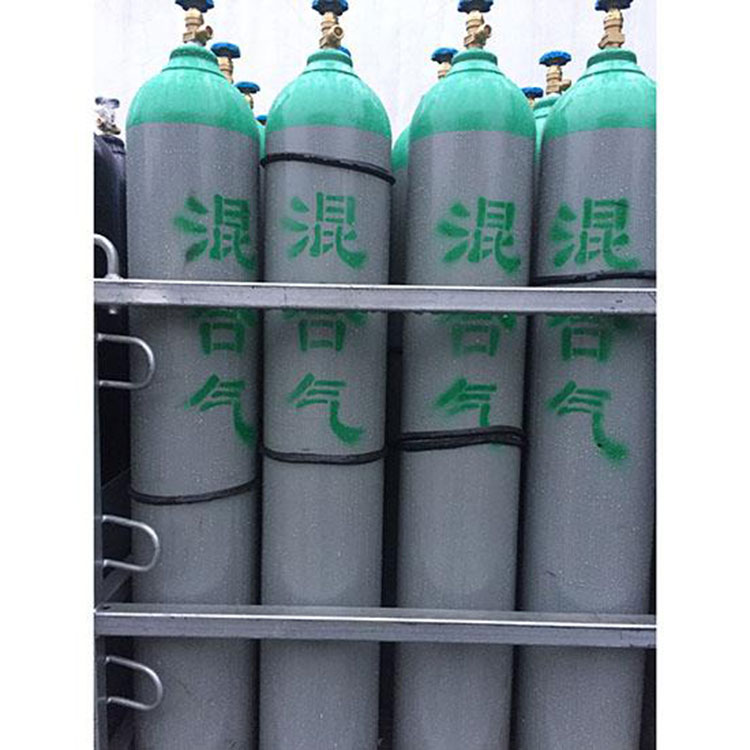
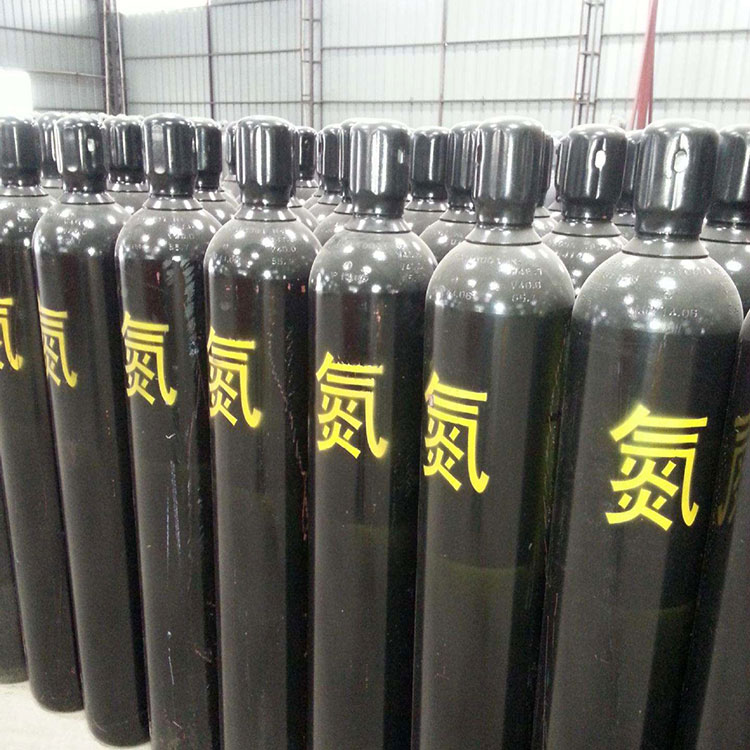
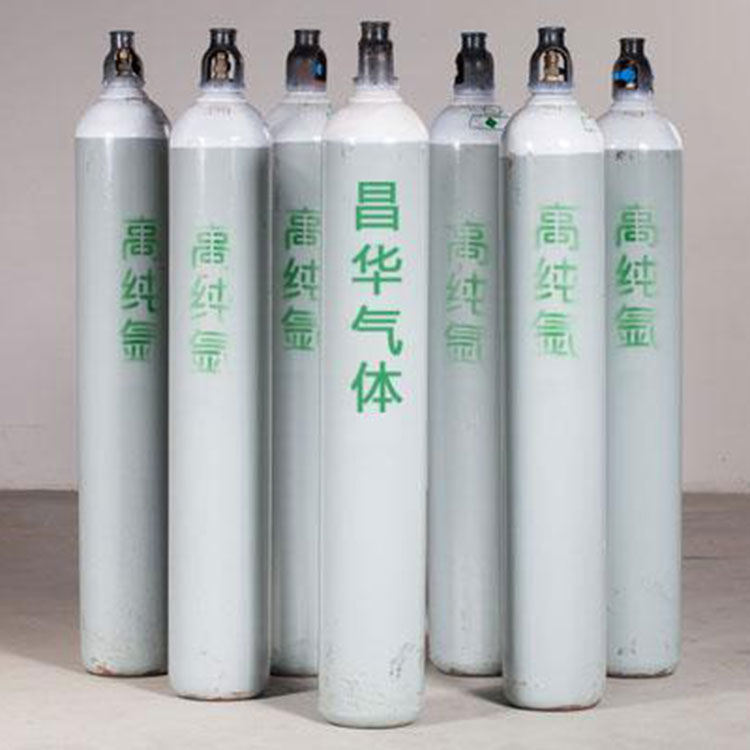





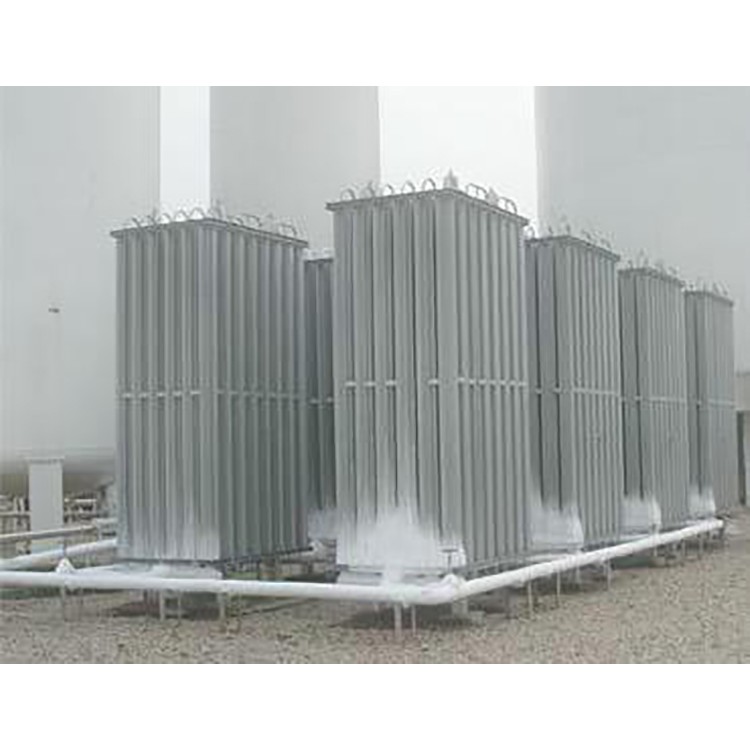
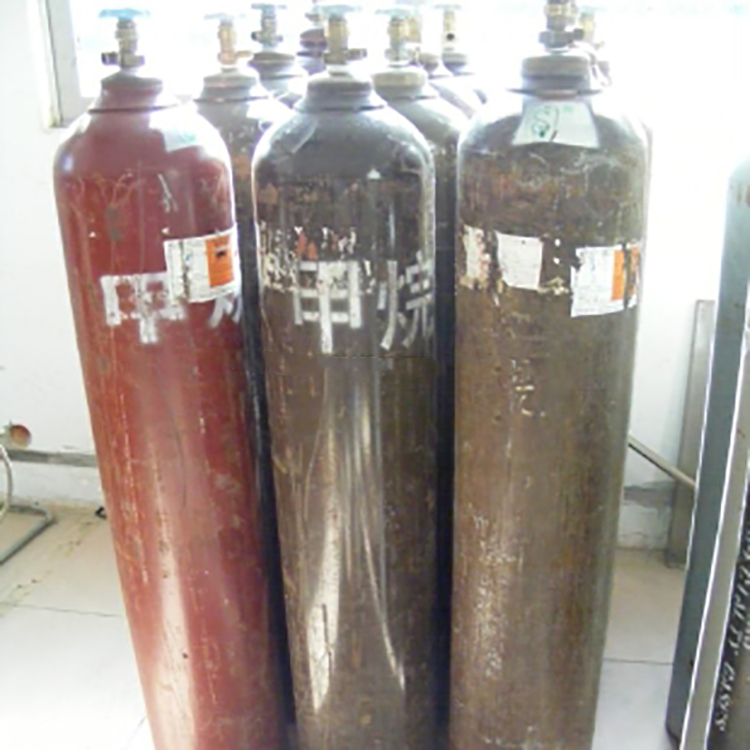
Product Description:
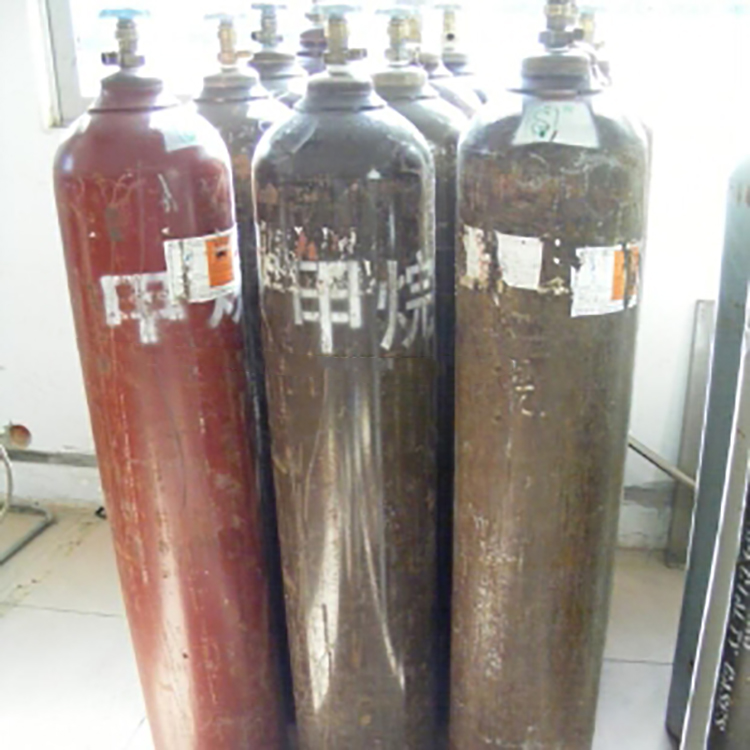
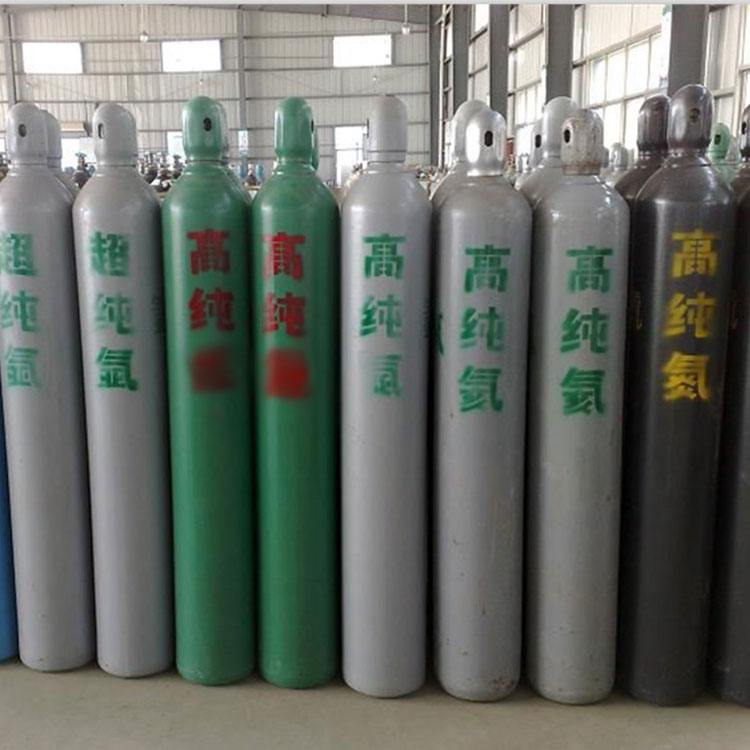
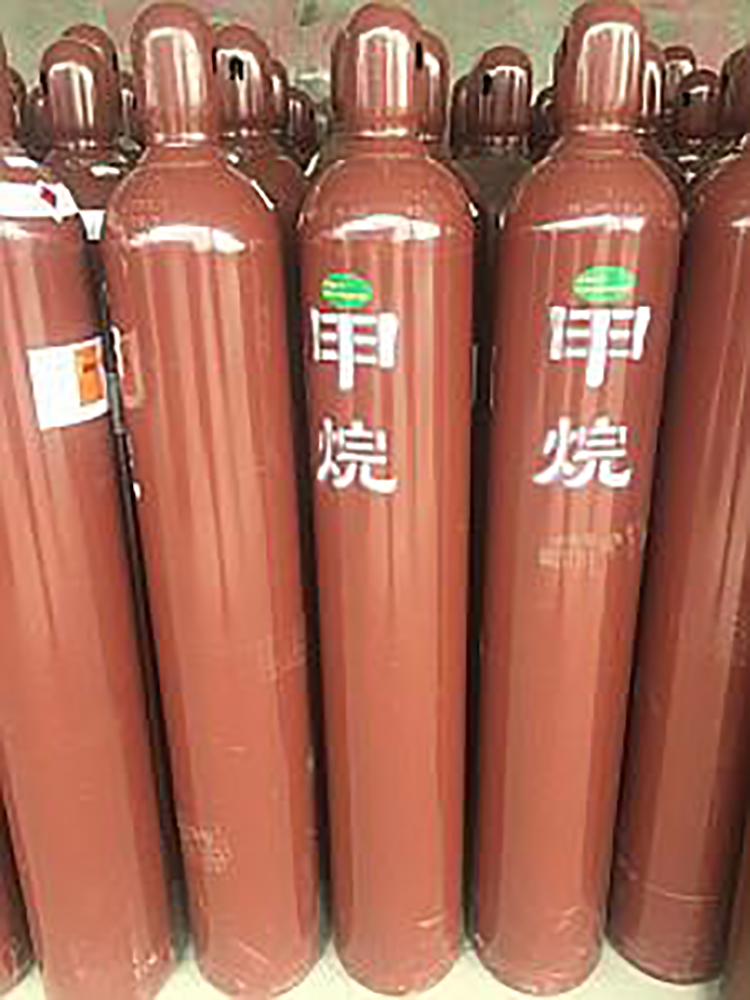
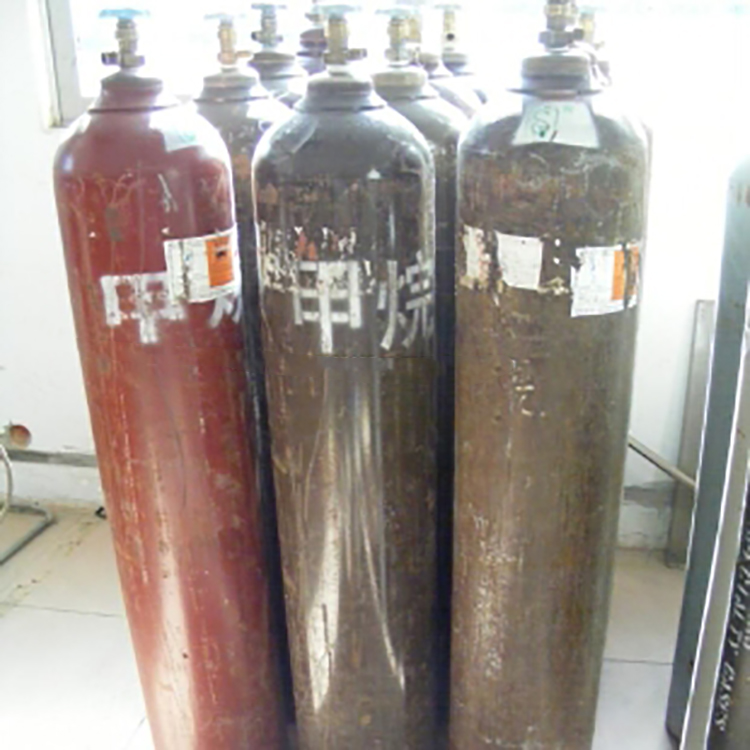
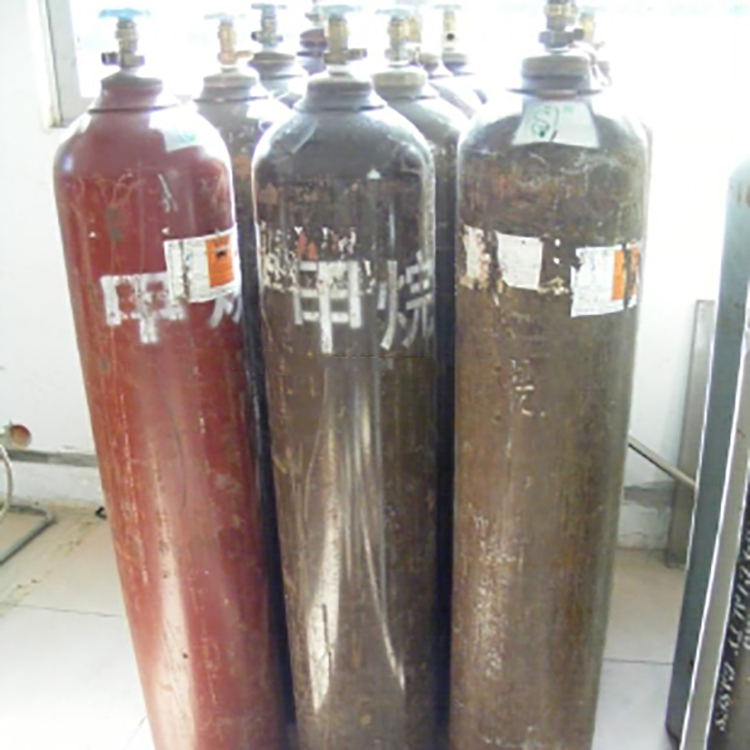
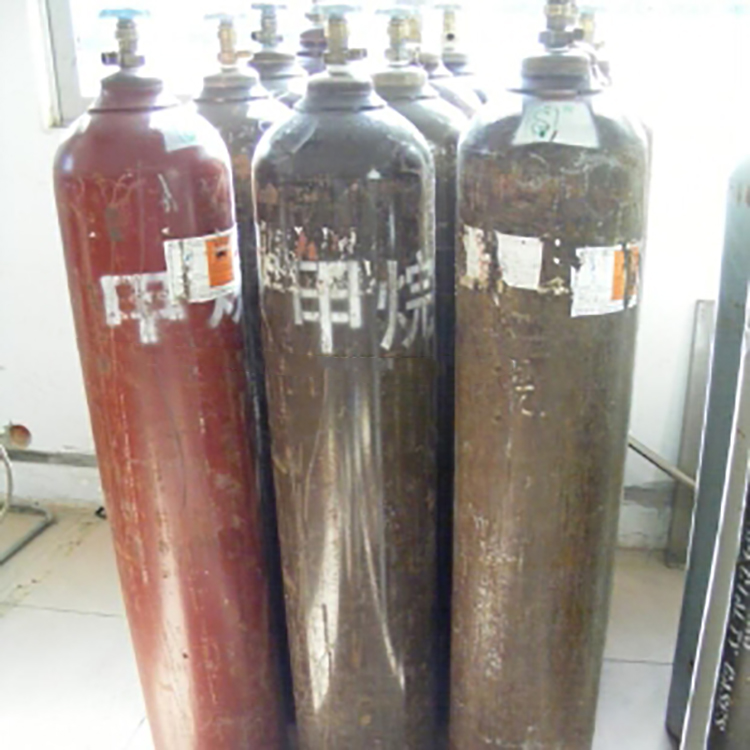
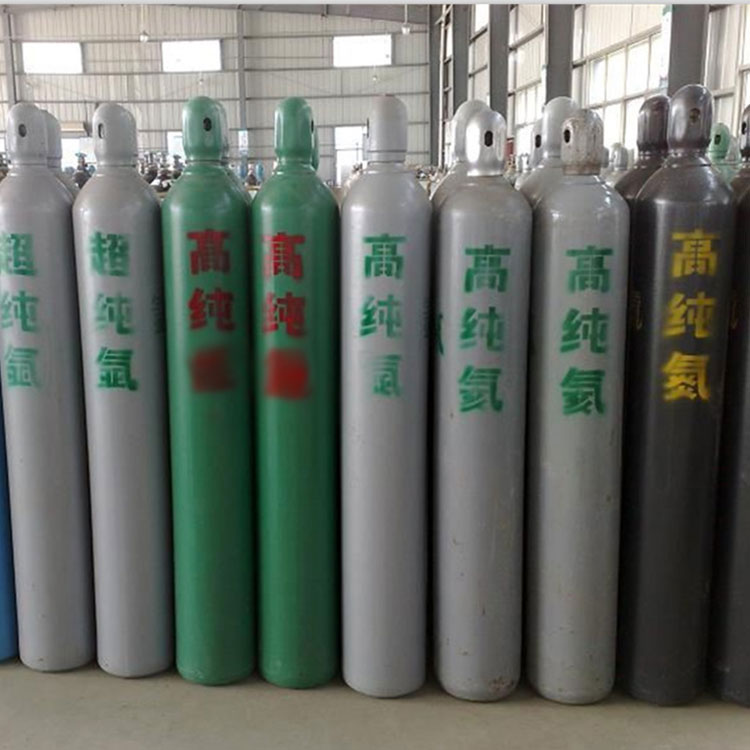
ZhengzhouHigh-purity gasHigh-purity Methane
Definition of Scientific Terms
Chinese Name:
Methane
English Name:
methane;CH4
Definition:
A greenhouse gas mainly released from rice paddies and wetlands.
Subject Category:
Ecology (Primary Discipline); Global Ecology (Secondary Discipline)
Methane molecular structure diagram
Methane is widely distributed in nature and is the main component of natural gas, biogas, oil field gas, and coal mine shaft gas. It can be used as fuel and as a raw material for producing hydrogen, carbon black, carbon monoxide, acetylene, hydrocyanic acid, formaldehyde, and other substances. Its chemical symbol is CH₄.
Methane Physical Properties
Methane has a weight-to-air ratio of 0.54, making it about half as light as air. It is poorly soluble; at 20°C and 0.1 kPa, 100 units of water can only dissolve 3 units of methane. Additionally, methane burns with a bright blue flame, which may appear greenish. This is because methane combustion requires glass pipes, and glass manufacturing often contains sodium elements, resulting in a yellow flame color. Since methane itself burns blue, the combined appearance can give the flame a green hue.
Melting Point: -182.5°C
Boiling Point: -161.5℃
Steam Pressure: 53.32 kPa / -168.8℃
Saturated Vapor Pressure (kPa): 53.32 (-168.8°C)
Relative Density (water = 1) 0.42 (-164°F)
Relative Vapour Density (Air = 1): 0.55
Combustion Heat: 890.31 KJ/mol
Total Calorific Value: 55,900 kJ/kg (40,020 kJ/m³)
Net Calorific Value: 50,200 kJ/kg (35,900 kJ/m³)
Critical Temperature (°C): -82.6
Critical Pressure (MPa): 4.59
Explosion Limit (% V/V): 15
Lower Explosive Limit (% V/V): 5.3
Flash Point (°C): -188
Ignition Temperature (°C): 538
Molecular diameter: 0.414 nm