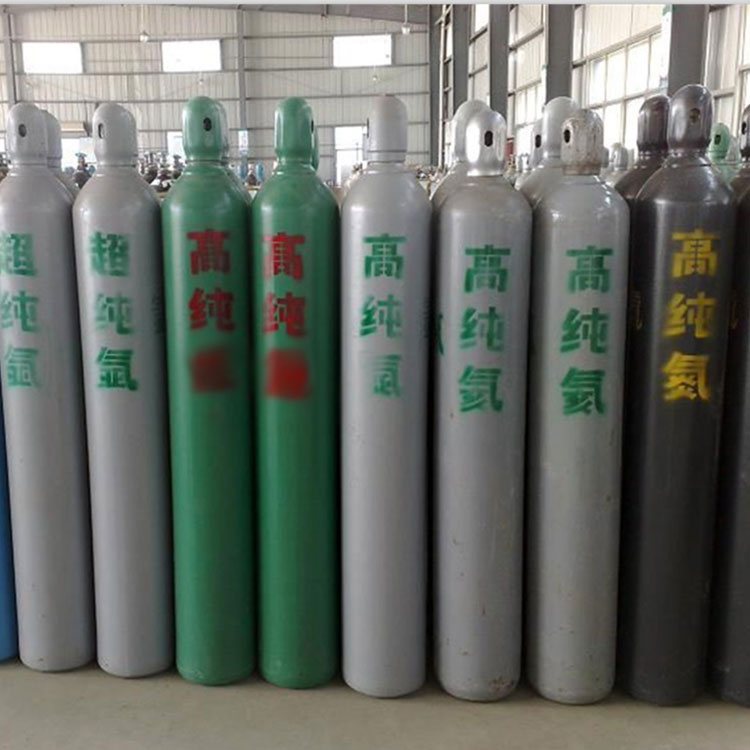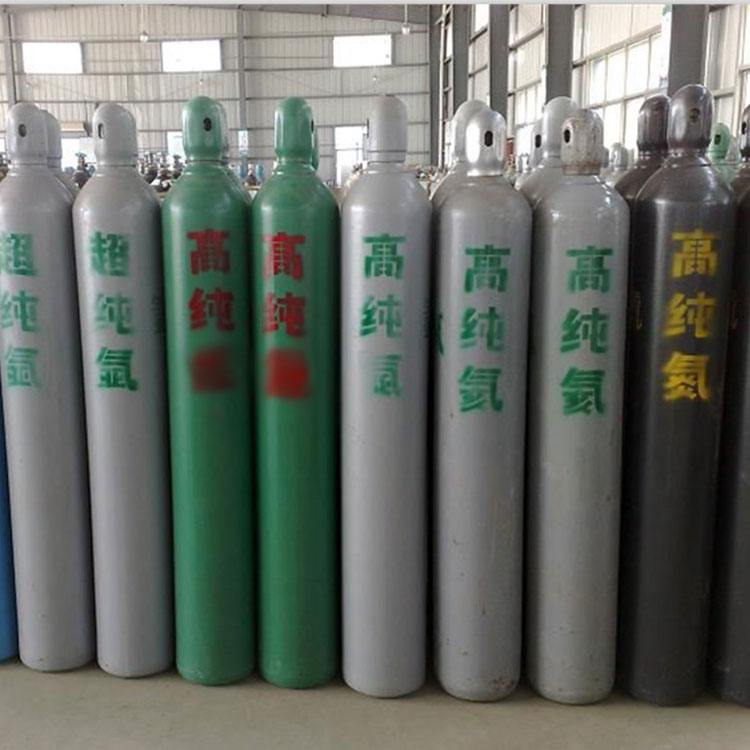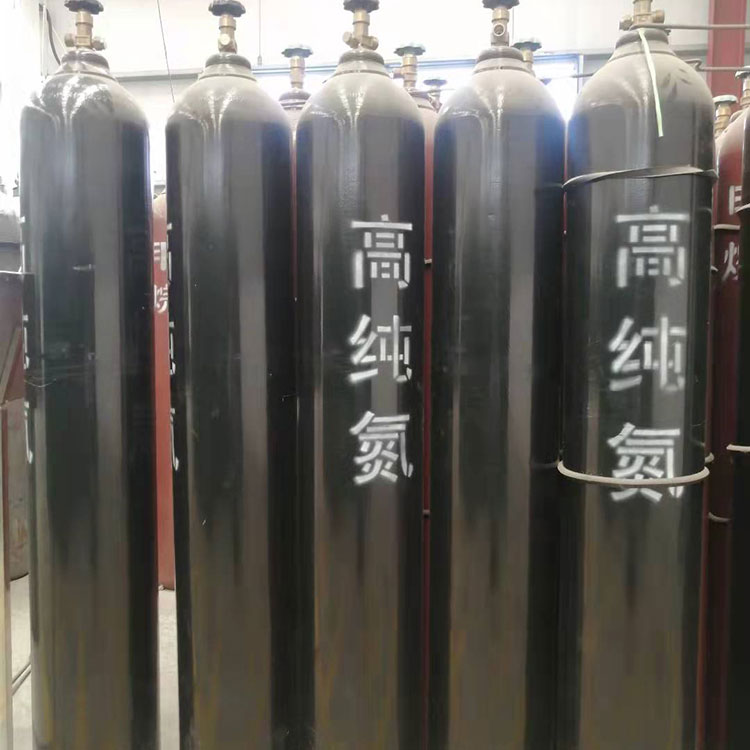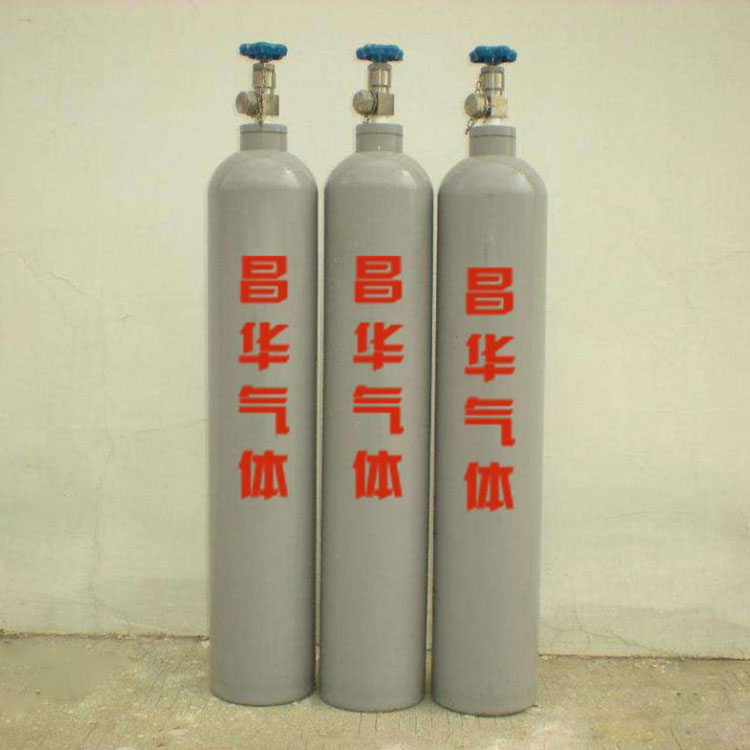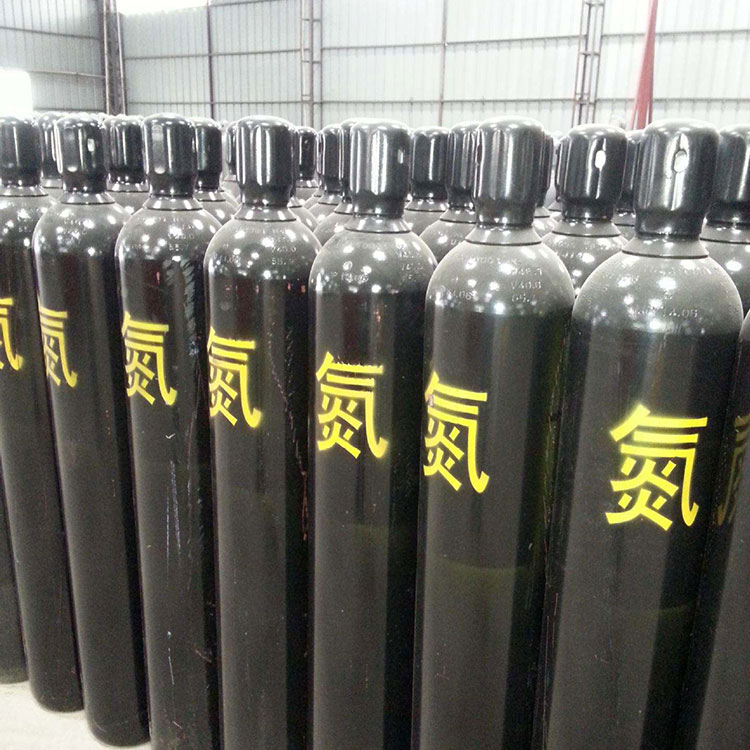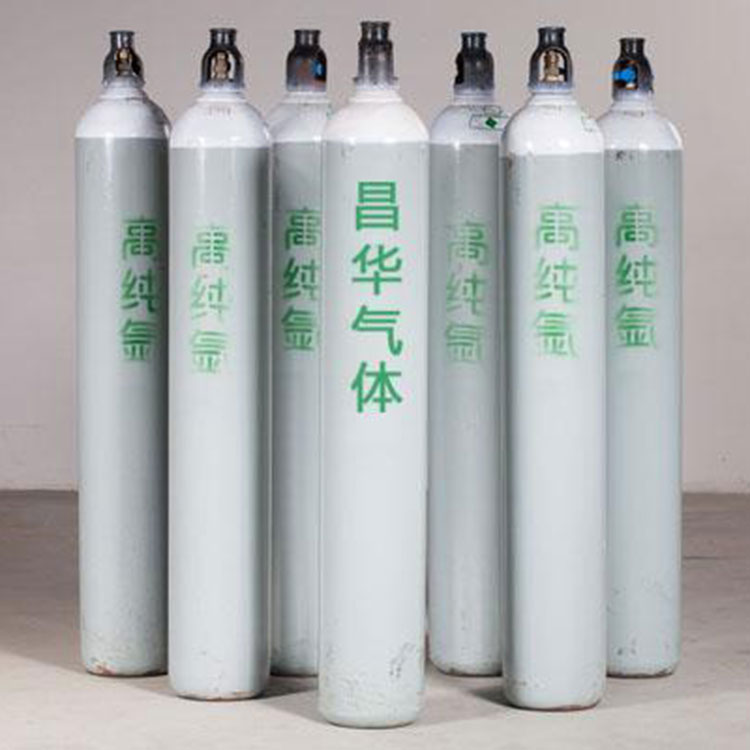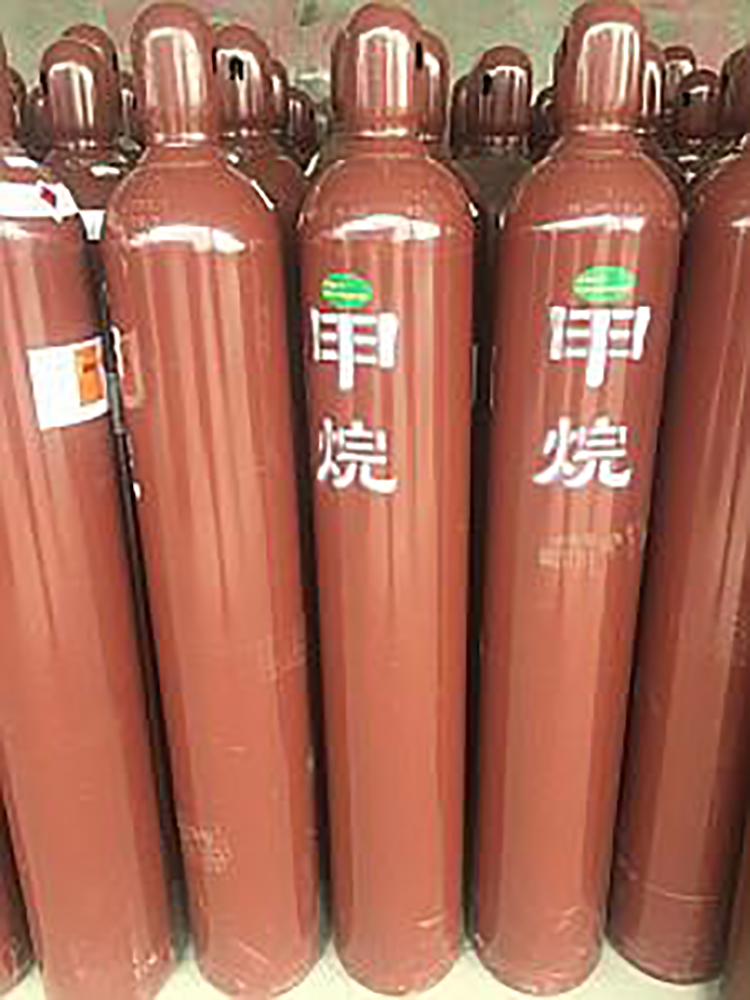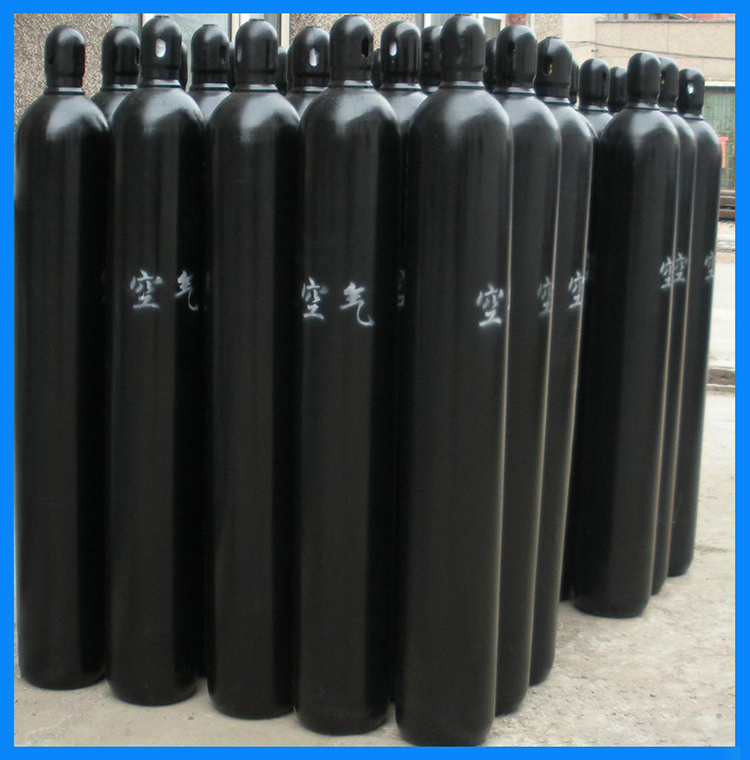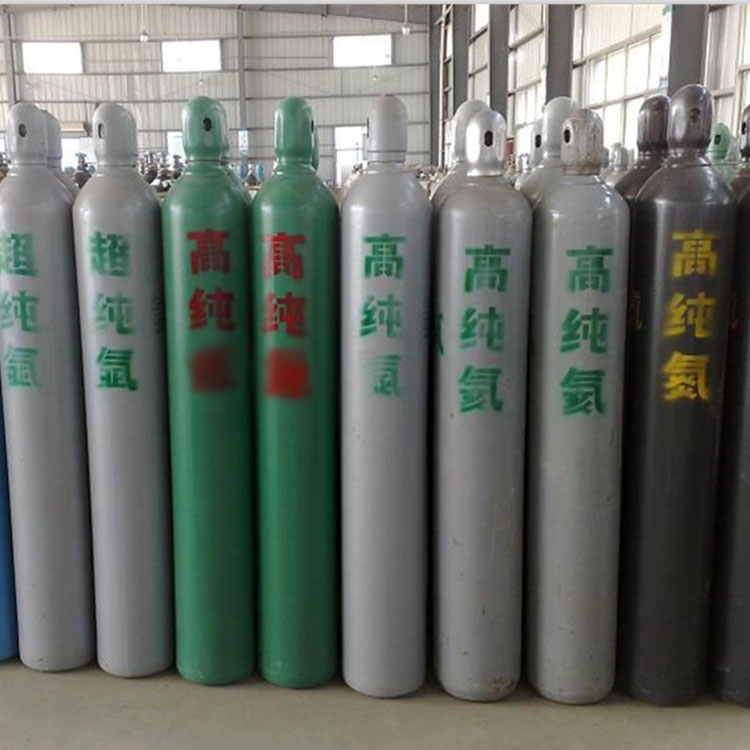

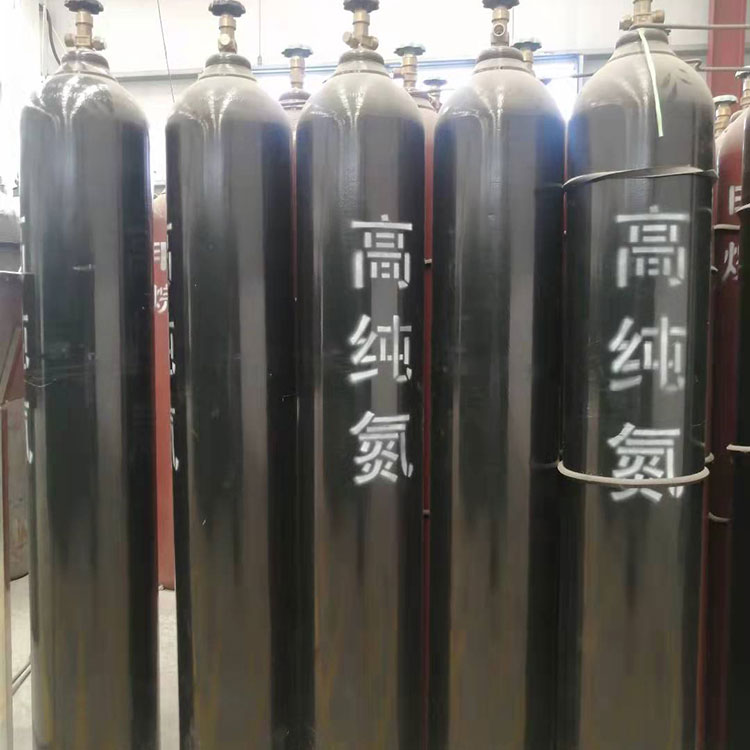


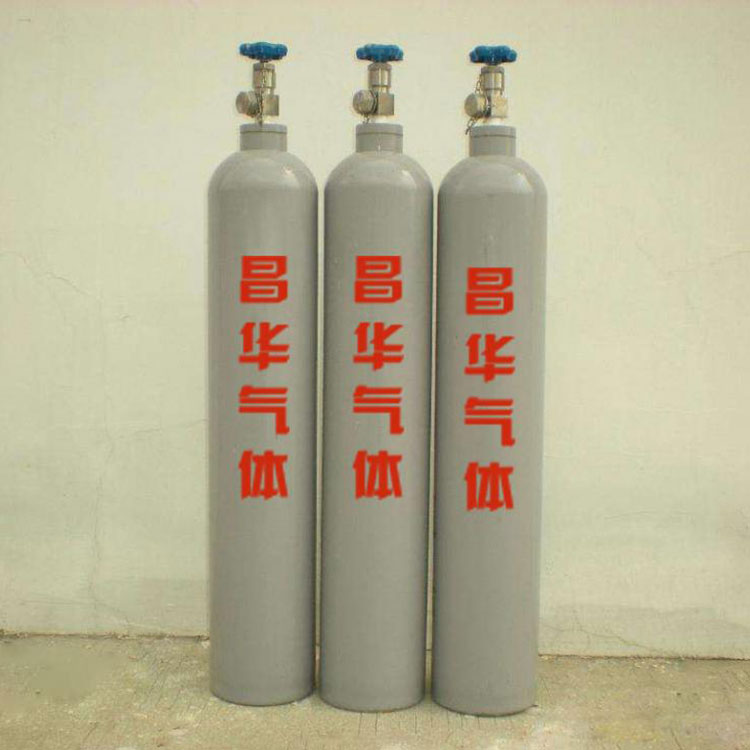
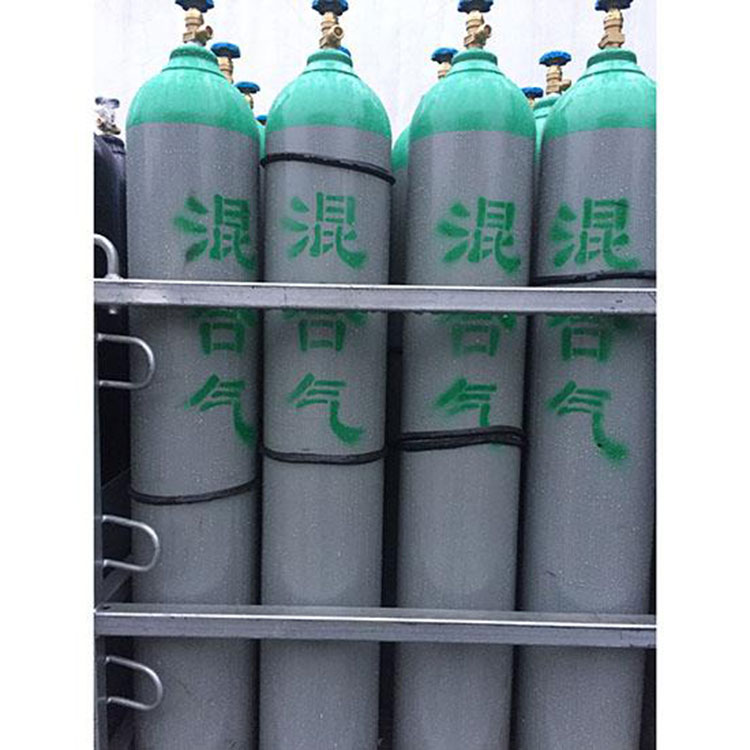
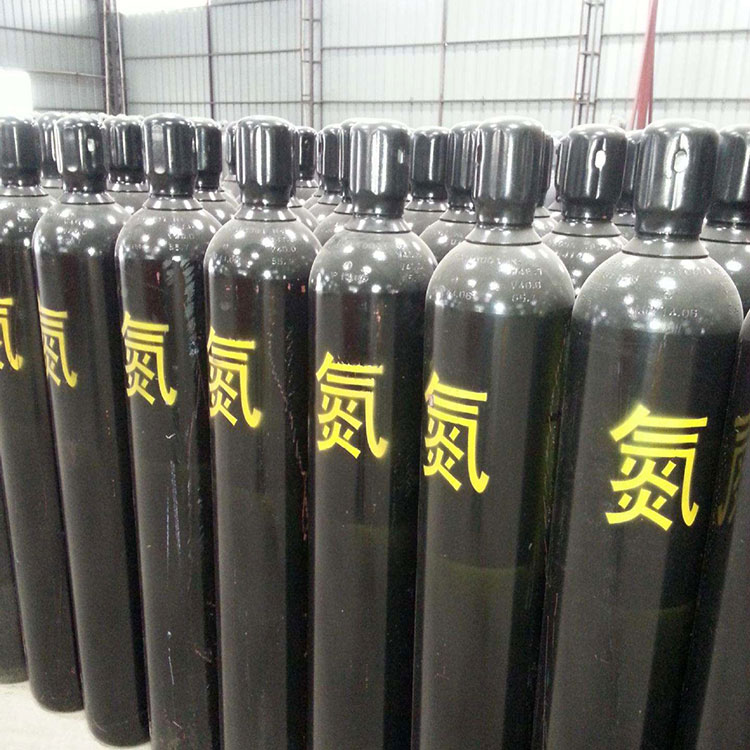
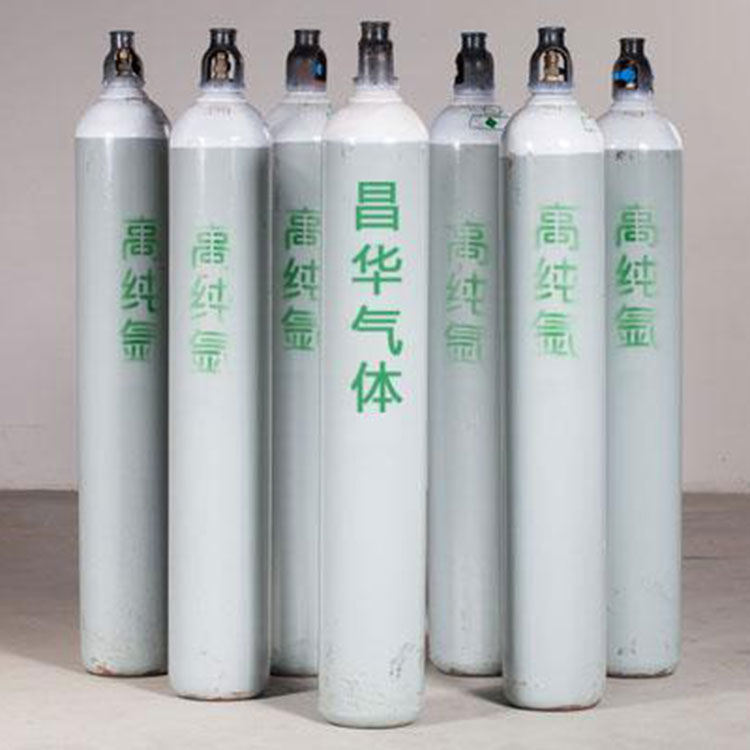





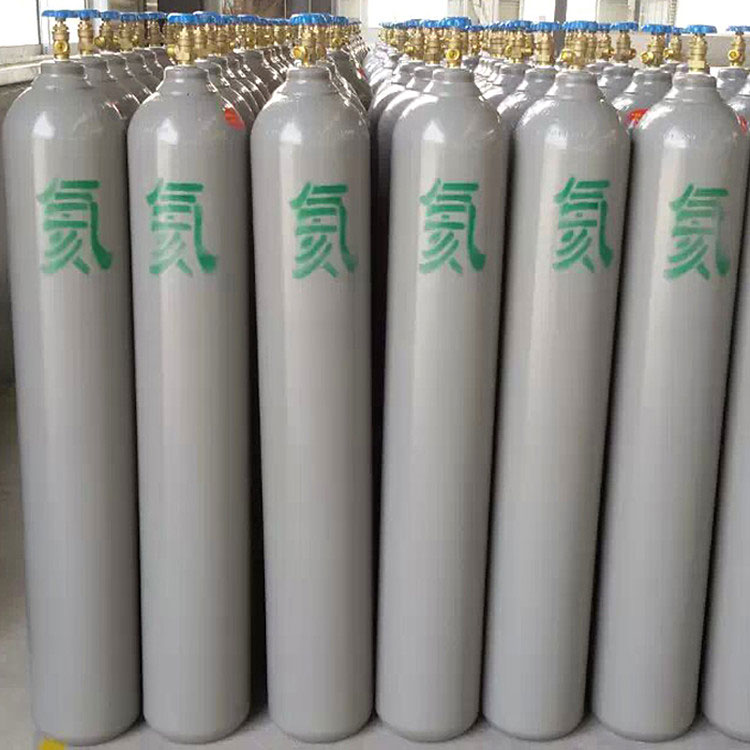
In the industry, products that are in a gaseous state at normal temperature and pressure are collectively referred to as industrial gas products.
A wide variety of gas products are available, generally categorized into two main types: general industrial gases and special gases.
General industrial gases have large production and sales volumes, but they do not require high purity. Special gases, although with smaller production and sales volumes, have very strict requirements for purity or composition, allowable maximum content of harmful impurities, and product packaging and storage, depending on their various uses. They are considered high-tech, high-value-added products.
Typically, specialty gases can be categorized into three types: high purity or ultra-high purity gases, standard calibration gases, and mixed gases with specific compositions.
High Purity Gases refer to gases that can reach a certain purity level through modern purification technology. The purity criteria vary by gas type; for instance, nitrogen, argon, and helium are considered high purity gases if their purity is equal to or exceeds 99.9%; for hydrocarbons, a purity of 99.9% is typically deemed high purity.
Gases products, as a vital basic raw material for modern industry, have a wide range of applications, including metallurgy, steel, petrochemicals, mechanical, electronics, glass, ceramics, construction materials, construction, food processing, and pharmaceuticals._A variety of departments, including therapy, utilize a significant amount of common or specialized gases.