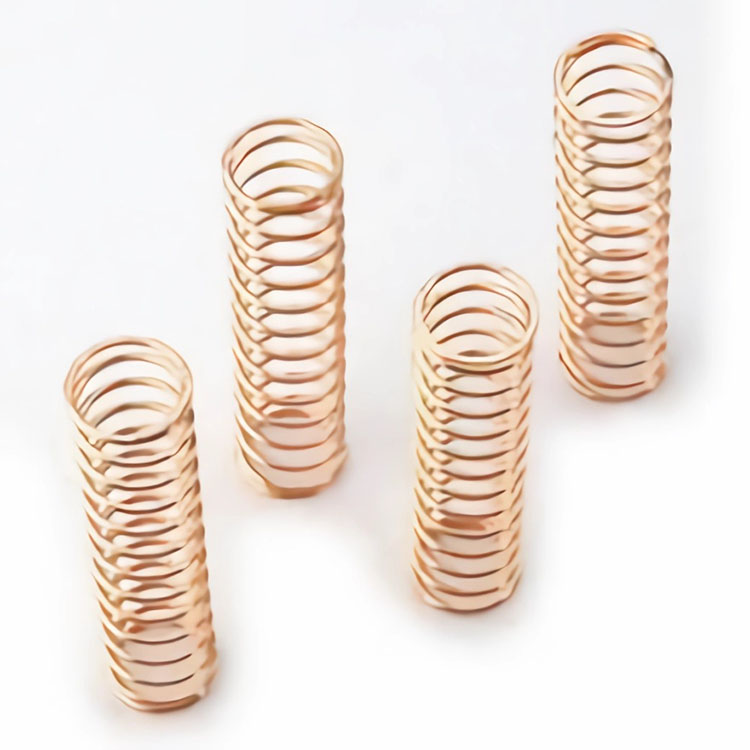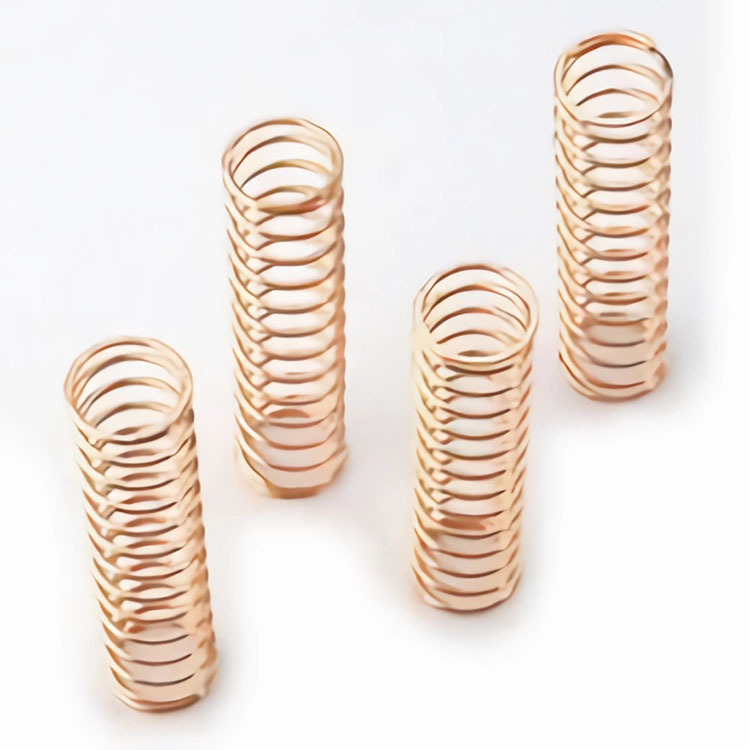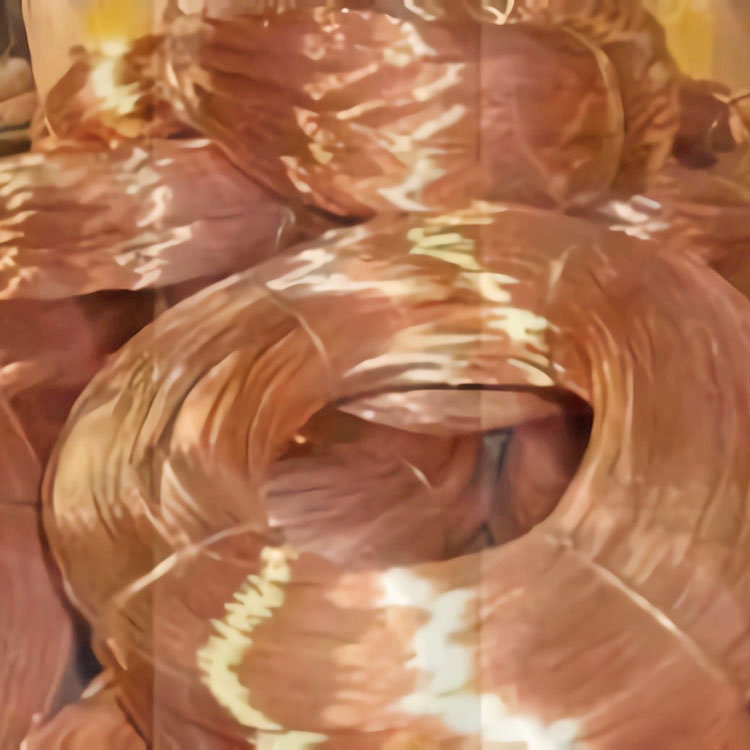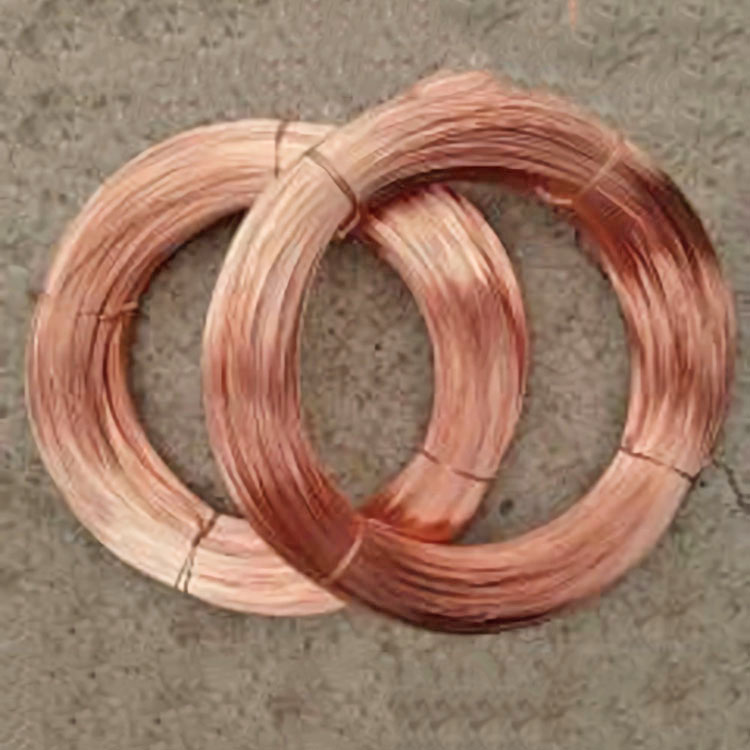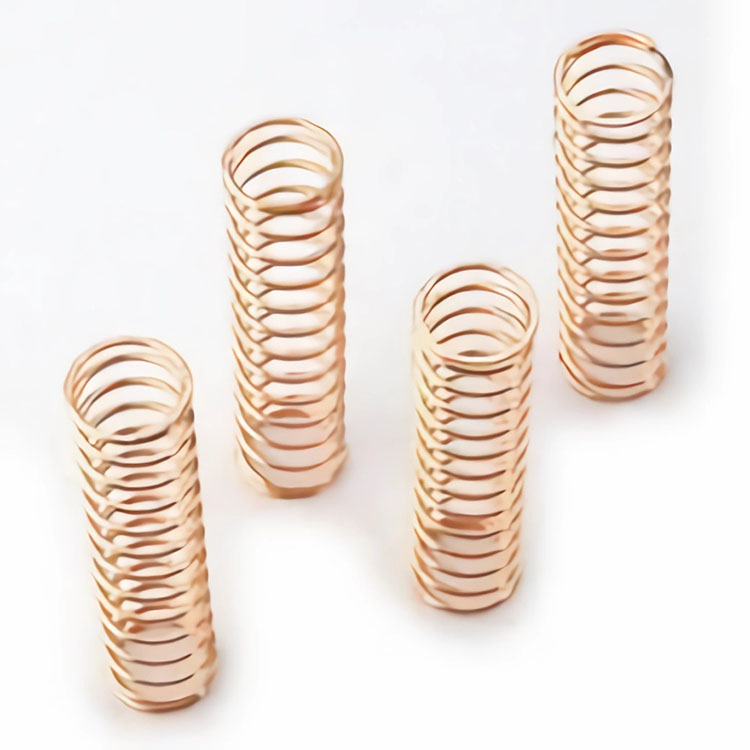

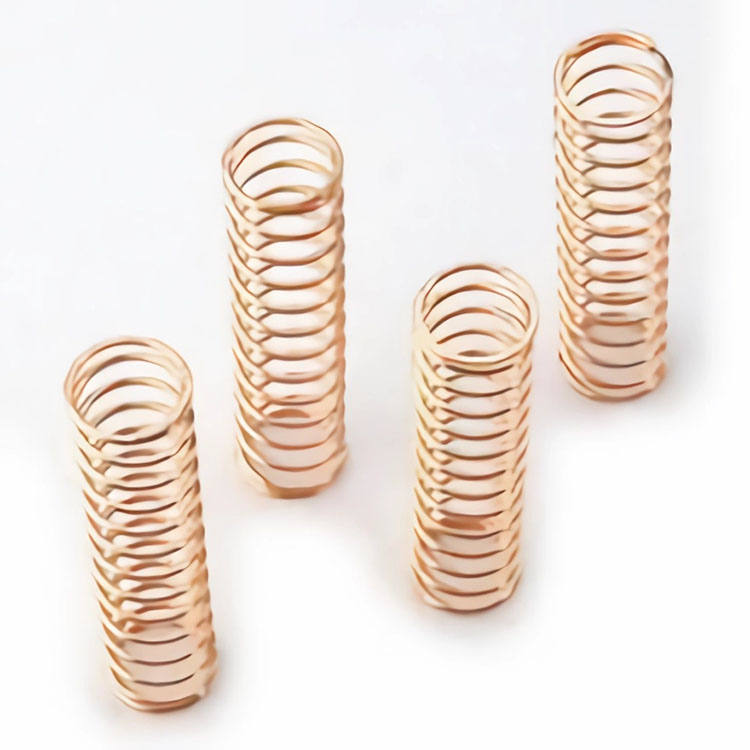
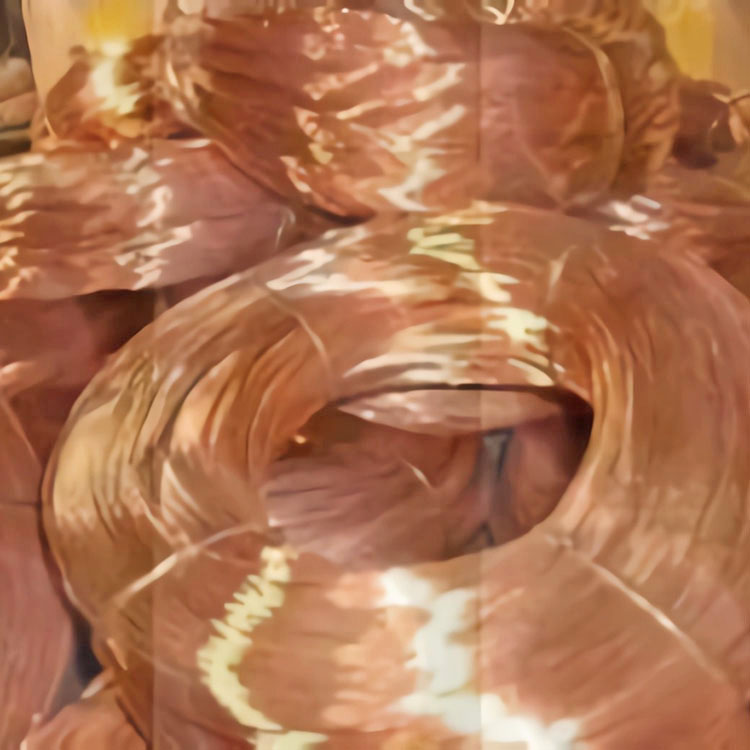
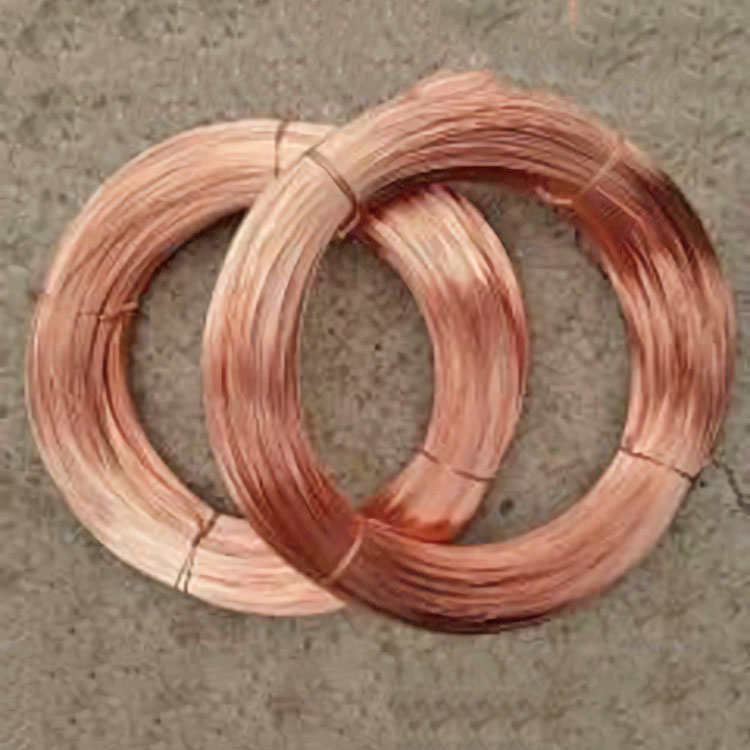











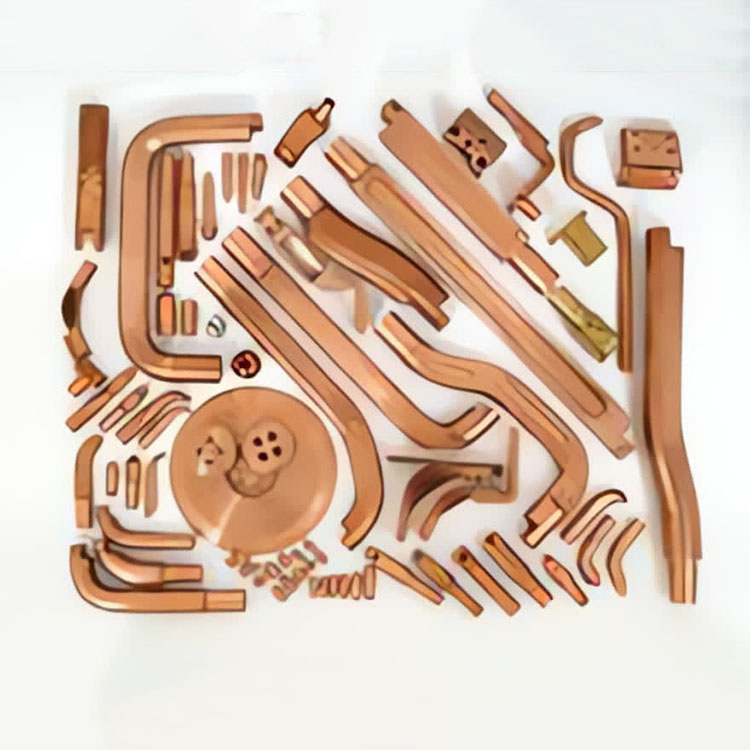
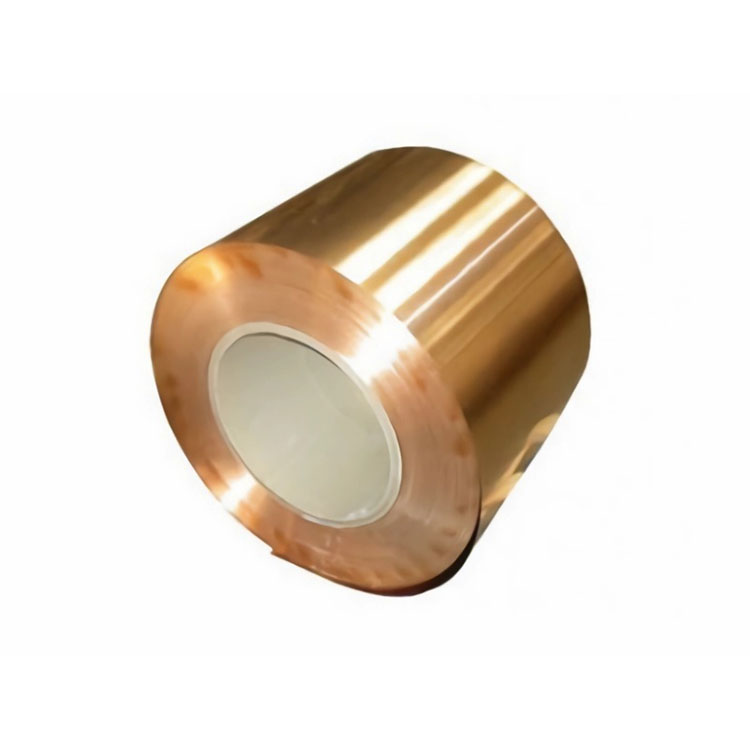
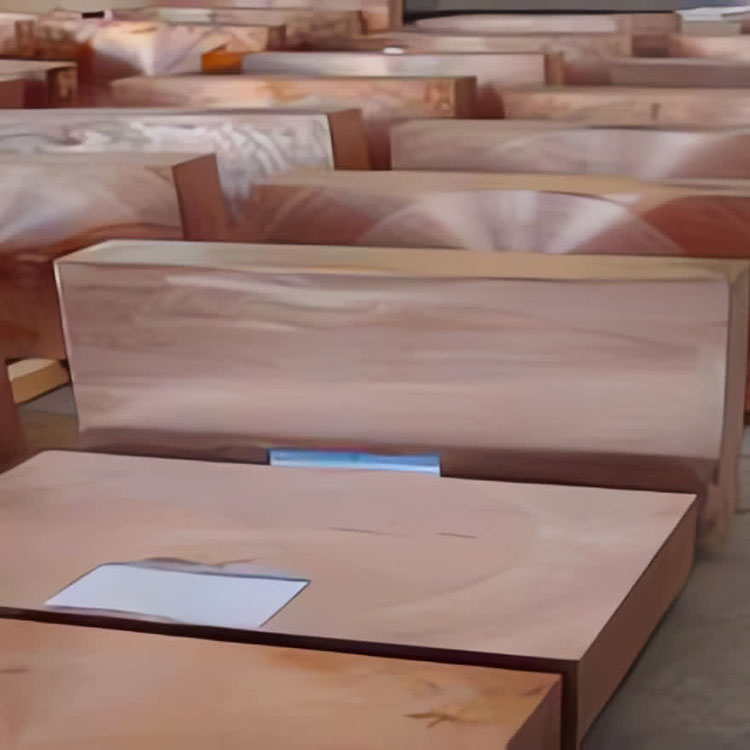


Phosphor bronze, tin bronze, and tin-phosphor bronze are composed of bronze with deoxidizer phosphorus (P) content of 0.03~0.35% and tin content of 5~8%, along with other trace elements such as iron (Fe) and zinc (Zn), offering excellent ductility and fatigue resistance. Suitable for electrical and mechanical materials, they offer higher reliability than general copper alloys.
Tin phosphorus bronze boasts enhanced corrosion resistance, wear resistance, and non-sparking during impacts. It's used for medium-speed, heavy-duty bearings, operating at high temperatures up to 250°C. It features automatic alignment, insensitivity to misalignment, high uniform load-bearing capacity on the shaft, simultaneous radial loading capability, self-lubrication, and no maintenance required.
Tin phosphorus bronze is an alloy copper with excellent conductivity, it doesn't overheat easily, ensuring safety while also boasting strong fatigue resistance.
Tin-phosphorus bronze is suitable for electrical structures with spring leaf contacts, providing a screwless connection or frictionless contact, ensuring a good contact and good resilience with smooth insertion and removal. This alloy boasts excellent machining and chip-forming properties, which can significantly reduce the processing time for parts.