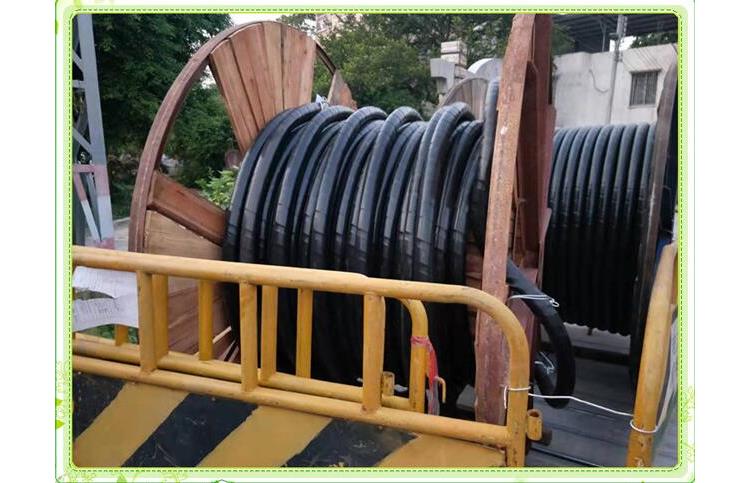
Recycled cable recovery features a wide variety of categories, types, and specifications, along with substantial quantities. Consequently, the usage, stock, batch cycle, and batch size of various materials must be determined. Additionally, the decomposition, recycling, reuse, and disposal of waste materials are highly recommended as an important aspect of cable and wire management.
In a sense, it makes our current cable usage more convenient. Although the cost of cables is quite high, when we can't use them, they can still be recycled. This reduces economic investment significantly. Moreover, if the requirements for cable usage are not stringent, we can entirely opt for recycled cables that meet the standards. The recycling of waste cables holds greater significance, which is why the recycling of waste cables is now a topic of great interest.
Cable recycling and methods for utilizing scrap cables:
1. Hand-peeling Method: This method involves manual skinning, which is inefficient, costly, and provides poor working conditions for workers.
2. Incineration Method: This is a traditional method that involves burning the plastic sheath of waste cables to recover the copper inside. However, it produces serious smoke pollution, and during the incineration process, the copper wires are severely oxidized, reducing the metal recovery rate. This method has been strictly prohibited by various countries.
3. Mechanical Peeling Method: Utilizes a cable stripping machine for processing. This method still requires manual operation, is semi-mechanized, labor-intensive, low in efficiency, and is only suitable for processing thick-wire cables.
4. Chemical Method: The chemical method for processing waste cables was proposed in the 1990s, with some countries conducting research on it. China also carried out research during the "8th Five-Year Plan" period. A major drawback of this method is that the waste liquid produced cannot be treated, which has a significant impact on the environment, hence it is rarely used.
5. Cryogenic Method: This method was also proposed in the 1990s, using liquid nitrogen as the refrigerant to make the waste cables脆 at low temperatures. After crushing and vibration, the plastic sheath is separated from the copper wire segments. China also initiated research on this method during the "Eighth Five-Year Plan" period. However, the drawback of this method is its high cost, making it difficult to industrialize production.

The recycling process for waste cables typically involves cutting them into several sections and then concentrating them for classification. Generally, there are three main methods: longitudinal, transverse, bending, and horizontal fixation. Currently, various crushing techniques are under research. Therefore, focusing on the recycling of waste cables from street lights, for instance. To ensure the smooth recycling of waste cables from street lights, the following conditions must be met:
1. Utilize one-shot molded core material.
2. Excellent fire-resistant properties with cables.

Cables not only ensure stability for users but also allow for the reselection and installation of cables in terms of safety performance. During use, cables can not only protect the environment but also enable the reselection and installation of cable usage, as well as reorganize the cable environment.
Guangzhou Yungong Recycling Resources Co., Ltd. adheres to the philosophy of "striving for excellence, refining continuously, honoring commitments, and seeking truth." We are committed to ongoing research and innovation, and to providing superior service to our clients.