
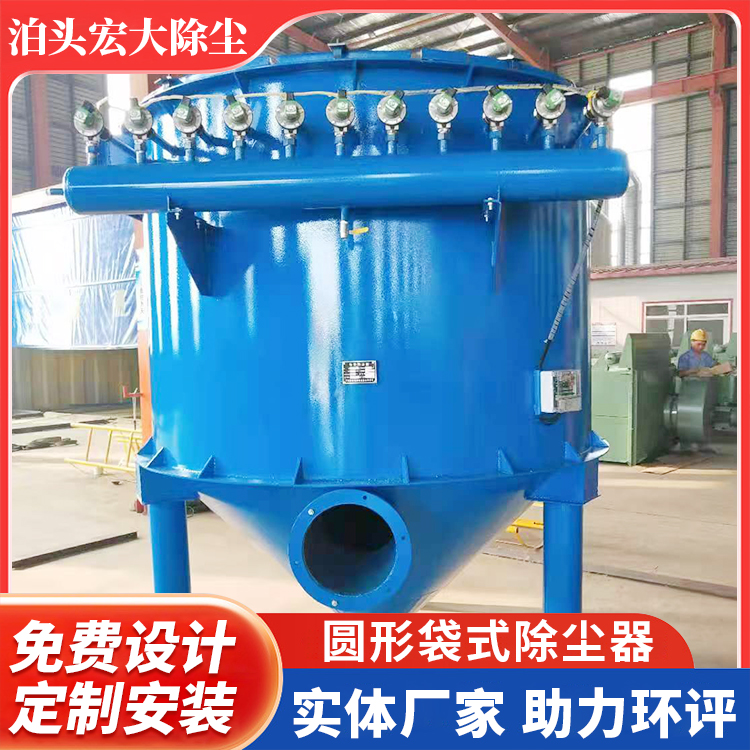






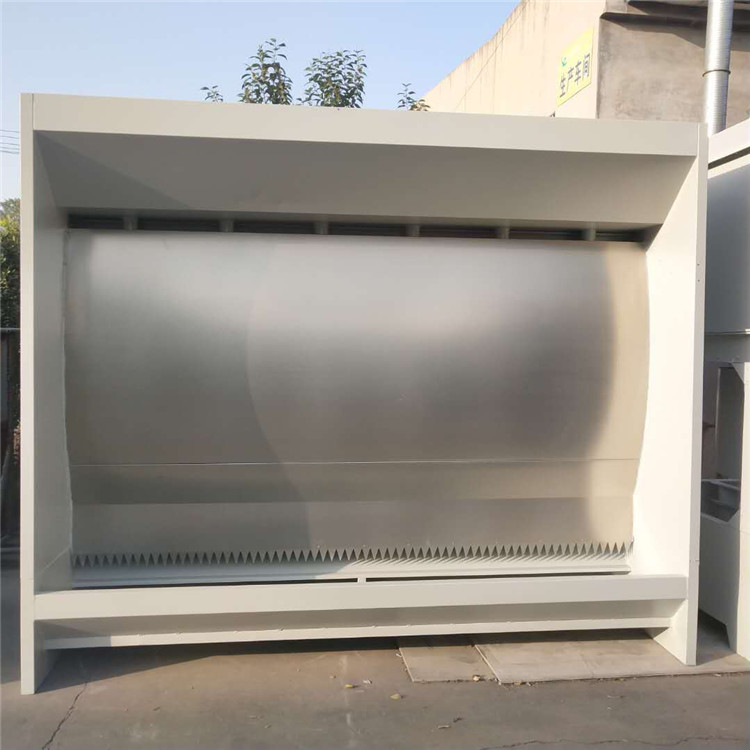
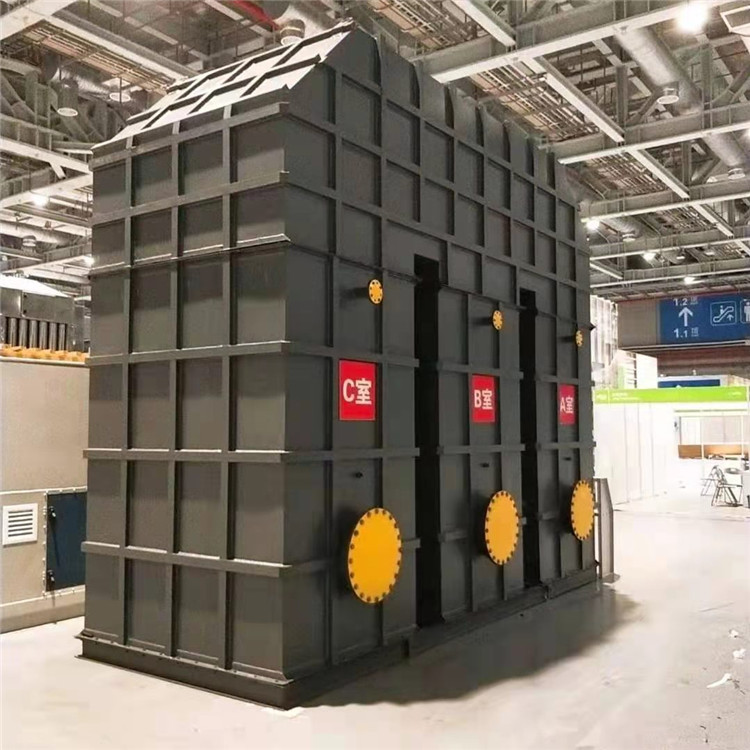
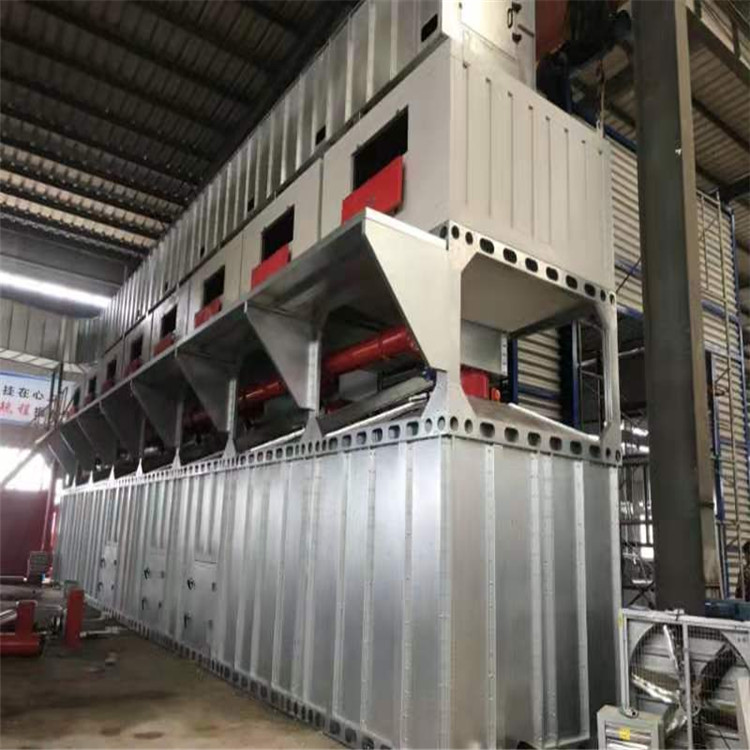
Hainan Vortex Tower vs. Cyclone Tower – Customizable Options
Shandong Zhongcheng Liangchuang Environmental Protection Technology Development Co., Ltd. has been committed to the design, research and development, and production of coating products and environmental purification products for a long time. The company boasts strong technical capabilities, advanced processing equipment, refined techniques, comprehensive testing methods, and a sound quality assurance system.Certification system.
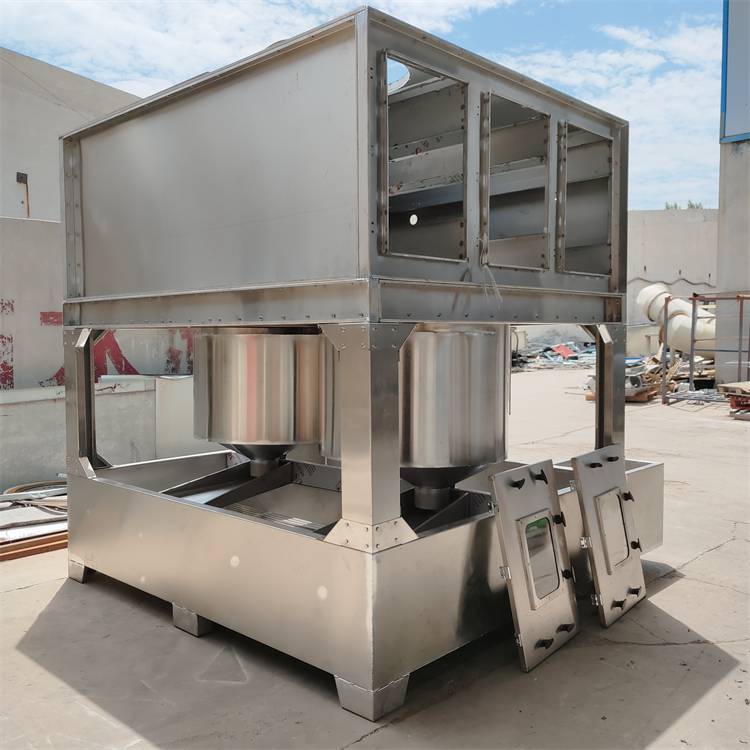
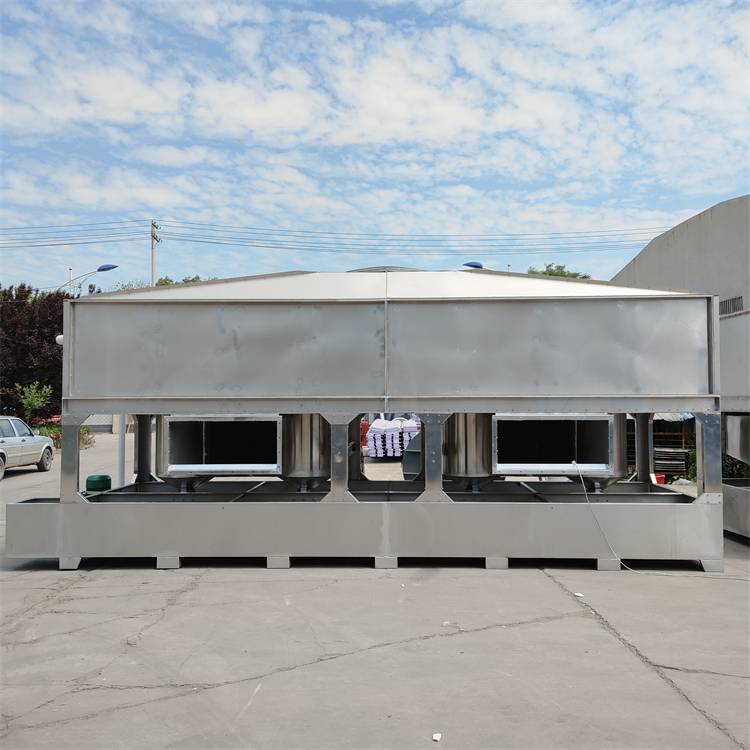
Tornado TowerApplication Fields:
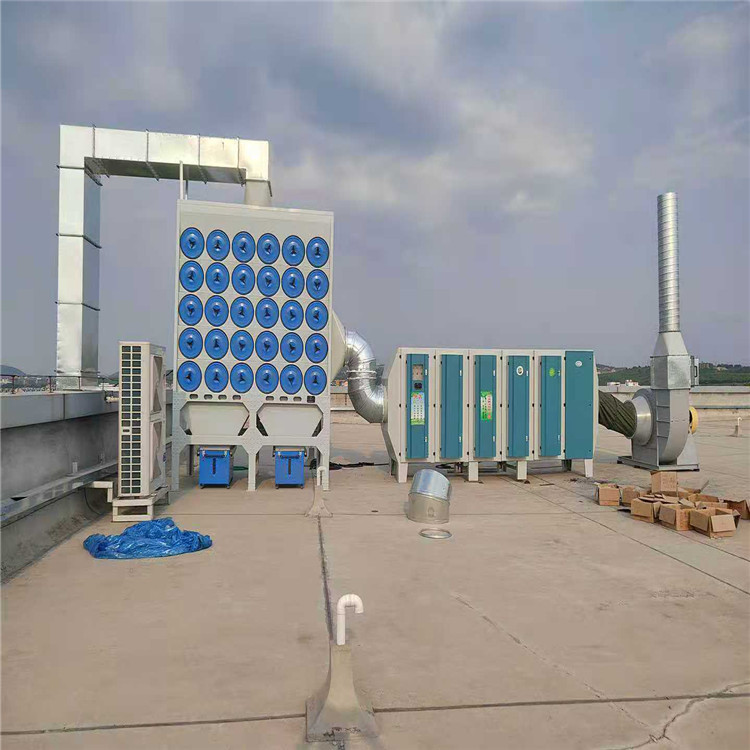
Wet grinding polishing dust removal, spray painting exhaust pre-treatment, boiler dust removal, smelting furnace black smoke exhaust pre-treatment, industrial smoke pre-treatment, and other industrial exhaust pre-treatment.
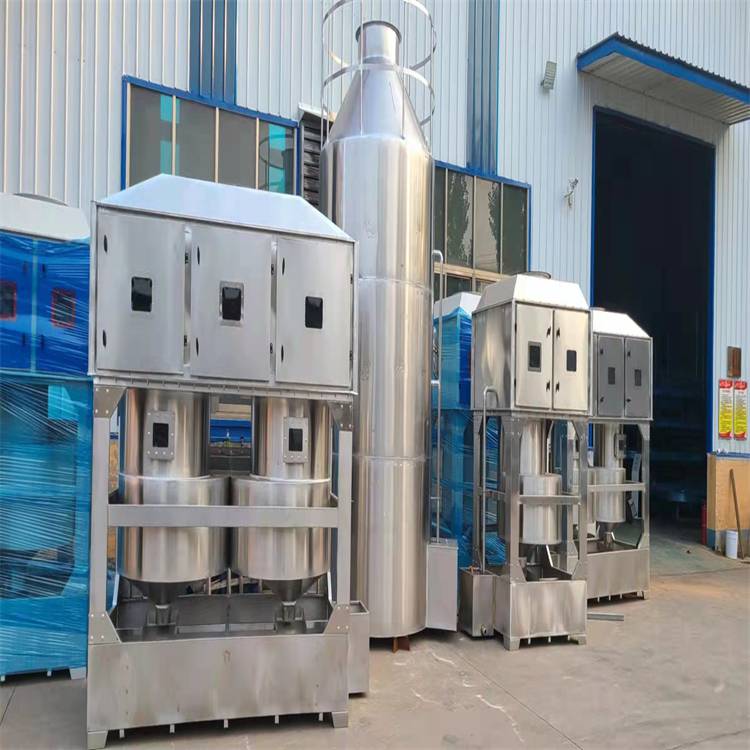
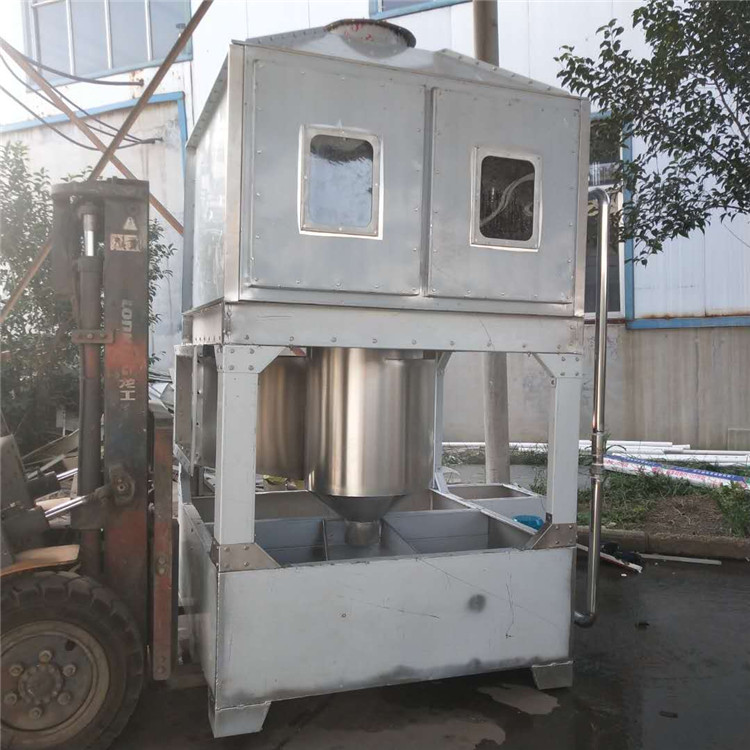
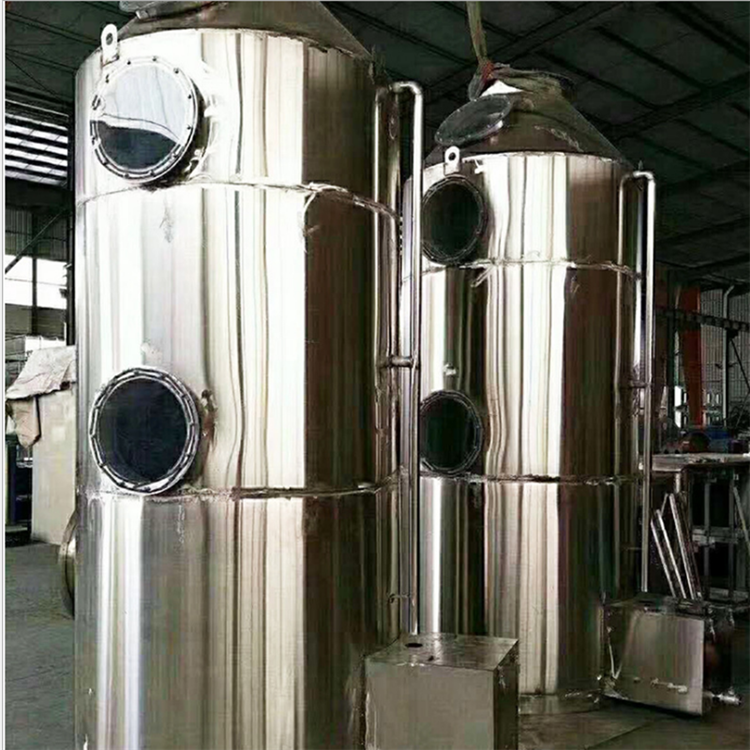
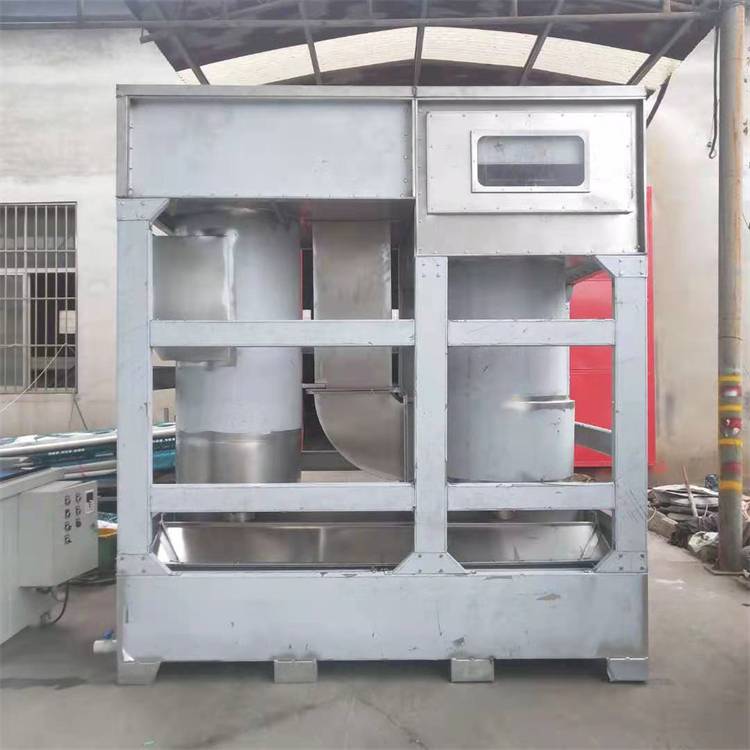
Design of a Cyclone TowerPrincipleTurbulent TowerThe design utilizes the centrifugal force of the cyclone separator to separate large particles and fibrous matter from the dust, which then fall from top to bottom into the dust collection box. Some light and fine dust particles are then guided through the top pipe into the water-washing cyclone tower, where they are propelled against the tower walls by centrifugal force and collected by a flowing absorbent liquid from top to bottom. As the dust particles pass rapidly through the cyclone tower plates, the absorbent liquid on the blades is blown into tiny droplets. Through mechanisms such as collision and interception, dust particles, absorbent liquid, and droplets interact, causing collisions among the particles.Particle size continuously increases. Under the guidance of the cyclone tray plates, the rotational movement intensifies, generating strong centrifugal force. Dust particles are easily separated from the exhaust gas and flung towards the tray wall, where they flow downwards under gravity to achieve gas-solid separation. For the fine dust particles in the exhaust gas, not all can be captured after passing through the trays; a certain number of particles escape. As they pass through multiple trays, the fine dust particles coalesce, increasing in mass and are then captured and separated. They then enter the upper multi-faceted spherical adsorption filtration layer for moisture removal, as the large surface area of the spheres enhances their adsorption capacity. The filtered gas is then discharged outdoors via a vacuum fan.
WeChat Official Account

Scan to follow Official Account