






Footwear Factory Waste Gas Treatment Equipment, Zeolite Wheel, Catalytic Combustion
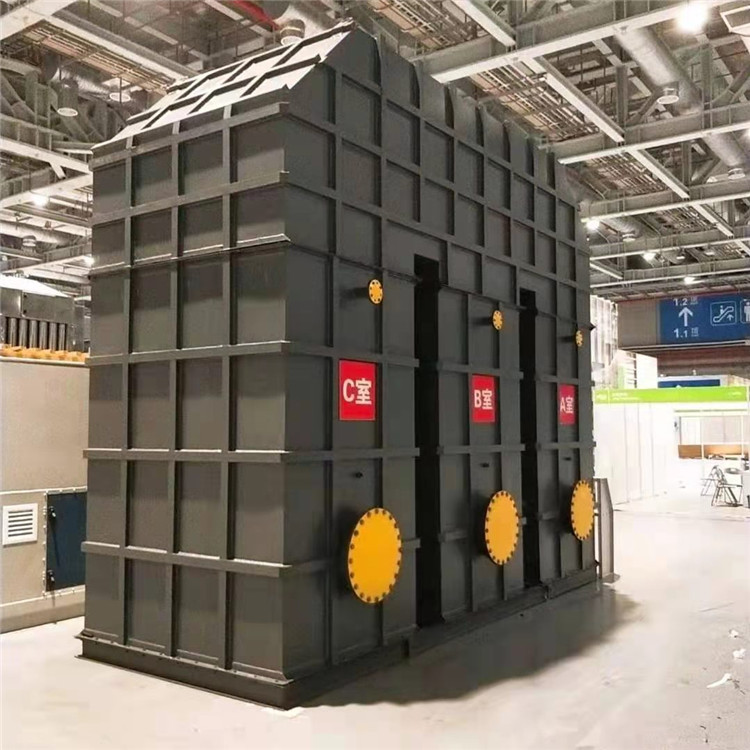
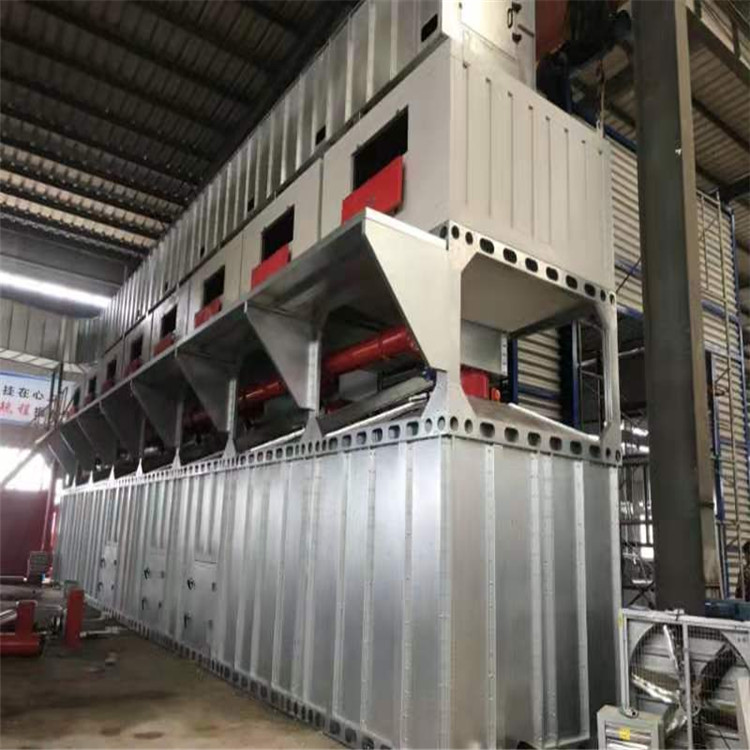
Zeolite wheel is one of the commonly used equipment for treating industrial waste gases. The zeolite wheel浓缩s large volumes of low-concentration waste gases into small volumes of high-concentration waste gases, thereby reducing equipment investment and operating costs while enhancing the efficient treatment of VOC waste gases.

Waste Gas Treatment Effectiveness
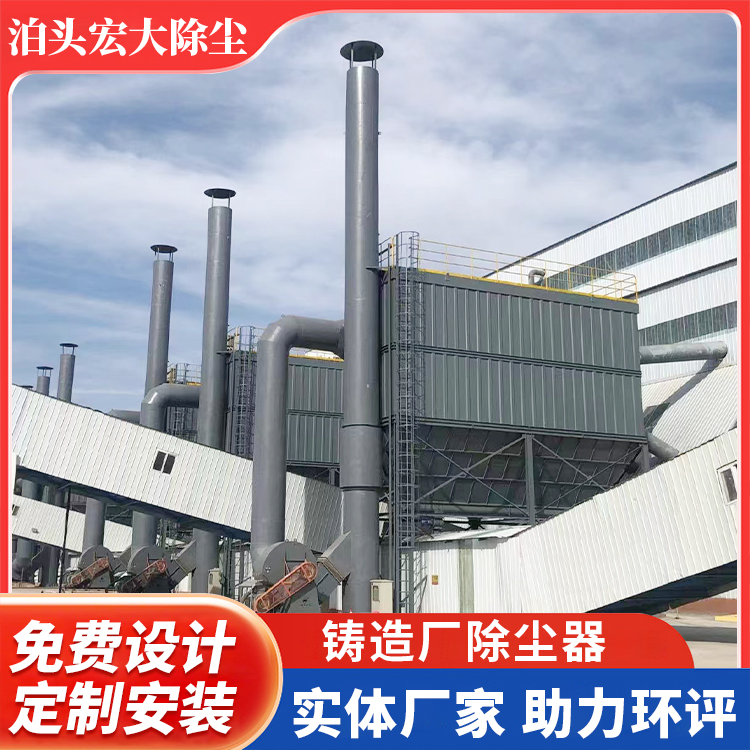
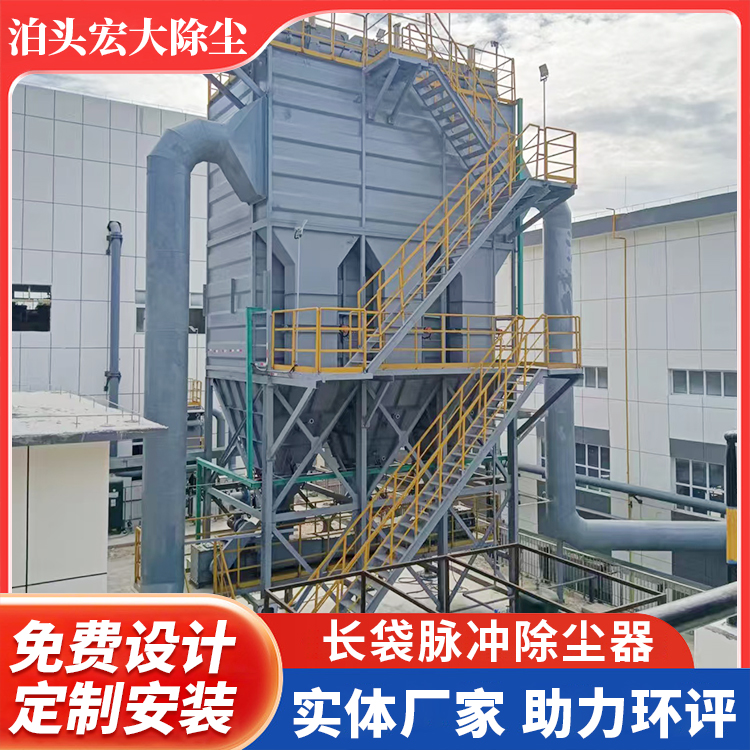
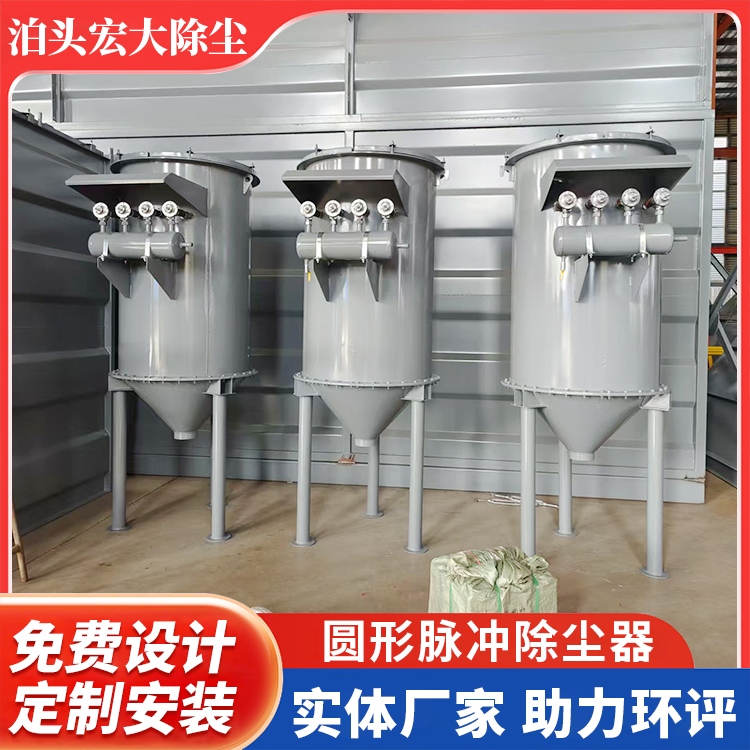
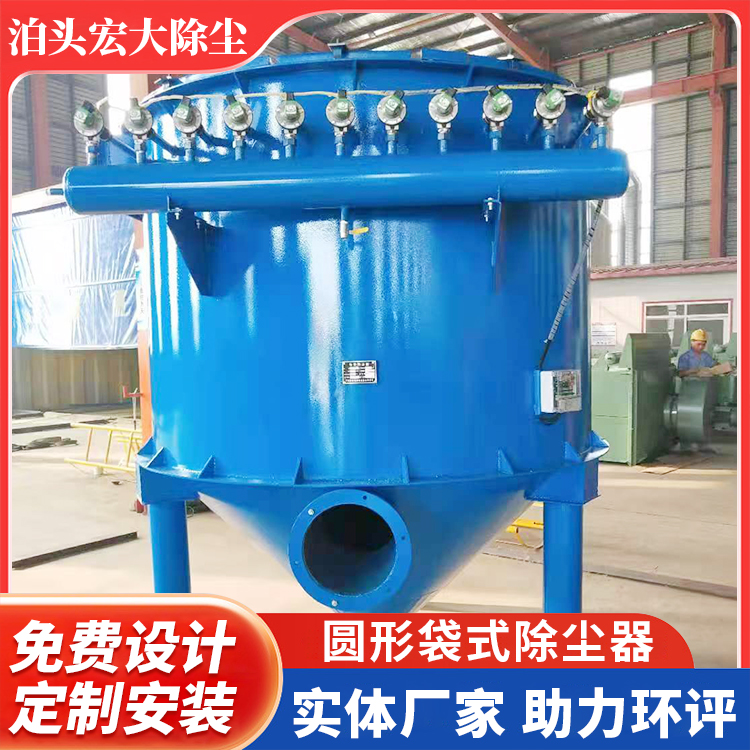
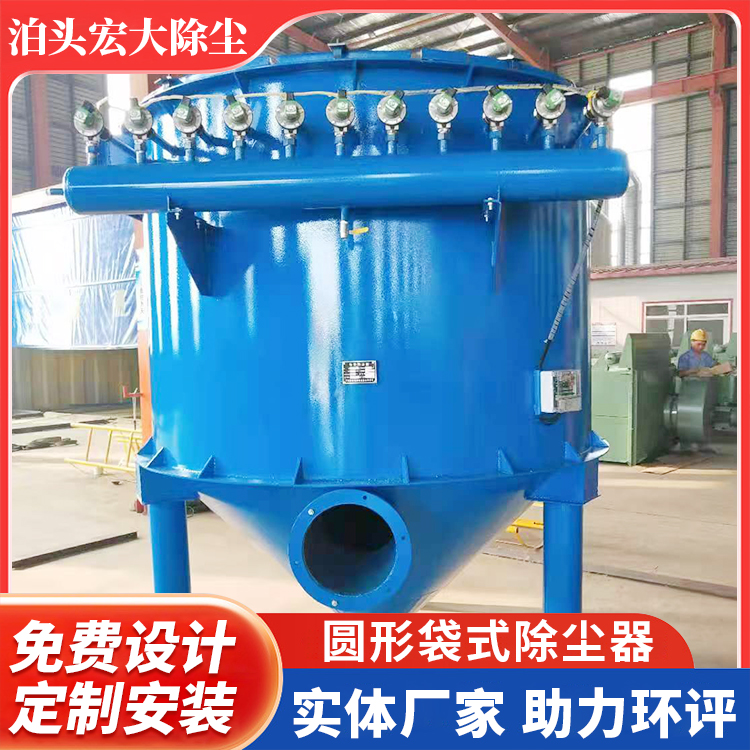
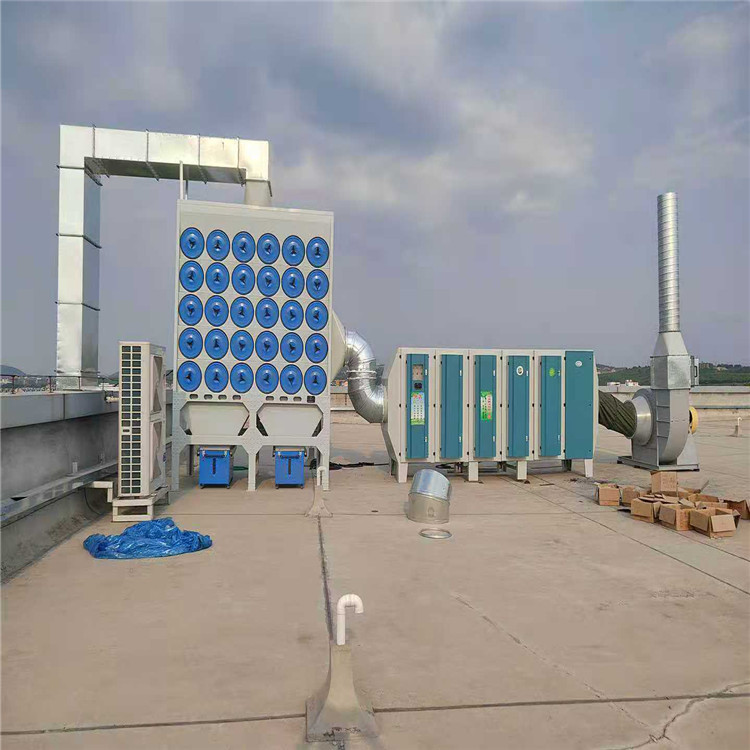
The company is currently in production. In the blending process of the workshop, raw and auxiliary materials containing volatile organic compounds are used. The workshop is equipped with an oven, kneader, vacuum blending machine, and drying chamber, all of which are produced in enclosed spaces. The exhaust gases produced are discharged through the equipment's own exhaust gas collection pipes, with an exhaust gas capture efficiency of 95%. The workshop's process exhaust gases are emitted after being treated by a bag dust collector. The exhaust gas passing through the filter is processed through a zeolite wheel + hot air desorption catalytic combustion unit, which is optimized by the electrical control system. This setup effectively treats the exhaust gases while also saving energy.

Technical Features of Zeolite Turnover Wheel
Zeolite Wheel Adsorption and Catalytic Combustion Technology Features:
Utilize the bypass internal circulation adjacent to the adsorption zone. If the off-gas does not meet the standard after passing through the adsorption zone, it will enter this circulation, repeating the adsorption process to enhance the adsorption efficiency.
Utilizing an auxiliary cooling air system, in the face of complex operating conditions, VOCs concentrations will significantly increase. Part of the cooling air will enter the adsorption zone, thereby reducing the desorption air volume and supplementing fresh air. The establishment of this auxiliary system allows for the dilution of VOCs concentrations with fresh air, extending the treatment time.
The application of the induced draft fan facilitates bypass control, eliminates the cooling fan, and manages VOCs concentration at the impeller, thereby achieving the temperature control objective.
In the catalytic combustion chamber, replacing the electric auxiliary heating system with heat transfer 2 can maintain the reaction heat temperature between 500 and 600 degrees.
The rotational speed of the drum is easily adjustable, reducing VOCs adsorption within a unit of time, thereby enhancing the system's safety.