




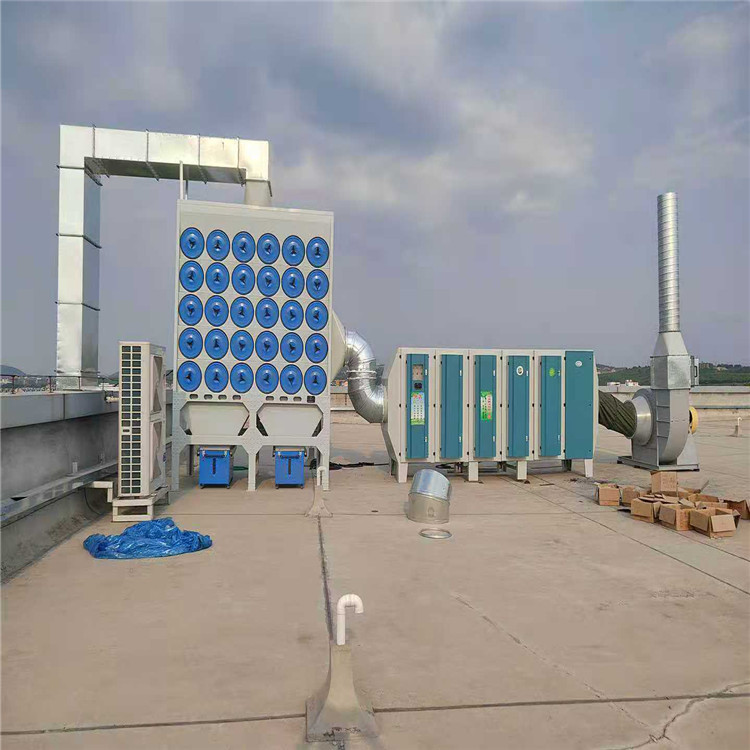
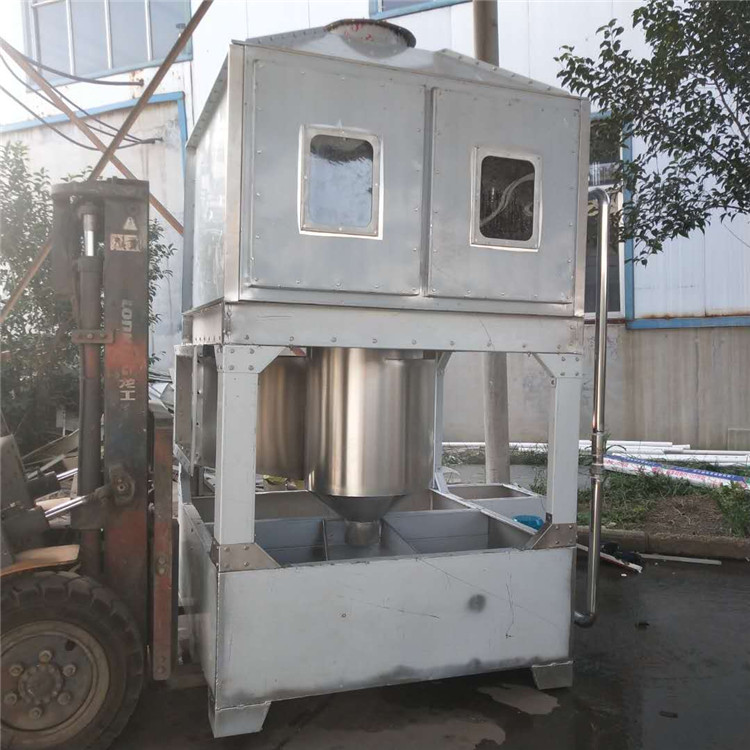
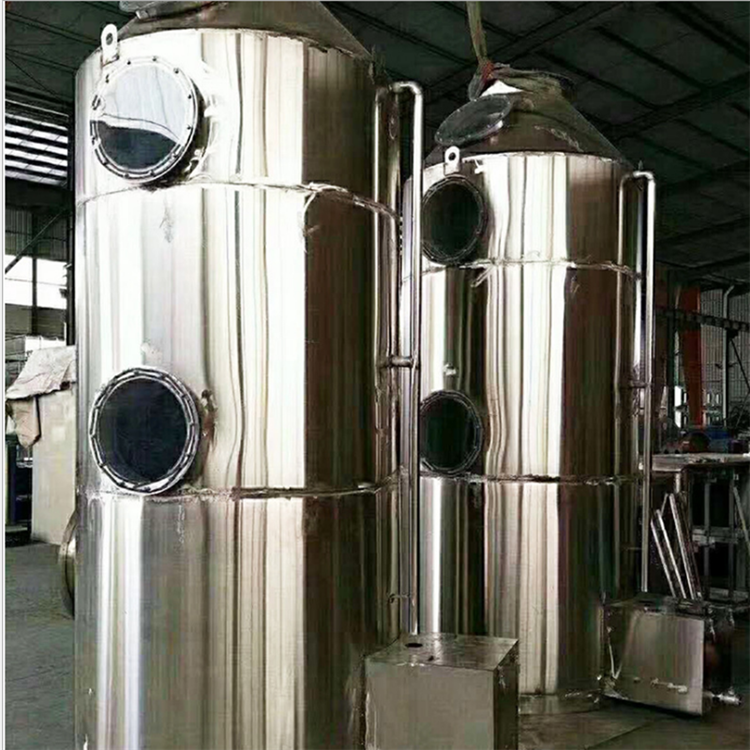
Oily Waste Gas Treatment Equipment, Electric Tar Trap, Electrostatic Dust Collector
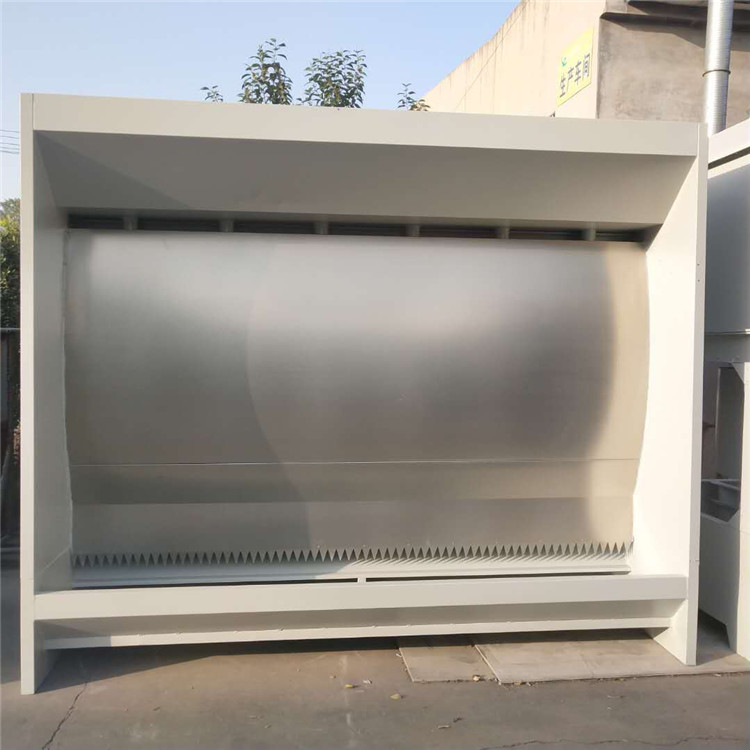
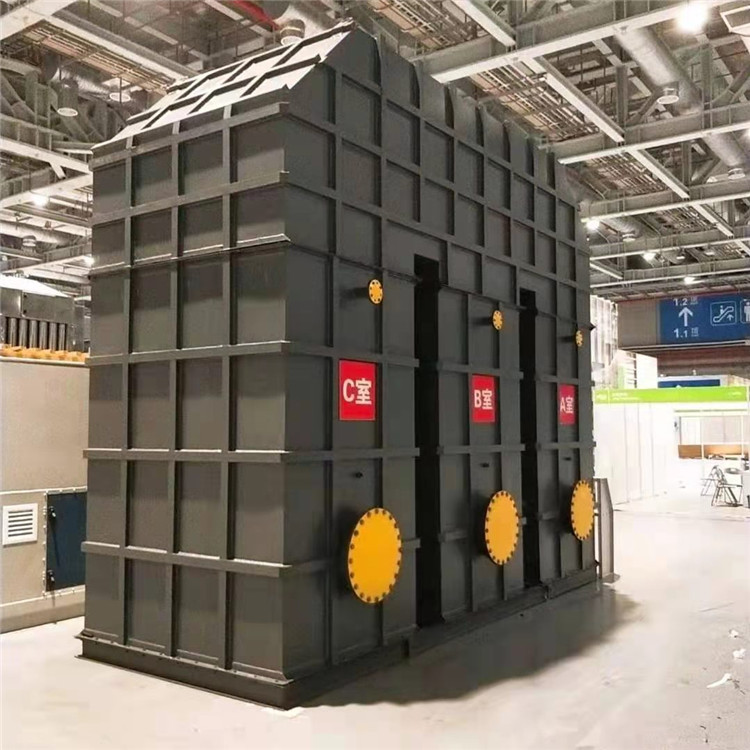
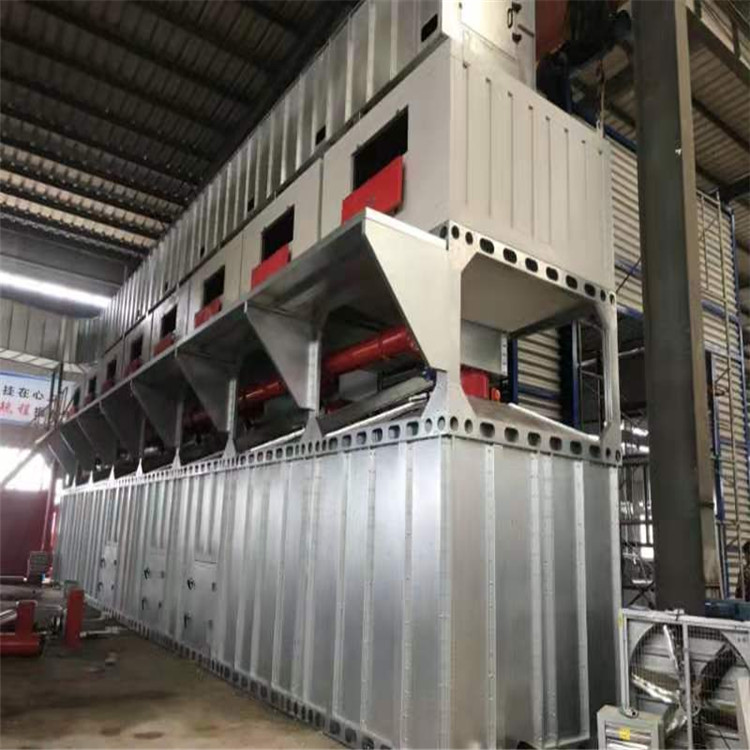
Electrostatic tar remover comes in three structural types: concentric circular, tubular, and honeycomb. Wet electrostatic precipitator has several structural forms, including one that uses corrosion-resistant conductive materials for the dust collection electrode, and another that uses non-conductive materials, which form a conductive water film through spraying or overflow water, to create a dust collection electrode that does not conduct electricity. The purification principles differ: the electrostatic tar remover purifies by attracting negative ions and electrons to impurities like tar mist droplets as they pass through the electric field. These impurities, under the influence of the electric field's Coulomb force, move to the sedimentation electrode, release their charge, and adhere to it, achieving the goal of purifying the gas. The wet electrostatic precipitator relies on high-voltage corona discharge to charge the dust particles, which, once charged, are drawn to the collection plate under the influence of the electric field. It then employs a regular flushing method to remove the dust as it flows with the flushing liquid.

Dust removal characteristics differ: Electric tar precipitator features include high tar collection efficiency, low resistance loss, and large gas treatment capacity. It not only ensures the subsequent process requirements for gas quality but also improves product recovery rates and significantly enhances operating environment. Wet electric precipitator boasts high dust removal efficiency, low pressure loss, simple operation, low energy consumption, absence of moving parts, no secondary dust, low maintenance costs, short production downtime, operability below flue gas dew point temperature, and the ability to integrate with other flue gas treatment equipment due to its compact structure, along with diverse design forms.

The key points for improving the efficiency of an electric tar separator: It's important to note that the working environment of the electric tar separator is a vacuum environment. To maintain this environment, it is necessary to continuously monitor the oxygen content of the gas. Generally, an artificial oxygen content test should be conducted every two hours. In addition, it is advisable to install a corresponding gas oxygen content analyzer and set an alarm to be triggered when the oxygen content exceeds the limit, allowing for timely troubleshooting and fault elimination.
When using an electric tar separator, manufacturers should pay attention to the pressure of the collection pipe and the drainage of the water seal. The pressure of the collection pipe should be controlled within the specified range, and adjustments should be made if it exceeds the standard. The water seal and drainage of the electric tar separator must be ensured for long-term normal operation. Record the voltage and current values regularly. If voltage fluctuations are detected, they must be checked promptly. If voltage fluctuations are caused by dirt accumulation on the corona wire, the interior of the electrical control box and the exterior of the transformer should be cleaned. If an interlock alarm occurs in the operation cabinet of the electric tar separator, the first step is to check if the circuit breaker has tripped.