

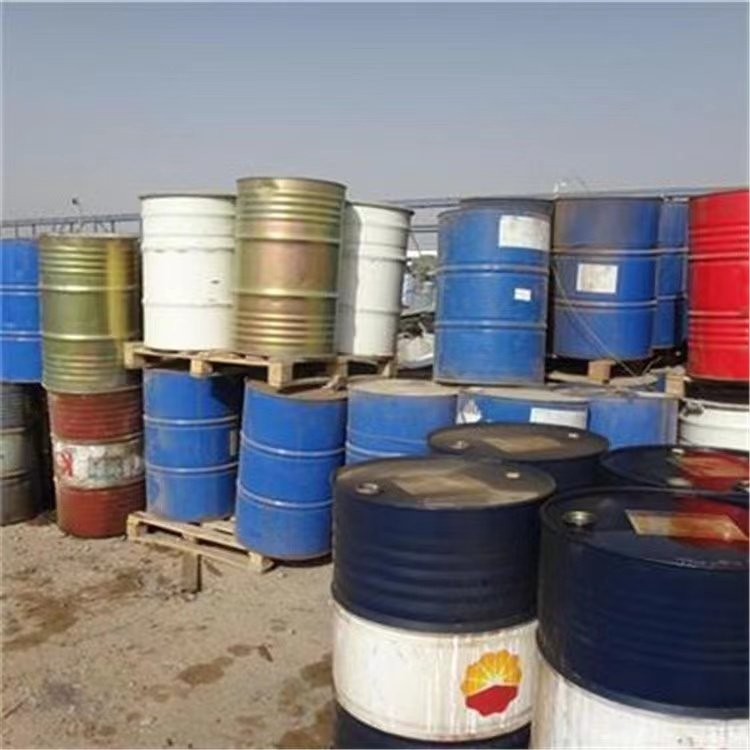













Shenzhen Shuntong Waste Oil Recycling Co., Ltd. emphasizes environmental protection, striving for the full utilization of waste energy. We operate with integrity, focusing on waste oil recycling, and provide services to various factories, organizations, and fellow waste oil recyclers. To save your company's capital, we advocate for waste utilization, turning waste into cash, and offer long-term high-price recycling of all kinds of waste oil.
1. Recycled waste engine oil, waste diesel oil, screw oil, hydraulic oil, spark plug oil, white mineral oil, white electrical oil, air compressor oil, thermal oil, roast duck oil,泔水 oil, cooking oil, etc.
Two, Shuntong Waste Oil Recycling Co., Ltd. is a comprehensive processing enterprise specializing in the collection, classification, and processing of waste chemical and waste oil materials. Our purchasing department has a team stationed at each service point in Shenzhen, Dongguan, and Huizhou: all districts and towns in Shenzhen, all districts and towns in Dongguan, all districts and towns in Huizhou, Longgang District, Bao'an District, Futian District, Yantian District, Pinghu Town, Buji Town, Longgang Town, Kuiyong Town, Dapeng Town, Xian'an Town, Guangming Town, Fuyong Town, Shejinkou Town, Songgang Town, Gongming Town, Shiyang Town, Longhua Town, Guanlan Town, Dalang, Xintian, and more. We offer quick on-site service,热情服务, honest operation, high-price recycling, and cash settlements.
High-Value Recycling Range: Waste hydraulic oil, waste spark plug oil, waste engine oil, waste transformer oil, waste kerosene (live water), waste thermal oil, waste diesel, waste white mineral oil, waste white electrical oil, waste cutting oil, waste pine oil, waste ingot oil, waste solor oil, waste grease, waste vacuum pump oil, waste air compressor oil, waste turpentine oil, waste gear oil, waste guide rail oil, and bottom oil of edible waste oil drums, various machine waste oils, lubricants, and oil drums.
1. Precautions for recycling waste oil: 1. Prior to recycling, ensure thorough sedimentation and removal of water and impurities to enhance distillation and filtration efficiency and minimize losses. 2. During distillation, avoid overfilling the oil; two-thirds full is recommended to prevent overflow. Do not heat too quickly when the temperature reaches 80-100°C. Only release the remaining oil after the oil temperature drops below 150°C to prevent spontaneous combustion. 3. Wear rubber gloves and protective goggles during handling to prevent burns. Acid sludge should be buried deeply and not allowed to flow everywhere; it can also be mixed with poor-quality coal as fuel and burned. 4. Dry the activated clay before use and add it slowly to prevent excessive foaming and potential fires. 5. Equip the distillation pot with a safety valve and pressure gauge. Ensure no pressure inside the pot during distillation for safe operation. 6. When recycling oil, be cautious of fire hazards and have a sufficient number of fire extinguishing tools on hand.
Recycled Waste Hydraulic Oil Source: Waste hydraulic oil primarily comes from injection molding machines (press machines) in plastic and electronic factories, other hydraulic machinery, and regularly replaced oil products used for pressure transmission, including brands like Shell, Mobil, Great Wall, etc. Characteristics: Yellow, clear and transparent; red, slightly translucent; cloudy, dark red with various appearances, generally related to the service life and brand; water content not exceeding 3%; free of mixed chemical components; slightly has a plastic carbon smell; after waste oil recycling processing, it can be used as a base oil raw material in lubricating oil factories, reground hydraulic oil, or for other low-end applications, and can also be used in place of white mineral oil.




















