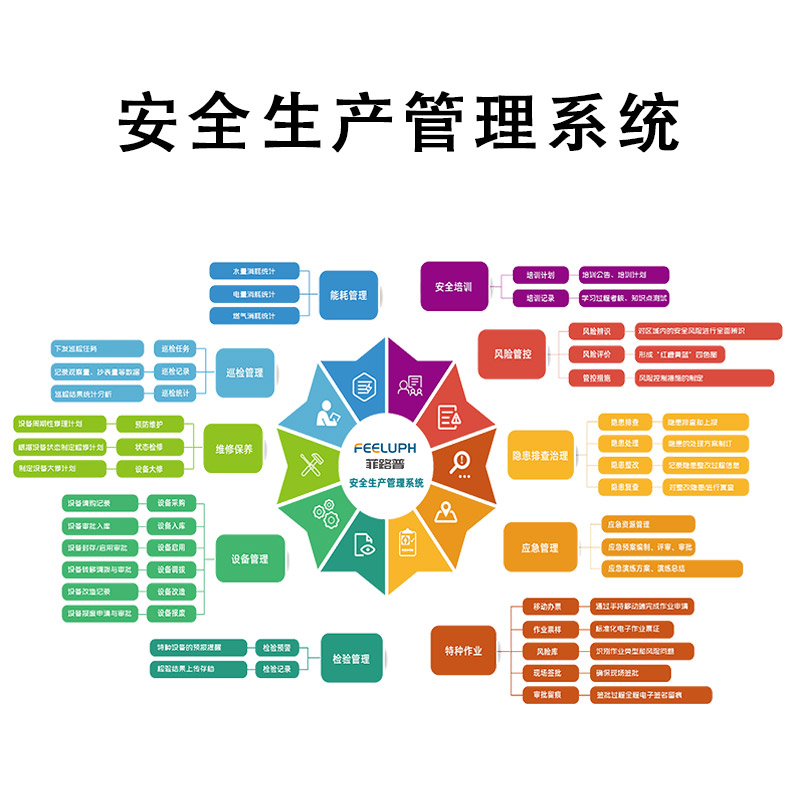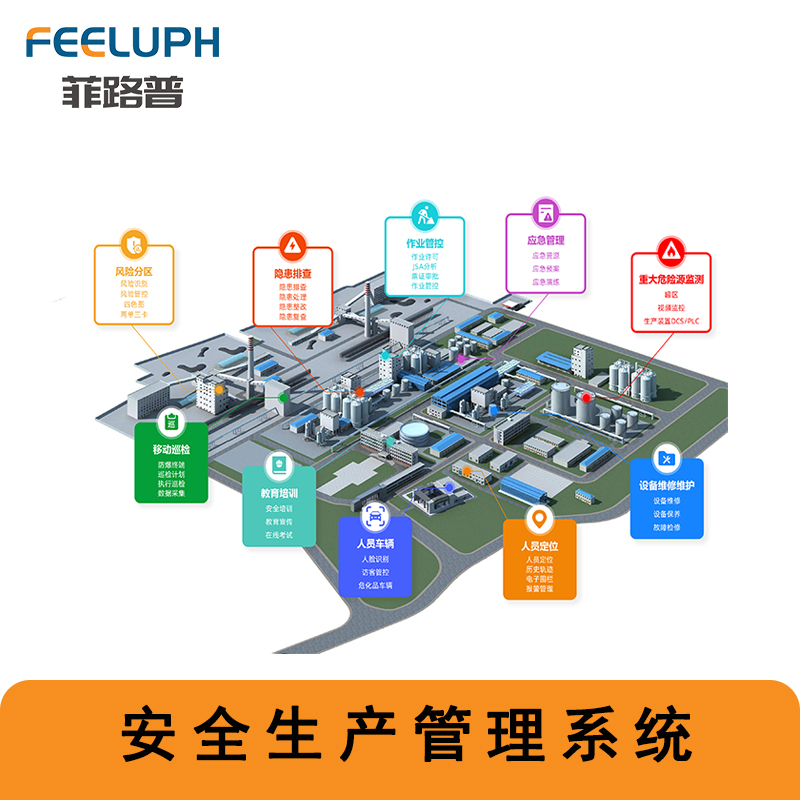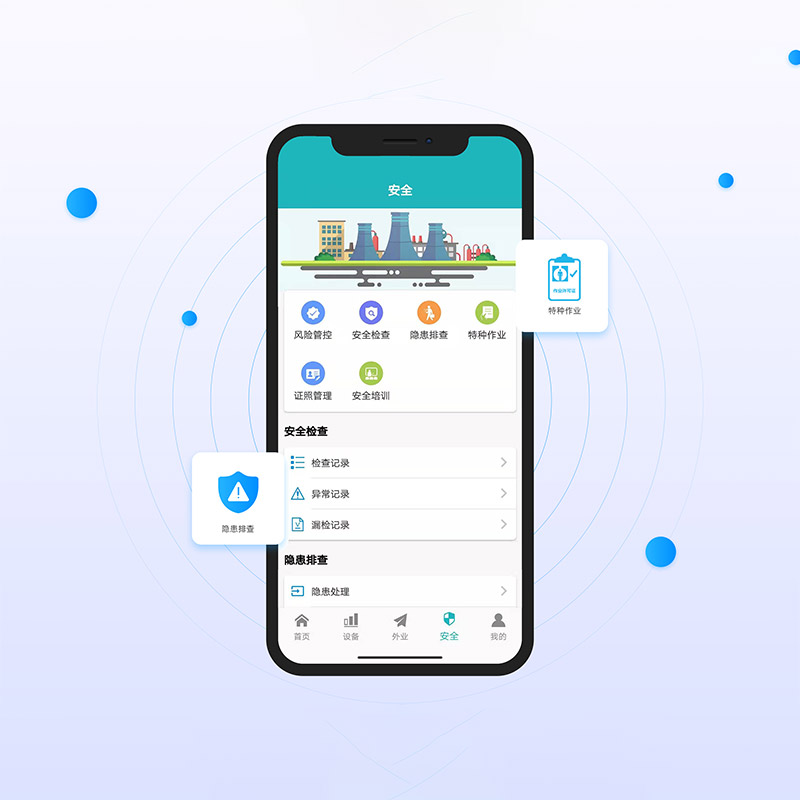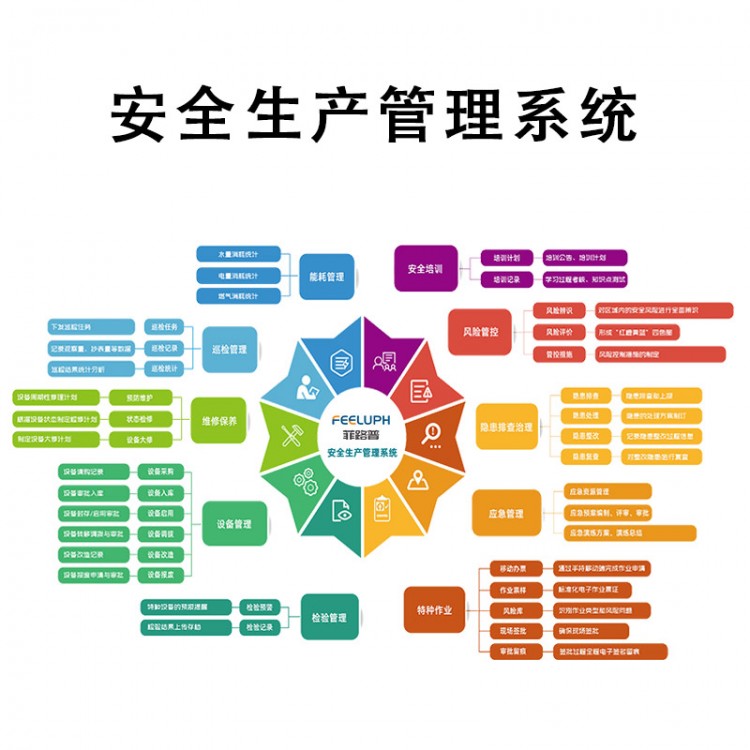

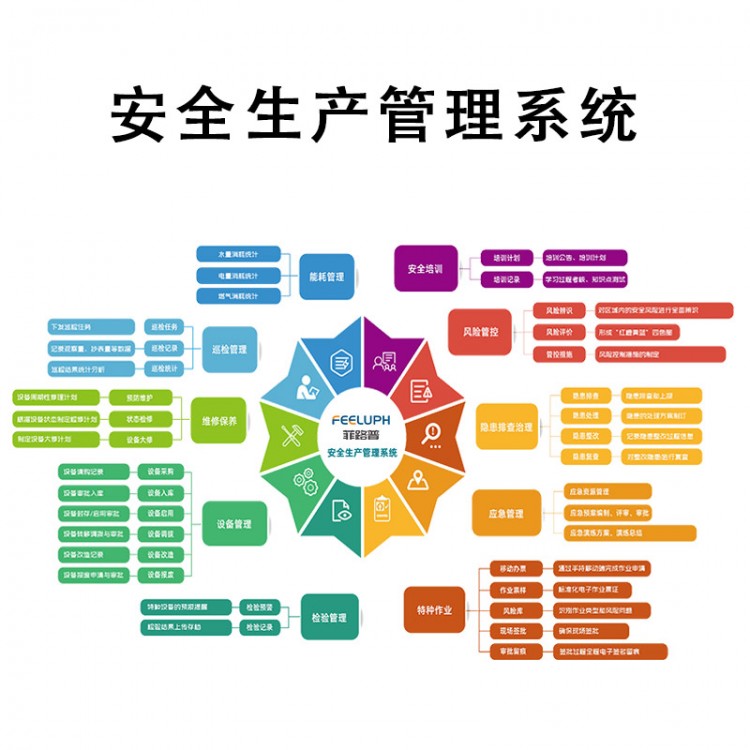











The Safety Production Management System revolves around dual prevention mechanisms, chemical process safety management, and safety production standardization, achieving dynamic management of the "five elements" of people, machines, materials, methods, and environment. It establishes standardized safety management systems in line with regulations, such as HSE, to enhance safety management levels, reduce safety production accidents, save costs, control safety responsibility risks, realize inherent safety of the enterprise, lower occupational health risks, promote environmental protection, and ensure sustainable development of the enterprise.

The intelligent safety risk management platform includes multiple modules and functions to provide safety management support. Here are some typical modules and features:
Dual Prevention Management: By identifying and assessing potential risks, we establish an excellent hierarchical management system, implement preventive measures, and reduce the likelihood of accidents through the investigation and rectification of safety hazards, as well as optimization and improvement of work processes and operational procedures.
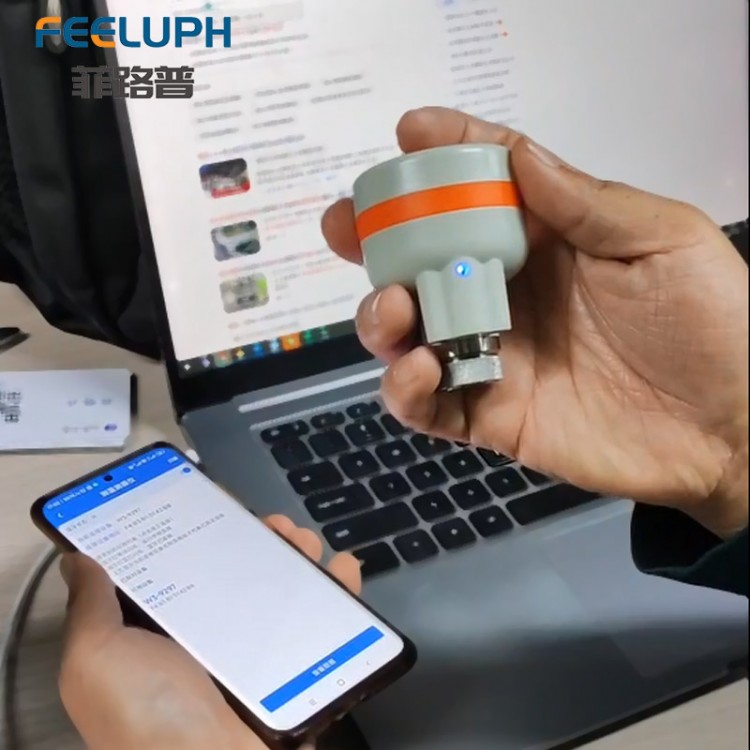
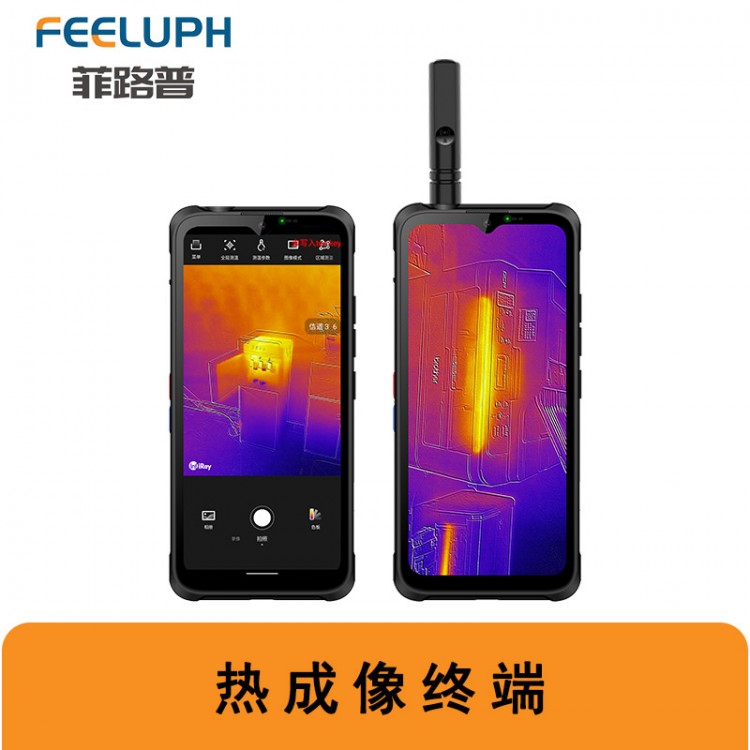
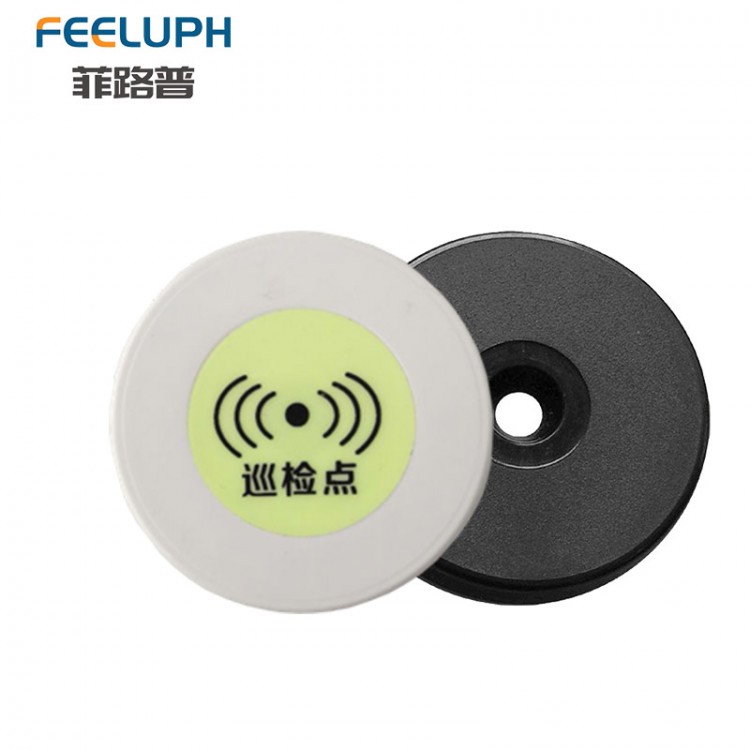
2. Intelligent Inspection Management: Utilize intelligent technology for remote monitoring and inspection of equipment, environment, and operational processes. Through automated data collection and analysis, identify anomalies in a timely manner and issue early warnings and alarms.
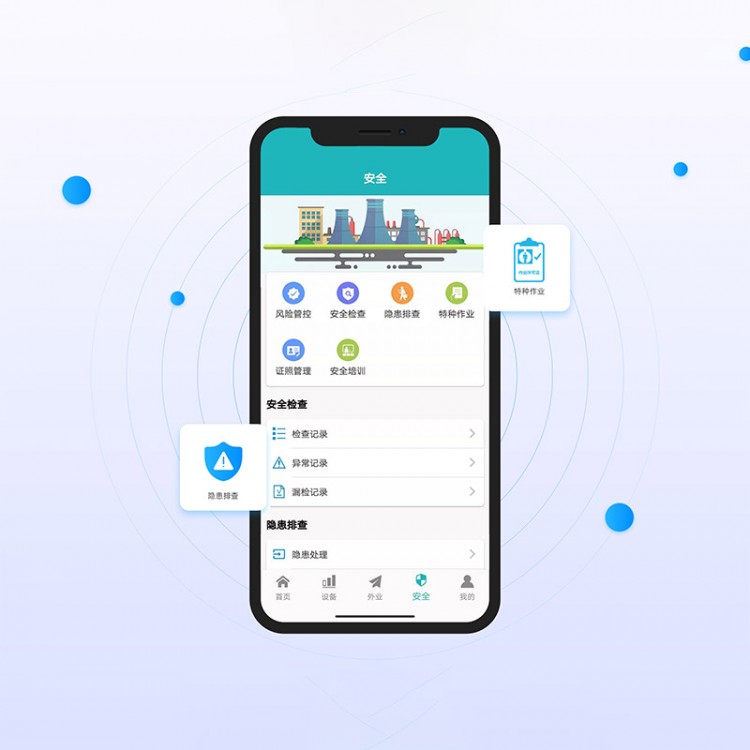
3. Special Operation License Management: Handles the application, approval, safety measures, execution process control, acceptance, and archiving of special operation licenses, effectively mitigating risks and accidents, and achieving the informatization, intelligence, and mobility of operation license management.
4. Personnel Location Management: Utilizing location technologies (such as GPS, RFID, etc.), to provide real-time positioning and tracking of personnel within the company. This ensures personnel are within the operational area and facilitates rapid rescue and evacuation during emergencies.
5. Safety Training and Education Management: The platform offers online training, knowledge base, and assessment features, effectively organizing and managing safety training and education activities to enhance employees' safety awareness, skills, and knowledge levels.
6 Video Intelligent Behavior Analysis Management: Real-time analysis and recognition of on-site video images using artificial intelligence technology, detecting abnormal behaviors of personnel such as entering prohibited areas and failing to wear personal protective equipment, as well as recording and alerting behavior events.
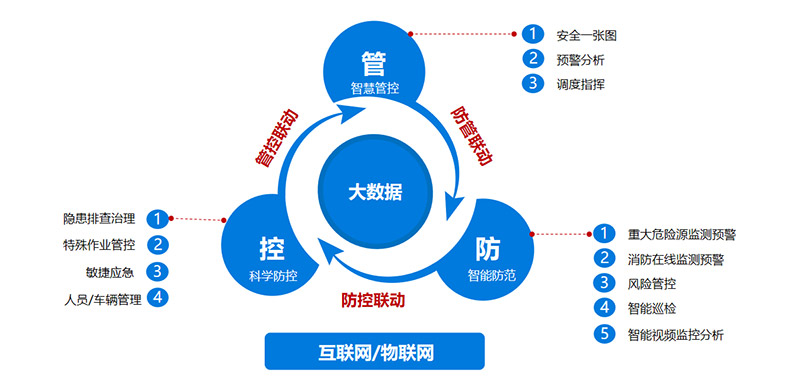
Integrating and utilizing the safety production management system's functional modules can help enterprises achieve safety risk control, enhance the efficiency and accuracy of safety management, and reduce the risk of accidents occurring.
The system's usage offers the following benefits:
Enhance Work Efficiency: Automation and standardized security management processes can significantly reduce manual operations and interventions, thereby boosting productivity. Moreover, the system's real-time monitoring and early warning features enable the timely detection and resolution of potential security issues, preventing accidents from occurring.
Reduce Accident Risks: A Safe Production Management System assists companies in identifying and analyzing various safety risks during the production process. By implementing corresponding preventive and control measures, it effectively reduces the risk of accidents occurring.
Protecting Lives and Property: Timely and effective safety management can prevent or minimize personnel injuries and property losses due to safety accidents, ensuring the safety of employees' lives and the security of the company's assets.
Enhance Corporate Image and Competitiveness: A robust Safety and Health Management System demonstrates a company's commitment to employee safety and social responsibility, thereby enhancing its image and competitiveness.